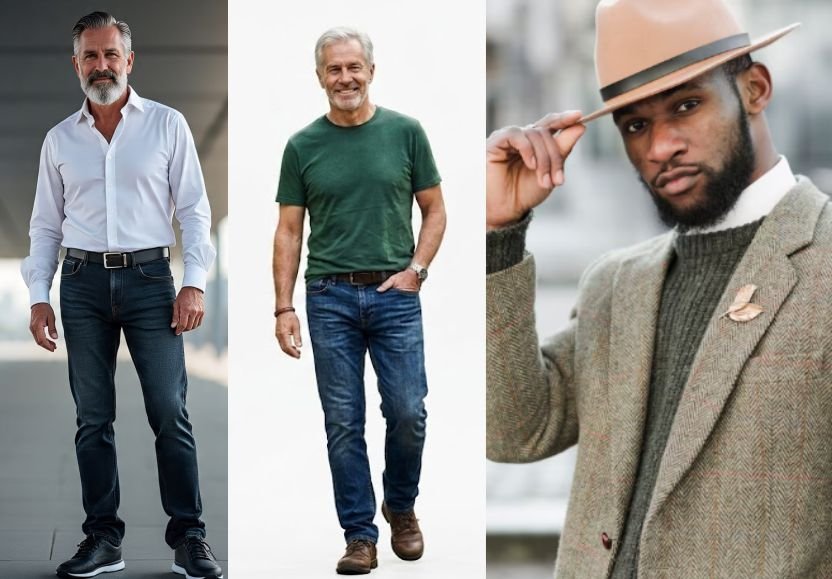
My uncle turned sixty before he owned a suit that truly fit. At his first made-to-measure fitting in New York, I watched a tailor change how he stood within minutes, and learned what men’s style really means.
Most men dress by habit, buying what a shop window suggests and wearing it until it falls apart.
Few were ever shown how clothes should fit, which colors work together, or what a dress code actually means.
The good news is that dressing well rests on a short list of principles anyone can learn.
Below you will find those foundations, then every major clothing category, style type, dress code, and season.
Each section keeps things brief and points you to deeper posts, so you can learn one area at a time without wading through everything at once.
Table of Contents
What Is Men’s Style?
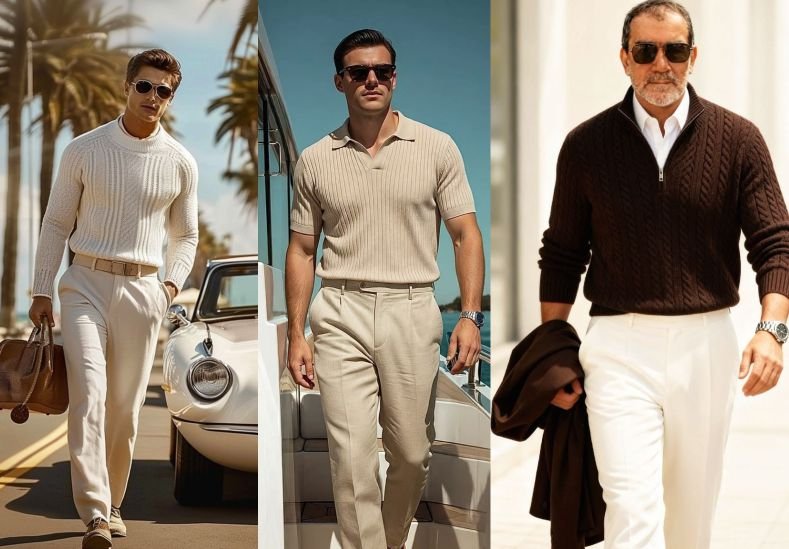
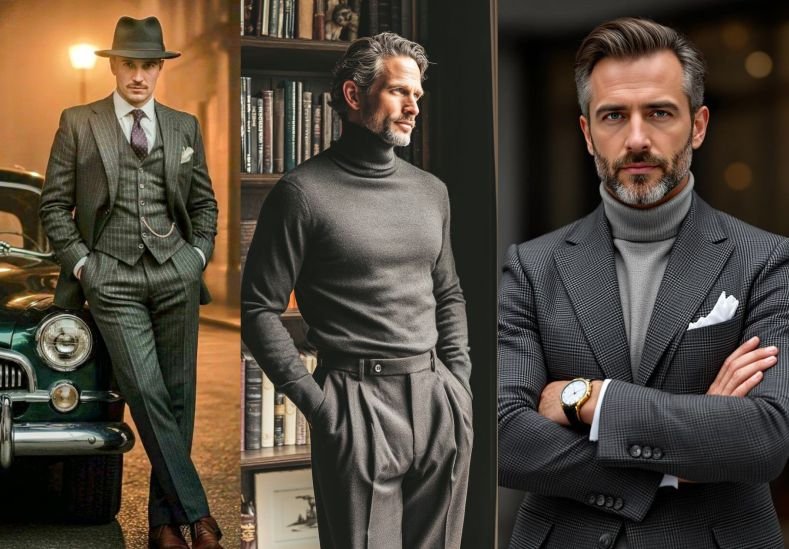
Men’s style is the personal, repeatable way a man chooses to dress. It rests on fit, color, fabric, and proportion, and it reflects his body, his life, and his taste.
Fashion is different, since it describes what the industry produces each season. Trends rise and fade quickly, while good style keeps working long after a trend has gone.
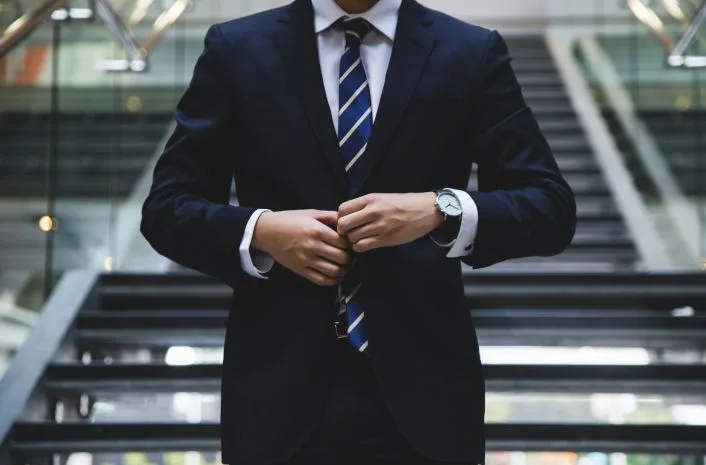
A stylish man rarely notices when a trend disappears, because his wardrobe was never built around it. He buys fewer, better pieces and wears them with confidence for years.
Style is one part of the full Gentsways approach to living well, alongside grooming, manners, and character. Clothes open the door, but how you carry them decides what people remember.
Why You Should Be Concerned about Clothes
People read your clothes before you say a single word, and research shows how fast. In a study published in the Journal of Fashion Marketing and Management, viewers saw photos of a man for just three seconds.
When he wore a tailored suit rather than a near-identical off-the-peg one, they rated him more confident, successful, flexible, and higher earning. Psychology Today summarized the research, led by Neil Howlett and Karen Pine.
Clothes may also change how you think, not just how others see you. Researchers led by Michael Slepian found that formal clothing boosted abstract, big-picture thinking across five experiments, published in Social Psychological and Personality Science.
My uncle felt that difference in the tailor’s mirror that afternoon in Manhattan. He stood straighter, spoke more slowly, and kept smiling at a version of himself he had never seen before.
The Four Foundations of Men’s Style
Every outfit rests on the same four decisions, which are fit, color, fabric, and proportion. Get these right, and even simple, affordable clothes look deliberate and sharp.
Fit
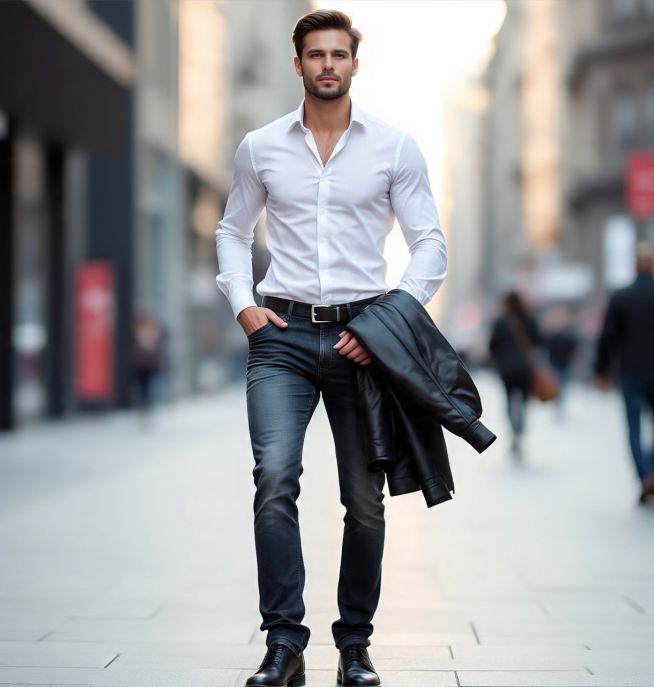
Fit decides more about how clothing looks than price ever will, so start there. Shoulders should sit flat, sleeves should show a little shirt cuff, and trousers should fall cleanly without bunching.
Poor fit also wastes money and time, as McKinsey found when it surveyed shoppers. It reported that 70 percent of apparel returns were caused by poor fit or style, a costly problem for shoppers and stores.
A good tailor can fix most problems cheaply, from sleeve length to trouser hems. You will find the detailed measurements in the fit rules for every garment.
Color
Color sets the tone of an outfit before anyone notices the details. Neutrals like navy, gray, white, and brown form the base of most good wardrobes.
They are also what most men already reach for when they shop. Statista’s 2022 survey found neutrals were by far the most popular color scheme among US apparel shoppers.
Build on neutrals, then add one or two accent colors that suit your skin tone. You can learn the full set of combinations in pairing colors with confidence.
Fabric
Fabric decides how clothes feel, breathe, and age through a long day. Cotton suits daily wear, wool brings warmth and drape, and linen handles summer heat.
Natural fibers usually breathe better, feel softer, and last longer than cheap synthetic fabrics. Stretch blends add comfort to jeans and chinos, but too much stretch makes trousers sag.
Proportion and Body Type
Proportion is how well your clothes balance the frame you actually have, not an ideal one. Slim men gain presence through layering, broad men suit structured tailoring, and shorter men benefit from clean vertical lines.
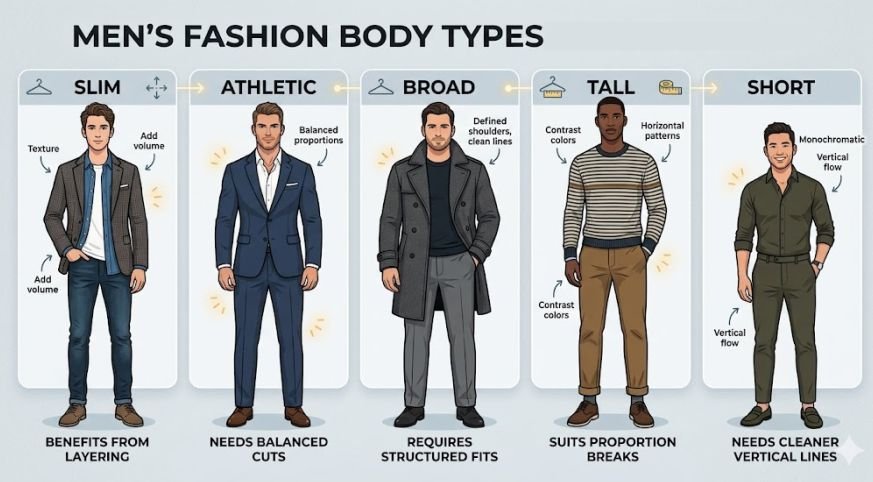
Start by identifying your body type, then choose outfits matched to your build. Tall men face their own fit challenges, covered in clothes for tall frames.
Building a Wardrobe
A good wardrobe works like a toolkit, where every piece pairs easily with several others. Getting dressed then takes minutes instead of a daily battle with the closet.
Start with the basics, such as white and blue shirts, dark jeans, chinos, a navy blazer, and leather shoes. Add pieces slowly, and only buy items that work with at least three things you own.
- The core pieces every man needs, from shirts to shoes.
- A mix-and-match capsule wardrobe built from a small set of pieces.
Men’s Clothing by Category
Each clothing category below has its own detailed posts elsewhere on Gentsways. These short overviews show how the pieces fit together into a working wardrobe.
Shirts and Tops
Shirts carry most outfits, from a crisp dress shirt under a suit to a soft tee under a jacket. Most men need a sensible mix of formal, smart, and casual tops for different days.
- Every type of men’s shirt, from dress to casual.
- Dress shirts for suits and ties, with collar and cuff advice.
- The oxford cloth button-down, the smartest casual shirt a man can own.
- Choosing better t-shirts in fit, fabric, and neckline.
- Polo shirt styles and fit for smart weekends.
- Denim shirts and how to wear them without looking dated.
- Tucking a shirt the right way so it stays neat all day.
Trousers, Chinos, and Jeans
The right bottoms set the formality of an outfit more than any other piece. Tailored trousers lean formal, chinos sit in the middle, and jeans lean casual.
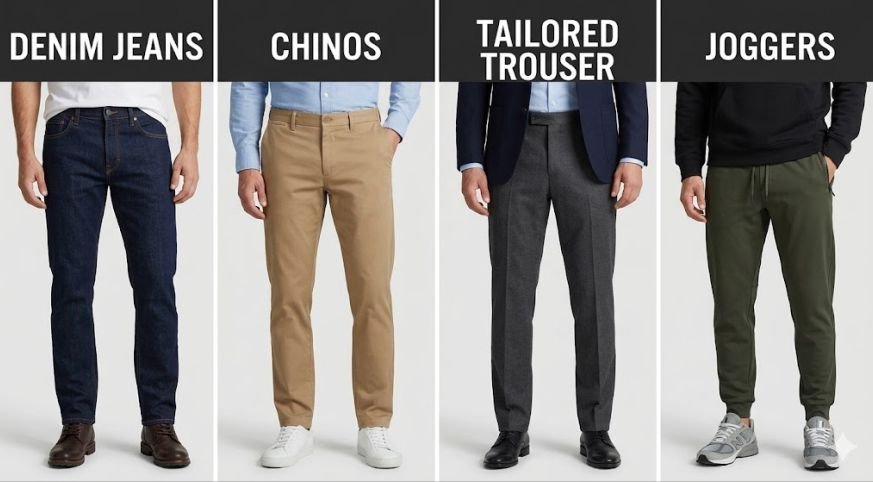
- Trouser styles from pleats to flat fronts for work and dressier events.
- Chino outfits for every setting, from office to beach.
- The chino and khaki difference, so you buy the right pair.
- Jeans fits from slim to relaxed, plus washes and rises.
- The wider world of denim, from raw selvedge to faded classics.
Suits, Blazers, and Ties
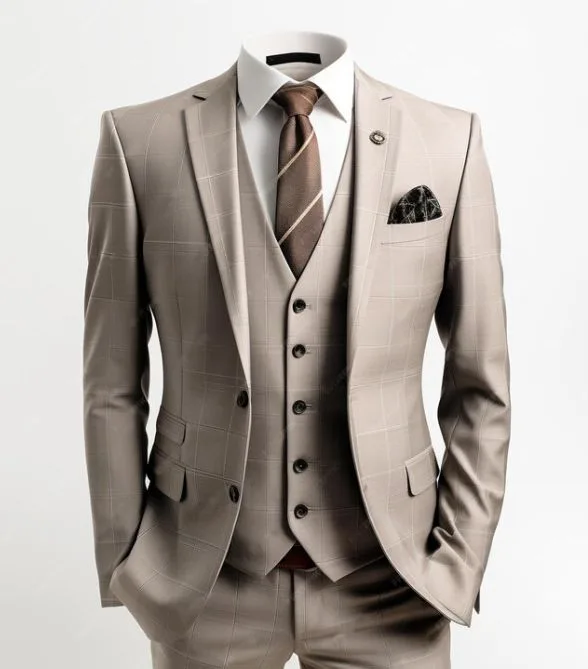
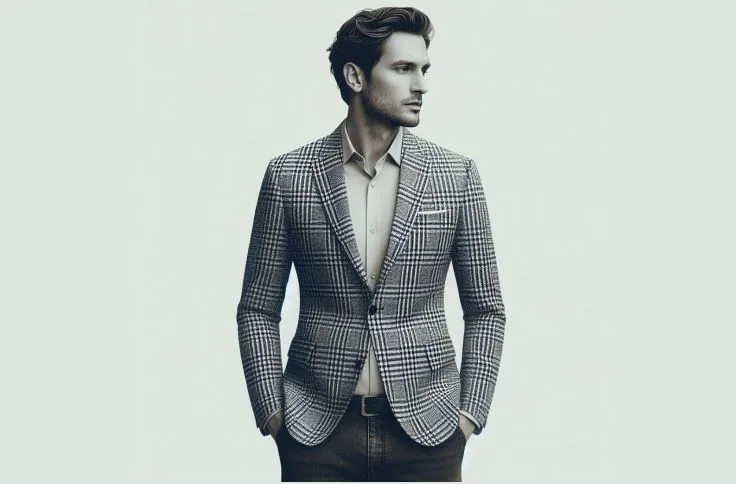
Tailoring is where fit matters most, since a jacket either flatters your frame or fights it. One well-cut suit and one navy blazer cover most formal and smart occasions.
- Suit cuts, fabrics, and fit, from your first suit onward.
- Picking your first blazer in the right color and cloth.
- Blazer outfits from office to weekend, with jeans, chinos, and more.
- The blazer, sport coat, and suit jacket difference, side by side.
- Ties, knots, and the right width for your lapels.
Outerwear and Jackets
Outerwear is the first thing people see when you arrive anywhere from autumn to spring. A good coat and two or three jackets handle most climates and occasions.
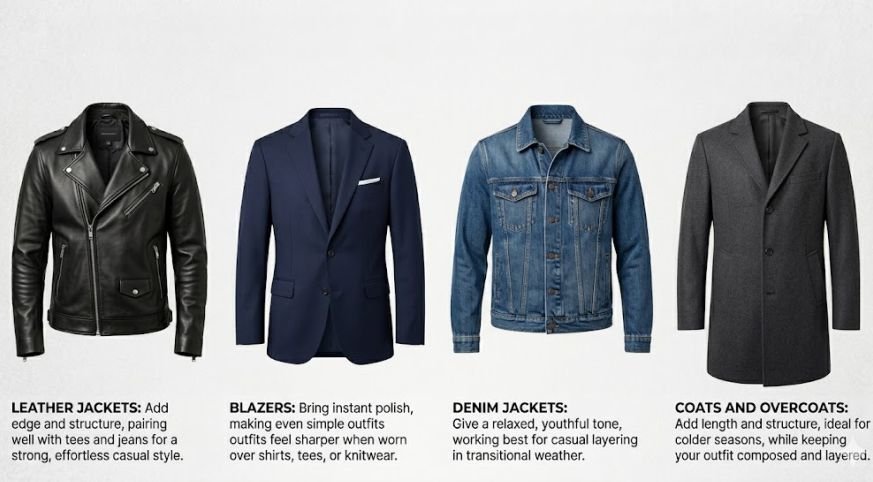
- Every coat and jacket for cold weather, from parkas to overcoats.
- Casual and tailored jacket types, from bombers to field jackets.
- The wool overcoat that dresses up any winter outfit.
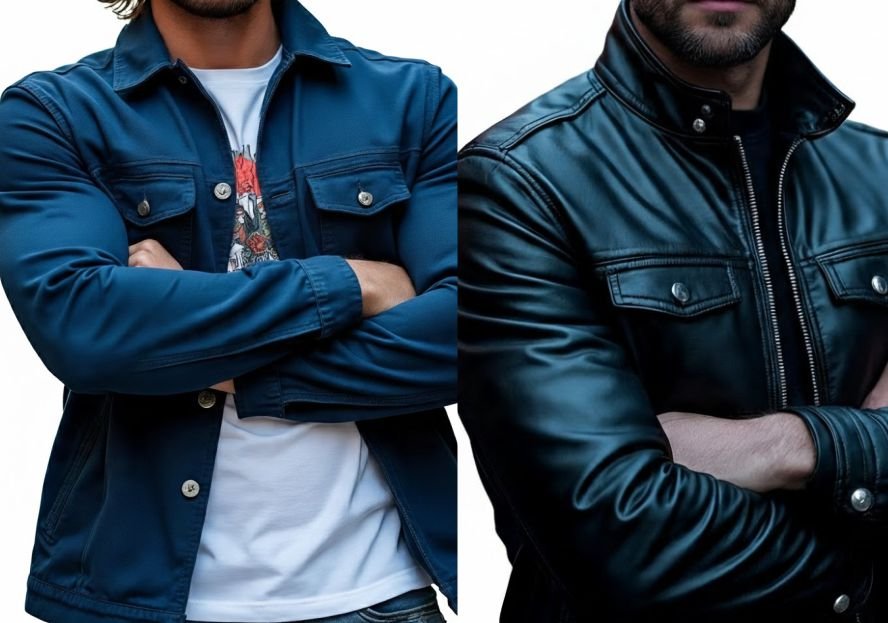
- Buying a leather jacket that lasts for decades.
- Denim jackets and their care, from trucker to sherpa.
Knitwear
Sweaters, cardigans, and knitted polos add warmth, texture, and softness to an outfit. Merino, cashmere, and cotton knits each suit a different season and setting.
- Sweaters, cardigans, and other knits, with fabric and fit advice.
Shoes
Shoes finish an outfit, and many people notice them before anything else you wear. Most men need a dress shoe, a smart casual shoe, clean sneakers, and a boot.
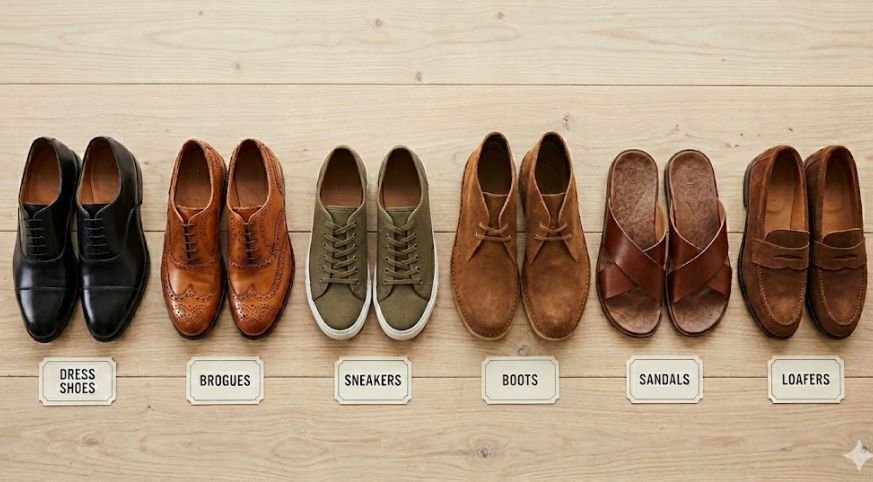
- Men’s shoe types from oxfords to sneakers, with outfit pairings.
- Clean sneakers for smart outfits and casual days.
- Boots for town and country, from chelsea to chukka.
- Shoe polishing and storage basics that double the life of leather.
Accessories and Watches
Accessories add personality and polish to an outfit without ever shouting for attention. A good belt, a simple watch, and one or two well chosen extras finish most outfits.
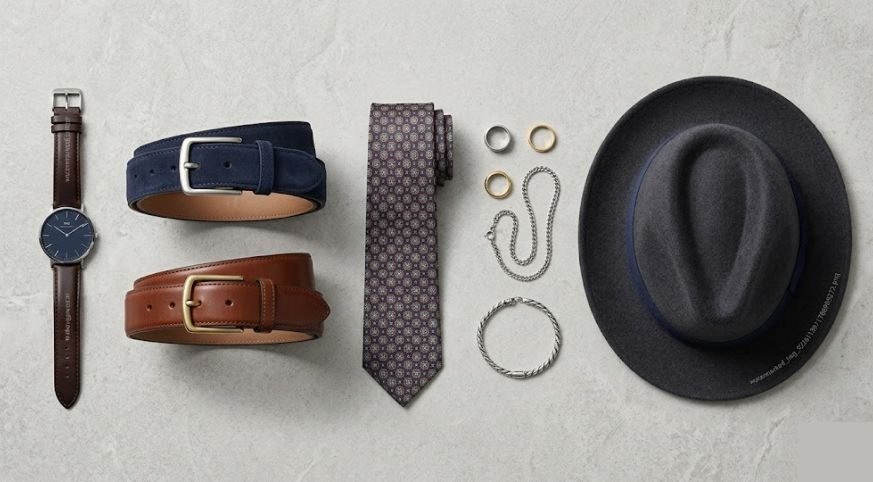
- The accessories that finish an outfit, from bags to pocket squares.
- Belt widths and leathers for suits and jeans.
- Watch styles for every wrist, from dress watches to divers.
Men’s Style Types
Most men lean toward one or two style types, even without naming them. Knowing yours makes shopping easier and helps every piece in your closet work together.
Classic. Classic style draws on long-established menswear, such as navy blazers, oxford shirts, gray trousers, and polished leather shoes. It changes very little across decades, which makes it a safe base for any man.
Minimalist. Minimalist style reduces the wardrobe to fewer, better pieces in black, white, gray, and navy. Clean lines and no visible logos mean everything pairs with everything else.
Smart casual and business casual. These sit between relaxed and formal, mixing chinos, blazers, knitwear, and loafers. You can find office-ready combinations in modern business casual outfits for every season.
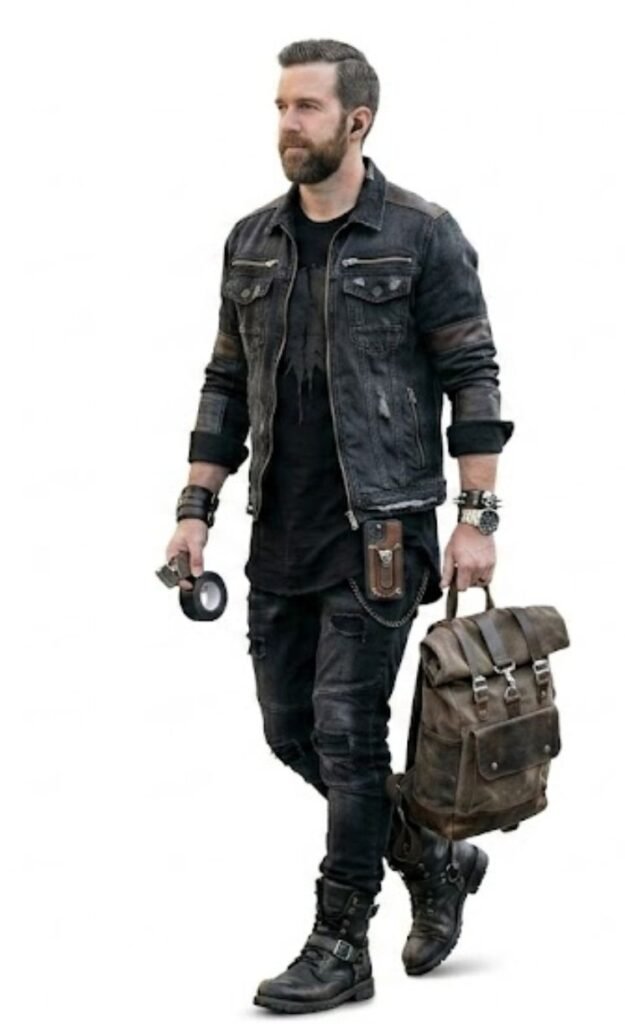
Streetwear. Streetwear grew from skate and hip-hop culture, built on hoodies, graphic tees, cargo trousers, and sneakers. You can browse modern takes on the look in streetwear pieces and outfits for men.
Gorpcore. Gorpcore borrows technical outdoor gear like fleeces, shell jackets, and trail shoes for city wear. You can see how to wear it in trail-inspired gorpcore looks that suit everyday city life.
Poetcore. Poetcore favors soft tailoring, knitwear, earthy colors, and worn leather for a literary feel. You can read about its key pieces and colors in the literary poetcore look for men.
Old money and quiet luxury. Both prize fine fabric and precise tailoring over logos. You can study both in the old money wardrobe and understated quiet luxury dressing for men.
Athleisure. Athleisure blends gym clothes with everyday wear, such as joggers, technical tees, and clean sneakers. It suits travel and errands, but it reads too casual for the office or evening events.
Vintage and retro. Vintage style borrows from past decades, such as 1950s workwear or 1970s flares and patterned shirts. Mix one older piece with modern basics, so the look feels personal rather than like a costume.
Men’s Dress Codes
Dress codes tell you how formal an event will be, and getting them wrong is hard to hide. Gallup found that 41 percent of US workers now wear business casual, while only 3 percent wear business professional.
| Dress code | What it means for men |
|---|---|
| White tie | Black tailcoat, white bow tie, white waistcoat, and patent shoes |
| Black tie | Dinner jacket or tuxedo, black bow tie, and black patent or polished shoes |
| Black tie optional | Tuxedo, or a dark suit with a tie |
| Cocktail or formal | Dark suit, tie, and leather dress shoes |
| Business professional | Suit and tie in navy or charcoal |
| Business casual | Blazer or knitwear, collared shirt, chinos or trousers, no tie needed |
| Smart casual | Clean jeans or chinos, a good shirt or polo, and smart shoes |
| Casual | Comfortable, clean clothes that still fit well |
When an invitation is unclear, dress one level up rather than one level down. Being slightly overdressed rarely causes embarrassment, while being underdressed almost always does.
Dressing for the Occasion
At the office. Most offices now expect business casual, built on chinos, trousers, collared shirts, knitwear, and a blazer. Keep a tie and a dark jacket at work for surprise meetings with clients.
On a date. A well-fitting shirt, dark jeans or chinos, and a clean jacket strike the right balance. You will find more ideas for every kind of venue in first date outfits that work.
At weddings. Check the invitation first, then choose a suit in navy, gray, or a seasonal shade. Read what to wear as a wedding guest and coordinated looks for groomsmen.
When traveling. Choose breathable layers, trousers with a little stretch, and shoes you can walk in all day. Neutral colors let a small suitcase cover many different outfits across a long trip.
Dressing by Season
Spring. Lighter jackets, cotton knits, and softer colors suit the changing weather of early spring. Layers that come off easily handle cool mornings and warm afternoons without fuss.
Summer. Linen, cotton, and lighter colors keep you cool and comfortable through the hottest months. See warm weather outfits and denim shorts done right for hot days.
Fall. Flannel, suede, knitwear, and richer colors like olive and rust come into play. You can see full outfits for cooler days in layered fall looks for men.
Winter. Wool coats, heavier knits, and darker colors bring warmth without bulk. You can learn more in staying sharp in winter and the art of layering for cold days.
Men’s Style by Age
The principles stay the same at every age, but the priorities change with each decade of life.
In your twenties. Build a small base of good basics, learn your fit, and experiment with style types. Mistakes are cheap at this stage of life, so try new things and learn from them.
In your thirties and forties. Invest in tailoring, quality shoes, and a good coat. Your style should now look settled and confident, with fewer trend pieces and more quality.
In your fifties and beyond. Fit and comfort matter more, and classic pieces suit this stage beautifully. Gentsways covers it in depth in the older men’s section, including style advice for men past fifty.
Fashion Etiquette
Fashion etiquette is the set of unwritten rules that keep your clothes respectful of the setting. These are the rules every gentleman should know before his next wedding, interview, or dinner.
- Unbutton a suit jacket when you sit, and button it again when you stand.
- On a two-button jacket, fasten the top button and never the bottom one.
- Match your belt to your shoes, and your socks to your trousers.
- Remove your hat indoors and your sunglasses when talking with someone.
- Never outdress the groom at a wedding, or wear white unless asked.
- Keep logos and loud prints away from funerals, interviews, and formal dinners.
- Follow the host’s dress code, even if you think it is too formal.
Dressing With Presence
Some men search for how a high-value man dresses, but presence has nothing to do with labels or price tags. It comes from good fit, careful upkeep, and the quiet confidence of a man at ease.
A man with presence wears clothes that suit his frame and the occasion, kept clean, pressed, and in good repair. His grooming matches his clothes, and he never looks like he is trying too hard.
The details carry the message, such as polished shoes, a well-fitting collar, and a simple watch. Grooming completes the picture, covered fully in the full grooming routine for men.
Personal Style Versus Trends
Trends can add freshness to a wardrobe, but they should never run it. Before buying a trend piece, check that it works with at least three things you already own.
Personal style grows from noticing what you return to again and again. My uncle still wears the colors his tailor chose for him that afternoon, navy, gray, and soft blue, because they simply work.
Shopping Smart and Caring for Clothes
Buying fewer, better clothes saves money and reduces the waste that fast fashion creates. The Ellen MacArthur Foundation reports that the number of times clothes are worn has fallen by 36 percent.
Much of that unwanted clothing ends up buried in landfill sites around the world. The EPA estimates that landfills received 11.3 million tons of textiles in 2018 in the United States alone.
Think in cost per wear, dividing the price by how many times you will wear something. A 300 dollar coat worn a hundred times costs less than a cheap one worn ten times.
- Check measurements before buying online, starting with measuring yourself for shirts.
- Wash clothes less, in cooler water, and air dry knitwear flat.
- Use wooden hangers for jackets and fold sweaters to keep their form.
- Keep a closet that works for you, with a wardrobe that stays organized.
Common Style Mistakes
- Wearing clothes that are too big or too tight.
- Letting trousers pool over your shoes.
- Mixing too many patterns or bright colors at once.
- Wearing worn, scuffed, or dirty shoes.
- Buying trends that clash with the rest of your wardrobe.
- Ignoring the dress code on an invitation.
- Forgetting grooming, which undoes even the best outfit.
Final Words from Gentsways
My uncle walked out of that New York tailor looking ten years younger, and he did not buy anything flashy.
He bought a navy suit that fit, and the confidence came with it. Men’s style works the same way at any age, for any budget.
Start with fit, build on neutral colors, and add pieces that work with what you already own.
Then follow the links above to whichever clothing category needs your attention first.
Book a visit to a good tailor this month, and take your most worn jacket or trousers with you.
Frequently Asked Questions
How can a man find his personal style?
Notice the fits, colors, and outfits you feel best wearing, then build your wardrobe around them. Study style types you admire, and borrow only what suits your life.
What clothes should every man own?
Most men need white and blue shirts, dark jeans, chinos, a navy blazer, and a dark suit. Then add a good coat, leather shoes, clean sneakers, and a watch.
How does a high-value man dress?
He dresses for fit and occasion rather than labels, and keeps his clothes clean and pressed. Quality, restraint, and quiet confidence matter far more to him than price.
What is the difference between style and fashion?
Fashion is what the industry sells each season, and it changes quickly with trends. Style is your own consistent way of dressing, built on fit and taste.