
Last updated on October 10th, 2026 at 05:28 am
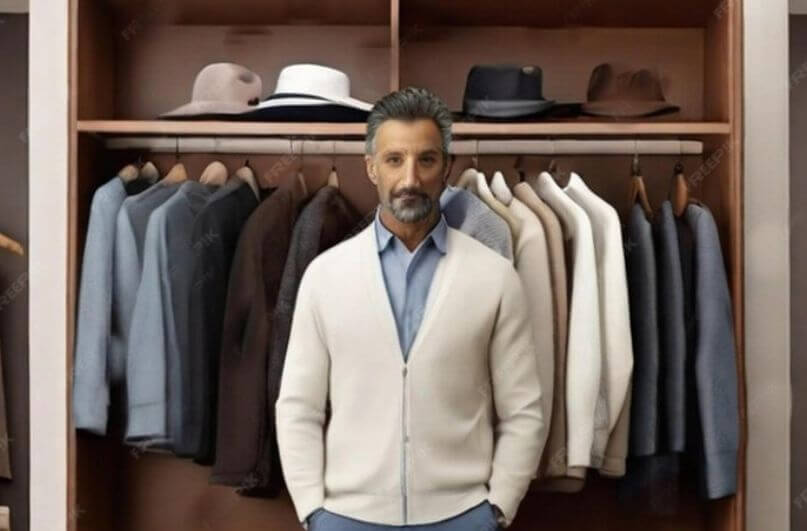
A capsule wardrobe for men means owning fewer clothes that all work together, so every morning starts with easy choices. Build one well, and you spend less, dress better, and stop staring at a full closet.
Most men wear a small share of what they own and ignore the rest, which wastes money and closet space.
A capsule fixes that by limiting your wardrobe to a set number of pieces in a tight color palette.
You will learn how many items to aim for, how to choose colors, and how to audit what you already own.
There are also outfit formulas, seasonal swaps, a sample capsule for work and weekends, and a travel version that fits in one carry-on bag.
My father owned two pairs of chinos for most of his working life, one navy and one khaki. He wore them to church, to work, and for yard work, and never once looked underdressed or out of place.
Table of Contents
What Is a Capsule Wardrobe?
A capsule wardrobe is a small, planned collection of clothes where nearly every top pairs with nearly every bottom. The idea is to own fewer pieces but get more outfits from them, thanks to shared colors and simple styles.
Most capsules hold somewhere between 25 and 40 pieces, not counting underwear, socks, sportswear, and sleepwear. The exact number matters less than the rule that every item earns its place through regular wear.
A capsule is a system rather than a shopping list, so it builds on the core pieces you already own. If you need to fill gaps first, start with the core pieces every man needs, then return here to trim and organize.
Why a Capsule Wardrobe Works for Men
Fewer clothes mean fewer decisions, and that makes busy mornings faster and calmer. When everything matches, you can grab a shirt and trousers in the dark and still look put together.
A capsule also saves money, because you stop buying random pieces that do not pair with anything. Each new purchase has to fit the system, which cuts impulse buys almost completely.
Owning less encourages better quality, since you can afford a good pair of shoes when you skip five cheap ones. Quality pieces also last longer, which matters for your budget and for the planet.
Ben, a dentist in Christchurch, cut his closet from about 90 pieces to 35 over one winter. He says he now spends less than two minutes choosing clothes and gets more compliments than before.
Research on Capsule Wardrobe
Research on clothing, waste, and choice helps explain why a smaller, planned wardrobe makes sense for many men. The sources below come from government agencies, sustainability researchers, and psychology journals.
The Ellen MacArthur Foundation reports that clothing production roughly doubled over the past 15 years, driven largely by fast fashion. Buying fewer, longer-lasting pieces pushes directly against that trend in a small way.
The US Environmental Protection Agency estimated that about 11.3 million tons of textiles went to American landfills in 2018. Less than 15 percent of all American textile waste was recycled in that same year.
Research from UK charity WRAP found that wearing clothes for nine extra months cuts their carbon, water, and waste footprints by about 20 to 30 percent. A capsule naturally keeps each piece in regular use for longer than a crowded closet.
A famous study by Sheena Iyengar and Mark Lepper found shoppers offered 6 jams were far more likely to buy than those offered 24. The findings suggested that too many options can make choosing harder for most people.
These findings come with clear limits that are worth keeping in mind. Later reviews found the effect of too much choice varies widely between studies, and the waste figures are national estimates.
How Many Pieces Should a Man Own?
Thirty to thirty-five pieces suit most men who work in a business casual office and dress casually on weekends. Men in stricter dress codes or very changeable climates may need closer to forty.
Count shirts, knits, trousers, jackets, and shoes, but leave out socks, underwear, gym kit, and pajamas. Accessories such as belts and watches usually sit outside the count too.
Start with a rough target rather than a strict number, then adjust after a month of living with it. If you never miss a piece you removed, your capsule is probably the right size.
Step 1. Audit What You Already Own
Empty your closet completely, then sort everything into three piles, namely keep, maybe, and let go. Be honest about fit, condition, and how many times you wore each piece in the past year.
Anything that does not fit, needs repairs you will never make, or has not been worn in a year goes. Donate or resell good pieces, and recycle worn-out cotton through textile collection points.
Put the maybe pile in a box out of sight for three months. If you never open the box, donate everything in it without looking inside again.
Keep the closet tidy as you rebuild, so you can see every piece at a glance. Tips on keeping a closet organized help you set up rails, shelves, and drawers that suit a smaller wardrobe.
Step 2. Match the Capsule to Your Life
Write down how you spend a typical week, from workdays and gym sessions to dinners and church. Your capsule should mirror that split, rather than the life you imagine having.
A man who works in an office five days a week needs more shirts and trousers than casual pieces. A tradesman or remote worker needs more casual clothes, with only a small set of smart pieces for special occasions.
Office workers can lean on dressing business casual every day, building the capsule around chinos, oxfords, and a blazer. Those three pieces alone can cover most of a normal working week at the office.
Step 3. Choose a Tight Color Palette
A capsule only works when the colors play well together, so limit yourself to a small palette. Choose two or three base colors, two or three neutrals, and one or two accent colors.
Base colors anchor your trousers and outerwear, and navy, gray, and brown are the safest choices. Neutrals such as white, light blue, and cream suit shirts and knits, while accents such as olive or burgundy add interest.
If you are unsure which colors suit you, a simple read on a simple color palette for men helps you match tones to your skin and hair. Most men look good in navy and light blue, which makes them a smart starting point.
Liam, who runs a small menswear boutique in Cork, tells customers to start with navy, gray, and white. He says men who begin with those three colors rarely come back with outfits that clash.
Step 4. Pick Cuts and Fabrics That Pair Easily
Simple, classic cuts mix more easily than trend-driven pieces with unusual lengths or loud details. Plain fabrics, small textures, and subtle patterns pair with more items than bold prints.
Choose fabrics that layer well and handle several seasons, such as cotton, merino wool, and lightweight flannel. A few textures, such as oxford cloth, denim, and suede, keep a small wardrobe from looking flat.
Make sure every piece suits your build, since a capsule with poor fits is just a smaller pile of problems. Advice on picking cuts for your build helps you choose trousers and jackets that flatter.
Step 5. Do the Outfit Math
The magic of a capsule lies in combinations, so test how many outfits your pieces can make. Five shirts and four trousers that all pair together give you 20 outfits before you add a single jacket.
Add two jackets, such as a navy blazer and a casual field jacket, and that number climbs past 40. Add three pairs of shoes, and you have far more combinations than days in a season.
Lay out a week of outfits on your bed before you finalize the capsule. If any piece pairs with only one or two others, swap it for something that works with more.
Plenty of capsule pieces, such as chinos in neutral colors, work across offices, weekends, and dinners. A single navy blazer offers even more range, and these ways to style one blazer prove the point.
A Sample 33-Piece Capsule
The example below suits a man in a temperate climate who works in a business casual office. Adjust the counts and colors to match your own week, climate, and palette.
| Category | Pieces | Count |
|---|---|---|
| Shirts | 2 oxfords, 2 dress shirts, 1 chambray | 5 |
| Tees and polos | 3 plain tees, 1 knitted polo | 4 |
| Knitwear | 1 navy crew neck, 1 gray crew neck, 1 cardigan | 3 |
| Trousers | Dark jeans, khaki chinos, navy chinos, gray wool trousers, olive chinos | 5 |
| Shorts | 1 navy chino short, 1 stone chino short | 2 |
| Tailoring | Navy blazer, charcoal suit | 2 |
| Outerwear | Field jacket, wool overcoat, rain jacket | 3 |
| Shoes | Dress shoes, loafers, white sneakers, boots | 4 |
| Extras | 1 linen shirt, 1 flannel shirt, 1 roll neck, 1 denim jacket, 1 pair of sandals | 5 |
That set produces well over a hundred outfits, because almost everything shares the same navy, gray, white, and brown base. Swap the extras out at the start of each season to keep the capsule feeling fresh.
Seasonal Capsules
Many men keep one core capsule and swap 8 to 10 seasonal pieces in and out four times a year. Store off-season clothes in breathable bags or boxes under the bed or on a high shelf.
Spring and Summer
Swap in linen shirts, short-sleeve knits, chino shorts, and lighter chinos in stone or white. Ideas for summer outfits for men show how to keep a light capsule cool and sharp.
Fall
Bring back flannel shirts, merino knits, boots, and a field jacket in earthy colors. These fall outfit ideas work well with a capsule built on olive, brown, and navy.
Winter
Add a wool overcoat, roll necks, heavier flannel trousers, and a pair of leather boots. Winter outfits for men show how to stay warm without doubling the size of your wardrobe.
Smart layering lets a small capsule handle a wide range of temperatures. The principles of layering a small wardrobe help you get more outfits from fewer pieces.
A Capsule for Travel
A travel capsule follows the same rules but fits into one carry-on bag for a week or more. Pack one palette, two trousers, four tops, one knit, one jacket, and two pairs of shoes.
Wear your bulkiest pieces on the plane, such as boots and a blazer, to free up space in the bag. Choose fabrics that resist wrinkles, such as merino, and roll clothes instead of folding them.
Arjun, a sales manager in London, travels for work twice a month with a single carry-on. He packs navy chinos, gray trousers, three shirts, and a navy blazer, and wears different combinations every day.
Good travel habits go beyond packing, from airport courtesy to hotel manners. A quick read on travel manners for gentlemen pairs well with a light, organized bag.
Keeping the Capsule Working
Follow a simple one-in, one-out rule, so every new purchase replaces something you no longer wear. That habit keeps the capsule from slowly creeping back to its old size.
Review the capsule at the change of each season, removing worn pieces and noting real gaps. Write a short shopping list, and buy only what fills those gaps.
Care for your clothes well, since a capsule works each piece harder than a crowded closet does. Wash in cold water, air dry when possible, and use shoe trees to keep leather in good condition.
The idea of fewer, better clothes overlaps closely with the quiet luxury approach to dressing. Both styles reward fit, fabric, and restraint over loud labels and constant novelty.
Older men can benefit most of all, since many already know what suits them and what they actually wear. A list of older men’s wardrobe staples offers a strong starting point for a capsule after 50.
Common Capsule Wardrobe Mistakes
- Choosing too many accent colors, which breaks the mix-and-match system that makes a capsule work.
- Keeping clothes that do not fit because they were expensive, which wastes space and money.
- Copying someone else’s capsule without matching it to your own job, climate, and weekly routine.
- Cutting too deep at once, which leaves you without basics such as a rain jacket or dress shoes.
- Buying cheap duplicates instead of one good piece, which leads to constant replacements.
Must-Have Men’s Capsule Wardrobe Essentials
1. Classic White Dress Shirt
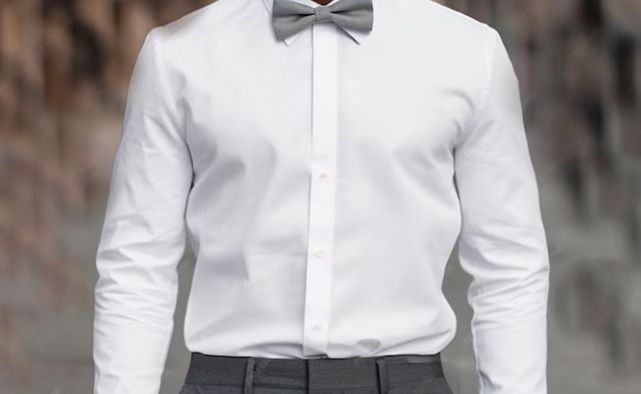
A white dress shirt moves easily from suits and ties to chinos and jeans on relaxed weekends.
Choose a fit that suits your frame, a point or spread collar, and soft cotton, then wash it gently with a mild detergent.
2. Dark Blue or Black Blazer
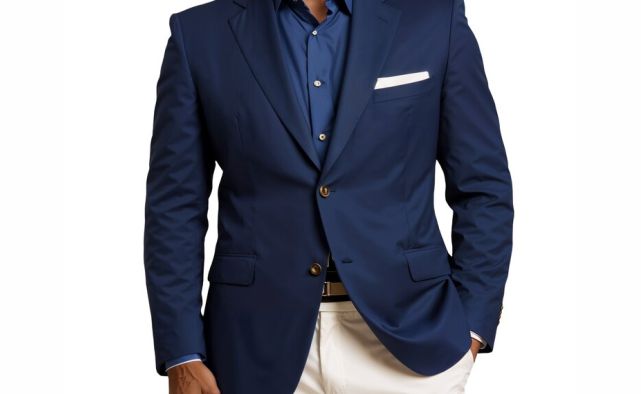
A dark navy or black blazer turns plain jeans or chinos into a sharp, finished outfit within a minute.
Wool suits colder months and linen suits summer, so wear it with a tee and loafers or with smart tailored trousers.
3. Quality Jeans
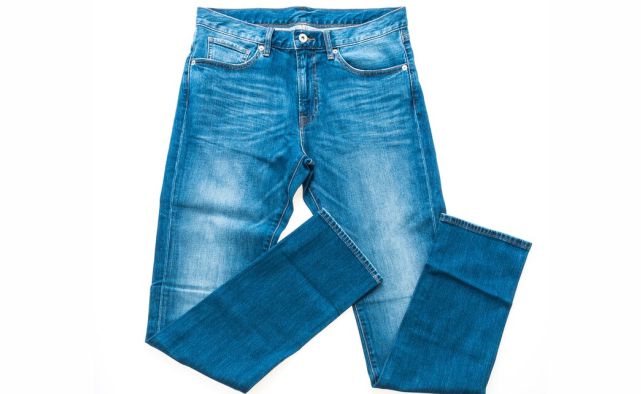
A well-fitted pair of jeans covers casual and semi-formal plans with very little effort on your part. Slim and straight cuts suit most builds, dark washes dress up nicely for evenings, and lighter shades feel relaxed on warm summer weekends.
4. White T-Shirt

A plain white tee acts as a blank canvas that lets the rest of an outfit stand out more clearly. Pick sturdy cotton with neat stitching and a firm collar, then wear it alone in summer or under a blazer.
5. Crisp Chinos or Khaki Pants
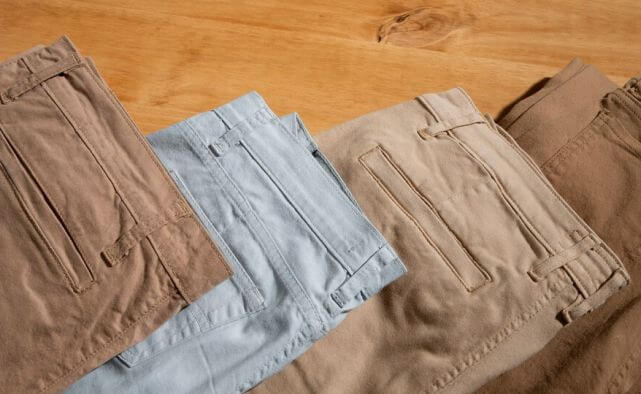
Chinos look smarter than denim yet feel just as comfortable through a long, busy day at the office. Start with beige, navy, or soft gray, then change the mood of each outfit with loafers, sneakers, a sweater, or a blazer.
6. Tailored Suit
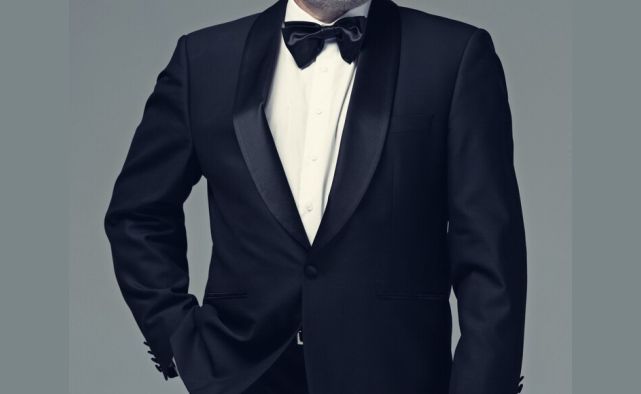
A tailored suit covers business meetings, weddings, and other formal events with quiet confidence and real ease. The jacket should sit cleanly on the shoulders, the trousers should break slightly, and wool works across more seasons than most other fabrics.
7. Leather Belt: A Fundamental Accessory for Men’s Capsule Wardrobe
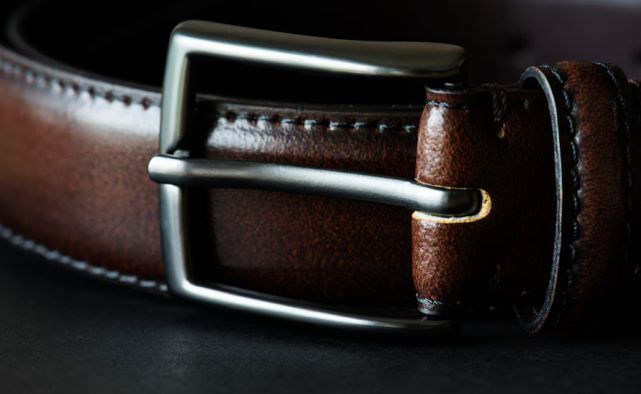
A leather belt adds polish to formal outfits and finishes casual looks neatly, simply, and without any fuss. Choose black for formal settings and brown for business casual, make sure it fits comfortably, and always match it to your shoes.
8. Crisp White Sneakers
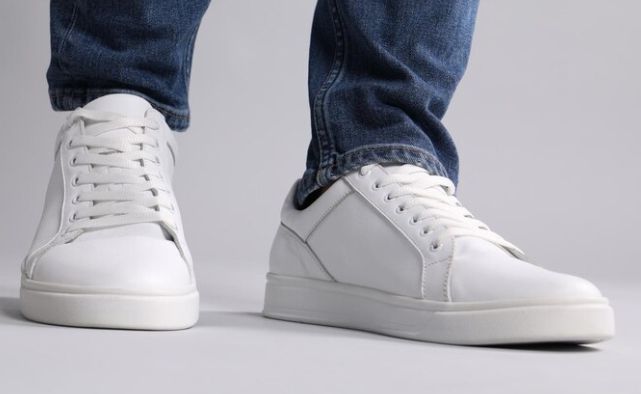
Clean white sneakers pair well with jeans, chinos, shorts, and even relaxed suits for smart, easy weekends. Leather styles look more refined than canvas ones, so keep the rest of the outfit very simple and the shoes themselves completely spotless.
9. Black Dress Shoes
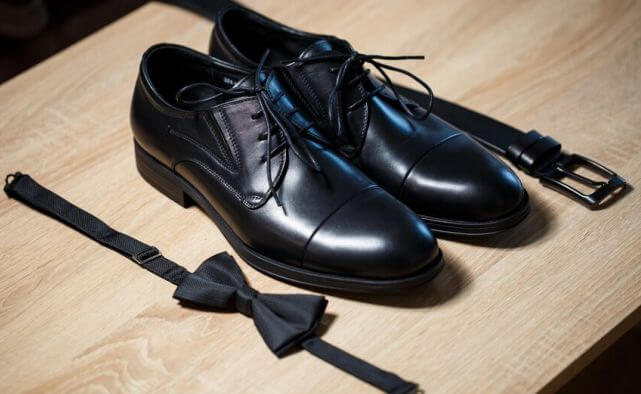
Black oxfords or brogues complete suits and smart business outfits with a sleek, polished finish every time. Clean and polish them regularly, use cedar shoe trees, and rotate pairs, and they will serve you well for many years to come.
10. Navy Blue Suit: A Wardrobe Essential
A navy suit balances polish and warmth, so it suits weddings, business meetings, and evening cocktail parties alike. Pair it with white or light blue shirts, choose brown shoes for softer looks, and wear black shoes for formal evening events.
11. Multipurpose Outerwear
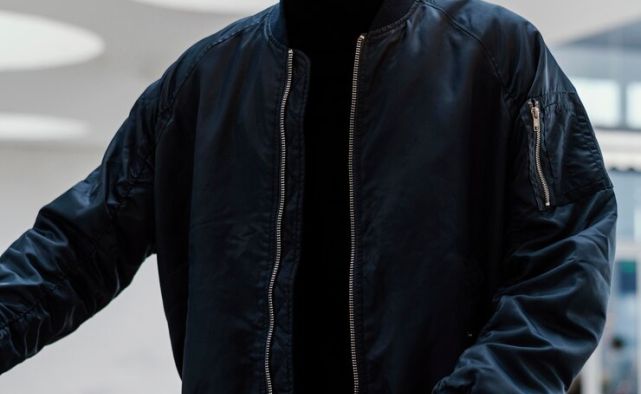
Good outerwear protects you from bad weather and lifts every outfit underneath it, day after day, all season long. A trench suits spring and autumn, a leather jacket adds edge all year, and a warm parka keeps winter mornings comfortable
12. Casual Button-Up Shirt
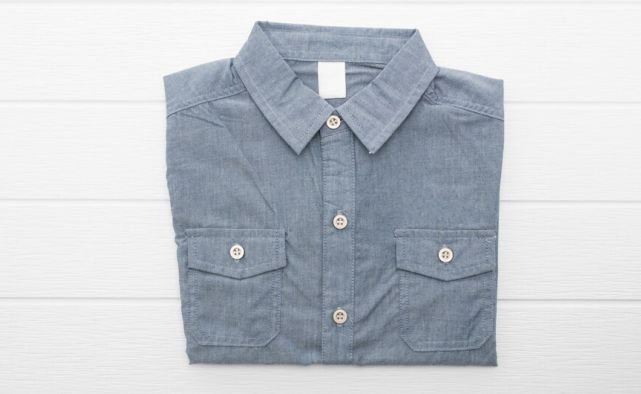
A casual button-up sits neatly between formal and relaxed, making it ideal for brunches and informal work meetings. Choose light cotton for warm weather and flannel or chambray for cool days, then roll the sleeves for an easy, relaxed look.
13. Neutral Colored Sweater
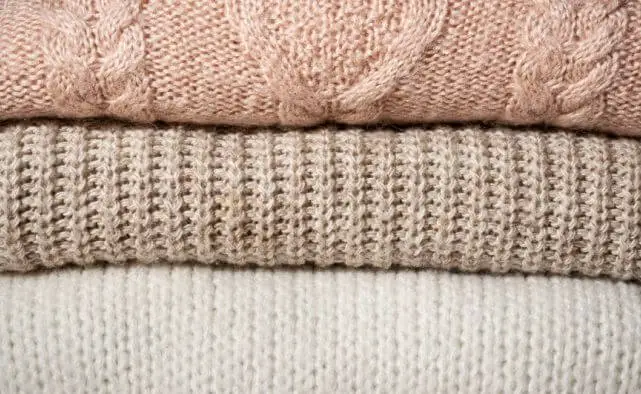
A gray, beige, or navy sweater adds warmth and depth to outfits from early autumn through late spring. Crew necks feel timeless, V-necks layer neatly over collared shirts, and cardigans give you a relaxed option worn either open or buttoned.
14. Formal and Casual Watch
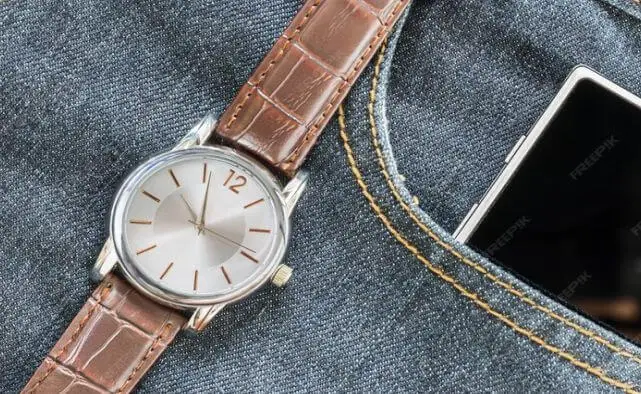
A good watch finishes an outfit and quietly reflects your personal taste every single time you wear it. Leather straps suit formal events, steel bracelets move easily from day to night, and sports watches handle active weekends with complete ease.
15. Grooming Tools and Products
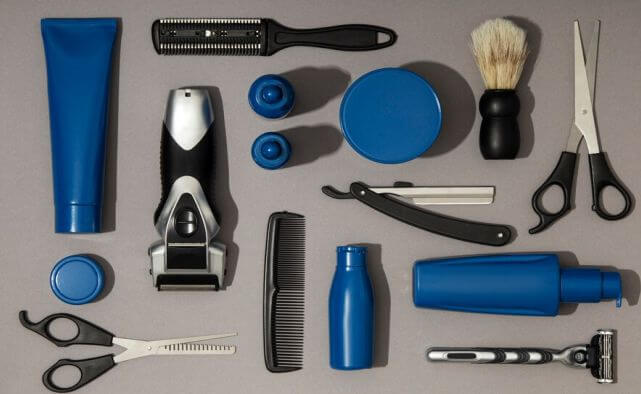
Sharp clothes need a well-kept face and tidy hair to match, so grooming matters just as much as good clothing. Choose a razor that suits your skin, keep a trimmer for your beard, and use simple hair products you trust.
16. Ties
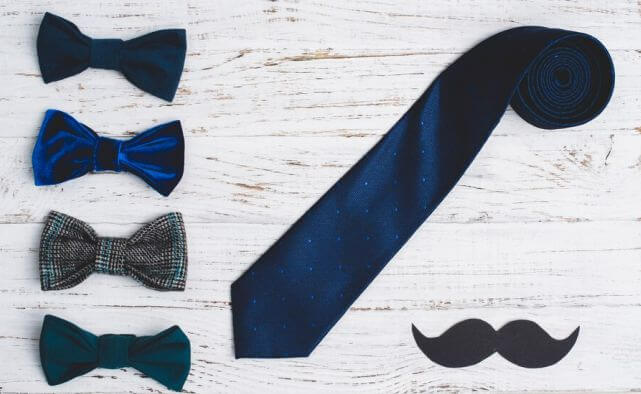
A good tie lifts a plain suit or shirt for business meetings, weddings, and other special family events. Start with silk ties in navy, burgundy, or black, match the width to your lapels, and store them carefully rolled between uses.
17. Sportswear or Gym Clothes
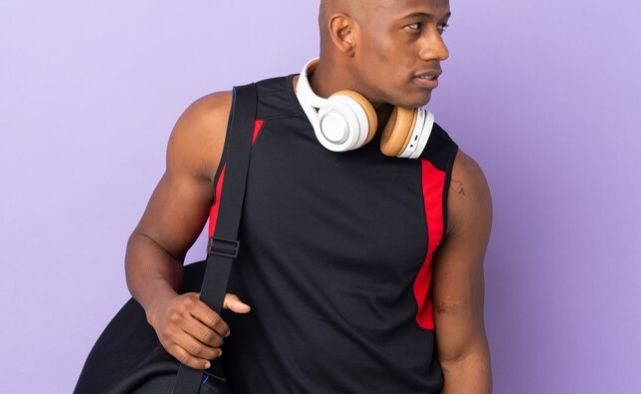
Good gym clothes keep you comfortable and dry while you train hard or relax on quiet weekends at home. Invest in supportive training shoes, moisture-wicking tees, stretchy shorts or joggers, a light jacket, and a warm hoodie for after training.
18. Swimwear: Essential Styles for Every Man
Swim trunks sit shorter and closer for swimming laps, while longer board shorts suit surfing and casual beach games. Choose quick-drying polyester or nylon with a secure waistband, and keep a tee, sandals, and sunglasses close by for later on.
19. Men’s Essential Accessories

Sunglasses, a wallet, and a backpack add real personality while doing useful jobs for you every single day. Pick classic sunglasses with UV protection, a dark leather wallet, and a canvas or leather backpack that suits both work and weekends.
Seasonal Essentials for Men’s Capsule Wardrobe
Adapting a man’s capsule wardrobe to different seasons is a needed practice that improves both style and functionality.
Each season presents unique weather conditions and lifestyle changes that necessitate the thoughtful selection of clothing.
A carefully curated collection of wardrobe essentials enables men to remain comfortable and stylish year-round.
Spring: Embrace Lighter Fabrics
As the weather warms up, it’s time to swap out heavier clothes for lighter fabrics. Cotton shirts and breathable chinos offer comfort while maintaining a sharp appearance.
A lightweight jacket or bomber is perfect for cooler spring evenings, making it an essential transitional piece.
Summer: Stay Cool and Stylish
In the summer heat, fabrics like linen and seersucker are ideal for keeping cool. Short-sleeve shirts and tailored shorts ensure both comfort and style.
Don’t forget accessories such as sunglasses and sun hats for sun protection and a polished look.
Loafers or stylish sandals provide breathable footwear for the season.
Fall: Layer Up for Comfort
Fall calls for layering, with sweaters, vests, and long-sleeve shirts adding versatility to your outfits.
A pair of sturdy boots will keep you stylish and comfortable in unpredictable weather.
Neutral tones are popular in fall wardrobes, making it easy to mix and match pieces.
Winter: Focus on Outerwear
In winter, invest in quality outerwear such as a tailored wool coat or overcoat for warmth and elegance.
Accessories like scarves, gloves, and thermal undergarments are key for layering effectively and ensuring comfort in colder temperatures.
Maintaining and Updating Your Capsule Wardrobe
A well-curated men’s capsule wardrobe is a cornerstone of style and functionality. Maintaining it requires attention to detail and a proactive approach to care and updates.
Proper Care for Longevity
To ensure the longevity of your wardrobe, follow proper care instructions.
Regular washing and careful handling can extend the life of garments. For instance, washing clothes in cold water and air drying when possible reduces excessive wear and tear.
Additionally, invest in suitable storage solutions, such as padded hangers for delicate items and breathable garment bags, to protect your wardrobe from damage.
Periodic Evaluation
Periodically assess your wardrobe every few months to reflect changes in your style or lifestyle.
Factors like shifting professional requirements, evolving social engagements, or seasonal transitions may influence your wardrobe needs.
Remove pieces you no longer wear or that no longer suit your lifestyle to maintain a clutter-free collection. Monitoring frequently used items can also guide future purchases.
Thoughtful Updates
Updating a capsule wardrobe doesn’t require a complete overhaul. Instead, add a few key pieces that enhance your collection.
Focus on items that complement existing colors and styles, maximizing versatility.
Go for durable fabrics and timeless designs to align with a sustainable fashion approach.
Frequently Asked Questions
How to put together a capsule wardrobe for men?
Select versatile, high-quality essentials in neutral colors, focusing on timeless styles that suit your lifestyle and personal preferences.
What is a 10-item capsule wardrobe?
A collection of ten versatile, high-quality wardrobe essentials designed to mix and match for effortless, minimalist, and stylish dressing.
What is the 333 capsule wardrobe method?
Wear 33 clothing items for three months, excluding undergarments and accessories, focusing on versatility, minimalism, and decluttered living.
How many items are in a men’s capsule wardrobe?
Typically 25–50 items, including clothing, shoes, and accessories, balancing minimalism with enough options for various occasions.
Conclusion
Building a men’s capsule wardrobe is about curating a collection of timeless, versatile, and high-quality pieces that suit every occasion.
From classic white shirts to tailored suits and crisp white sneakers, these essentials ensure you are always stylish with minimal effort.
Thoughtful layering and accessorizing amplify your look, offering endless possibilities.
Prioritize fit, fabric, and durability to maintain a wardrobe that reflects personal style while providing long-term value.
A well-crafted capsule wardrobe not only simplifies your daily choices but also boosts your confidence and ensures you’re ready for anything life brings.
References:
- https://mensfashioner.com/articles/ultimate-guide-to-mens-year-round-minimalist-capsule-wardrobe
- https://www.josephturner.co.uk/customer/pages/about/creating-a-capsule-wardrobe-for-men
- https://www.dailysoapdrama.com/fashion/capsule-wardrobe-men
- https://www.gazman.com.au/blogs/journal/how-to-build-a-capsule-wardrobe-for-men
- https://www.apetogentleman.com/modern-mens-wardrobe-essentials/
- https://hespokestyle.com/essential-capsule-wardrobe-menswear/?srsltid=AfmBOorFpff6Nx0SsoRlp2iGSMyZM9cGok-_IVM8e2t3xn3t9VdH5Ug4
- https://www.zuclothing.com/blogs/blogs/embrace-capsule-wardrobe-for-men

Pyo Merez is a 45-yeard old husband, father, and a chemical engineer by profession and the founder of Gentsways, a men’s lifestyle site built in honour of his father, Dee Clement. He has been writing about men’s development, style, and character through his father’s lens since 2021, drawing on lived experience, his father’s example, and research from reputable publications. He is not a certified trainer or therapist; where fitness or health topics require it, articles are reviewed by qualified contributors.