Most men treat etiquette, fatherhood, masculinity, relationships, and hobbies as separate topics, when they are actually the same question asked five different ways: what kind of man do you want to become, and how do you carry that into daily life.
Gentsways is built around six areas of a man’s life, and this page is the anchor for all of them.
Style, grooming, health, personal development, and the specific challenges of aging past 50 each get their own dedicated guide, linked below.
What lives here is the rest of it: etiquette, fatherhood, masculinity, relationships, and hobbies, the parts of being a man that clothing and grooming cannot touch, followed by a look at how the idea of manhood itself has changed across history.
Table of Contents
What Men’s Lifestyle and Culture Actually Means
Manhood has never been one fixed thing. It has been rewritten by every era that needed something different from its men, and a quick look at that history explains why modern masculinity feels contested today.
Medieval knights operated under a chivalric code built between the 11th and 12th centuries, prizing honor, courtesy, and protection of the weak.
Historians are blunt about the gap between that ideal and reality: chivalry mostly governed how nobles treated other nobles, and did little to restrain the violence knights inflicted on ordinary people, according to History.com’s account of the code’s origins.
By the Victorian era, the definition shifted again. Being a “gentleman” no longer required noble blood.
It required income earned without manual labor and, increasingly, manners and self-control rather than lineage, according to Britannica’s history of the term.
That same era also taught men to keep private struggles hidden behind a composed public face.
Industrialization pushed the provider model further, measuring a man’s worth by what he brought home rather than what he felt while earning it.
The postwar decades pushed that model to its peak, then the counterculture of the 1960s and 1970s pushed back hard against it, treating open emotion and rejection of corporate conformity as a direct challenge to the idea that manhood meant silence and a paycheck.
That redefinition is still underway. Men have opened up to appearance, health, and emotional literacy once coded as off-limits.
The data shows a real cost to resisting that shift: men who hold the strongest traditional beliefs about masculinity are about half as likely to seek preventive health care as men with more flexible views, according to the American Psychological Association’s coverage of that research.
The throughline across every era is the same.
The healthiest version of manhood was never the most rigid one. It was the one flexible enough to hold both strength and honesty at once.
The Six Pillars of Modern Gentleman Life
Gentsways is built around six areas. Five of them have their own complete guide, linked below, each covering a specific part of how a man presents himself and builds his life.
The sixth is this one, covering the parts that clothing and grooming cannot touch.
Style and Fashion
Fit, color, fabric, and building a wardrobe that works across your whole week are the foundation of this pillar.

It covers everything from the difference between slim and relaxed cuts to which colors actually pair well together, so you stop guessing every time you get dressed.
The goal is a closet that moves from a Tuesday desk day to a Saturday dinner without forcing you to buy five different outfits for five different moods.
Start with the complete Style and Fashion guide.
Grooming
Skincare, haircuts, beard care, and the daily habits that keep you looking sharp make up this pillar.
It walks through building a routine that fits your actual schedule, not a twelve-step regimen you will abandon by the second week, along with how to adjust that routine as your skin and hair change with age.
Good grooming is not about vanity. It is about walking into any room having already handled the basics, so your appearance never becomes the thing people notice first.
Start with the complete Grooming guide.
Health and Wellness
Fitness, nutrition, sleep, and the physical and mental habits that keep you strong sit at the center of this pillar.

It covers building a workout routine you will actually stick with, eating in a way that supports energy rather than restriction, and treating sleep and stress management as seriously as time in the gym.
None of the other five pillars matter much if you do not have the energy or health to use them, which is why this one underpins everything else on the site.
Start with the complete Health and Wellness guide.
Personal Development
Mindset, career growth, financial literacy, and building a life with actual direction make up this pillar.
It covers setting goals that hold up past the first week of motivation, developing the confidence and communication skills that open doors professionally, and building financial habits that give you real choices instead of constant pressure.
The throughline is intention: making decisions on purpose instead of drifting from one year into the next without a clear sense of where you are headed.
Start with the complete Personal Development guide.
Older Men
The specific challenges and opportunities that come with aging past 50 fill this pillar, covering style, fitness, dating, grooming, and mindset through a lens built specifically for this stage of life rather than repurposed advice meant for men half your age.
It addresses what actually changes physically and socially after 50, and how to keep building rather than coasting through the decades ahead.
None of it gets less important with age. It just looks different than it did at 30, and deserves guidance written for exactly where you are now. Start with the complete Older Men guide.
Lifestyle and Culture
This is the sixth pillar, and the one this page owns directly. It covers etiquette, fatherhood, masculinity, relationships, and hobbies, the character-driven side of manhood that the other five pillars build on top of.
Where the other guides shape how you look, move, and grow professionally, this one shapes how you treat people, show up for your family, and spend the hours nobody is grading you on.
It is the foundation the rest of the site assumes you are already working on, which is exactly why it gets covered here in full.
Etiquette, Fatherhood, Masculinity, Relationships, and Hobbies
Each of these deserves its own full reading, not a summary competing with it. Here is what each one covers and where to go deeper.
Etiquette and Manners
Etiquette and manners decide whether the people around you feel respected in your presence, whether that is at work, while traveling, or meeting someone for the first time.
It shows up in small things: holding eye contact without staring, listening without interrupting, treating service staff the same way you treat your boss.
See professional and business etiquette, travel etiquette, and what makes a gentleman for the specifics.
Fatherhood
Fatherhood looks different for this generation than it did for the last one, and presence matters more than perfection at every stage of it, whether you are preparing for a first child, raising kids alone, or becoming a father later than most.
See what my gentleman father taught me about being a man. Also see how men should prepare for fatherhood and becoming a single dad.
Masculinity
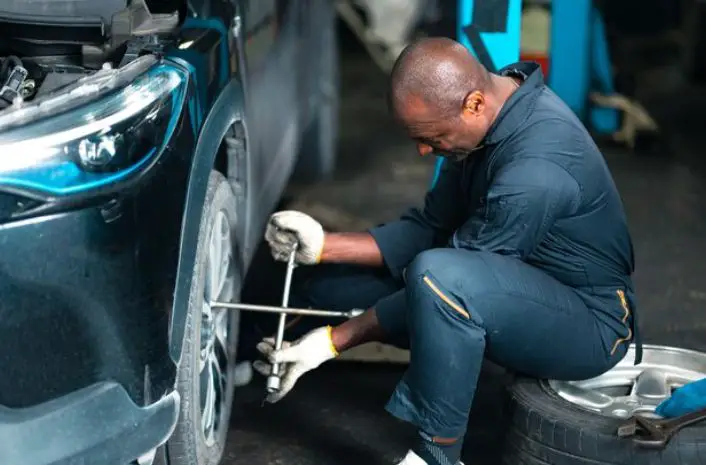
Masculinity keeps shifting with the times, and the history above explains why: the healthiest version has always been the flexible one, not the rigid one.
Our full guide on what masculinity actually means goes deeper into where that line sits today.
Relationships

Relationships shape your happiness, mental health, and sense of purpose more than almost anything else covered on this site, whether that is a partner, family, friends, or coworkers.
Trust and consistency decide whether any of those connections last. See our full guide on men and relationships.
Hobbies and Leisure
Hobbies and leisure build a life outside work worth having, not a distraction from a well-lived one.

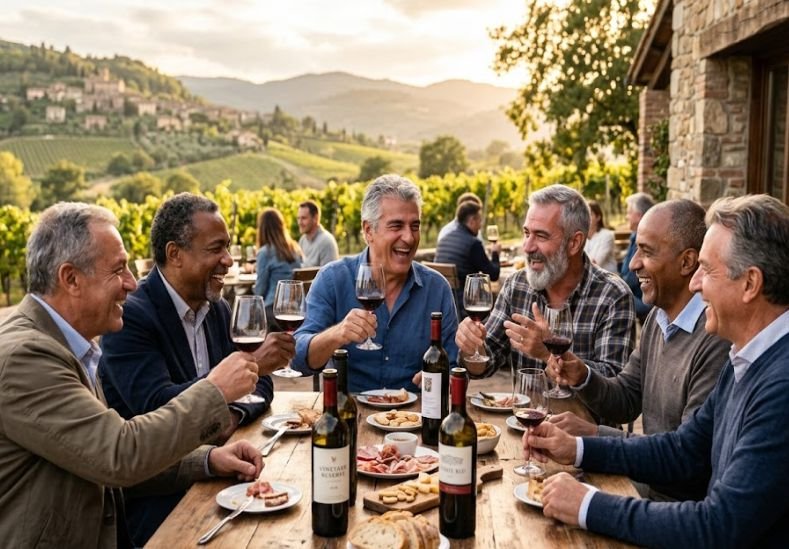
See our full guide on hobbies for men, including specific interests like wine appreciation and travel.
Conclusion
Manhood has been rewritten by every generation that came before this one, from medieval knights to Victorian gentlemen to industrial providers, and the healthiest version was never the most rigid one.
This page is the anchor for that idea across six areas: style, grooming, health, personal development, older age, and the character-driven side covered here directly, etiquette, fatherhood, masculinity, relationships, and hobbies.
Start with whichever pillar matches where you are right now, and follow the deeper guide linked under it.
Frequently Asked Questions
How has the idea of manhood changed throughout history?
Manhood shifted from medieval honor codes, to Victorian restraint, to industrial-era stoicism, to today’s more open blend of strength and emotional honesty.
Was medieval chivalry as noble as it sounds?
Not entirely. Historians note chivalry mostly governed how knights treated other nobles, doing little to protect ordinary people from the same violence.
What made someone a “gentleman” in the Victorian era?
Income earned without manual labor, combined with manners and self-control, replaced noble bloodline as the defining requirement during the Victorian period.
Is traditional masculinity harmful to men?
Rigid adherence to traditional masculine norms is linked to lower rates of preventive health care and help-seeking, according to research reviewed by the American Psychological Association.
What does this page actually cover versus the other five guides?
This page covers etiquette, fatherhood, masculinity, relationships, and hobbies. Style, grooming, health, career, and aging each have their own full guide.
Where should I start if I’m not sure which section applies to me?
Start with whichever topic matches your current situation, fatherhood, relationships, or finding a hobby, then read the history section for the wider context behind it.