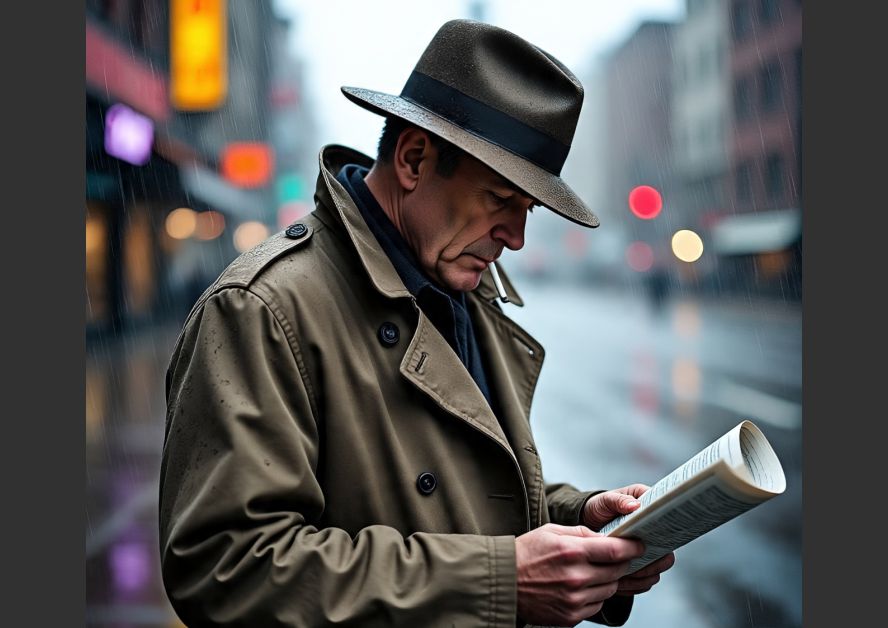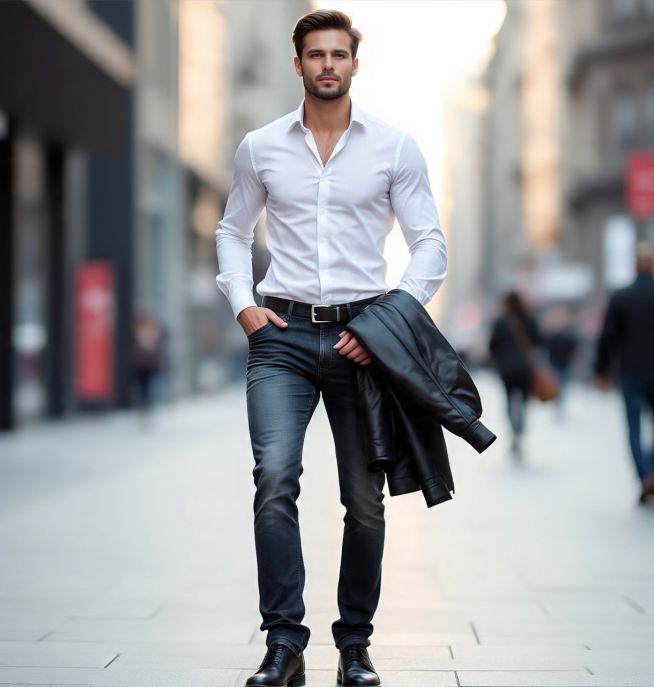
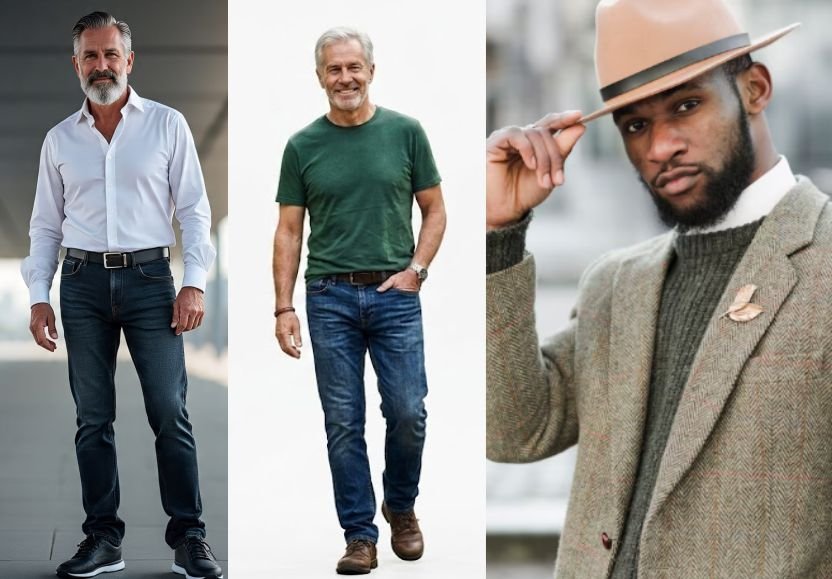
People decide what kind of man you are before you say a single word, based almost entirely on what you are wearing, and most men never learn the handful of rules that actually control that impression.
Observers form judgments about a stranger’s competence and trustworthiness within seconds of seeing them, based heavily on clothing, according to research published in the Journal of Fashion Marketing and Management and summarized by Psychology Today.
My own father never followed a single rule from a guide like this one. He dressed modestly and never talked about fit or silhouette.
But he knew which colors belonged together, could spot good leather from across a room, and reached for fabric that leaned formal without ever needing to explain why.
That was enough foundation for me.
This guide covers the actual foundations, fit, color, fabric, and body type, then builds outward into wardrobe staples, style types, occasion dressing, and seasonal adjustment, so you build that same instinct instead of memorizing rules you’ll eventually outgrow.
Table of Contents
What Men’s Style and Fashion Actually Means
Fashion and style get used interchangeably, but they are not the same thing.
Fashion is what the industry is producing this season, driven by trends, designers, and pop culture. It changes constantly and dates quickly.
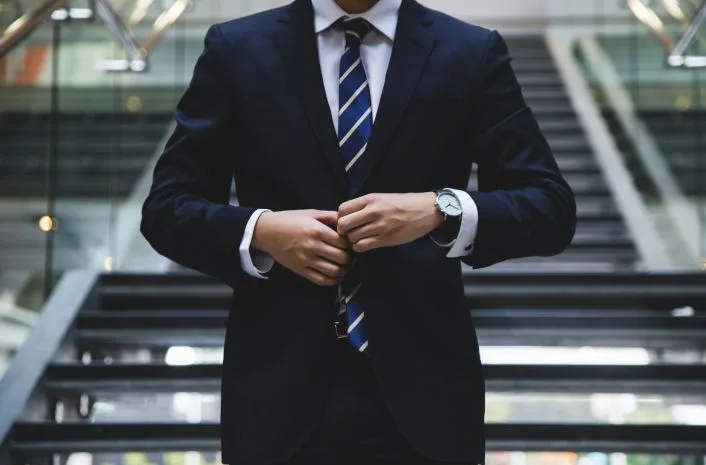
Style is what you keep after the trend leaves. It is the personal, repeatable way you choose to dress, built on your own proportions, coloring, and taste rather than whatever is currently popular.
A man with real style barely notices when a trend disappears, because his wardrobe was never built around it in the first place.
Core Foundations of Men’s Style
Every outfit, no matter the occasion, is built on the same four decisions: fit, color, fabric, and how well the first three account for your actual build.
Fit Is Everything
Fit decides more about how an outfit reads than the price tag ever will.
Slim fit follows your body line closely, regular fit gives balanced ease, and oversized fit adds volume for a relaxed or layered look.
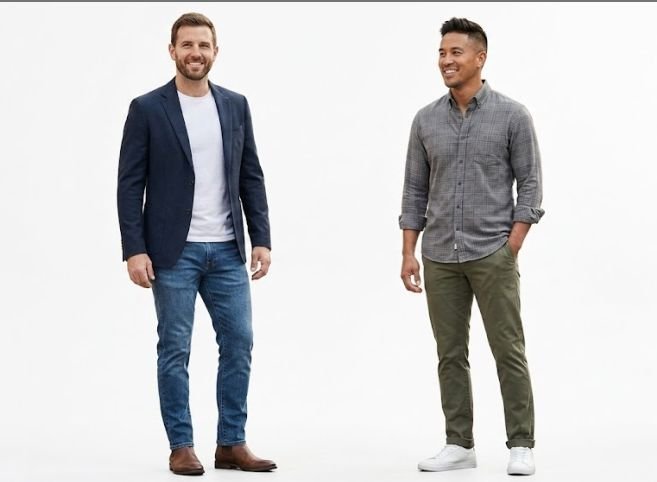
Shoulders should sit flat without drooping, the waist should follow your natural line without pulling, and trousers should fall cleanly without bunching at the ankle.
Getting this wrong is also the most common reason clothing gets returned.
A McKinsey analysis found that 70 percent of online fashion returns trace back to fit and sizing problems, not a change of heart about the item.
For a full breakdown of how clothing should actually sit on your frame, see our guide on how men’s clothing should fit.
Color Theory for Men
Color sets the tone of an outfit before anyone reads the details.
Neutral basics- black, white, navy, and gray form the foundation of a working wardrobe, and for good reason: neutrals remain the top color choice among US apparel shoppers by a wide margin, according to Statista’s consumer color survey.
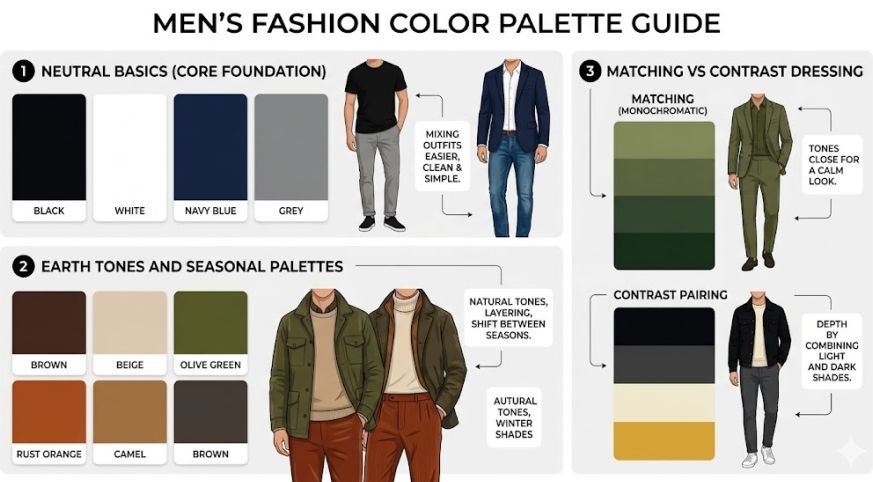
Earth tones, brown, olive, beige, and rust, add warmth and shift easily across seasons.
Matching keeps an outfit calm, while contrast pairing adds depth by combining light and dark shades deliberately rather than by accident. See our full color guide for pairing specifics.
Fabric and Material Awareness
Fabric changes how an outfit performs throughout the day, not just how it looks.
Cotton works for daily wear, denim adds structure, wool brings warmth, linen handles heat, and synthetic blends add stretch or performance.
Choosing the right fabric for the setting affects comfort and how polished the finished outfit actually looks by the end of a long day.
Dressing for Your Build
Clothing sits differently depending on your frame, and choosing pieces that support your actual proportions avoids the awkward, ill-fitting look that mismatched sizing creates.
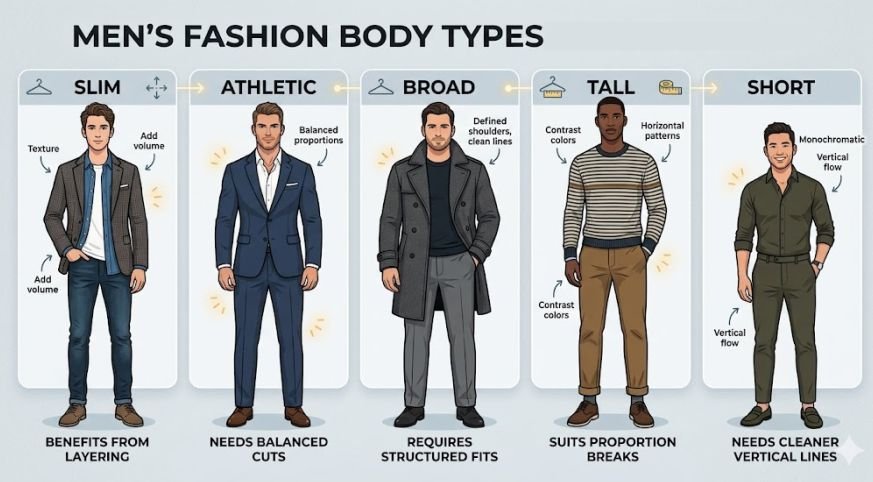
Slim builds benefit from layering for added dimension, athletic builds need balanced cuts through the shoulder and thigh, broader builds need structured tailoring, taller builds suit a defined proportion break, and shorter builds do best with cleaner vertical lines.
Proper jacket length, trouser break, and sleeve fit all support balance, while oversized bulk or the wrong hem length works against it.
Read the full guide on men’s fashion according to body type.
Building a Wardrobe That Works
A working wardrobe is built on reliable pieces that carry you across multiple settings, so getting dressed stops requiring a decision every single morning.
Tops
Basic tees, Oxford shirts, and polo shirts cover nearly every casual-to-smart occasion between them.
Plain tees in neutral tones give you layering flexibility under a jacket or worn alone.
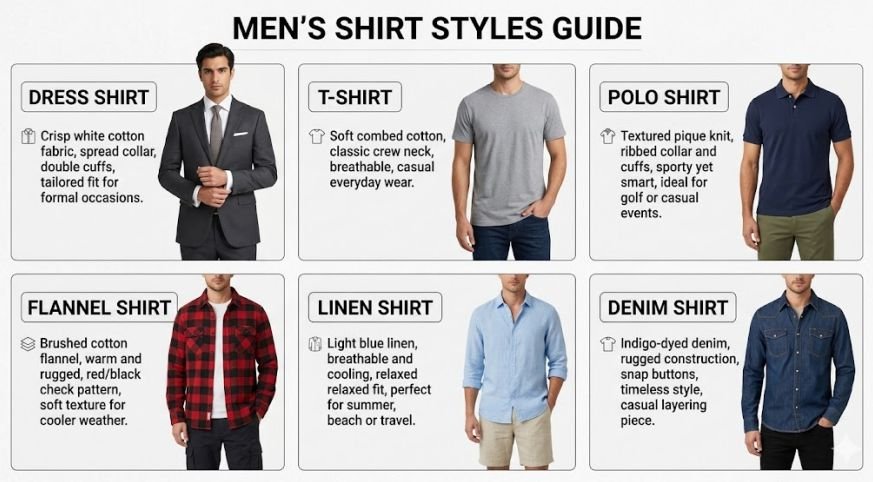
Oxford shirts sit at the smart-casual line, structured enough for a clean look but relaxed enough for daily wear with jeans or chinos.
Polo shirts land between casual and semi-formal, adding a collar detail that reads sharper than a tee without tipping into dressy. Read the full guide to men’s shirts for the complete breakdown.
Bottoms
Denim, chinos, and tailored trousers each set a different tone. Denim shifts from sharp to laid-back depending on the wash and cut.
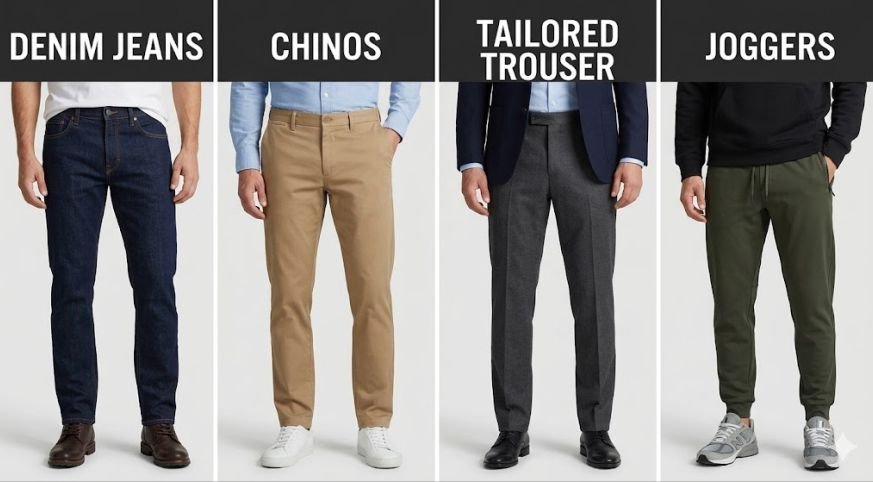
Chinos offer a cleaner, more versatile alternative to denim in neutral shades like beige, olive, and navy, and work across more occasions than any other single pair of pants you own.
Tailored trousers add structure and lean closer to formal dressing while still pairing well with a casual top for contrast.
Read the full guide on men’s pants/trounsers guide.
Outerwear
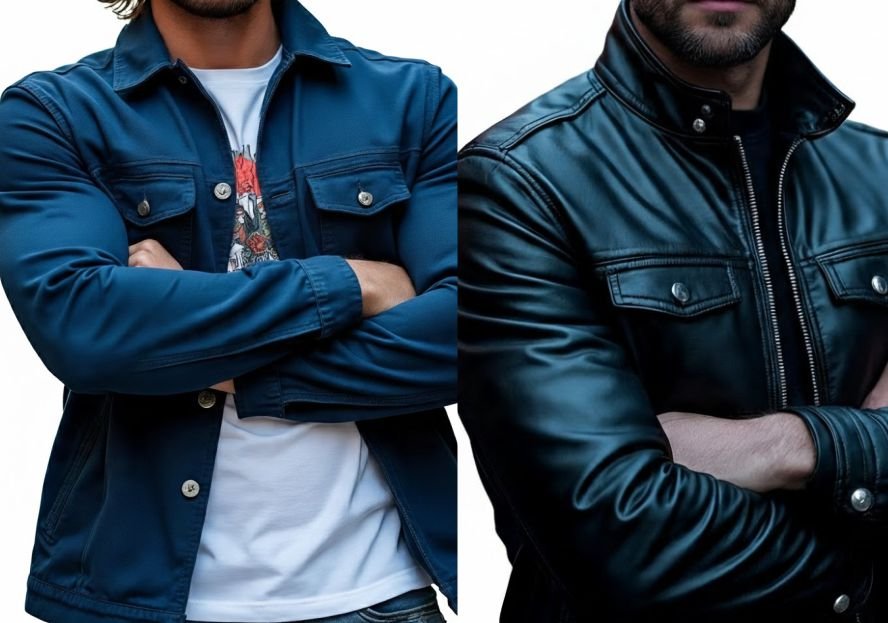
Leather jackets add edge for a casual look. Blazers bring instant polish to even a simple shirt-and-tee combination.
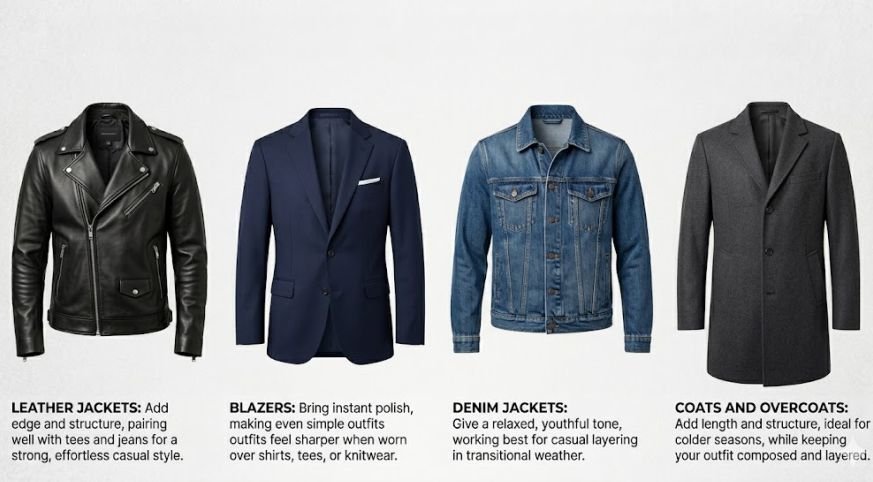
Denim jackets keep things youthful for transitional weather.
Coats and overcoats add structure and warmth for colder months while keeping the outfit composed. See the full outerwear guide for seasonal specifics.
Footwear
Sneakers keep an outfit relaxed and modern. Loafers add polish without tipping into full formal.
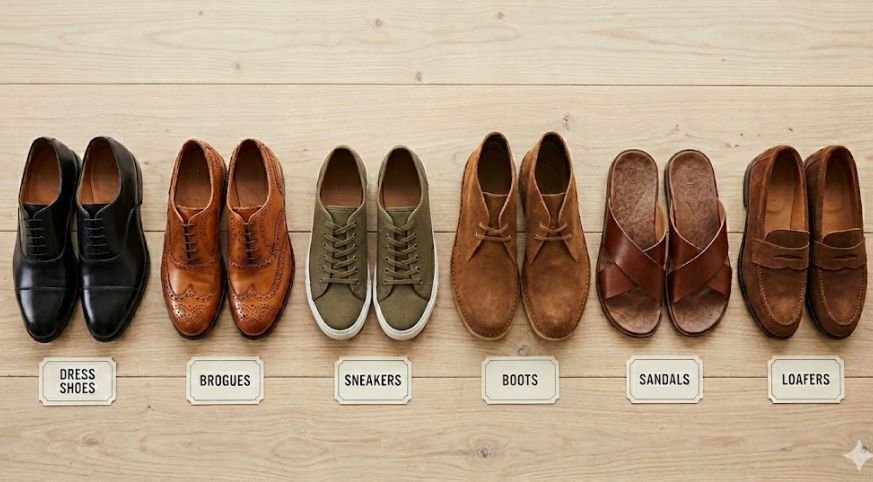
Boots bring durability and character, especially in colder or rugged settings.
Dress shoes complete a formal outfit with clean, tailored lines.
See the complete guide to men’s shoes for pairing details by outfit type.
Accessories
Watches, belts, bags, and minimal jewelry finish an outfit without overwhelming it.
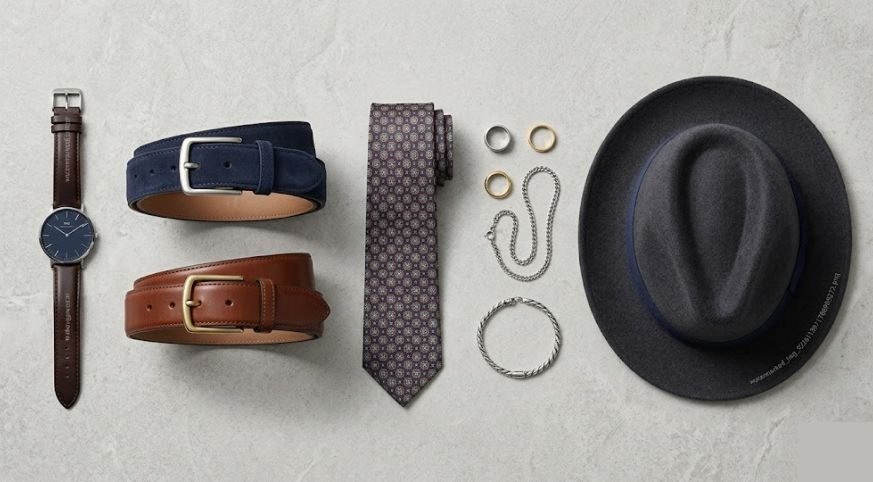
A watch acts as a subtle focal point across both casual and formal looks.
A belt should generally match your shoe color or leather tone.
Bags add practicality and structure depending on your daily needs.
See the full accessories guide for more detail on each category.
Men’s Style Types
Recognizing which style direction your wardrobe naturally leans toward gives you a clearer sense of what to buy and how to combine it.
Streetwear
Streetwear leans on oversized tees, hoodies, cargo pants, and sneakers, built for comfort and everyday movement rather than tailoring.
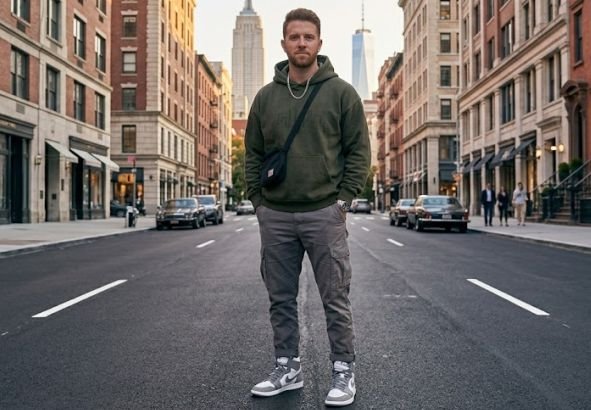
The palette stays neutral or muted, black, gray, white, and washed earth tones, so pieces mix easily across outfits.
Layering, bold or minimal graphics, and a relaxed silhouette look its youthful, street-inspired edge, and it works best for casual days rather than any setting that calls for structure.
Smart Casual
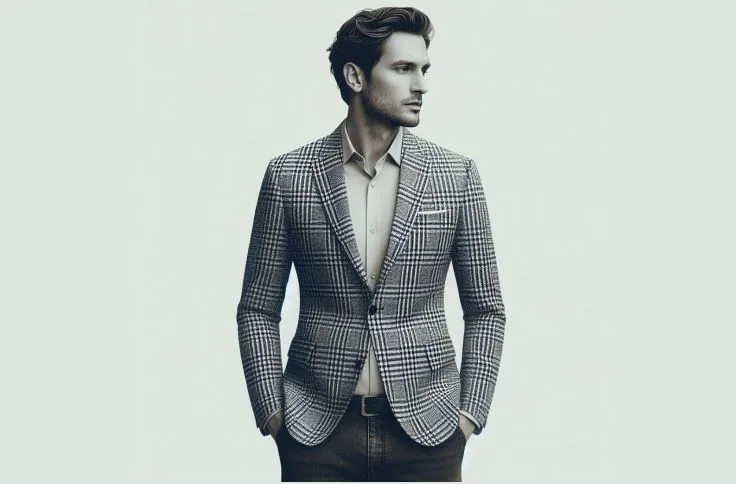
Smart casual mixes shirts, chinos, blazers, and loafers into a look that sits cleanly between relaxed and formal, making it the most flexible category on this list.
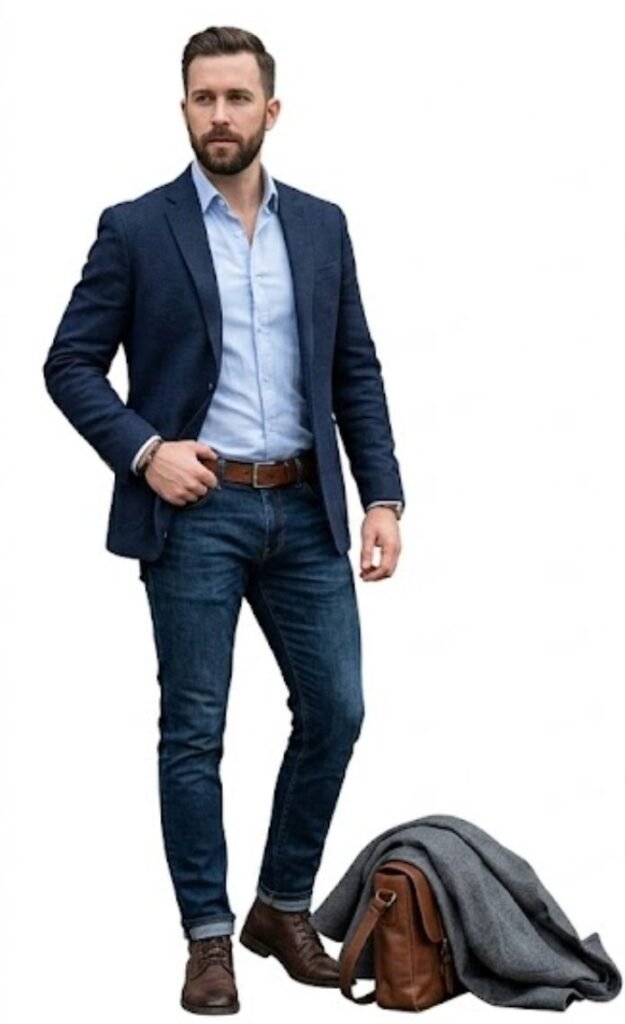
The palette favors navy, beige, white, and soft grays, colors that pair easily with almost anything else in a working wardrobe.
This is the style most business casual offices and casual client meetings actually call for, since it reads as put-together without tipping into full formal.
Business Formal
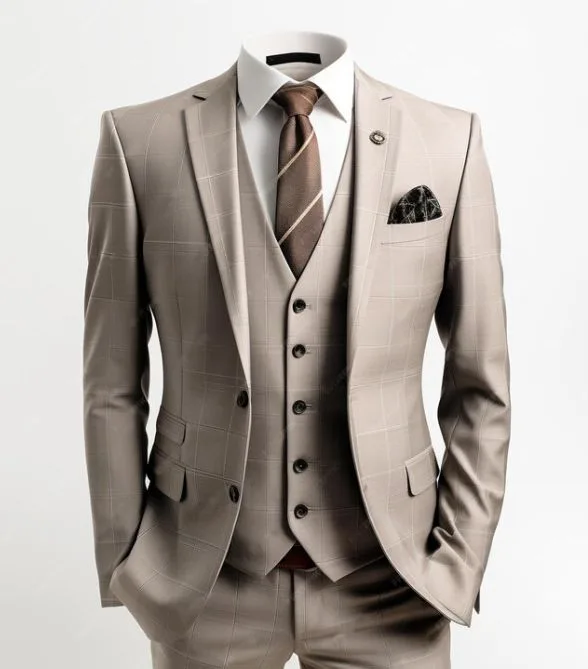
Business formal relies on tailored suits, dress shirts, ties, and polished shoes, built specifically for the office and other professional settings.
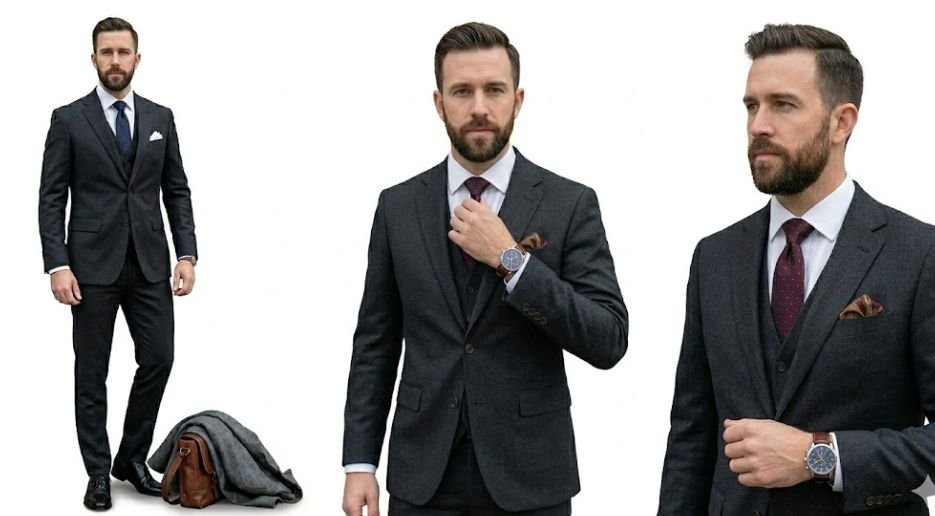
The palette stays conservative, charcoal, navy, black, and white, communicating precision and respect for the environment rather than personal expression.
Fit matters more here than in any other category, since a poorly tailored suit undercuts the entire point of dressing formally in the first place.
Formal and Black Tie
Formal and black tie calls for tuxedos, bow ties, and formal dress shoes, reserved specifically for weddings, galas, and events with an explicit black-tie dress code rather than everyday business wear.
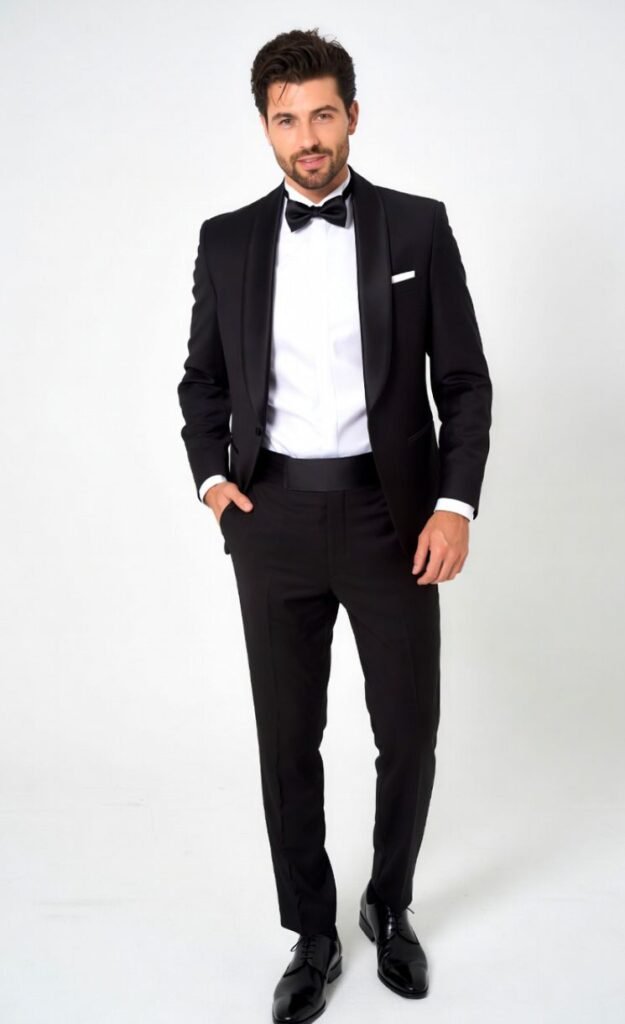
The palette stays strict, black and white, with little room for deviation.
Read more on tie etiquette guide for black-tie events for neckwear specifics, including when a bow tie is expected instead of a standard necktie.
Minimalist
Minimalist style reduces the wardrobe to fewer, higher-quality, interchangeable pieces rather than a large rotation of one-off items.
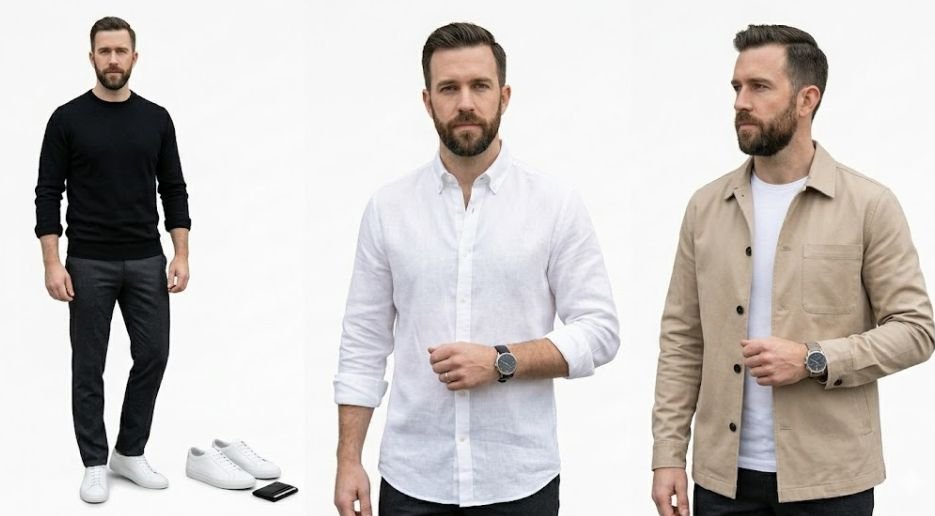
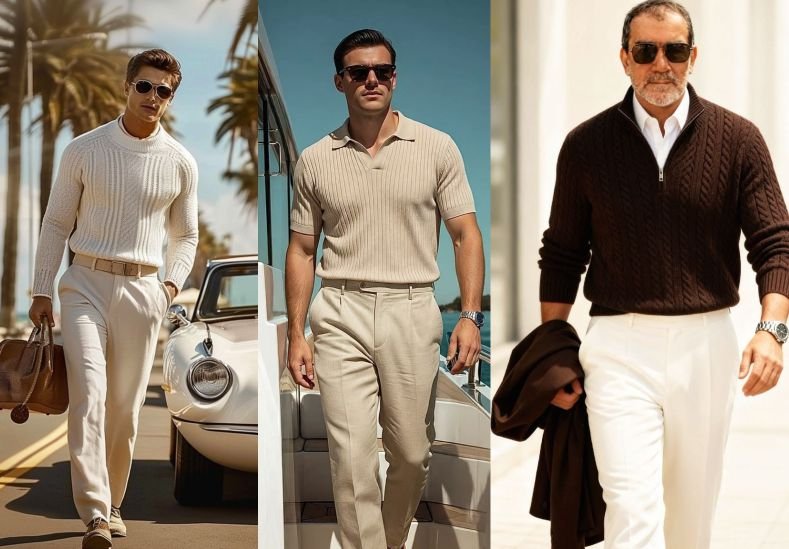
The palette stays close to monochrome, white, black, beige, and soft gray, so everything mixes without friction.
The goal is a wardrobe with less decision-making built in, where any top pairs cleanly with any bottom, and quality replaces quantity as the guiding principle behind every purchase.
Vintage and Retro
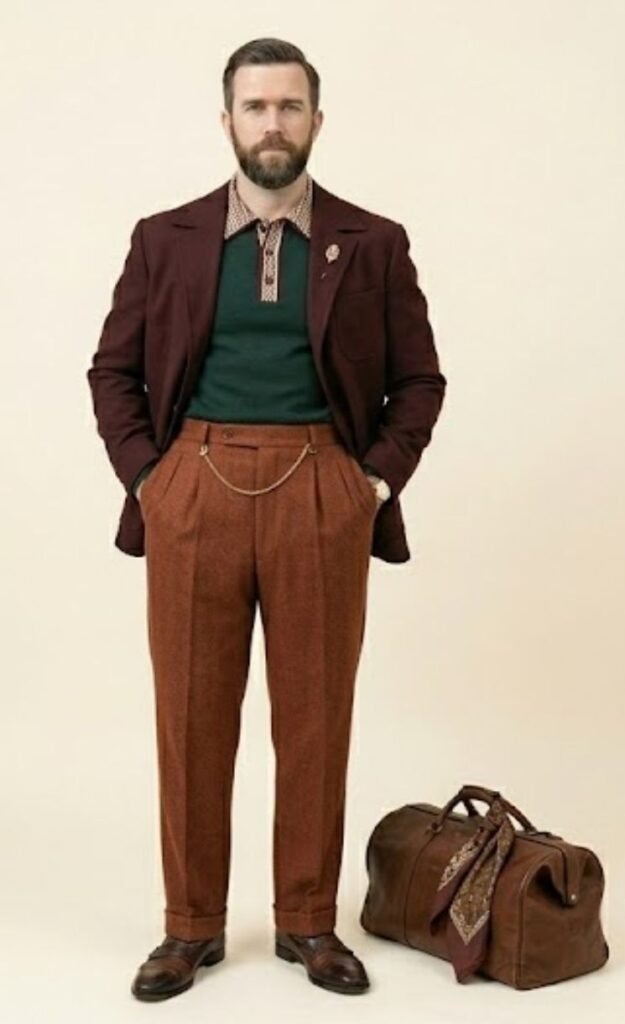
Vintage and retro style draws inspiration from past decades, blending classic silhouettes and patterns into outfits that still feel wearable today.
Poetcore
Poetcore style draws on literary and artistic influence, favoring layered textures, relaxed tailoring, and expressive silhouettes over sharp, structured lines.
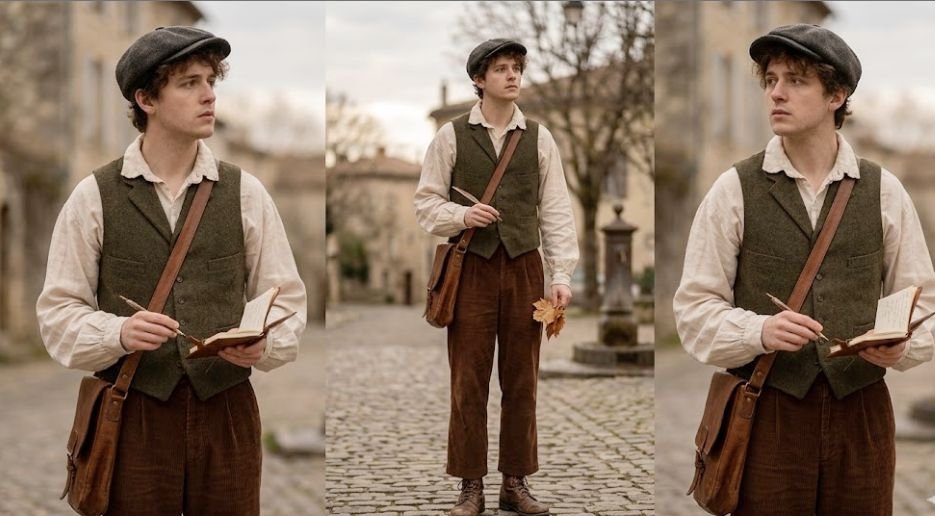
Wool coats, knitwear, linen shirts, loose trousers, and worn leather boots make up the core pieces, paired with an earthy palette of brown, cream, olive, burgundy, and muted neutrals.
The look reads as reflective and creative rather than polished, suited to a man who wants his wardrobe to feel considered without looking overly deliberate.
High-waist trousers, patterned shirts, loafers, and denim jackets anchor the look, paired with warm browns, mustard, olive, and faded tones that echo earlier eras.
Done well, it reads as nostalgic without slipping into costume, which is the line that separates a genuine retro outfit from a themed one.
Quiet Luxury and Old Money
Quiet luxury and old money styles prioritize premium fabric and precise tailoring over visible branding or logos.
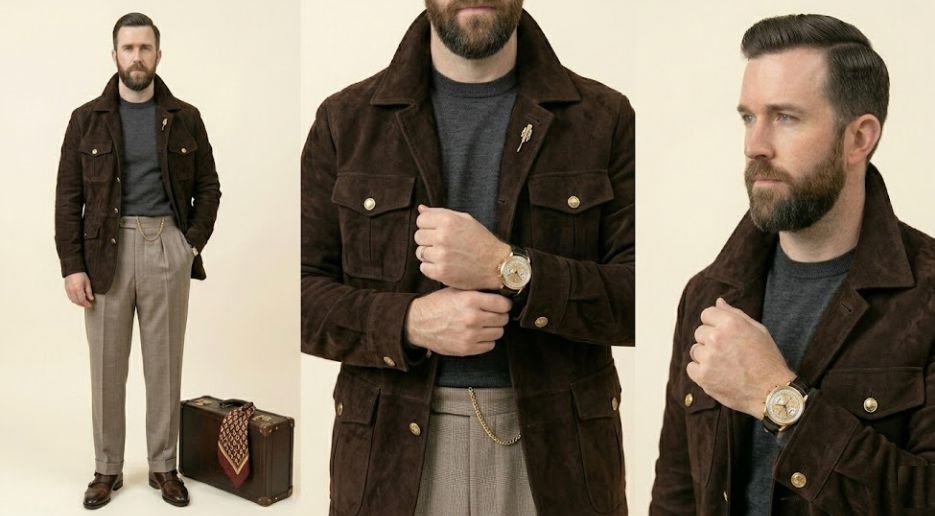
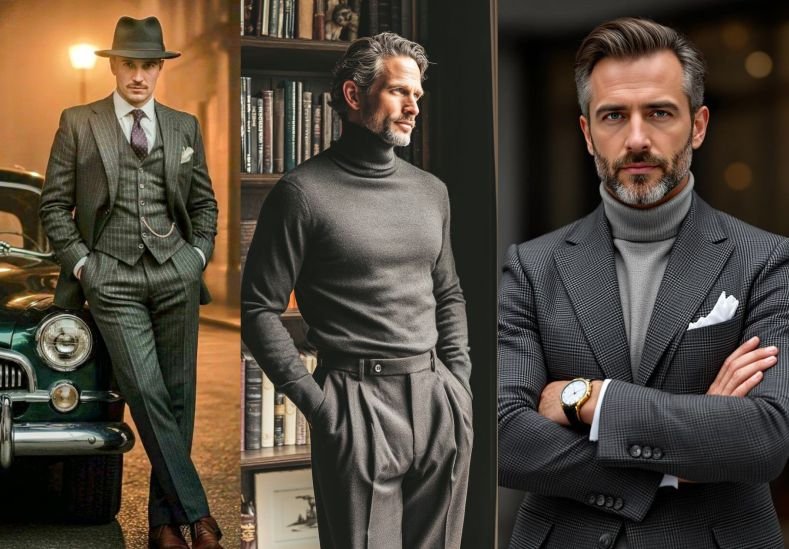
Tailored suits, cashmere knits, leather shoes, and structured coats define the category, kept deliberately understated in muted black, navy, cream, and deep neutral tones.
The appeal here is restraint: the quality is meant to be felt in the fit and fabric rather than announced through a recognizable label.
See more on the quiet luxury style.
Athleisure
Athleisure blends athletic pieces- joggers, fitted tees, sneakers- with everyday comfort and mobility, built for a schedule that moves between the gym and casual errands without a wardrobe change in between.
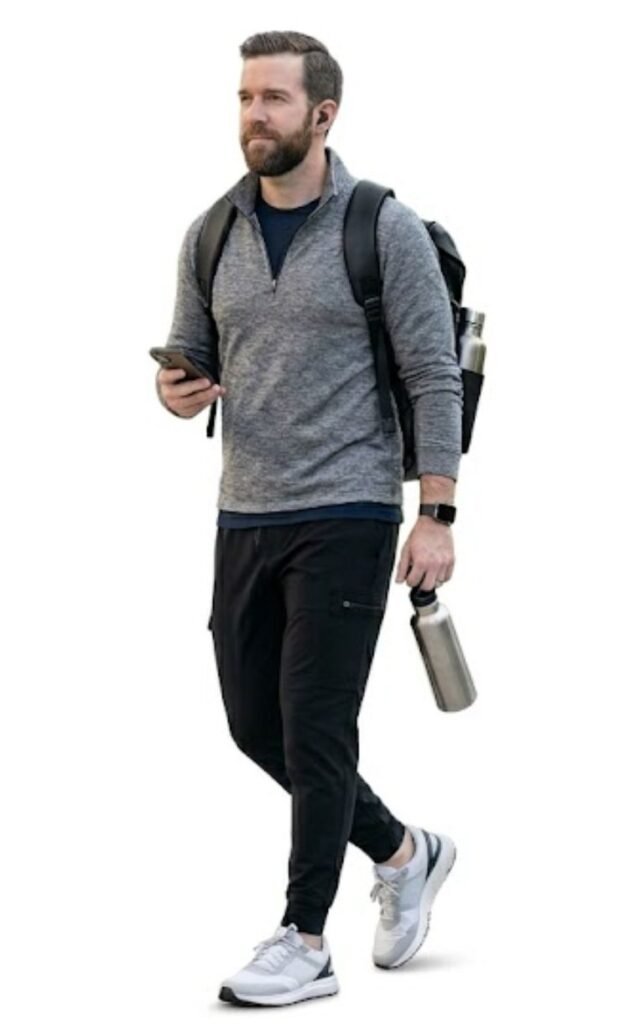
The palette stays simple: black, gray, white, with occasional bold accents for contrast.
It works well for travel days and relaxed weekends, though it reads too casual for business or formal settings.
Edgy or Urban
Edgy or urban style leans on dark tones, leather, and strong silhouettes to create a confident, street-inspired look built around contrast and attitude.
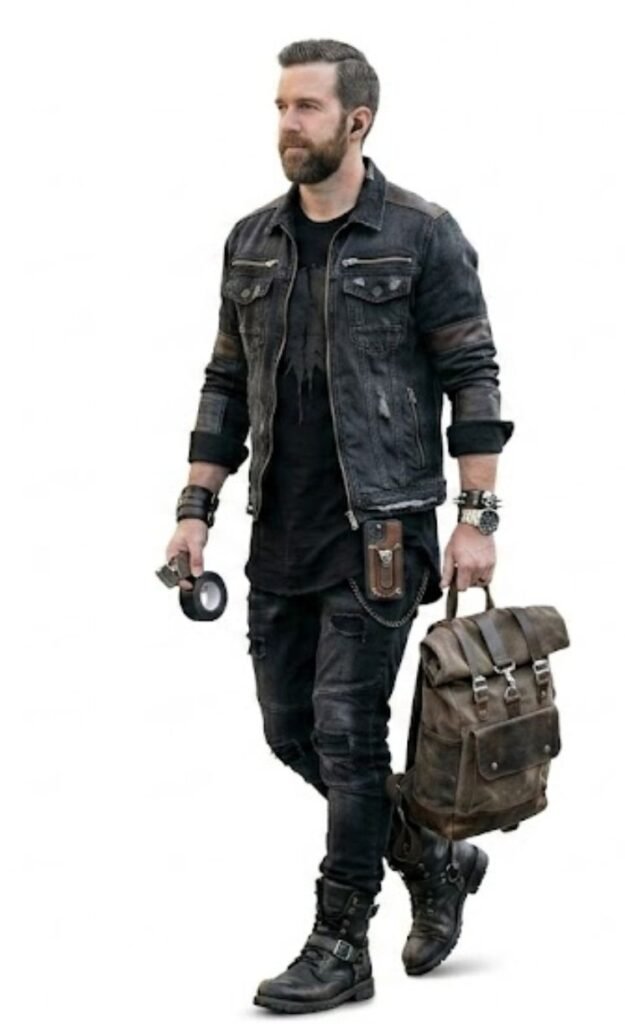
Leather jackets, ripped jeans, boots, and layered accessories anchor the category, kept dark with black, charcoal, deep red, and muted gray.
It suits a night out or a casual event where a bolder statement fits better than a safer, more neutral outfit choice.
Reading Trends Without Losing Your Own Style
Fashion trends move in cycles and tend to return in updated form rather than disappearing for good.
Wearable updates, relaxed tailoring, improved denim fits, and better neutral layering pieces are worth paying attention to, since they integrate easily into an existing wardrobe.
Flashier, short-lived trends tend to fade fast and can pull a wardrobe off its own direction. Fast fashion chases these cycles quickly and cheaply.
A more durable approach favors well-fitted staples that stay relevant across several seasons, with the occasional trend-based piece added only when it genuinely fits what you already own.
How Grooming Supports Style
Clothing and grooming work as one system, not two separate decisions.
A haircut chosen to match your face shape balances your features the same way a well-fitted jacket balances your proportions.
See our guide to men’s haircuts and styles and facial hair guide for specifics.
A simple skincare routine- cleansing, moisturizing, and daily sunscreen- keeps your appearance looking maintained rather than rushed, covered in our men’s skincare routine guide.
A light, well-applied fragrance finishes the picture the same way an accessory does, adding a detail people notice without being able to name exactly why.
Dressing for the Occasion
Office and Business Casual
Business casual is now the most common dress code across American workplaces, worn by roughly 41 percent of employees, according to Gallup data reported by Axios.
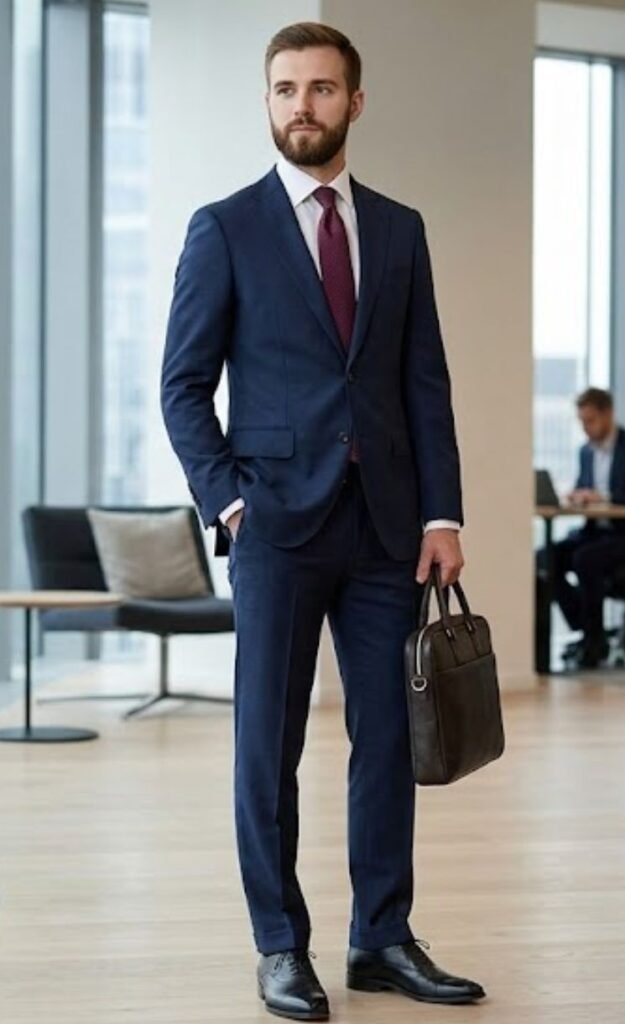
A crisp shirt, tailored trousers, and a blazer cover this territory reliably across most industries.
The goal is looking prepared and composed without tipping into a full suit, which reads as overdressed in most modern offices now that the dress code has relaxed this far.
Chinos work as a strong substitute for trousers here, and loafers finish the look without sacrificing the polish the setting calls for.
Date Night
A well-fitted shirt, dark jeans or trousers, and a light jacket balance effort and ease without overcomplicating the outfit.
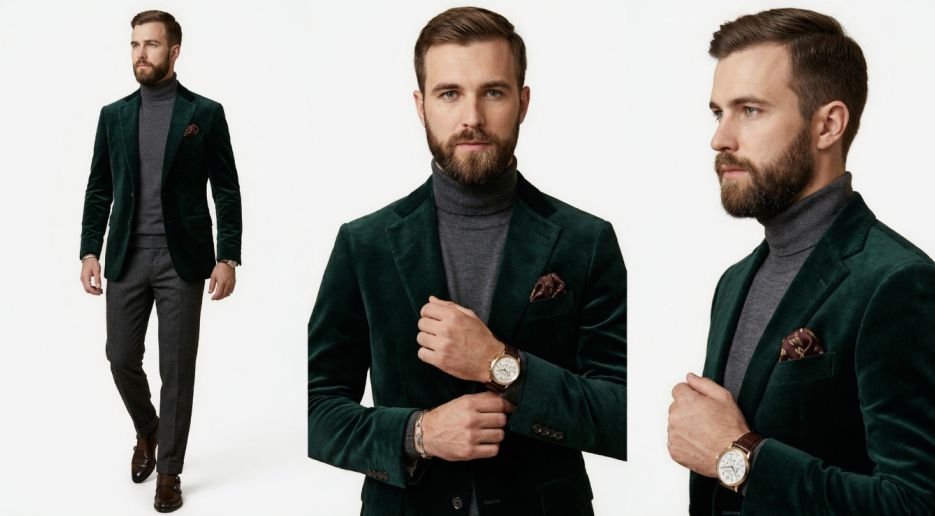
The point is looking like you tried without looking like you tried too hard, which usually means picking one statement piece, a jacket, a watch, a clean pair of boots, rather than layering several at once.
Fit matters more here than anywhere else on this list, since a date is one of the few settings where someone is actively paying close attention to how you present yourself.
Weddings and Formal Events
A tailored suit, crisp shirt, tie, and leather dress shoes match the weight of the occasion, and getting this one wrong is more noticeable than underdressing almost anywhere else.
Color still matters within that structure: navy or charcoal reads safely appropriate for most weddings, while black is generally reserved for evening or black-tie events specifically.
Confirm the dress code on the invitation before assuming a standard suit will cover it, since some weddings call for something closer to true formal wear.
Casual Weekends
Tees, jeans, joggers, and sneakers keep things comfortable while still looking intentional rather than thrown together.
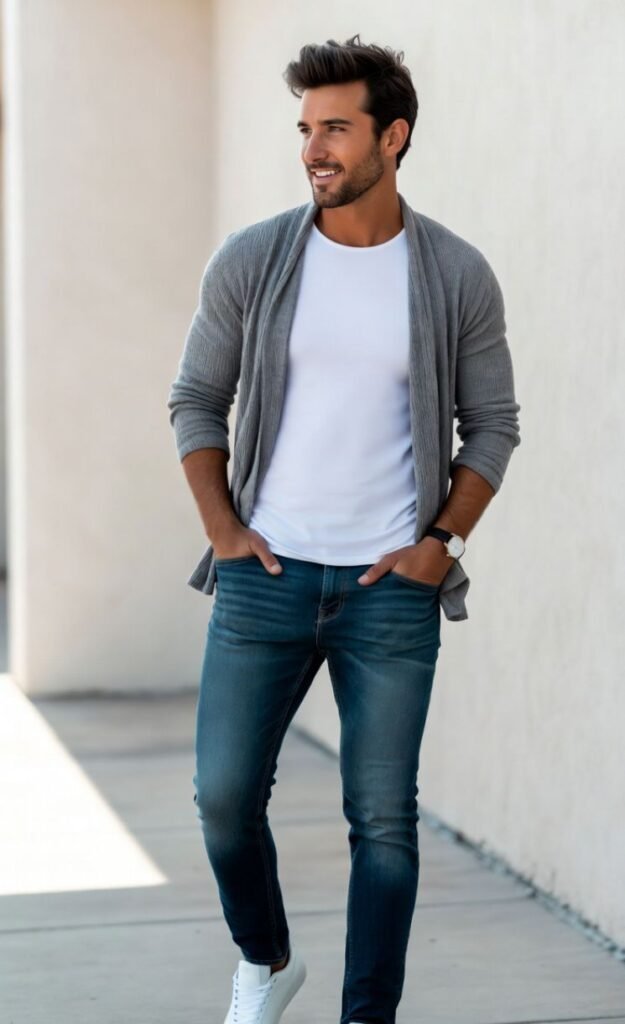
The difference between a good casual outfit and a sloppy one usually comes down to fit rather than the individual pieces themselves; a well-fitted tee reads clean even paired with joggers, while a baggy one undercuts the whole look regardless of what is worn underneath it.
Clean, well-maintained sneakers do more to elevate a casual outfit than almost any other single choice.
Travel
Breathable layers and supportive footwear matter more than styling for long hours of movement and shifting conditions between departure and arrival.
A jacket that can come off easily, pants with some stretch, and shoes you can comfortably stand in for hours matter more here than anywhere else in this guide.
Neutral colors also help travel outfits mix and rewear across a trip without needing to pack a separate look for every single day.
Dressing by Season
Summer calls for cotton, linen, and lightweight chinos in light, breathable tones.
Fall shifts toward flannel, knitwear, and richer colors like olive, rust, and burgundy.
Winter prioritizes wool coats, thermal layers, and darker tones for warmth without bulk.
Spring introduces lighter layers and softer colors as the weather shifts through the day. See our men’s winter outfit guide for cold-weather specifics.
Building a Personal Style Identity
A real personal style comes from noticing repeated patterns, the fits, colors, and combinations you keep returning to naturally, and building a wardrobe system around them instead of chasing whatever is popular that month.
I learned this by watching my father wear the same handful of trouser cuts and shirt colors for decades, not because he lacked options, but because he already knew what worked and stopped second-guessing it.
That kind of consistency reads as confidence, not repetition.
Common Style Mistakes to Avoid
- Wearing the wrong fit. Poor fit throws off proportions no matter how good the piece itself is.
- Over-accessorizing. Too many pieces compete with each other instead of supporting the outfit.
- Ignoring grooming. Even a well-fitted outfit loses impact next to neglected hair or skin.
- Poor color coordination. Clashing tones make an outfit look unplanned rather than intentional.
- Following trends blindly. Trends work best layered onto pieces you already own, not as a replacement for your existing direction.
Smart Shopping for Your Wardrobe
Buying with a plan beats buying on impulse. Prioritize versatile pieces first, invest in quality over quantity for items you wear constantly, and build toward a capsule wardrobe of interchangeable staples rather than a closet full of one-off pieces.
Check sizing charts carefully when shopping online, and try key pieces in person whenever possible, since fit is where most wardrobe money gets wasted.
Fashion Etiquette for the Modern Man
Dressing well is about matching the setting, not seeking attention.
Fit, cleanliness, and grooming shape a first impression as much as the clothing itself.
Simple color coordination and restraint on accessories keep a look appropriate across settings, from a casual gathering to a formal event.
See our full guide to men’s fashion etiquette for occasion-specific detail.
Style for Men Past 50
Style does not have an expiration date. Fit, comfort, and timeless staples matter more with age than chasing whatever is trending.
See our complete guide to older men’s fashion and the Older Men hub for guidance built specifically for this stage of life rather than advice repurposed from a 25-year-old’s wardrobe.
Conclusion
Style comes down to a small number of decisions repeated well: fit, color, fabric, and dressing for the build you actually have, not the one a size chart assumes.
Everything else- wardrobe staples, style types, occasion dressing, seasonal adjustment- builds on that same foundation.
Start with the fit section above if you are unsure where your wardrobe currently falls short, then work outward from there.
For the full breakdown on any single category, follow the guides linked throughout this page.
Frequently Asked Questions
How do I find my personal style as a man?
Notice which fits, colors, and combinations feel natural and comfortable, then build a wardrobe around those repeated patterns instead of chasing seasonal trends.
What clothes should every man own?
Basic tees, an Oxford shirt, jeans, chinos, a blazer, sneakers, boots, and a coat cover most casual, work, and semi-formal situations reliably.
How many outfits does a man actually need?
Around 10 to 15 well-combined pieces built from core staples cover most weekly rotations across casual, work, and social occasions.
What makes a man look well-dressed?
Properly fitted clothing, coordinated colors, clean grooming, and confidence in the outfit matter more than the price of any single piece.