

Last updated on July 27th, 2026 at 07:00 am
Testosterone in men influences far more than muscle and libido; it drives mood, energy, and focus, and most men only think about it once something already feels off, when knowing the basics earlier would have caught the shift sooner.
Testosterone shapes muscle mass, mood, energy, and libido, and levels naturally decline by about 1 percent per year starting around age 30, according to the Endocrine Society.
That decline affects roughly 35 percent of men over 45.
This guide is the anchor for everything Gentsways covers on testosterone specifically, part of our broader health and wellness guide.
It covers normal ranges, symptoms in both directions, what actually causes each, testing, natural support, supplements, replacement therapy, and the myths worth retiring for good.
Every specific claim in this guide is tied to a named source, the Endocrine Society, Mayo Clinic, or the American Urological Association, rather than presented as personal opinion.
Disclaimer: This article is for informational purposes only and does not constitute medical advice. The author is not a certified trainer, therapist, or medical doctor. Always consult a qualified professional before making changes related to hormone health.
What Is Testosterone, and What Counts as Normal?
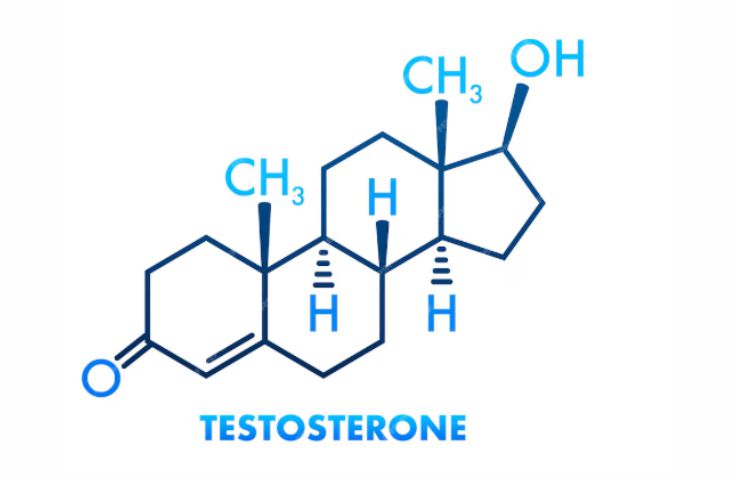
Testosterone is the primary male sex hormone, produced mainly in the testes, driving muscle mass, bone density, sperm production, mood, and energy.
Normal adult levels generally fall between 300 and 1,000 ng/dL, though the exact diagnostic threshold varies slightly by lab and medical society, according to the Endocrine Society.
How Testosterone Affects the Body

Testosterone supports muscle repair and growth after exercise, regulates fat distribution and metabolism, and maintains bone density over time.
Read our full breakdown of the benefits of testosterone in men for the complete list.
Our guide on how testosterone drives muscle repair and growth covers the underlying mechanics in more depth.
Testosterone by Age: What Actually Changes Each Decade
Levels peak in your late teens and twenties, then begin a slow, steady decline. In your 30s, the drop is subtle, often unnoticed.
By your 40s, energy and recovery time start shifting more noticeably for many men.
Past 50, roughly a third of men fall into a range where symptoms become common enough to warrant a real conversation with a doctor.
Find our dedicated guide to causes of low testosterone in men over 50 for what’s specific to this stage of life.
Symptoms and Signs of Low Testosterone
Fatigue, reduced muscle mass, increased belly fat, lower sex drive, and mood changes are the commonly cited symptoms.

Every one of them overlaps heavily with depression, thyroid dysfunction, sleep apnea, and ordinary burnout.
See our full guide to the signs of low testosterone for the complete symptom list.
Our piece on what low testosterone means for your health explains the broader health picture.
And our guide to the real dangers of leaving it unaddressed covers what happens if symptoms go untreated.
If these symptoms persist, the right next step is a doctor visit and an actual blood test, not a supplement purchase.
Red Flags: When Symptoms Need Urgent Attention, Not a Supplement
Most low testosterone is manageable through the routes covered below, but a specific pattern warrants faster medical attention.
A total testosterone reading below 150 ng/dL can signal a pituitary issue rather than ordinary age-related decline.
This is especially true when combined with certain other hormone markers.
The American Urological Association recommends pituitary imaging in these cases, particularly alongside symptoms like new vision changes or persistent headaches.
This is uncommon, but it’s exactly why a real blood test and a doctor’s evaluation matter more than guessing from symptoms alone.
What Causes Low Testosterone
Age accounts for some decline, but lifestyle and medical factors play a real role too.

Excess body fat, poor sleep, chronic stress, and inactivity all contribute, while diabetes, thyroid disorders, and certain medications can lower it further.
See our guide to the specific causes of low testosterone for the medical side of this picture.
Our piece on everyday habits that quietly destroy testosterone covers the lifestyle side in detail.
High Testosterone: Causes and Risks
Elevated testosterone carries real risks of its own, including acne, aggression, and worsening sleep apnea.
This can result from unsupervised supplementation, therapy, or a rarer medical condition.
It also carries the same polycythemia risk seen with replacement therapy, according to research published in Mayo Clinic Proceedings.
See our complete guide to high testosterone in men for the full picture on causes, symptoms, and safe management.
Testing and Diagnosis
Testing requires a morning blood draw between 7 and 10 AM, since levels fluctuate through the day and peak earliest.
Total testosterone measures the full amount in your blood, while free testosterone measures the portion your body can actually use.
A single low reading typically warrants a second confirming test before any diagnosis.
See our full guide to measuring and interpreting your results for what the numbers actually mean.
Supporting Healthy Testosterone Through Lifestyle
Medical guidelines recommend lifestyle changes as the first step before considering medication, not after.

Strength training and cardio, quality sleep, stress management, and a healthy weight all support healthy levels more reliably than any single trick.
Our guide to natural ways to boost testosterone covers the full range of options.
See our piece on specific lifestyle changes that move the needle for a more targeted approach.
This post on foods that support healthy levels breaks down what to actually eat.
And our testosterone-boosting morning routine turns all of this into one simple daily habit.
Supplements: What the Evidence Actually Shows
Zinc, vitamin D, and magnesium are commonly marketed as testosterone boosters, but the real picture is more limited than the marketing suggests.
These nutrients support healthy testosterone production only if you’re actually deficient in them.
There’s little strong evidence they raise levels further in men with adequate amounts already.
See our full guide to testosterone boosters for a complete breakdown of which ingredients are backed by evidence and which fall short
Testosterone Replacement Therapy: Real Benefits and Real Risks
TRT can meaningfully improve energy, sex drive, and muscle mass in men with a genuine, medically confirmed deficiency. It also carries documented risks worth taking seriously.
It can raise red blood cell count to a condition called polycythemia, increasing cardiovascular risk and requiring regular monitoring, according to Mayo Clinic.
It can also affect PSA levels and fertility, a consideration the American Urological Association recommends discussing before starting treatment.
You might want to read the medical treatment for low testosterone for the complete picture on options and monitoring.
Common Testosterone Myths, Debunked

“Boosting testosterone is always good for you.” Not true past a healthy range; elevated levels carry their own documented risks, covered above.
“Supplements can meaningfully raise low testosterone.” Only if you’re correcting an actual deficiency in a specific nutrient. Otherwise, the evidence for over-the-counter boosters is weak at best.
“High testosterone equals more masculine.” Testosterone influences certain behaviors, but it doesn’t determine emotional maturity, discipline, or character, covered in full below.
“You can tell your levels are low just from how you feel.” Symptoms overlap heavily with several other conditions. A blood test is the only way to actually know.
Testosterone and Masculinity
Higher testosterone doesn’t automatically produce confidence, discipline, or emotional maturity.

Some men with elevated levels struggle more with aggression or emotional regulation, not less.
Masculinity is built through how you treat people and carry yourself under pressure, not a lab value.
Our full guide to what masculinity actually means explores this idea in more depth.
Frequently Asked Questions
What is a normal testosterone level for men?
Normal levels generally fall between 300 and 1,000 ng/dL, though the exact diagnostic threshold varies slightly by medical society and lab used.
What are the real symptoms of low testosterone?
Fatigue, reduced muscle mass, low libido, and mood changes are common signs, but they overlap with several other conditions, so a blood test matters more than symptoms alone.
Can testosterone be too high?
Yes. Elevated levels carry real risks including acne, aggression, and cardiovascular strain, particularly when driven by unsupervised supplementation or therapy.
Is testosterone replacement therapy safe?
It can meaningfully help men with a confirmed deficiency, but it carries real risks, including polycythemia and reduced fertility, that require ongoing medical monitoring.
When should low testosterone symptoms be treated as urgent?
A very low reading combined with symptoms like vision changes or persistent headaches can signal a pituitary issue and warrants prompt medical evaluation.
When should I get my testosterone tested?
If you’re experiencing persistent fatigue, low libido, or mood changes, a morning blood test, ideally repeated, gives a doctor an accurate picture rather than guessing from symptoms.
Conclusion
Testosterone is a genuinely large topic, and this page is built as the map for all of it.
It covers what’s normal, what changes by decade, and what to do about symptoms in either direction.
Every claim here is backed by a named medical authority rather than assumption.
Every section above links to a full guide going deeper on that specific piece.
Start with whichever one matches your actual question, and use this page to navigate the rest.

Pyo Merez is a 45-yeard old husband, father, and a chemical engineer by profession and the founder of Gentsways, a men’s lifestyle site built in honour of his father, Dee Clement. He has been writing about men’s development, style, and character through his father’s lens since 2021, drawing on lived experience, his father’s example, and research from reputable publications. He is not a certified trainer or therapist; where fitness or health topics require it, articles are reviewed by qualified contributors.