
Last updated on October 5th, 2026 at 04:04 pm
Denim shows up in shirts, jackets, jeans, and shorts, but most guides jump straight to styling without explaining the fabric itself. This guide covers what denim actually is, where it came from, and what separates quality denim from the rest.
Men’s denim starts as a single fabric before it ever becomes a jean, a jacket, or a shirt, and understanding that fabric is the foundation everything else builds on.
This guide covers what denim is, a short history of how it moved from workwear to wardrobe staple, the four main categories of denim clothing, and the fabric qualities that separate a pair built to last from one that falls apart in a year.
For fit-by-fit, wash-by-wash, and outfit-by-outfit detail on jeans specifically, see the dedicated men’s denim jeans guide, linked throughout this page wherever the topic goes deeper than a fabric-level overview.
Table of Contents
What Is Denim?
Denim is a durable cotton twill fabric, woven with a diagonal ribbing pattern that gives it both strength and flexibility.
It shows up most in jeans, jackets, and workwear, though shirts and shorts use lighter versions of the same weave.
Unlike lighter fabrics such as chambray, denim runs heavier and holds up longer under repeated wear.
It comes in raw or washed forms, with texture, color, and stiffness varying by weight and treatment, and indigo dye giving it the classic blue shade recognized worldwide.
A Brief History of Denim
Denim traces back to the late 1600s in Nîmes, France, where a durable cotton twill known as serge de Nîmes was first woven for workwear.
By the 1800s, the fabric had crossed into America, gaining popularity during the Gold Rush when miners needed pants tough enough for daily labor.
In 1873, Levi Strauss and tailor Jacob Davis patented copper rivets to reinforce pocket seams, creating the modern blue jean as it’s still built today.
Denim shifted from practical workwear to a cultural symbol in the 1950s, when Hollywood figures like James Dean and Marlon Brando wore it on screen.
Since then, denim has crossed into jackets, shirts, shorts, and even high fashion collections, carrying its workwear roots into nearly every corner of modern menswear.
Major Categories of Men’s Denim Clothing
Denim clothing goes well beyond jeans, and knowing how each category differs helps in building outfits that mix pieces well rather than defaulting to jeans alone every time.
Denim Shirts
Denim shirts range from light to heavyweight, working as breathable warm-weather layers or near-jacket substitutes depending on thickness.
They pair cleanly with chinos for a smart casual look or layer under a sweater for something more relaxed.
See the full men’s shirts guide for fit and fabric detail beyond denim specifically.
Denim Jackets
Denim jackets range from classic boxy cuts with structured shoulders to slimmer modern silhouettes, working as a mid-layer over a tee or shirt in changing weather.
See how to style men’s denim jackets for a full occasion-by-occasion breakdown.
Denim Jeans
Denim jeans sit at the center of denim clothing, built from the same fabric principles covered on this page but requiring their own dedicated treatment for fit, rise, wash, and styling.
The men’s denim jeans guide covers that ground in full.
Denim Shorts
Denim shorts apply the same fits, washes, and quality considerations as jeans in a warm-weather cut, pairing well with tees, polos, or button-ups for casual summer outfits.
For outfit ideas that mix these categories, including full denim-on-denim looks, see the guide to casual denim outfits.
Denim Washes, Styling, and Fit by Body Type
Wash, styling, and body type all shape how a piece of denim looks and wears, but the depth on these topics now lives in the dedicated jeans guide rather than here, since the practical decisions mostly apply to jeans specifically.
In short:
- Raw and dark washes read as more refined and versatile,
- Lighter and distressed washes skew casual, and
- Fit should follow build more than trend, with slimmer cuts suiting leaner frames and straight or relaxed cuts giving more room to muscular or larger builds.
For the full breakdown of washes, occasion-based outfits, and fit by body type, see the men’s denim jeans guide.
Denim Quality: What Makes Good Denim
Quality denim comes down to a small set of fabric-level factors that apply across shirts, jackets, jeans, and shorts alike, regardless of cut or wash.
Fabric Weight
Denim weight is measured in ounces per square yard, and it decides how a piece feels, drapes, and ages over time.
Lightweight denim generally sits under 10 ounces, suiting shirts and warm-weather garments, while midweight denim in the 10 to 14 ounce range covers most everyday jeans, and heavyweight denim above 14 ounces goes into workwear, outerwear, and jeans built for maximum durability.
Heavier denim takes longer to break in but rewards patience with sharper fades and a longer lifespan.
Stitching Quality
Well-made denim uses tight, even stitching that reinforces seams and resists fraying at pockets, hems, and other high-stress points.
Double stitching or chain stitching at these areas signals a garment built to survive repeated wear, while loose threads or uneven seams are an early warning sign of lower-quality construction that won’t hold up over time.
Hardware
Buttons, rivets, and zippers should feel solid and move smoothly, since cheap hardware fails long before the fabric itself wears out.
Premium denim brands invest as much in hardware as in the fabric, since a broken rivet or sticking zipper can ruin an otherwise well-made garment.
Brand Reputation
Established denim brands tend to deliver more consistent fabric, stitching, and hardware quality than budget alternatives, which often look fine on the rack but compromise on construction.
Checking reviews and researching a brand’s reputation before buying helps avoid denim that looks good for a month and falls apart soon after.
What are Denim Jeans?
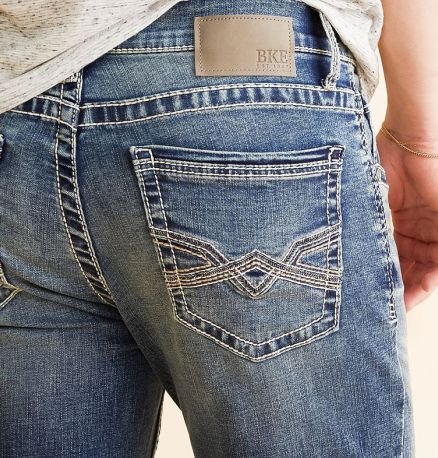
Men’s jeans are cotton twill trousers made from denim, built with a five-pocket design, riveted seams, and a durable waistband construction.
Created as rugged workwear, jeans have become a wardrobe staple, worn across casual, smart casual, and even relaxed business settings today.
Jeans vs. Denim: What’s the Difference?
Denim is a fabric. Jeans are a garment made from that fabric. This distinction sounds small, but it explains a lot of confusion around care, sourcing, and terminology.
- Denim refers to the sturdy, diagonally woven cotton twill fabric itself, dyed with indigo in most cases. Denim shows up in jackets, shirts, skirts, and other garments, not just pants.
- Jeans refers specifically to trousers built from denim, cut with the recognizable five-pocket design, riveted seams, and a signature waistband construction that dates back to workwear.
Every pair of jeans is made from denim, but not every denim garment is a pair of jeans.
For outfit ideas built around denim jackets, shirts, and full denim-on-denim looks, see the site’s guide to casual denim outfits.
A Short History of Men’s Jeans
Jeans started as workwear, built for miners and laborers who needed a fabric that could survive daily abuse.
Riveted pockets, developed to stop seams from tearing under the weight of tools, became a defining feature that still appears on nearly every pair sold today.
Jeans moved into mainstream fashion through the mid-1900s, adopted first by youth culture and later by nearly every corner of menswear, from workwear to business casual.
That shift from pure function to a wardrobe staple is part of why jeans now come in so many fits, washes, and price points.
How Jeans Are Made: Weight, Weave, and Stretch
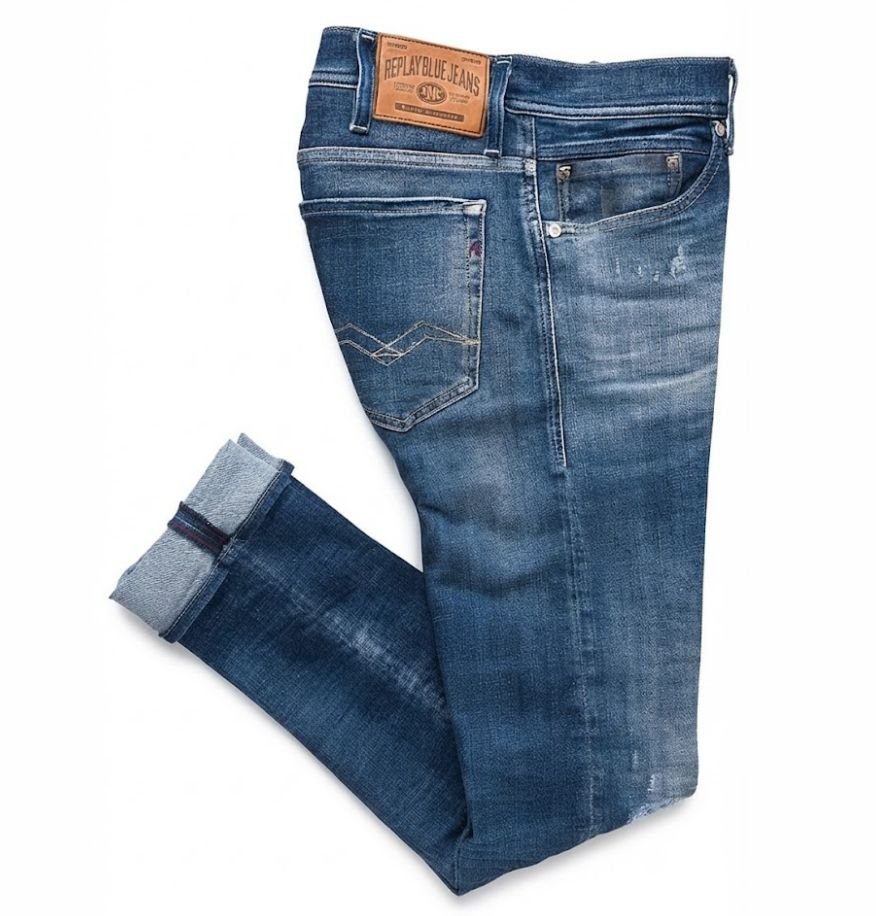
The way denim is woven and finished changes how a pair of jeans feels, fits, and ages over time.
- Weight gets measured in ounces per square yard. Lightweight denim sits under 12 ounces and suits warmer climates, while heavyweight denim runs 14 ounces or more and holds structure longer.
- Weave determines texture and durability. A tighter twill weave produces a smoother, more durable fabric, while looser weaves feel softer but wear faster.
- Stretch comes from blending cotton with a small percentage of elastane. Stretch denim adds comfort and movement, while 100% cotton denim holds its shape and develops sharper fade patterns over time.
Jean Materials
Most jeans start with 100% cotton denim, the traditional base fabric that gives jeans their structure, durability, and the ability to develop a natural patina over years of wear.
Cotton-elastane blends, generally 1 to 3% stretch fiber woven into the denim, have become the default for mainstream jeans, trading a small amount of durability for comfort and ease of movement through the day.
Organic cotton denim uses cotton grown without synthetic pesticides or fertilizers, appealing to men who care about the environmental footprint of their wardrobe without changing how the finished jeans look or feel.
Recycled denim blends post-consumer cotton waste back into new fabric, reducing water and resource use in production, though it can trade off slightly on long-term durability compared to virgin cotton.
Cotton-hemp and cotton-tencel blends have also entered the market in recent years, both offering a softer hand feel and improved breathability, making them worth considering for men in warmer climates who still want the look and structure of traditional denim.
Fit changes the entire silhouette of an outfit, and choosing the wrong one undercuts even the best denim quality.
Jeans Fits
Skinny Fit
Skinny fit jeans hug the leg from hip to ankle with almost no extra room anywhere along the leg.
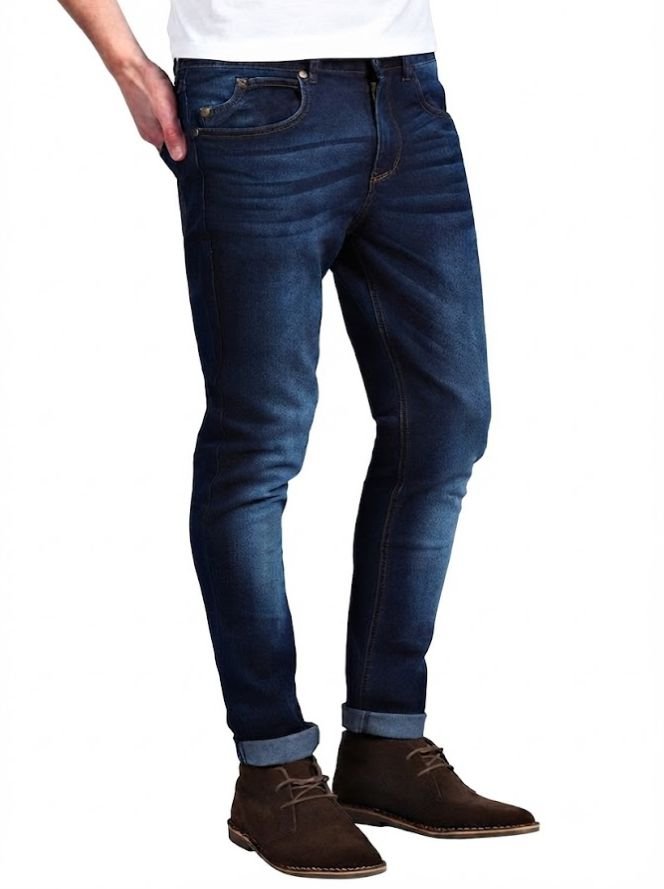
This fit works best on a slimmer build and pairs naturally with a more fashion-forward wardrobe, since the close cut leaves little room for layering underneath.
Skinny jeans photograph well with boots or minimal sneakers, though the tight leg line can look dated depending on current trends and personal style preference.
Slim Fit
Slim fit jeans taper gradually from hip to ankle without hugging the leg completely the way skinny styles do.
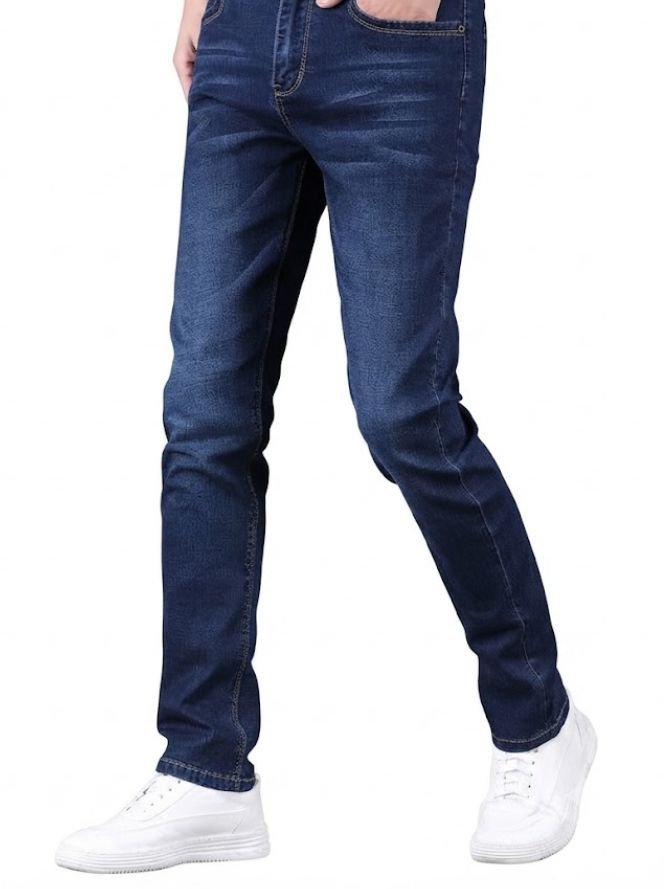
This makes slim fit the most forgiving modern cut, suiting most body types without demanding a particular build.
The slight taper still reads as intentional and put together, making slim fit a strong default choice for men who want a current silhouette without the commitment of a fully skinny leg.
Straight Fit
Straight fit jeans keep a consistent width from thigh to ankle, avoiding both the tightness of slim cuts and the bagginess of relaxed styles.
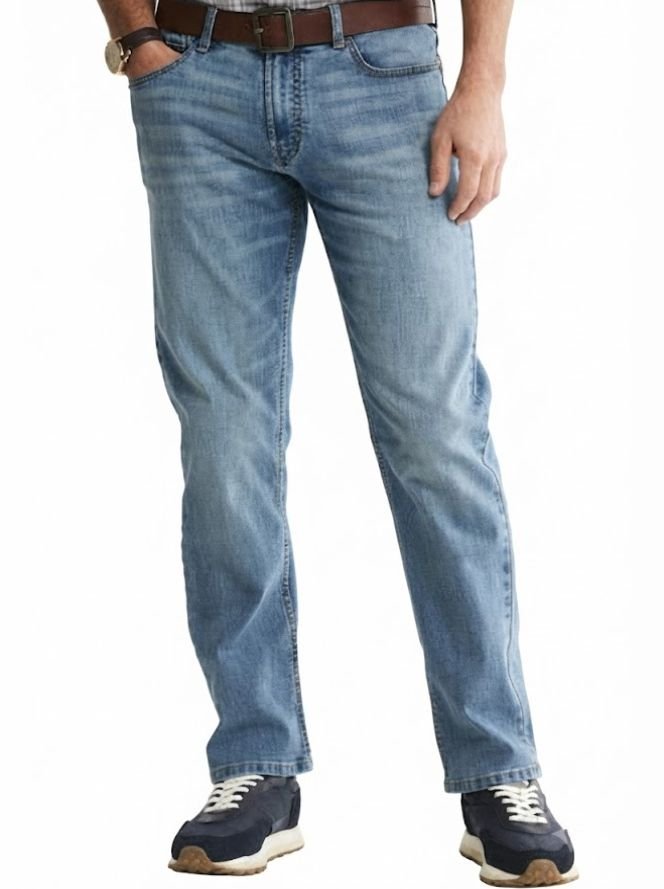
This makes straight fit the safest, most versatile choice for daily wear, since it works across casual and smart casual settings without drawing attention to itself.
Straight fit also tends to age better over time, since the fabric does not stress unevenly the way tighter cuts sometimes do.
Relaxed Fit
Relaxed fit jeans add extra room through the thigh and seat, prioritizing comfort over a tailored silhouette.
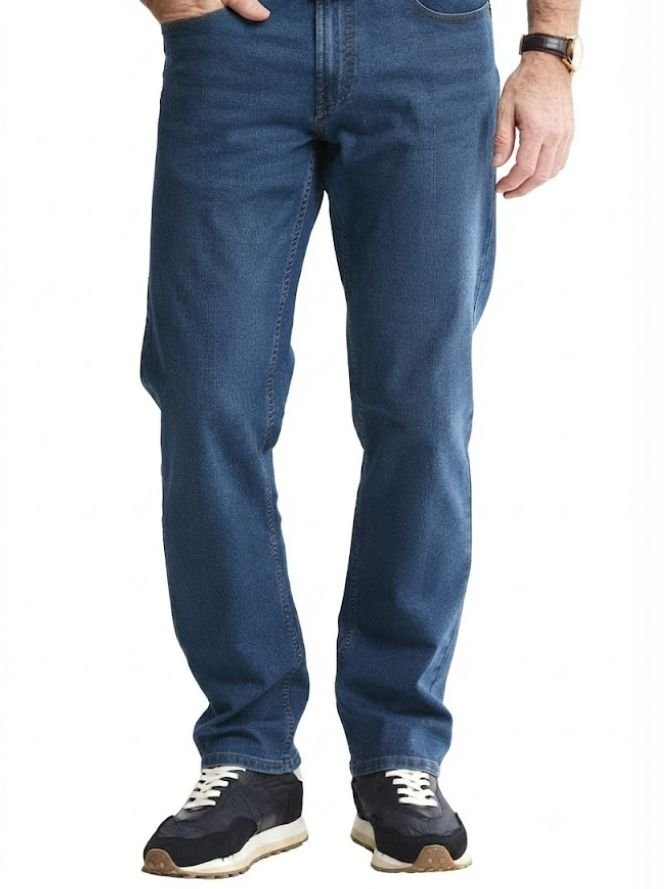
This cut suits men who want ease of movement above all else, whether for physical work, long travel days, or simply personal preference.
Relaxed fit reads as more casual than other cuts, so it pairs best with simple, unstructured tops rather than anything overly tailored on top.
Bootcut
Bootcut jeans stay fitted through the thigh and flare slightly at the ankle, a shape originally designed to fit comfortably over boots without bunching.
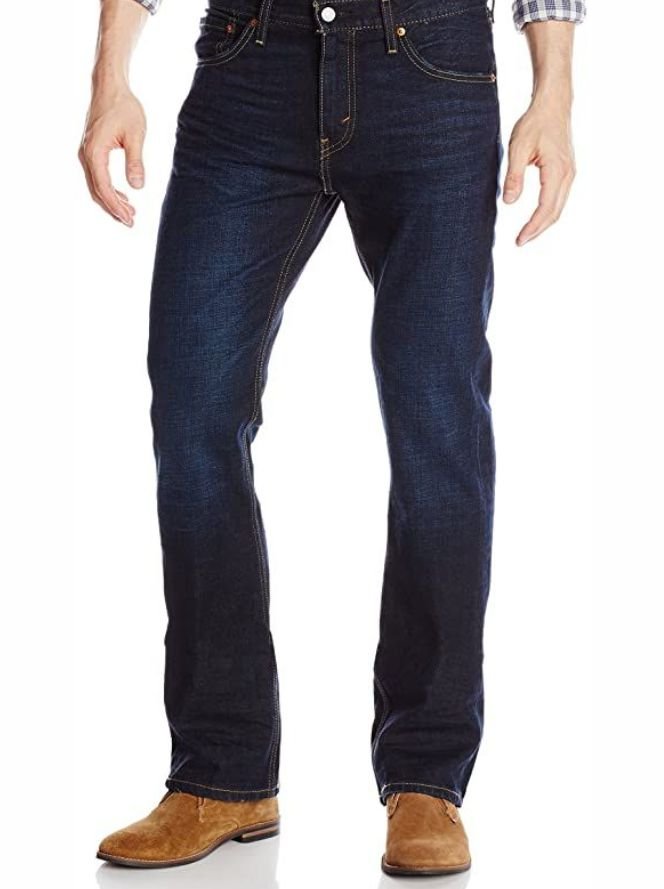
This fit has cycled in and out of mainstream fashion for decades, though it remains a practical choice for anyone who regularly wears boots with denim.
Bootcut works best with a slightly heavier boot rather than sneakers, which can throw off the proportions of the flare.
Tapered Fit
Tapered fit jeans stay roomier through the thigh and narrow gradually toward the ankle, splitting the difference between relaxed comfort and a cleaner line than a fully relaxed cut offers.
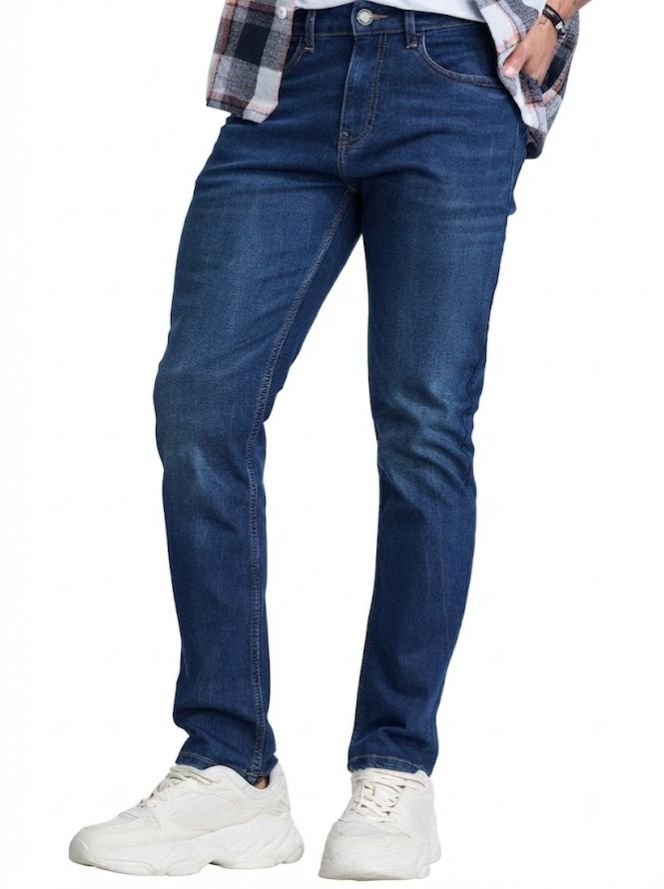
This shape suits men who want extra room up top without the wider leg opening of a bootcut or relaxed fit.
Tapered jeans work especially well cuffed at the ankle, showing off boots or clean sneakers underneath.
Athletic Fit
Athletic fit jeans add extra room through the thigh to accommodate larger leg muscles, while still narrowing to a slim, tapered leg below the knee.
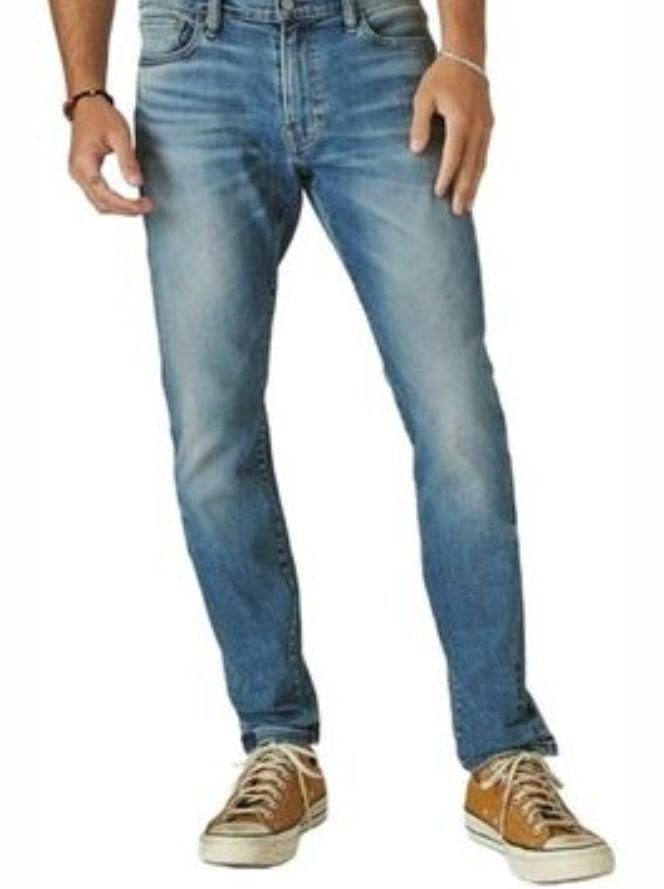
This fit solves a common problem for muscular builds, where a straight or slim cut often fits the waist correctly but feels restrictive through the thigh.
Athletic fit keeps the overall silhouette clean without sacrificing comfort where it matters most.
See a dedicated guide on men’s denim jeans types.
Understanding Jean Rise
Rise refers to where the waistband sits, and it changes both comfort and proportion more than most men expect.
Low-Rise
Low-rise jeans sit below the natural waistline, a placement that cycles in and out of fashion depending on the decade.
This rise rarely suits formal or business casual settings, since it tends to read as more casual and less deliberate than higher rises.
Low rise can also create an unflattering gap at the back when paired with a shorter top, so pairing carefully matters more here than with other rises.
Mid Rise
Mid rise jeans sit at or near the natural waistline, making this the most versatile rise for daily wear across nearly every body type.
Mid rise avoids the extremes of both low and high rise, sitting comfortably without requiring a specific body shape to look proportioned.
This makes mid rise the safest starting point for most men building out a jean collection, since it works with nearly any top or shoe pairing.
High Rise
High rise jeans sit above the natural waistline, offering more coverage through the midsection and often creating the illusion of a longer leg line.
Taller or leaner builds tend to favor this rise, since the extra length up top balances proportions that might otherwise look stretched out.
High rise also pairs well with tucked shirts, since the waistband sits high enough to keep a tuck in place through the day.
Men’s Jean Washes and Colors Explained
Wash and color affect how formal or casual a pair of jeans reads, more than fit alone.
Raw denim in particular divides opinion on care, since wash timing comes down to preference more than any fixed rule, with some denim experts washing every few months and others waiting far longer to preserve sharper fade patterns.
Raw or Unwashed Denim
Raw denim has not been treated after dyeing, so it arrives stiff, dark, and noticeably heavier than pre-washed pairs straight off the shelf.
Over months of regular wear, raw denim develops fades unique to the wearer, following the exact creases and stress points created by daily movement.
This makes every pair genuinely one of a kind over time, though it requires patience during the stiff early break-in period most raw denim goes through.
Stonewash
Stonewash uses physical abrasion, historically actual stones tumbled with the fabric, to soften denim and lighten its color before it ever reaches a store shelf.
This produces a broken-in, worn look immediately, skipping the months of natural fading raw denim requires.
Stonewash reads as more casual than darker washes, making it a strong choice for everyday wear rather than smart casual or business settings.
Acid Wash
Acid wash creates high-contrast, mottled fading through a chemical treatment process rather than natural wear or physical abrasion.
The result is a distinctive, retro aesthetic that tends to read as more casual and fashion-forward than other washes.
Acid wash works well for weekend outfits and casual social settings, though it rarely suits any environment where a more polished appearance matters.
Black Denim
Black denim reads as the most formal wash available, working comfortably in smart casual settings and even some relaxed business casual offices.
The uniform dark color hides wear and fading longer than indigo washes, keeping black jeans looking sharp for longer stretches between washes.
Black denim also pairs more easily with dress shoes and structured blazers than lighter washes typically allow.
Distressed Denim
Distressed denim adds intentional rips, fraying, or heavy fading to create a deliberately worn-in, rugged look.
This style suits strictly casual settings and should be avoided entirely for business casual or formal dress, since the visible damage reads as informal no matter how well the rest of an outfit is put together.
Distressed denim works best paired with equally casual pieces rather than anything structured or tailored.
How Jeans Should Fit
Proper fit matters more than trend, since even premium denim looks sloppy in the wrong size.
For a broader look at how trousers in general should sit and taper, see the site’s guide to men’s trousers.
Waist
Jeans should sit comfortably at the waist without requiring a belt just to stay up through the day.
A properly fitted waistband allows a finger or two of room without gapping open when seated, since jeans that fit perfectly standing often bind uncomfortably once a man sits down.
A belt still finishes the outfit visually, but it should never be doing the actual work of holding the jeans in place.
Thigh
Fabric through the thigh should skim the leg without pulling tightly across the front or bunching noticeably at the back when standing normally.
Too much room here makes the whole leg look shapeless, while too little creates visible stress lines that shorten the life of the fabric through repeated strain.
The thigh fit often decides which overall cut, straight, tapered, or athletic, actually works for a given build.
Break
The break refers to the small fold that forms at the ankle where the hem meets the top of the shoe.
A slight, single break creates the cleanest line for most builds, striking a balance between jeans that look too short and jeans that pool messily at the ankle.
Cuffing the hem is a simple alternative for men who prefer no break at all, especially with boots or clean sneakers.
Length
Jeans that pool heavily at the ankle read as sloppy, while jeans that ride noticeably above the shoe can look accidentally short rather than intentionally cropped.
The right length depends on the fit and the shoe being worn, since a bootcut leg and a slim cuffed leg call for different hem lengths entirely.
A proper hem, done by a tailor if needed, fixes more outfits than almost any other single adjustment.
Styling Men’s Jeans by Occasion
Jeans move across more settings than almost any other piece in a wardrobe, provided the wash, fit, and pairing match the occasion.
Casual Outings
A straight or slim fit paired with a simple tee, crewneck, or button-down shirt covers most casual settings without any real effort.
Clean sneakers finish the look for errands, weekend outings, or relaxed social plans.
Keeping the wash mid to dark and avoiding heavy distressing keeps this everyday combination from tipping into anything sloppy, even at its most relaxed.
Smart Casual Settings
A well-fitted blazer over dark, clean denim creates one of the easiest smart casual outfits available, balancing structure on top with comfort below.
Loafers or Chelsea boots suit this pairing far better than sneakers, since footwear does most of the work signaling intent here.
This combination suits dinners, casual work events, or any setting that calls for more polish than jeans alone provide.
Business Casual Offices
Dark, straight-leg jeans paired with a tailored shirt can work in offices with a relaxed dress code, though chinos remain the safer default in stricter settings.
See the guide to chinos outfit ideas for that alternative when jeans feel like too much of a risk.
When jeans are appropriate, keeping the wash dark and the fit clean signals more effort than a lighter, more casual pair would.
Cold Weather Outfits
Jeans paired with boots rather than sneakers or loafers hold up better against cold, wet conditions while still looking intentional.
See the men’s boots guide for silhouettes that pair naturally with denim, particularly Chelsea and work boot styles.
Layering a heavier coat or jacket over a simple shirt keeps the outfit practical without sacrificing the structure jeans and boots create together.
Dressier Evenings
Black or dark indigo jeans paired with a structured shirt and dress-adjacent shoes create an outfit sharp enough for most evening settings, an approach covered further in the men’s dress shoes guide.
This combination works for dinners, parties, or events that fall just short of requiring a full suit.
Keeping accessories minimal, a simple belt and watch, keeps the focus on the clean lines of the outfit itself.
Caring for and Washing Jeans Properly
Jeans hold up longer with less washing than most men assume, especially raw and selvedge denim.
- Wash less often than instinct suggests. Denim generally only needs washing every 10 wears or so, unless visibly dirty or stained, since frequent washing breaks down fibers through repeated abrasion.
- Wash inside out in cold water. This protects color and surface texture while still cleaning the fabric effectively.
- Skip the dryer when possible. Air drying prevents shrinkage and preserves the fit that took time to break in.
- Spot clean between washes. A damp cloth handles small stains without requiring a full wash cycle.
- Freeze raw denim to refresh it. Placing unwashed raw denim in a sealed bag in the freezer overnight helps reduce odor without a full wash.
Common Jeans Buying Mistakes
A few recurring mistakes undercut what should be a simple purchase.
- Buying based on size label alone. Sizing varies significantly between brands, making an in-person or measured fit far more reliable than a number on a tag.
- Ignoring fabric weight for the climate. Heavyweight raw denim in a hot climate leads to jeans that rarely get worn.
- Choosing trend-driven fits over body type. A fit that looks good on a runway does not always translate to a flattering, comfortable everyday outfit.
- Skipping a proper hem. Jeans that pool at the ankle or sit too short undercut an otherwise well-chosen pair.
Jeans for Every Age and Body Type
Jean fit preferences shift with age and body type, though quality and proper sizing matter at every stage of life.
Younger men tend to experiment more with slim and skinny fits, while men in their 40s and beyond often gravitate toward straight and tapered fits that balance comfort with a clean silhouette.
Taller men generally do well in a straight or bootcut fit that avoids cutting the leg line short, while shorter men often benefit from a slim or tapered fit hemmed precisely to avoid pooling.
Larger builds tend to look most balanced in a relaxed or athletic fit that allows room through the thigh without excess bulk elsewhere.
The men’s jeans market reflects this range in demand: men’s jeans held the largest share of global denim jeans revenue in 2025, a sign of how central this single garment remains across ages and body types.
Conclusion
Men’s denim works as a foundation fabric long before it becomes a finished garment, and understanding weight, stitching, and hardware pays off regardless of whether the piece in question is a jean, a jacket, a shirt, or a pair of shorts.
This guide covers that foundation: what denim is, where it came from, how it splits into four wearable categories, and what separates quality construction from a garment that won’t last.
For deep, practical detail on fits, washes, and outfit-by-outfit styling, the men’s denim jeans guide picks up exactly where this page leaves off.
Frequently Asked Questions
What denim weight is best for daily wear?
Midweight denim between 10 and 14 ounces per square yard suits daily wear best, balancing comfort, flexibility, and durability across most climates, occasions, and denim garment types.
How long should good denim last?
Well-made denim should last one to three years of regular wear, depending on fabric weight, construction quality, washing habits, and how frequently a piece gets rotated with others.
What is the difference between denim and chambray?
Denim is a heavier, diagonally woven cotton twill built for durability, while chambray uses a lighter, plain weave that feels softer and suits warmer weather shirts better.
Why do some denim garments stretch and others don’t?
Denim blended with elastane or spandex stretches noticeably, while 100% cotton denim stays firm and structured, with the fabric blend and weave determining how much give a piece has.

Pyo Merez is a 45-yeard old husband, father, and a chemical engineer by profession and the founder of Gentsways, a men’s lifestyle site built in honour of his father, Dee Clement. He has been writing about men’s development, style, and character through his father’s lens since 2021, drawing on lived experience, his father’s example, and research from reputable publications. He is not a certified trainer or therapist; where fitness or health topics require it, articles are reviewed by qualified contributors.