
Last updated on August 14th, 2026 at 09:53 pm
A shirt sits closer to your face than almost anything else you own, yet most men buy them without a plan. This guide maps every shirt type, fit, and fabric so you always reach for the right one.
A shirt does more work in an outfit than most men give it credit for, since it sits nearest your face and frames every first impression you make.
This guide serves as the central hub for every men’s shirt-related question on Gentsways, from fabric choice to fit to formality.
Rather than repeat what we cover in depth elsewhere, each section below gives you the short answer and points you to a full guide on that specific shirt type.
Use this page to understand the full picture, then follow the links for the details on any style that fits your closet or your plans.
Table of Contents
What Are Men’s Shirts?
Men’s shirts are garments worn on the upper body, covering the torso and arms, with or without a collar, buttons, or sleeves. This includes dress shirts, T-shirts, polo shirts, and casual pullovers, since each one clothes and covers the same core body area.
A Brief History of the Men’s Shirt
The shirt began as underwear, hidden beneath tunics and coats for centuries before it became a visible garment on its own.
According to menswear archive Luca Faloni, buttons were only added to the shirt front around 1871, when London tailoring firm Brown, Davis & Co. patented the coat-style design.
The button-down collar arrived later, adapted from British polo players who fastened their collars down to stop them flapping during matches, a detail credited by menswear historian DANDY & SON.
From that point, the shirt moved through decades of stiff Victorian collars, softer 20th-century cottons, and the mix of business and comfort that defines shirts today.
The Main Categories of Men’s Shirts
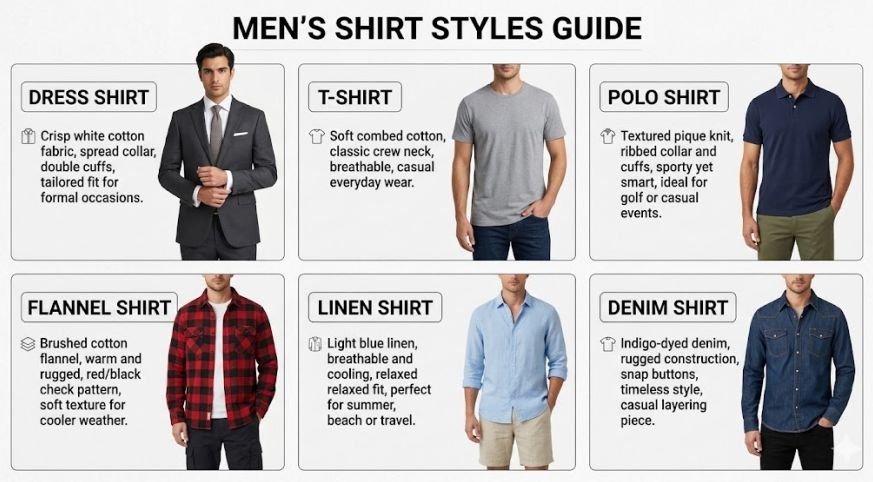
Each shirt type below carries its own fit rules, fabric options, and styling details. This section gives you the short version of each one, with a link to the full breakdown.
Dress Shirt
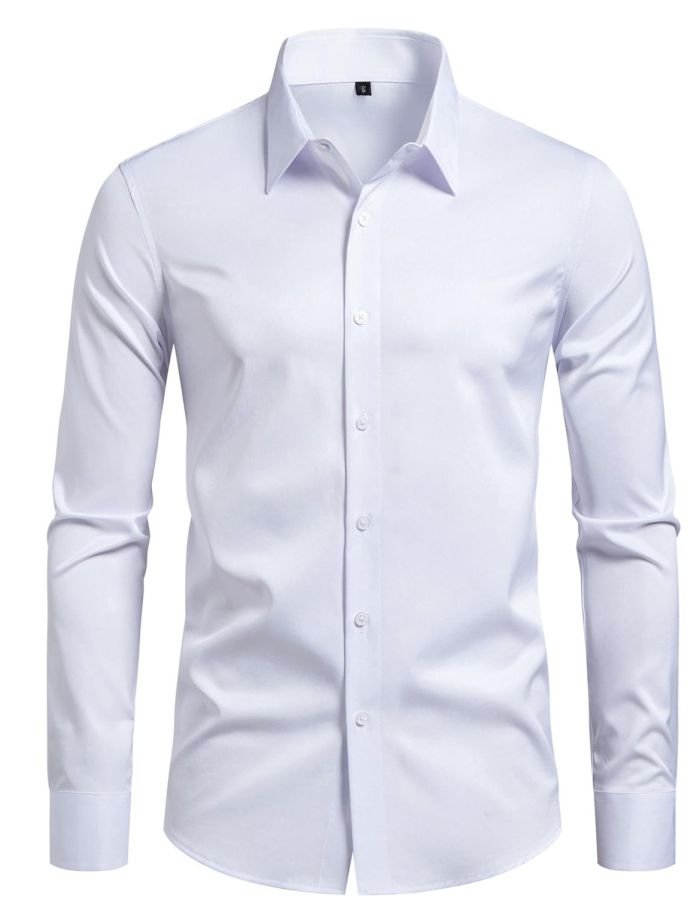
The dress shirt is your most formal option, built from fine cotton or cotton blends with a structured collar and clean cuffs.
It works under a suit, with a tie, or on its own for business-casual days.
Read our full dress shirt guide for collar types, cuff styles, and fit details by body shape.
Oxford Shirt
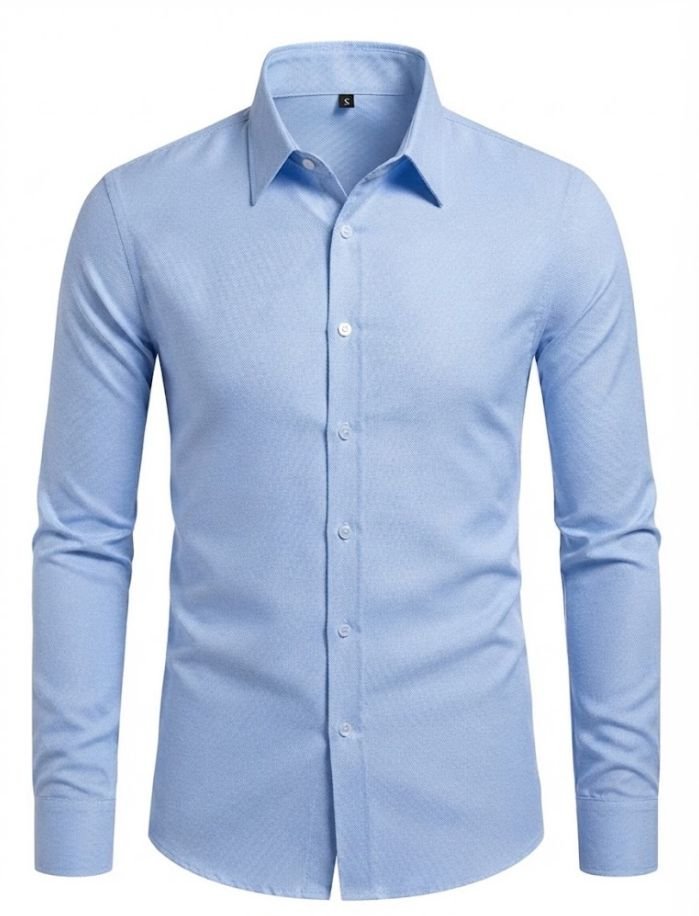
An Oxford shirt uses a thicker, basket-weave cotton that sits between formal and casual, usually finished with a button-down collar.
It holds up well under a blazer or on its own with jeans or chinos.
See our complete Oxford shirt guide for fabric weight, color choices, and common fit mistakes.
Button-Down Shirt
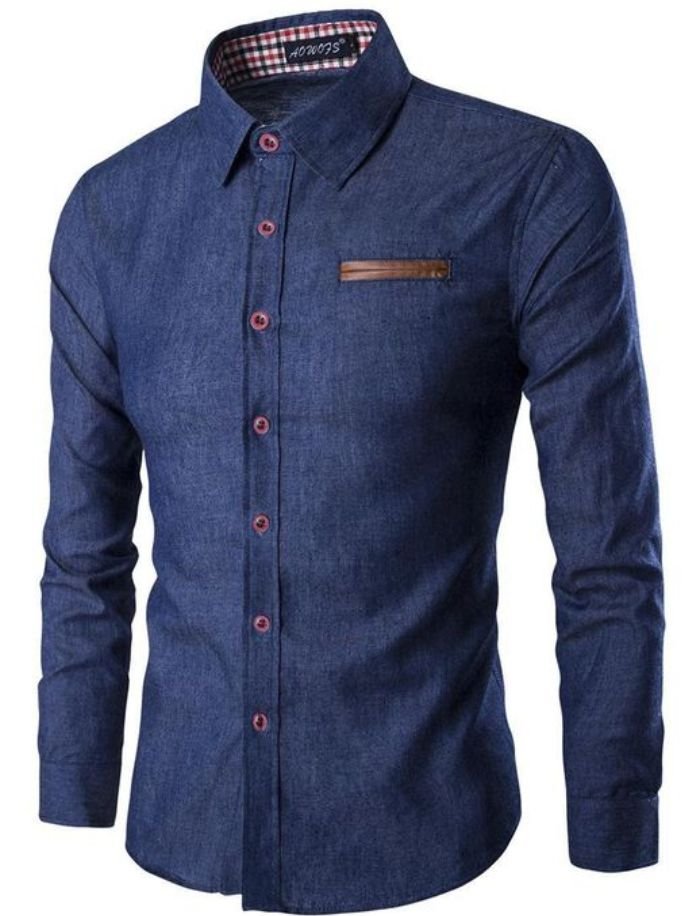
Button-down describes the collar style rather than a single shirt type, and it spans Oxford cloth, poplin, and lightweight cotton options.
It bridges office wear and weekend outfits depending on the fabric and how you style it.
Our button-down shirts guide breaks down the full range by occasion.
Chambray Shirt
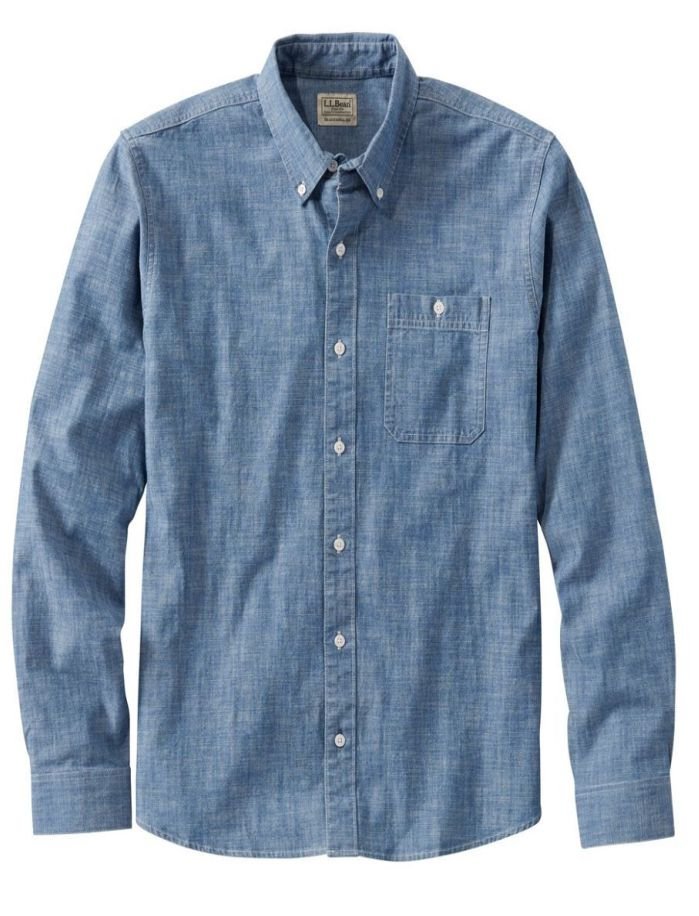
Chambray gives you a lighter, softer version of the denim look, woven from fine cotton that breathes well in warm weather.
It pairs naturally with jeans, chinos, or tailored shorts for a relaxed but neat outfit.
Our chambray shirt guide covers fit by body type and seasonal styling in depth.
Flannel Shirt
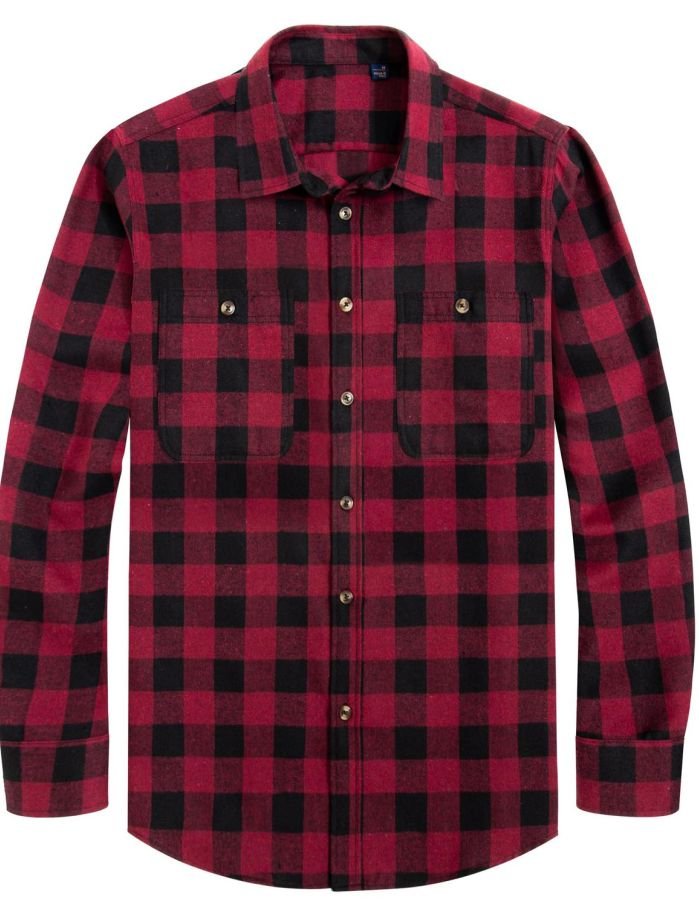
Flannel brings warmth and texture through brushed cotton or wool, usually in plaid or check patterns suited to cooler months.
Layer it over a tee or wear it buttoned with jeans for a laid-back, rugged look.
Visit our flannel shirt guide for pattern choices and layering advice.
Linen Shirt
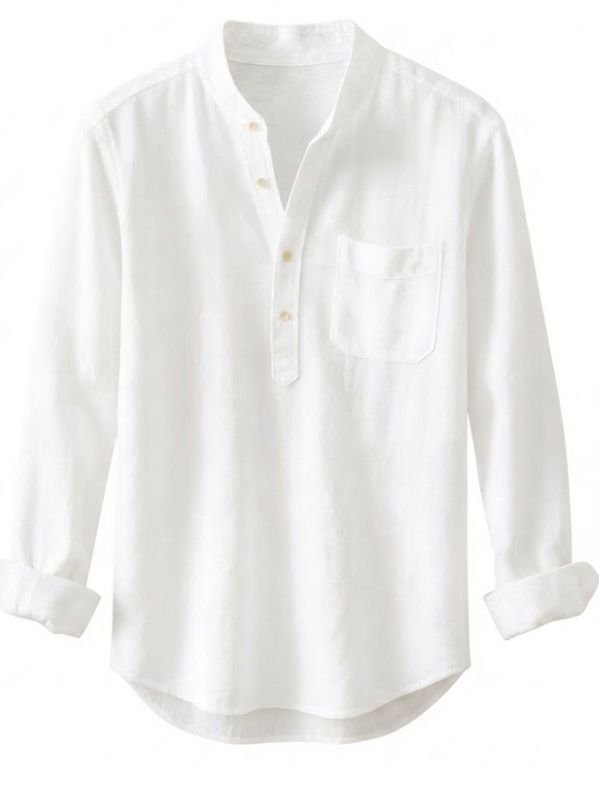
Linen shirts stay light and breathable in heat, with a natural wrinkle that reads as relaxed rather than sloppy.
They pair well with light trousers or shorts for travel and warm-weather events.
Our linen shirt guide covers care, since linen needs gentler handling than cotton.
Polo Shirt
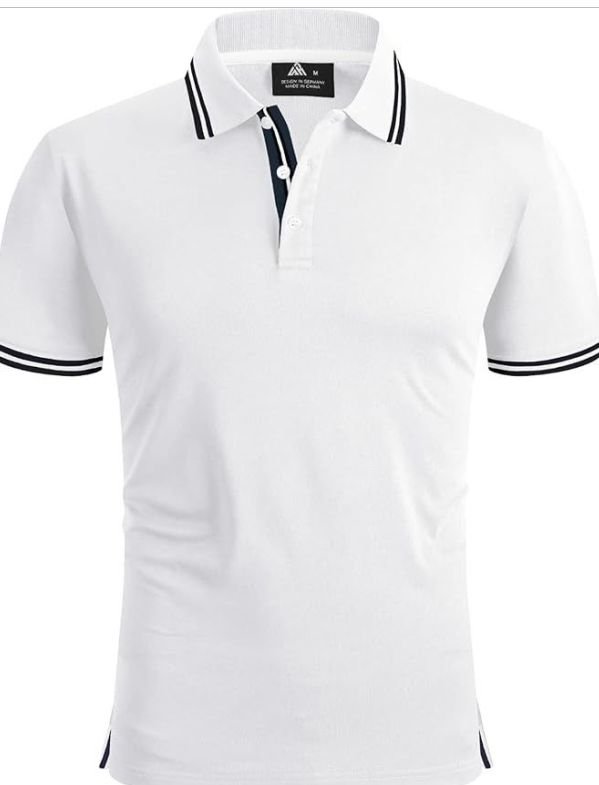
The polo shirt blends sport and smart-casual with its collar and short button placket, made from breathable pique or soft cotton.
It works for casual lunches, relaxed offices, and outdoor plans without much effort.
Our polo shirt guide covers fit, fabric weight, and how to dress it up or down.
Cuban Collar Shirt
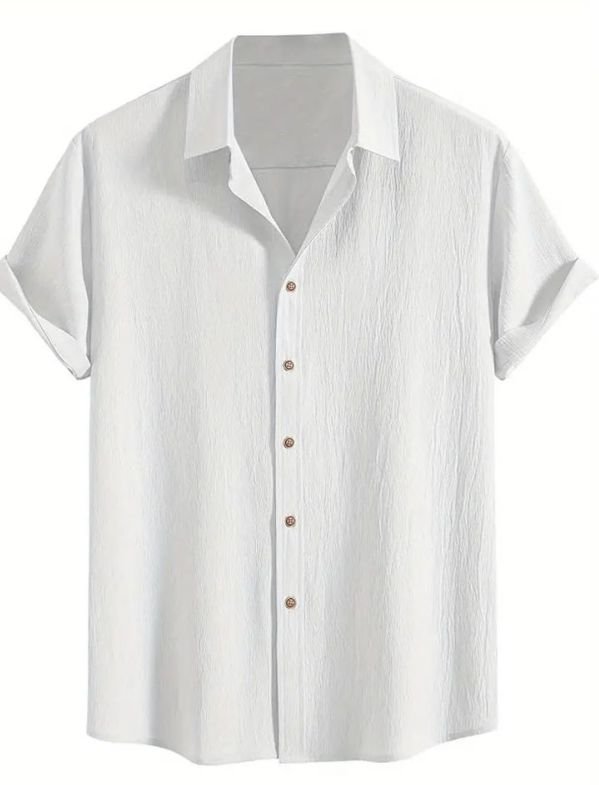
The Cuban collar shirt brings an open, retro silhouette with short sleeves, built for warm weather and relaxed settings.
Lightweight cotton or rayon versions suit beach trips, parties, and casual dinners equally well.
See our Cuban collar shirt guide for pattern and fit advice by build.
Denim Shirt
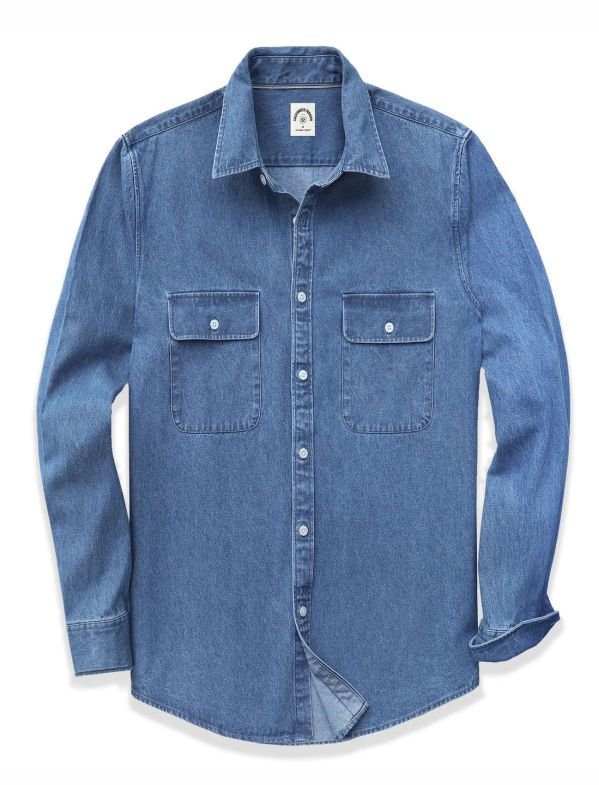
A denim shirt gives you a heavier, more rugged option than chambray, made from durable cotton twill that softens with wear.
Button it up for a clean look or layer it over a tee for texture.
Our denim shirts guide covers washes, fit, and how to avoid a mismatched double-denim look, alongside our broader men’s denim guide for jackets, jeans, and shorts.
T-Shirt
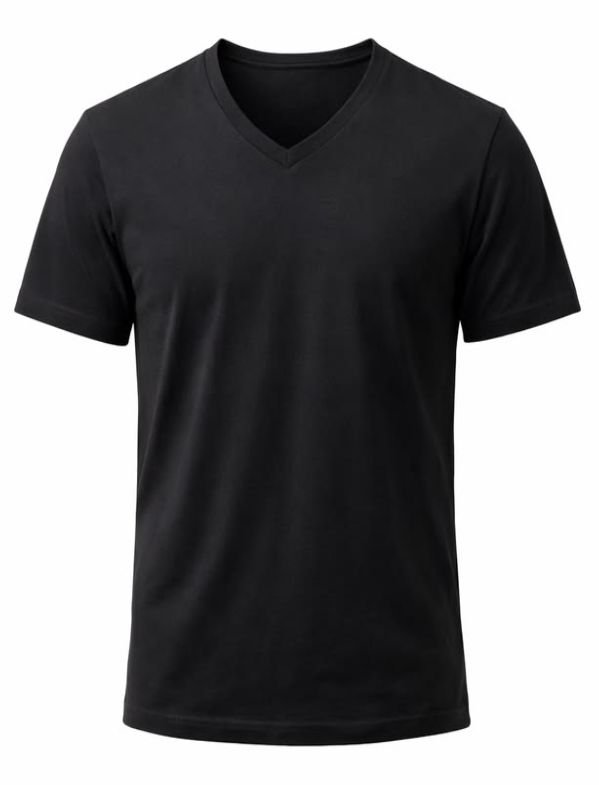
The T-shirt is the most worn shirt in any closet, made from soft cotton or cotton blends with no collar and a relaxed cut.
Wear it alone or layer it under jackets and overshirts for structure.
Our men’s T-shirt guide covers neckline choices, fabric weight, and fit by build.
How to Choose the Right Shirt Fabric
The fabric you pick decides how a shirt feels, how it holds up, and how often you reach for it.
Natural fibers like cotton and linen let air move through the weave, which keeps you cooler in warm climates, according to REI’s fabric guide for outdoor and everyday wear.
Polyester and cotton blends resist wrinkles and dry fast, trading some breathability for lower maintenance on busy weeks.
Oxford cloth and poplin sit at the sturdier end of cotton weaves, giving you structure that holds through long days.
Flannel and denim add weight and warmth, suited to cooler months rather than daily summer wear.
Match the fabric to your climate and your laundry habits before you match it to color or pattern.
Understanding Shirt Fit
Fit affects a shirt’s appearance more than fabric, color, or price, and it’s the fastest way to tell a well-dressed man from a rushed one.
Black Lapel’s fit guide recommends the two-finger rule for collars, meaning you should fit two fingers comfortably between your neck and a buttoned collar.
The shoulder seam should sit at the edge of your shoulder bone, not sliding down your arm or pulling toward your neck.
Beyond the collar and shoulders, four general fits cover most men’s shirts:
- Slim fit tapers at the waist and chest for a modern, close silhouette on lean or athletic builds
- Regular fit falls straight from chest to waist and suits most body types for daily wear
- Classic fit adds room through the shoulders and chest for men who want comfort with a traditional shape
- Relaxed fit drapes loosely for casual wear, travel, and layering without clinging to the body
Collars and Cuffs at a Glance
Collar and cuff choices shift how formal or relaxed a shirt reads, independent of fabric or fit.
A spread collar looks modern and pairs well with wider tie knots, while a point collar gives a sharper, more traditional line under a jacket.
Button-down collars stay casual and practical, ideal for daily wear or business-casual settings without a tie.
For cuffs, barrel cuffs with one or two buttons suit everyday shirts, while French cuffs with cufflinks add formality for evening or business events.
Choosing a Shirt by Occasion
Matching the shirt to the setting matters more than owning every style in every color.
For structured office days, a dress shirt or Oxford button-down keeps you polished.
Our guide to the best men’s shirts for work breaks this down by dress code and industry.
For smart-casual dinners or social plans, a button-down or chambray shirt paired with men’s chinos keeps the look sharp without feeling stiff, in line with the quiet luxury approach to menswear.
For weekends and errands, a T-shirt, denim shirt, or polo covers most casual needs with minimal effort.
For travel and warm-weather events, linen and Cuban collar shirts stay cool while still looking intentional.
General Shirt Care Basics
Most shirt fabrics share a few care habits that keep them looking sharp for longer.
Wash in cold or lukewarm water and turn shirts inside out to protect buttons and collars from friction.
Iron while slightly damp for the smoothest finish, and hang shirts rather than folding them to prevent shoulder creases.
Fabric-specific care differs more than most men expect, so linen needs gentler handling than cotton, and flannel needs less frequent washing than a dress shirt.
Each shirt-type guide linked above covers the specific washing and storage details for that fabric.
Building a Capsule Shirt Wardrobe
My father kept a small rotation of shirts rather than a packed closet, and every piece earned its place through repeated wear rather than trend.
This is a personal observation from watching how he dressed, not a formal rule, but it holds up as a starting point.
A workable base includes one white or light blue dress shirt, one Oxford or button-down, one T-shirt in a neutral tone, and one casual option like chambray or denim for weekends.
Add a linen or polo shirt if your climate runs warm, and a flannel shirt if you see real cold weather.
Layer in outerwear and accessories once the shirt collection covers your regular week.
Conclusion
The right men’s shirt depends less on trend and more on fit, fabric, and the setting you are dressing for.
Use this guide as your starting point, then follow the links above to the shirt type that matches your current need.
A dress shirt handles the office, a T-shirt handles the weekend, and everything else fills the space between.
Start with the shirt category closest to a gap in your current wardrobe, check the fit guidance above, and build from there one piece at a time.
Frequently Asked Questions
How many shirts should a man own for a functional wardrobe?
A working base runs six to ten shirts, covering one or two dress shirts, a button-down or Oxford, a T-shirt, and one casual option like chambray or denim.
What is the difference between a dress shirt and a casual shirt?
Dress shirts use finer, structured fabric with a slim or tailored cut for formal settings. Casual shirts use relaxed fabrics and looser cuts built for daily comfort.
How do I know if a shirt fits correctly?
Check the collar with the two-finger rule, confirm the shoulder seam sits at your shoulder edge, and make sure the chest allows movement without pulling at the buttons.
Which shirt fabric works best for warm climates?
Linen and lightweight cotton breathe best in heat, since their open weaves let air move through the fabric and away from the skin.

Pyo Merez is a 45-yeard old husband, father, and a chemical engineer by profession and the founder of Gentsways, a men’s lifestyle site built in honour of his father, Dee Clement. He has been writing about men’s development, style, and character through his father’s lens since 2021, drawing on lived experience, his father’s example, and research from reputable publications. He is not a certified trainer or therapist; where fitness or health topics require it, articles are reviewed by qualified contributors.