
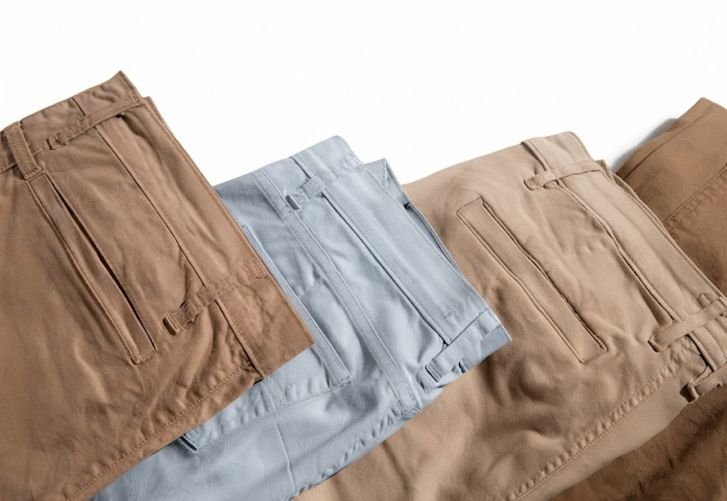
Last updated on September 21st, 2026 at 04:00 pm
Chinos sit in nearly every man’s closet, yet most men wear the same one or two pairs on repeat without knowing how many outfits a proper chino collection could actually cover, from the office to a full weekend wedding invite.
Chinos earned their place in menswear through decades of military use and campus style, and that history still explains why they work so well today.
This guide covers everything from fit and fabric to color, styling formulas, seasonal adaptation, and proper care, along with sections on body type, common mistakes, and trusted brands worth buying.
You will find complete outfit breakdowns for casual weekends, smart casual offices, and dressier occasions, plus accessory guidance to finish the look.
By the end, you will understand chinos well enough to build a small, reliable rotation that covers nearly every situation you actually face.
Dee Clements, my dad owned two pairs of chinos for the better part of his working life, one navy and one khaki, and wore them for everything from church to yard work.
I own considerably more pairs than he did, though I am not convinced mine get more use.
Table of Contents
What Are Chinos?
Chinos are trousers made from a lightweight cotton twill fabric, sitting dressier than jeans but more relaxed than formal dress pants.
The name refers to both the fabric and the pant style itself, distinguishing chinos from other cotton trousers by their smooth finish, clean front panel, and tapered or straight leg construction.
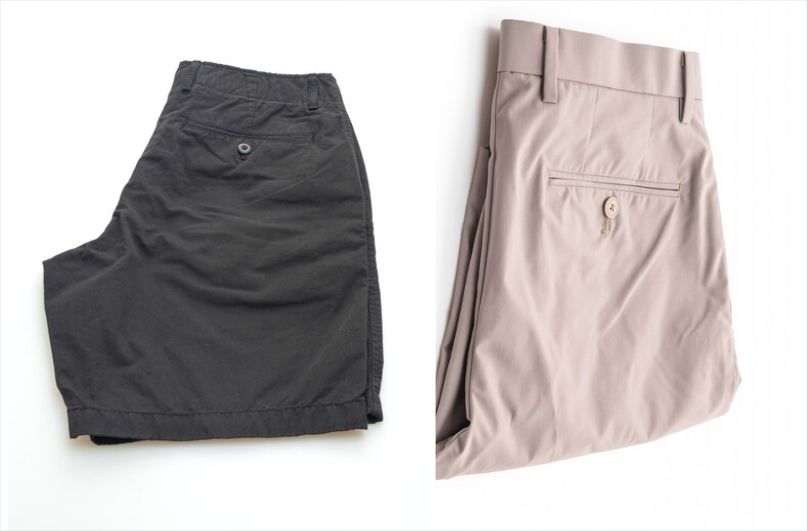
Chinos work across a wide range of settings precisely because they occupy this middle ground, structured enough for an office, relaxed enough for a weekend.
The Real History of Chinos
Chino cloth developed in the mid-19th century for British and French military uniforms, well before the word “chino” ever entered common use, according to a detailed history from Blackhorse Lane Ateliers.
The name itself came later, during the Spanish-American War of 1898, when American soldiers stationed in the Philippines wore lightweight cotton twill trousers sourced from Chinese mills.
Spanish-speaking locals called them “pantalones chinos,” meaning Chinese pants, and American soldiers shortened this to simply chinos, a detail confirmed by Taylor Stitch’s account of the style’s origin.
By 1902, chinos were officially part of the US Army uniform.
Chinos moved into civilian fashion after World War II, when returning servicemen and the G.I. Bill brought military surplus clothing onto college campuses across America.
This transition helped chinos become a foundation of prep and Ivy League style, a shift documented by Drake’s history of the chino.
Khaki, a separate but related term, actually refers to a specific tan color developed decades earlier by British officers in colonial India, not to the chino pant style itself.
Chinos vs Other Trousers
Chinos sit between jeans and dress trousers in both fabric weight and formality, making them the default choice when either option feels wrong for the occasion.
For a full breakdown of how chinos specifically compare to khakis, including fabric weight, fit, and color range differences, see our dedicated guide on chinos vs khakis.
Fit Guide: Finding the Right Chino for Your Build
Fit decides whether chinos look tailored or sloppy more than any other choice you make.
The three cuts worth knowing are:
- Slim (a close, tapered leg for leaner builds)
- Straight (a consistent width that suits most builds), and
- Relaxed (extra room through the seat and thigh for comfort-first days).
Getting the cut right is only half the job. Rise and break matter just as much, and getting them wrong is the most common reason a “correctly sized” pair still looks off.
For the full walkthrough, including how to measure yourself, the right break for chinos specifically, and the fit mistakes that give men away, see How Chinos Should Fit: A Complete Size and Break Guide.
Chino Fit Guide
Slim Fit
Slim fit chinos use a close, tapered leg that suits leaner builds and creates a modern, polished silhouette.
This cut works especially well for smart casual outfits, where a cleaner line reads as more deliberate than a looser pair.
Straight Fit
Straight fit chinos hold a consistent leg width from thigh to ankle, offering a classic, flexible silhouette that suits most body types without hugging or drowning the leg.
This is the safest starting point if you are unsure which fit suits you.
Relaxed Fit
Relaxed fit chinos add extra room through the thigh and seat, prioritizing comfort over a tailored look.
This cut suits men who spend long hours seated or simply prefer more room to move.
A well-fitted pair should sit cleanly at the waist without needing a belt pulled too tight, and the hem should break just above your shoe rather than pooling at the ankle.
Length matters as much as cut. Aim for a slight break just above the shoe, since chinos pooling at the ankle undercut even a good fit.
For a deeper look at matching cut to your actual frame instead of guessing, see our guides on men’s body types and shapes and how clothes should fit men.
Choosing Chinos for Your Body Type
Lean or Slim Builds
Slim fit chinos add structure and avoid excess fabric bunching around the leg, which can otherwise make a leaner frame look shapeless.
Athletic or Muscular Builds
Straight fit chinos offer room through the thigh while keeping a structured leg line, avoiding the tightness a slim cut can create around larger thighs.
Larger or Fuller Builds
Relaxed fit chinos avoid pulling at the waist and thigh, sitting more comfortably through the day without restricting movement.
Shorter Builds
A slightly higher rise paired with a clean break at the shoe helps elongate the leg visually, avoiding excess fabric pooling that shortens the silhouette further.
Taller Builds
A slightly longer inseam paired with a slim or straight fit keeps proportions balanced from waist to shoe, preventing the pant from riding up awkwardly through the day.
Chino Fabric Guide
Cotton Twill
Cotton twill is the standard chino fabric, breathable and durable enough for year-round wear across nearly any climate.
Cotton and Linen Blends
Cotton and linen blends run lighter and more breathable, best suited to summer heat and humidity when comfort matters more than structure.
Heavier Twill
Heavier twill uses a thicker weight fabric that holds its structure well, making it a strong choice for cooler months and dressier occasions.
Stretch Cotton Blends
Stretch cotton blends add a small amount of elastane, improving mobility and comfort without sacrificing the classic chino look or silhouette.
Chino Color Guide
Classic tones like khaki, navy, and olive form the foundation of most chino collections, since they pair with nearly any shirt, sweater, or jacket color.
Lighter tones like tan and pastel shades suit spring and summer, while darker hues like charcoal, burgundy, and deep green fit fall and winter better.
For a deeper look at wearing the lightest end of that spectrum, see our guide to styling and caring for white chinos.
If color pairing still trips you up, the full breakdown of matching bottoms to tops and outerwear lives in our men’s fashion color guide.
How to Style Chinos by Occasion
Casual Weekends
Pair chinos with a crew neck t-shirt and clean sneakers for an easy, relaxed look suited to errands, coffee runs, or casual outings with friends.

Stick to neutral or lightly muted colors on both pieces, since a plain t-shirt and a pair of clean white or grey sneakers let the chinos carry the outfit without extra effort.
Roll the cuffs slightly if you want to show a bit of ankle and draw attention to your footwear, a small detail that adds polish to an otherwise simple combination.
Smart Casual Offices
Add a button-down shirt, a blazer, and leather shoes for a polished but approachable outfit that works well in most informal office settings.
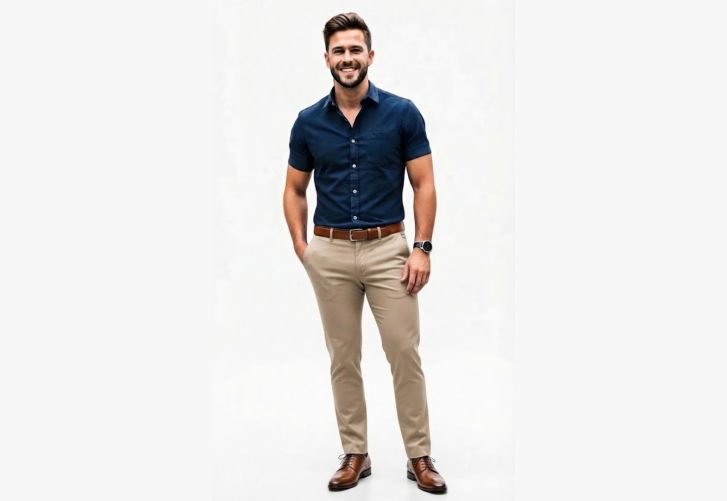
Choose a chino color that contrasts gently with your blazer, such as khaki chinos under a navy blazer, so the outfit reads as intentional rather than accidental.
Tuck the shirt in fully, keep the blazer unbuttoned when seated, and finish with loafers or leather derby shoes rather than sneakers to keep the formality level consistent throughout the look.
Business casual
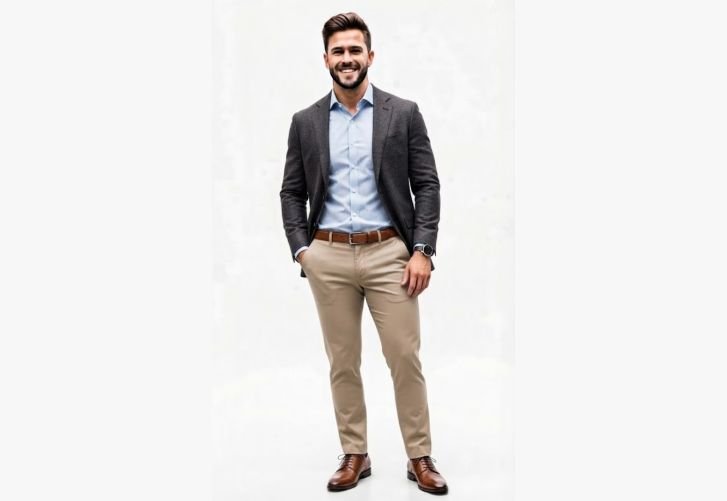
This is where chinos do their heaviest lifting. Business casual is now the most common workplace dress code in the United States, worn by roughly 41 percent of workers according to Gallup data reported by Axios, which has pushed chinos and khakis ahead of full suits in daily rotation.
A crisp button-down, leather belt, and dress-appropriate shoes complete the look.
Dinner or Date Nights
Swap in a fitted button-down and loafers for a sharper, more deliberate look that still feels comfortable rather than overdressed.

Darker chino colors, like navy, charcoal, or olive, tend to photograph and read better in evening lighting than lighter tones like beige or tan.
A slim or straight fit works best here, since a cleaner leg line pairs more naturally with the fitted shirt than a relaxed cut would.
Cooler Weather Layering
Pair chinos with a sweatshirt or knit sweater, adding a jacket on top for extra warmth without losing the outfit’s clean lines.
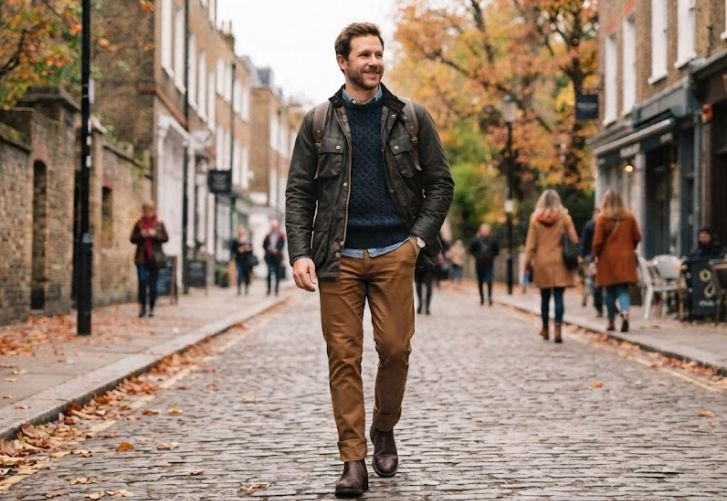
A crew neck sweater in a neutral tone layers well over a collared shirt for added texture, while a simple bomber or wool coat on top keeps the silhouette streamlined rather than bulky.
Darker chino shades, like charcoal or deep olive, suit this layered look better than lighter summer tones.
Chinos with a blazer
This single combination deserves its own note because it works across more settings than any other chino pairing, from the office to a wedding.
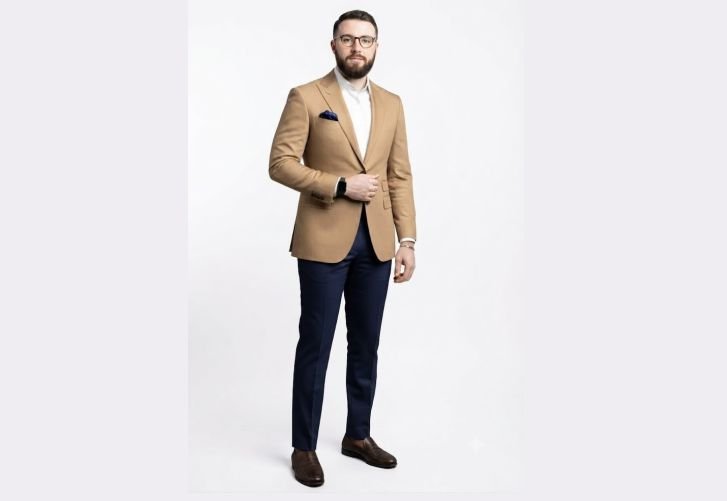
Choose a blazer that contrasts with your chino shade (a navy blazer over lighter chinos, or a gray blazer over darker ones) and keep the rest of the outfit simple.
See our guide to picking the right blazer or, for a sharper navy-specific pairing, men’s navy blazers.
Chinos with Footwear
Footwear changes the formality of a chino outfit more than almost any other piece.
Sneakers keep the look casual and approachable, and our dedicated guide on pairing chinos with sneakers breaks down the color rules in detail, drawing on the full range covered in our men’s sneakers guide.
Loafers and leather derby shoes bring a smart casual polish suited to informal offices and dinners, while proper dress shoes suit formal settings like business meetings or evening events.
Boots pair naturally with chinos in cooler months, adding a rugged edge that still reads as put together.
Chino Shorts
Chino shorts follow the same fabric and color logic as full-length chinos, offering a step up from athletic shorts for warm weather occasions.
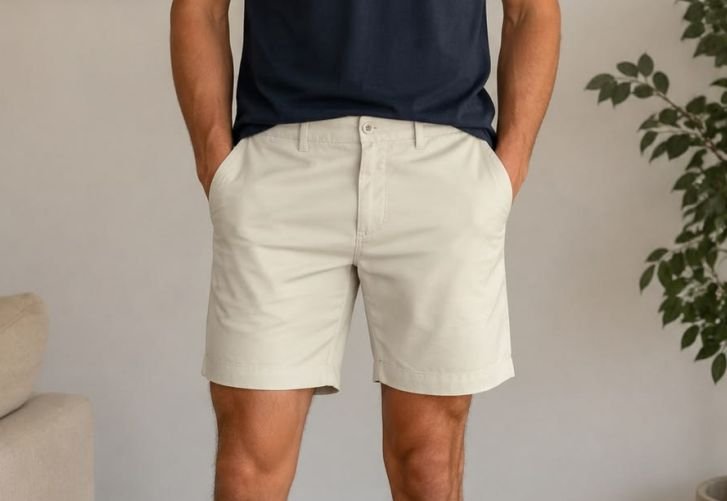
A pair in khaki or navy pairs naturally with a polo or plain t-shirt, and loafers or boat shoes dress the look up slightly compared to sneakers.
Keep the length around the knee for a balanced, modern silhouette rather than the shorter cuts popular decades ago.
Accessories That Complete a Chino Outfit
Belts
Match your belt color to your shoes, with brown suiting khaki and navy chinos and black suiting charcoal or black pairs. See our men’s belt guide for more detail.
Watches
Leather straps suit dressier chino outfits, while metal bands bring a slightly more modern edge to a casual look. Our wristwatch guide covers matching straps to occasion.
Sunglasses
Aviators and wayfarers both pair naturally with casual chino outfits without competing for attention or overcomplicating the look.
Socks
Stick to neutral tones for formal settings, and save patterned socks for casual, relaxed outfits where a bit of personality works better.
Chinos Through the Seasons
Spring
Spring calls for lighter chino colors like tan, light grey, and pastel tones, paired with breathable cotton or linen blend fabric that handles mild, unpredictable weather well.
A light button-down or a simple polo works nicely on top, since the goal is a fresh, easy look rather than heavy layering.
Loafers or clean sneakers finish the outfit without adding unnecessary weight.
Summer
Summer favors the lightest chino colors and fabrics available, since heat and humidity make breathability the priority over structure.
Cotton and linen blends in beige, white, or pale blue keep you cool through the day, especially paired with a short-sleeved shirt or a lightweight polo.
Stick to minimalist sneakers or boat shoes, and avoid heavier twill chinos entirely until the temperature drops.
Fall
Fall favors earthy tones like olive, rust, and deep navy, layered with sweaters or a tailored blazer for added warmth as temperatures cool.
A heavier twill chino holds up better through this transitional season than a lightweight summer pair, giving the outfit more structure under a jacket.
Leather shoes or boots suit this season better than sneakers, adding a slightly more grounded, seasonal feel to the outfit.
Winter
Winter suits darker shades like charcoal and black, paired with a turtleneck or flannel shirt and finished with leather boots for both warmth and a sharper silhouette.
A heavier cotton twill or a stretch blend with added insulation keeps the fabric practical rather than purely decorative in colder temperatures.
Top the outfit with a wool coat or parka, and keep accessories minimal so the layering itself carries the look.
Chinos for Weddings and Formal-Adjacent Events
Chinos paired with a blazer have become a standard groomsman and wedding-guest choice for casual backyard or garden weddings, offering polish without full formalwear.
If you have an invitation to dress for, our guides on groomsmen outfit ideas and wedding guest outfits for men both cover chino-based looks by wedding style.
Chinos for Men 50 and Older
Fit matters even more as your build changes with age, and relaxed or straight cuts tend to serve older men better than slim fits built for a leaner frame.
My own father favored a straight-cut trouser well into his sixties, not out of habit but because it simply sat better on him than anything slimmer.
If you’re building a wardrobe with this stage of life in mind, fashion tips for older men and stylish casual outfits for men over 50 go deeper on fit, color, and proportion for this exact question.
Caring for Your Chinos
Wash chinos inside out to protect color and reduce fading.
The American Cleaning Institute recommends cold water for most everyday laundry, which also helps prevent shrinkage in cotton twill.
Skip the dryer when possible and hang chinos to dry instead, since repeated heat exposure breaks down the fabric’s structure over years of wear.
When you do iron, use steam and iron while the fabric is still slightly damp for the cleanest result.
Common Mistakes to Avoid
- Wearing chinos that fit too loosely through the leg, which reads as sloppy rather than relaxed.
- Pairing dark chinos with equally dark shoes and belt, creating a flat, one-note outfit with no contrast.
- Skipping a belt entirely on chinos with visible belt loops, leaving the outfit looking unfinished.
- Ignoring wrinkles before wearing chinos to a smart casual or dressier setting.
- Buying only one color, which limits how many outfits your chino collection can actually produce.
Trusted Chino Brands Worth Buying
- Bonobos: known for a wide range of fits designed around different body types.
- J.Crew: a long-running source for classic chino colors and reliable cotton twill quality.
- Dockers: a budget-friendly option with a long history tied directly to the chino’s American revival.
- Banana Republic: offers a slightly dressier cut suited to office and smart casual wear.
- Bluffworks: built for travel, with wrinkle-resistant fabric that holds up well on the move.
Building Your Chino Collection
Start With Khaki
Khaki remains the most flexible neutral color available, pairing naturally with nearly any shirt, shoe, or jacket color you already own.
This makes it the logical first pair for anyone building a chino rotation from scratch, since it will get more consistent use than any other color on this list.
Add Navy Next
Navy chinos suit dressier smart casual settings and pair easily with a blazer, making them a natural second pair once khaki is in steady rotation.
The darker tone also photographs well for evening plans, giving you a pair that bridges both office and dinner occasions.
Round Out With a Seasonal Color
Once your first two pairs are getting regular wear, add a seasonal color like olive, charcoal, or burgundy to bring some variety into your rotation.
This third pair is where you can experiment a little more, since your foundation colors already have you covered for the most common occasions.
Conclusion
Chinos remain one of the most reliable pieces in a man’s wardrobe, since they adapt to nearly any setting with a small change in top.
Get the fit right for your build, choose colors that work across seasons, and treat the fabric properly so pairs last longer.
Pair them with a blazer for polish, a t-shirt for ease, or a sweater for cooler days, and you have a formula that rarely fails.
Build your collection around two or three solid pairs, and chinos become the most dependable piece you own.
Frequently Asked Questions
What exactly are chinos?
Chinos are lighter, slimmer cotton twill trousers, dressier than jeans but more relaxed than dress pants, making them a flexible middle ground for most everyday outfits and occasions.
How many pairs of chinos should a man own?
Most men do well owning three to five pairs, covering a few neutral colors like khaki, navy, and olive, along with one dressier option for office work settings.
Can chinos be worn to a business casual office?
Yes, chinos work well for business casual offices, especially when paired with a tailored blazer, tucked in shirt, and polished leather shoes rather than sneakers or casual footwear.
What is the best way to wash chinos?
Wash chinos in cold water, turn them inside out first, and air dry when possible, since heat from a dryer can cause shrinkage and fading over washes.
Which chino fit suits which body type?
Slim fit works best for leaner builds, straight fit suits athletic builds, and relaxed fit gives extra room for comfort without ever looking sloppy or too baggy overall.
How long do a good pair of chinos last?
Yes, chinos generally last several years with proper care, including cold washes, gentle air drying, and rotating regularly between pairs instead of wearing just a single pair constantly.
What is the difference between chinos and khakis?
Chinos and khakis share cotton twill origins, but khaki refers to a specific tan color and weave, while chino describes the fabric and cut more broadly.
Can chinos be worn to a wedding?
Yes. Chinos paired with a blazer, dress shirt, and leather shoes work well for casual, backyard, or garden weddings, though they suit a groomsman role better than a black-tie one.
How should chinos fit at the ankle?
Chinos should break slightly above the shoe without pooling fabric at the ankle. A too-long or too-baggy hem is the most common chino fit mistake men make.
Are chinos business casual?
Yes. Chinos rank among the most common business casual choices in American offices today, especially paired with a button-down shirt and leather shoes or loafers.

Pyo Merez is a 45-yeard old husband, father, and a chemical engineer by profession and the founder of Gentsways, a men’s lifestyle site built in honour of his father, Dee Clement. He has been writing about men’s development, style, and character through his father’s lens since 2021, drawing on lived experience, his father’s example, and research from reputable publications. He is not a certified trainer or therapist; where fitness or health topics require it, articles are reviewed by qualified contributors.