

From the awkward preteen years to the demanding forties, most men never received a real blueprint for life. No mentor, no map, no plan. This young man’s roadmap to building a life without regrets fixes that, delivering the straight, actionable steps every man needs to build stability and purpose from the ground up.
Nobody warns you how fast life moves, from figuring out who you are as a preteen, to navigating identity in your teens, building financial ground in your twenties and thirties, to showing up fully in your forties.
The men who win don’t stumble into success; they follow a deliberate plan built on discipline, self-awareness, and smart decisions made at every stage.
This roadmap breaks down exactly what you need, from managing money and building habits to owning your identity, so you stop reacting to life and start leading it.
Table of Contents
Who is a Young Man?
The label “young man” is highly contextual, generally referring to males in their late teens to early 30s.
There are no strict, legally defined start and end dates for these age groups, as usage varies widely across sociology, medicine, and everyday speech.
A father calling his 12-year-old son a young man means something entirely different from a judge addressing a 28-year-old in court.
Culturally, the term carries expectation, a signal that boyhood is behind you and accountability is ahead.
For this roadmap you are reading, the coverage runs from preteens at age 9 through to men in their 40s, capturing every stage where the right guidance can still dramatically alter a man’s trajectory.
Men in their 50s and beyond are treated separately as older men, a stage that carries its own distinct set of priorities, challenges, and wisdom.
Understanding Your Current Stage: Where You Are Matters
Every man’s journey is different, but the stages are the same.
Knowing exactly where you stand right now and what that stage demands of you is the first step toward making deliberate, meaningful progress instead of simply letting years pass by.
From preteens to 40-plus men, there must be something you can do to better your life as a man.
Pre-Teens (Ages 9–12): Foundation Building Phase
Of course, little young men of this age are not going to read this. Fathers, mothers, and guardians, this one is for you.

Your son may still be a kid, climbing trees, playing games, and unbothered by responsibility, but these years are quietly shaping the man he will become.
The preteen stage is the most critical foundation a boy will ever have, and it requires your active involvement.
Start building daily routines, assign real household responsibilities, and introduce basic self-discipline early.
Limit screen time and distractions that rewire his attention span before it fully develops.
You are not raising a child forever; you are positioning a future man. What you do right now determines how strong that foundation holds.
Teenagers (Ages 13–19): Identity & Pressure Phase
The teenage years hit hard and fast. Hormones surge, peer pressure intensifies, and every decision feels enormous.

This is the stage where boys either develop emotional control or get swallowed by chaos.
School effort matters here, not just for grades, but for building the discipline of showing up consistently even when motivation is low.
Managing friendships wisely, resisting negative peer influence, and developing early grooming and style habits all contribute to self-respect and confidence.
Fathers still play a pivotal role, but the young man himself must begin owning his choices.
Emotional regulation practiced now becomes the bedrock of a composed, capable adult.
Young Men in Their 20s: The Launchpad Decade
Your twenties are the decade that sets the trajectory for everything that follows.

This is not the time to drift; it is the time to build. Work ethic developed now compounds for decades.
Fitness routines started in your twenties become lifelong assets.
Financial basics- budgeting, saving, avoiding bad debt- practiced early put you miles ahead of peers who sleep through this window.
Perhaps most importantly, the circle you choose in your twenties will either accelerate or sabotage your growth.
Be intentional about who gets your time and energy. The launchpad only works if you actually launch.
Young Men in Their 30s: The Building Phase
The thirties are where the real test begins. The excitement of the twenties fades, and what remains is the daily discipline of building something that lasts.

Financial consistency matters more than financial bursts; steady saving, smart investing, and eliminating reckless spending define this decade.
Emotional maturity becomes non-negotiable, especially in relationships, parenting, and professional settings.
Men in their thirties who still react impulsively to every challenge pay a heavy price in career and family life.
Refine your presence: how you carry yourself, communicate, and lead.
The man you are at 39 is largely the man your twenties and thirties together constructed.
Young Men in Their 40s: The Refinement Phase
By your forties, the excuses run out, and the results speak plainly. This decade is about refinement, not reinvention.

Health maintenance becomes a daily priority, your body no longer recovers the way it once did, and neglecting it now accelerates decline.
Leadership, whether at home, at work, or in your community, becomes your natural responsibility.
Legacy thinking kicks in: what are you building, and who will it serve after you?
Ruthlessly eliminate lingering bad habits that have no place in this chapter.
The forties reward men who have been consistent and offer a strong second wind to those who are only just getting serious.
The Core Principles: Discipline, consistency, self-awareness, and purpose remain unchanged at every age. The earlier you begin, the stronger your foundation. But if you are starting later, know this: a committed start at 35 or 42 still produces remarkable results. The worst move any man can make, at any stage, is standing still.
Finding Direction and Building Personal Structure
Regardless of whether you are in your teens, twenties, thirties, or forties, the absence of a plan is the fastest way to watch your best years slip by.
Here is how to build a structure that keeps you moving forward.
Why Direction Matters More Than Motivation
Motivation comes and goes, but direction is what keeps you moving on your worst days.
Whether you are a teenager figuring out who you are, a man in his twenties trying to launch, or someone in his thirties and forties building something lasting, direction is the one thing every stage demands.
Ask yourself one honest question: what does a well-built life look like for you?
Write it down.
That single act separates young men who drift from those who build.
How Daily Discipline and Routines Create the Life You Want
Your daily routine is either building you or breaking you.
Young men who get ahead are not more gifted than their peers; they are simply more consistent. This applies at every stage.
A preteen building simple routines early has a head start. A man in his thirties who finally commits to structure is not too late.
Wake up at the same time, move your body, and get your most important task done before distractions take over.
Start small, stay consistent, and let the routine carry you.
Small Decisions Compound Into the Life You Are Living Right Now
Every choice you make today is a vote for the man you are becoming. In your teens, those votes are just beginning to count.
In your twenties, they are picking up speed. By your thirties and forties, the results of years of small decisions are staring back at you in the mirror.
Skipping workouts, eating poorly, and scrolling for hours stack up quietly and show up loudly in your results.
Drinking more water, reading daily, and saving small amounts also compound. Your future is being built right now.
How to Stop Drifting and Start Living With Intention
Too many young men at every stage are reacting to life instead of directing it.
The teenager says he will get serious after school.
The man in his twenties says he will sort things out next year.
The man in his thirties is still waiting for the right moment. Intentional living means deciding where your time and energy go before the day decides for you.
Know your values, set one goal per life area- health, finances, relationships, and personal growth- and attach a daily action to each.
The stage you are in does not matter as much as the decision you make right now to stop drifting.
Education, Skills, and Continuous Learning
What you know and what you can do will always determine how far you go.
At every stage, from your preteen years to your forties, learning is not something you finish. It is something you keep doing.
Why the Path You Choose Needs Real-World Value
Not every qualification opens the doors you expect. Teens face pressure to choose paths that look good but deliver little.
By your thirties and forties, men who built practical, in-demand skills outpace those who collected certificates without real competence.
Choose paths that solve problems, create value, and keep you employable.
A degree still matters in many fields, but pair it with skills the market actually rewards.
Self-Learning Habits That Last Beyond the Classroom
School teaches you what to learn. Self-learning teaches you how to keep growing when no one is watching.
Teenagers who read widely and practice independently build habits that last a lifetime.
A man in his twenties who learns daily compounds knowledge faster than his peers.
In your thirties and forties, self-learning keeps you relevant and promotable.
Men who stop learning after school are the ones who later wonder why they feel stuck.
How to Build Curiosity and Practical Knowledge at Every Stage
Curiosity is something you practice, not something you either have or don’t. Ask more questions.
Read outside your comfort zone. As a teenager, explore beyond your school curriculum.
In your twenties, go deep on skills your career and goals demand.
By your thirties and forties, curiosity becomes a leadership quality.
The man who keeps asking how things work is always more valuable than the one who stopped being curious at graduation.
Work, Career, and Financial Independence
Your relationship with work and money will either build your future or quietly destroy it.
At every stage, from your first chores as a preteen to managing serious finances in your forties, the habits you build around earning, spending, and growing money matter enormously.
Here is why:
Why Starting Early With Work Ethic Puts You Ahead
Work ethic is not something you develop when you land a good job; it is something you build long before that.
A teenager with a part-time job or side hustle learns what no classroom can teach: showing up, delivering, and being accountable.
Young men who take early roles seriously build a reputation that compounds.
The man who worked hard at twenty is almost always trusted with more at thirty.
Building Smart Income and Money Management Habits
Earning money is only half the equation. What you do with it determines everything else.
Learning to budget early, separate needs from wants, and direct income toward savings or investment is the foundation every young man needs.
In your thirties, these habits mature into real wealth-building. By your forties, men who managed money wisely have options.
Those who didn’t are still starting over. The gap between them is not income, it is habits.
Avoiding Debt Traps and Get-Rich-Quick Thinking
Bad debt and shortcuts are two of the fastest ways to derail your financial future.
Consumer debt and buy-now-pay-later habits feel manageable until they are not.
Get-rich-quick schemes, gambling apps, and overnight success stories make patience feel like weakness; it is not.
It is the strategy.
Men who build lasting financial independence do it through consistent habits repeated for years, not one big break.
Live below your means and treat debt carefully.
How to Think About Long-Term Career Progression
A career is a body of work built across decades, not just a job.
In your twenties, prioritize skills, mentorship, and industry knowledge over titles.
In your thirties, think vertically: where can your experience take you?
By your forties, progression becomes about leading, consulting, or building work aligned with the life you have created.
Men who think long-term in their twenties have the most options in their forties.
Start thinking beyond the next paycheck now.
Health, Fitness, and Physical Discipline
Your body is either an asset or a liability.
At every stage, from the preteen years where habits are first formed to the forties where the consequences of neglect become undeniable, how you treat your body determines how well you show up in every other area of your life.
Building Strength and Energy in Your Prime Years
Adolescence and early adulthood are ideal for building lasting fitness habits.
The body adapts quickly, making it easier to develop strength, endurance, and resilience.
Consistent training boosts confidence, focus, and productivity while reducing future health risks.
Discipline built through exercise creates a foundation for success in every area of life.
Simple, Sustainable Fitness and Nutrition Routines
Long-term results come from consistency, not extreme diets or exhausting workouts.
Combine strength training, regular movement, and proper recovery for lasting outcomes.
Nutrition works the same way: prioritize protein, whole foods, and hydration without chasing perfection.
Sustainable habits prevent burnout and maintain energy and performance throughout adulthood.
Consistency beats intensity every time.
Grooming, Sleep, and Daily Energy Management
Personal care and recovery are vital to health and performance.
Good grooming reflects self-respect and professionalism.
Quality sleep supports focus, mood, hormones, and physical recovery, yet many men overlook its impact.
As responsibilities grow, managing energy matters more.
Prioritizing rest and healthy routines ensures you consistently perform at your best.
Relationships, Social Circle, and Social Skills
The people around you and the way you relate to them will quietly determine the direction of your life.
From the friendships formed in your preteen years to the relationships you maintain in your forties, who you allow into your inner circle and how you communicate with them shapes your outcomes more than most men are willing to admit.
Choosing Friends and Influences That Build You Up
Your social circle either accelerates or limits your growth. In your teens, wrong peers can derail years of progress.
In your twenties, friends shape your ambition, habits, and income.
By your thirties, connections become more intentional.
Audit your friendships honestly and choose people whose lives you genuinely respect.
Developing Emotional Control and Communication
Emotional intelligence is among the most underrated skills a man can build.
Learning to pause before reacting, listen without defensiveness, and communicate clearly prevents damage to careers, relationships, and reputations.
The ability to stay calm under pressure and disagree without destroying separates men who build strong connections from those who repeatedly burn them.
Healthy Approaches to Dating and Relationships
Dating requires more intentionality than most men apply. As a teenager, build your identity before attaching it to someone else.
In your twenties, avoid comfortable relationships pulling you off course. Know your values and boundaries.
By your thirties, prioritize alignment and mutual respect. Clarity and self-awareness at every stage prevent years of wasted time.
Daily Habits and Lifestyle Design
Your lifestyle is not just how you spend your free time.
It is the sum of every small decision you make daily, and those decisions are either compounding in your favor or quietly working against you.
From the routines built in your preteen years to the lifestyle refined in your forties, design matters.
Structuring Your Time and Environment for Success
Your environment shapes behavior more than willpower ever will.
Structured routines in childhood and adolescence build productive adult habits.
In your twenties, protect your mornings and guard your most focused hours.
By your thirties, time becomes your most valuable asset.
Design your days intentionally rather than reacting to everything incoming.
Managing Distractions and Building Focused Routines
Distraction is the greatest threat to a young man’s potential.
Social media and constant notifications are engineered to steal attention and return little value.
Every hour lost to mindless scrolling is an hour not spent building skills.
Protect your focus deliberately; treat your attention like money and spend it wisely.
Hobbies That Develop Discipline and Skills
Not all hobbies are equal. The best ones build patience, discipline, and mastery alongside enjoyment.
Teenagers who learn instruments, practice martial arts, or develop creative skills gain lasting advantages.
In your twenties and beyond, skill-building hobbies strengthen confidence and resilience.
Choose at least one hobby that challenges you and rewards consistent effort.
Personal Image, Grooming, and Presentation
How you present yourself to the world is a direct reflection of how you see yourself.
From the basic hygiene habits introduced in your preteen years to the refined personal style developed in your thirties and forties, your appearance communicates before you say a single word.
Getting this right is not vanity. It is self-respect in visible form.
Clean Grooming and Hygiene as Baseline Self-Respect
Grooming is foundational self-care that compounds over time.
Preteens who establish daily habits around showering, dental hygiene, and body odor build routines that become effortless by their teens.
Skin care and facial hair management follow naturally.
By your twenties and beyond, consistent grooming signals professionalism and self-awareness.
Start early, stay consistent, and treat it as non-negotiable.
Dressing With Purpose and Confidence
Clothing communicates who you are before you speak. Teenagers who develop personal style beyond trends build lasting confidence.
In your twenties, learn to dress appropriately across casual, smart casual, and formal settings.
By your thirties and forties, style becomes refined; you know what works for your body and goals. Invest in fewer, better pieces.
People notice.
Creating a Practical Wardrobe for Real Life
Build your wardrobe around your actual life. In your twenties, focus on well-fitting basics, clean footwear, and one or two smart outfits.
Fit always outperforms brand.
As income grows through your thirties and forties, upgrade quality gradually and prioritize versatile pieces.
Keep clothes clean, ironed, and shoes maintained. These small details collectively signal a man who has himself together.
Mental Strength and Better Decision Making
Physical strength without mental strength will only take you so far.
From the early lessons in self-control learned in your preteen years to the high-stakes decisions made in your thirties and forties, your ability to think clearly, handle pressure, and make sound choices is what separates men who build lasting success from those who repeatedly self-sabotage.
Thinking Clearly Under Pressure
Pressure reveals what you are made of. As a teenager, it shows up as exam stress and social conflict.
In your twenties, the stakes rise: career choices, finances, and relationships demand better responses.
Men who slow down, gather information, and respond rather than react make consistently better decisions. Pause before responding.
Base decisions on facts, not feelings.
Handling Failure, Setbacks, and Emotions
Every young man will face failure. The question is how quickly you recover and what you take from it.
Early failures are valuable if processed rather than avoided. In your twenties, setbacks are instructive.
By your thirties and forties, emotional maturity means a bad week no longer becomes a bad month.
Men who handle failure well are not emotionally numb; they are emotionally trained.
Building Patience and Avoiding Impulsive Choices
Impatience is one of the most expensive habits a young man can carry.
Impulsive decisions in your teens and twenties around substances, spending, and shortcuts can cost years of progress.
The men who build the most by their forties understood early that meaningful results take time.
Before any significant decision, pause. Ask whether it serves long-term goals or just immediate comfort.
Avoiding Common Pitfalls That Derail Progress
Progress is rarely derailed by one catastrophic event in your young life.
It is usually a series of small, avoidable mistakes repeated long enough to cause serious damage.
From the peer pressure faced in your preteen and teenage years to the financial and lifestyle traps that catch men in their twenties and thirties, knowing what to watch out for is just as important as knowing what to build toward.
Negative Influences and Peer Pressure
The people around you shape your decisions more than most young men admit.
Wrong friendships in your preteen and teenage years introduce habits that take years to unlearn.
In your twenties, negative influences become subtler: friends who discourage ambition and circles that normalize mediocrity.
By your forties, the cost is lost time and missed potential. Audit your circle regularly.
Substance Issues, Financial Mistakes, and Time-Wasters
Three things quietly destroy young men: substances, bad financial habits, and wasted time.
Substance misuse starts as teenage experimentation and can slide into dependency.
In your twenties, alcohol and drugs blunt ambition and cost opportunities.
Bad debt and impulsive spending compound painfully into your thirties and forties.
Excessive gaming and mindless scrolling are the quietest thieves.
Your time, money, and body either grow or depreciate daily.
Lack of Responsibility and Long-Term Thinking
Avoiding responsibility and living only for now is one of the costliest habits a young man can carry. In your teens, it means blame-shifting.
In your twenties, drifting and postponing. By your thirties, the bill arrives: strained relationships, financial instability, stalled careers.
Take ownership at every stage.
Plan beyond this week. The man thinking ten years ahead is almost always the man who arrives there.
Building Consistency and Long-Term Stability
As a young man, consistency is the unglamorous work that produces the results everyone admires.
From the small routines built in your preteen years to the disciplined habits maintained in your forties, stability is never handed to you.
It is built quietly, daily, through choices that rarely feel significant in the moment but accumulate into a life that stands on solid ground.
Moving From Chaos to Steady Progress
Most young men do not start from order. As a teenager, chaos means inconsistent effort and emotional volatility.
In your twenties, it shows up as financial instability and shifting priorities.
The move to steady progress does not require a perfect plan, just one anchor habit committed to daily.
That single consistency becomes the thread that brings order to everything else.
Taking Full Ownership of Your Life
Nothing changes until you decide everything in your life is your responsibility.
As a teenager, stop blaming circumstances and ask what you can do differently.
In your twenties, pay your own way and accept consequences without deflecting.
By your thirties, ownership extends to relationships, finances, and health. Men who took ownership early are living purposefully.
Conditions will not improve on their own; your response will.
Creating Habits That Compound Into a Strong Future
A strong future is built in ordinary moments most people overlook.
Small habits in your preteen years compound toward a disciplined adult.
Adding fitness, sleep, and time management as a teenager accelerates the process.
In your twenties, daily financial and professional habits produce visible results.
By your thirties and forties, consistent behavior shows up as security, health, and reputation. Never underestimate daily consistency.
Long-Term Outlook and Living Without Regret
The way you think about the future determines the quality of decisions you make today.
From the foundational choices made in your preteen years to the legacy being built in your forties, men who think long-term live differently.
They spend differently, relate differently, and carry themselves with a quiet confidence that comes from knowing they are building something real.
Designing a Life That Improves With Age
Most men front-load pleasure and defer responsibility, arriving at their forties feeling behind and empty. The opposite approach wins.
As a teenager, invest in your mind, health, and character. In your twenties, build more than you spend.
By your thirties, earlier investments return real dividends.
A man who designs his life with intention does not peak early; he keeps growing.
Growing Steadily Instead of Rushing
Measuring progress against someone else’s timeline is one of the most damaging things a young man can do.
Social media manufactures urgency that triggers reckless decisions.
Men who build skills patiently, save consistently, and make deliberate moves always outperform those who rushed and stumbled.
By your thirties and forties, steady growth compounds into something no shortcut could produce.
Slow, deliberate progress is not losing; it is winning.
Becoming a Grounded, Capable Man Others Respect
Respect is earned through consistent behavior, sound judgment, and doing what needs doing without being pushed.
As a teenager, build it through honesty and reliability.
In your twenties, capability earns it. In your thirties, groundedness becomes your most valuable quality.
By your forties, the man others turn to for guidance has been quietly doing the work for decades. Now, become that man.
Conclusion
Every stage of a man’s life demands something different, but the foundation never changes: discipline, ownership, and consistent daily effort.
The roadmap laid out here is not theory. It is the blueprint most men wish they had received earlier.
Whether you are nine or forty-nine, the best time to start is now.
Build the habits, guard your circle, think long-term, and treat your life as something worth designing.
The man you become is simply the sum of the choices you make, starting today.
Frequently Asked Questions
Is it too late to start building good habits in my thirties or forties?
Never. A committed start at any age produces real results. Consistency matters far more than when you begin.
What is the single most important habit a young man can build early?
Daily discipline. One consistent habit anchored to your routine compounds into structure, confidence, and progress across every area of life.
How do I stay motivated when progress feels slow or invisible?
Stop chasing motivation and build direction instead. Small daily actions compound quietly. Trust the process and measure progress monthly, not daily.
How do negative friendships actually affect a young man’s long-term success?
Wrong circles normalize bad habits, kill ambition, and waste years. Your five closest people shape your decisions more than you realize.
At what age should fathers start teaching their sons discipline and responsibility?
Age nine is not too early. Preteens absorb structure naturally. The habits formed before thirteen quietly shape the man he becomes.
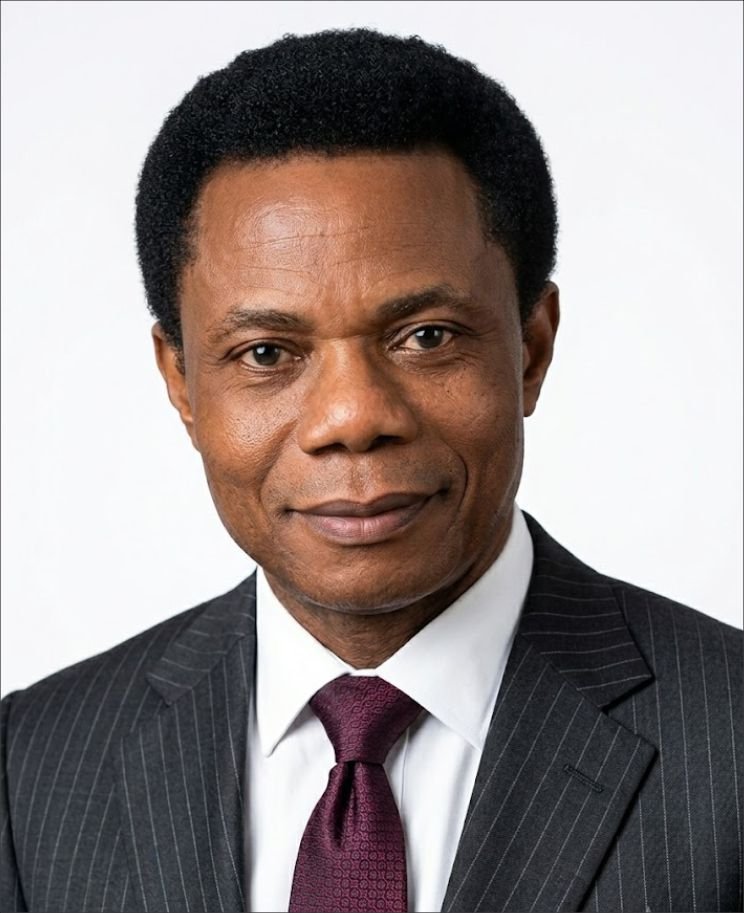
Pyo Merez is a 45-yeard old husband, father, and a chemical engineer by profession and the founder of Gentsways, a men’s lifestyle site built in honour of his father, Dee Clement. He has been writing about men’s development, style, and character through his father’s lens since 2021, drawing on lived experience, his father’s example, and research from reputable publications. He is not a certified trainer or therapist; where fitness or health topics require it, articles are reviewed by qualified contributors.