
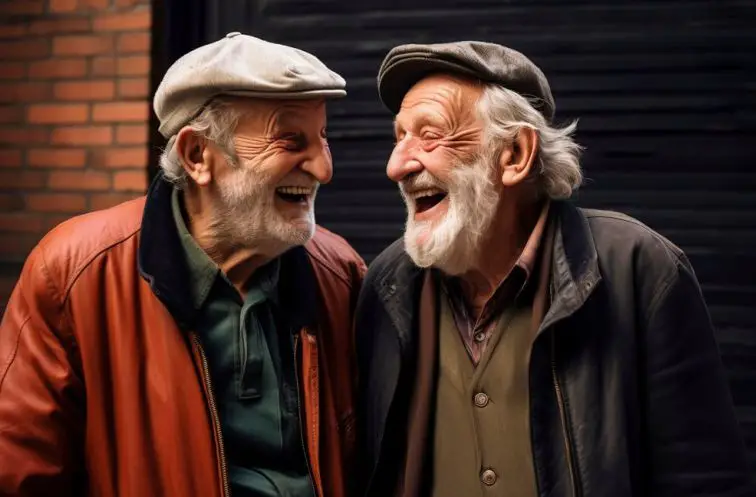
Four older men raised me as much as any school did, namely my two grandfathers, my father, and his younger brother. Watching them age taught me that older men deserve far more respect than the world gives them.
Most content for men stops at forty, as if life after that is simply a slow decline.
The truth looks very different, because many men over fifty have more freedom, more wisdom, and more self-knowledge than at any earlier stage.
They also face new questions about style, relationships, family roles, loneliness, and purpose.
Gentsways treats this stage seriously, with honest and respectful advice rather than jokes about slippers and cardigans.
This page brings everything together, with a short overview of each area and links to the detailed posts behind it.
Table of Contents
What Is an Older Man?
An older man is generally a man over fifty, though age alone tells only part of the story. Health, energy, work, and family life vary hugely between two men of the same age.
This group is growing faster than almost any other in the developed world.
The US Census Bureau reported that 55.8 million Americans were 65 or older in 2020, about one in six people.
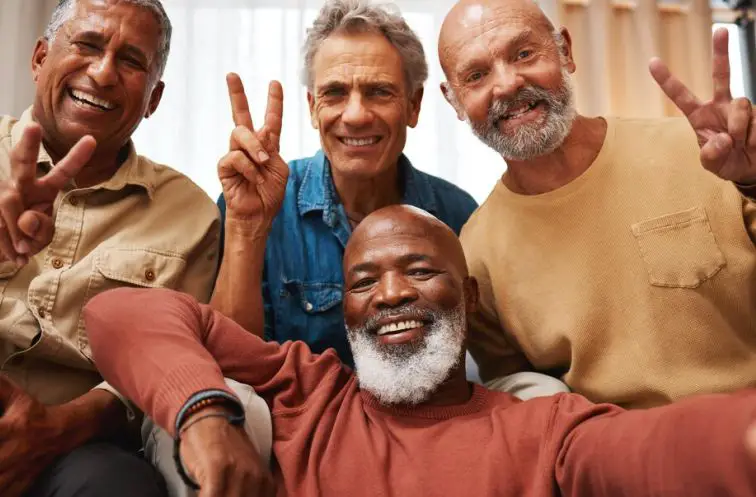
That number rose 38.6 percent in a single decade, the fastest growth since the 1880s.
Similar trends are reshaping countries like the UK, Canada, and Australia, as people live and work longer.
Each decade after fifty brings its own priorities, changes, and opportunities for growth.
- Fifties. Most men are still working, and many reassess careers, marriages, and long-held habits for the first time in years.
- Sixties. Retirement comes into view, children leave home, and grandchildren begin to arrive.
- Seventies. Free time grows, and mentoring, hobbies, and family take center stage.
- Eighties and beyond. Independence, close relationships, and legacy matter more than ever.
Older Gentlemen and Older Men
Every man grows older, but not every older man becomes a gentleman. The difference lies in his conduct toward others, not in birthdays or bank balances.
An older gentleman listens as much as he speaks, keeps his temper in disagreements, and treats a waiter with the same respect as a chief executive. He carries his years with grace and gratitude rather than bitterness or regret.
You can read more about what makes an older gentleman and the habits that set him apart.
For the wider picture, see everything Gentsways covers for men of all ages.
What Four Older Men Taught Me
- My paternal grandfather rarely raised his voice, even when a deal went badly or a neighbor wronged him. He taught me that calm in a crisis is a form of strength.
- My maternal grandfather loved stories, and he told them with a twinkle that made every child lean closer. From him I learned that warmth and humor keep a man young.
- My father, who passed in 2018, showed me how to stay steady, read widely, and admit when he was wrong.
- His younger brother taught me that it is never too late to start something new.
None of them had everything figured out, and none of them ever pretended otherwise.
Together they showed me that aging well is a skill, built through daily choices rather than luck.
Their example sits behind every post in this section, and inside the lessons older gentlemen pass on.
What Changes After 50
Life after fifty brings real changes, some welcome and some harder to accept. Knowing what to expect makes each shift easier to handle with grace.
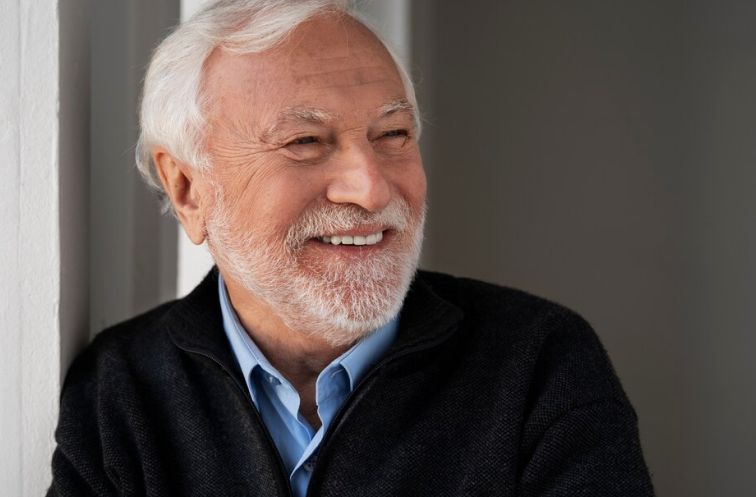
- Your body. Energy, recovery, skin, and hair all change, so your wardrobe and grooming need small updates.
- Your roles. Children grow up, careers wind down, and many men become grandfathers or mentors.
- Your relationships. Some marriages deepen, some end, and friendships need more deliberate care.
- Your priorities. Most men grow more selective about where they spend time and energy.
Many of these changes bring quiet gifts, such as patience, perspective, and a stronger sense of what truly matters.
My grandfathers both said their sixties were among the happiest years of their lives.
Style for Older Men
Aging does not mean losing your style, but it does mean refining it. Fit, comfort, and quality fabrics matter more than chasing trends after fifty.
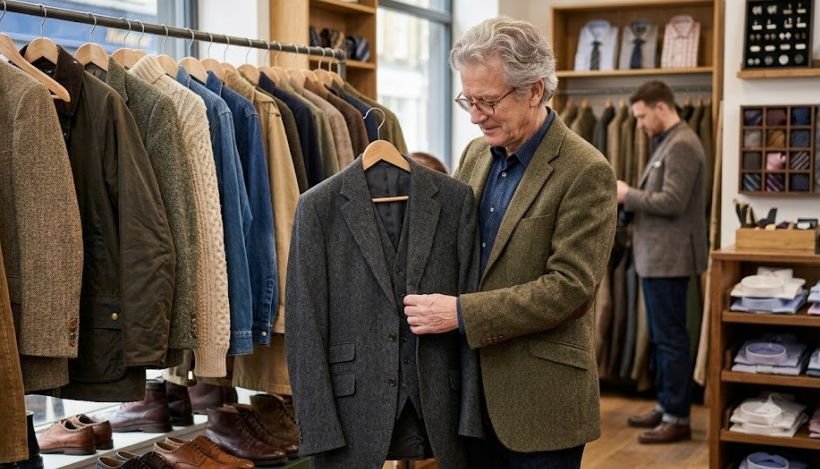
Classic pieces suit this stage beautifully, such as navy blazers, good knitwear, tailored trousers, and polished leather shoes. Gray hair also pairs beautifully with navy, charcoal, and soft shades of blue.
- Fashion rules for mature men, from fit to color.
- The older man’s core wardrobe, piece by piece.
- Relaxed weekend outfits after fifty that still look sharp.
- Office outfits for men in their fifties, from suits to business casual.
- Clothes older men should retire for good.
- Jeans and denim after sixty, with fits that flatter.
- Smart ways to wear a polo after fifty, worn smartly.
- Golf outfits for active men over fifty who are new to the game.
- The silver fox look and silver fox outfit ideas for confident gray-haired men.
For principles that apply at any age, see style basics for men of every age.
Grooming for Older Men
Grooming after fifty takes a gentler touch than it did in your twenties. Skin becomes thinner and drier, hair grows in new places, and shaving can irritate more easily than before.

A simple routine still works best, with a mild cleanser, a richer moisturizer, daily sunscreen, and regular trims. Gray hair looks distinguished when it is cut well and kept healthy.
- A daily routine for mature grooming, step by step.
- Caring for mature skin as it thins and dries.
- Skin care slip-ups after fifty and how to avoid them.
- Flattering cuts for men past fifty, from crops to side parts.
- Styling gray and silver hair so it looks deliberate.
- Hair products that add volume after sixty and shine.
- Beards that suit gray facial hair, from stubble to full.
- Choosing a razor for mature skin, wet or electric.
- Trimmers for ear and nose hair that are safe and simple.
The full routine for all ages lives in grooming basics for every man.
Dating and Relationships After 50
Love does not retire, and many men find their best relationships later in life. Confidence, stability, and kindness count for far more than youth or a full head of hair.

Some men are dating again after divorce or the loss of a partner, while others are rediscovering a long marriage. Both paths take honesty, patience, and a real willingness to try new things.
- Dating again after fifty, from apps to second marriages.
- What mature men look for in a partner and a relationship.
- Habits that keep mature men attractive at any age.
- Age-gap relationships with younger women, honestly discussed.
- Returning to dating after a divorce, with sensible first steps.
- Healing after a late divorce before moving on.
- Confidence and dating for bald men, at every age.
Fathers and Grandfathers
Fatherhood changes rather than ends when children grow up and leave home. Advice replaces instruction, and the relationship slowly becomes a friendship between two adults.
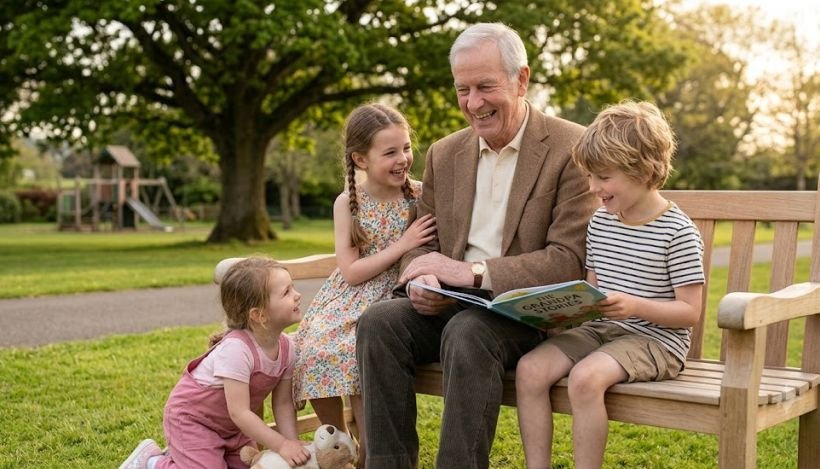
Grandfatherhood is its own stage, with less daily responsibility and more room for fun. My maternal grandfather turned every visit into an adventure, and his grandchildren still talk about it today.
- Being a modern grandfather, involved and present.
- Advice for first-time grandfathers welcoming a new baby.
- Bonding with grandchildren at every age, from toddlers to teens.
- Things to do with your grandchildren, indoors and out.
- Talking with teenage grandchildren without lecturing.
- Grandparenting from far away when family lives in another city.
- Becoming a father later in life, with its joys and challenges.
Work, Retirement, and Identity
For many men, work supplies structure, friendships, and a sense of worth. Retirement can remove all three at once, which is why the first year away from work feels harder than expected.
My father kept a daily routine long after he stopped working, rising early, dressing properly, and reading before breakfast. That habit gave his days structure and purpose long after his last day at work.

Some men ease into retirement through part-time work, consulting, or mentoring younger colleagues. Others start the business or craft they always postponed, turning decades of skill into something new.
Whatever path you choose, plan how you will spend your days, not just your savings. A clear answer to “what will I do on Monday morning” protects your mood and your relationships.
Technology and Staying Current
Technology can feel like a young man’s world, but men past sixty who embrace it gain a great deal. Video calls keep grandchildren close, and online groups connect men with shared interests.

You do not need to master every new app or device that appears. Learn the tools that help you stay in touch, manage daily tasks, and follow the hobbies you enjoy most.
Good manners still apply online, from replying to messages promptly to keeping arguments off social media.
These rules for polite behavior online work just as well at seventy as at seventeen.
Myths About Older Men
Plenty of tired stereotypes still follow men over sixty around in films, adverts, and jokes. Most of them fall apart the moment you meet real men in their sixties and seventies.
- Older men cannot change. Many men make their biggest changes after fifty, from new careers to new marriages.
- Style no longer matters. Men over sixty who dress well are treated with more respect at work and in public.
- Romance belongs to the young. Many men find deeper love later in life than they did in their twenties.
- Older men have nothing new to learn. Curiosity keeps the mind sharp, and new skills bring real joy at any age.
- Retirement means rest. For many men it means freedom to finally do what they love.
Staying Connected
Friendship may be the most overlooked part of aging well for men. Many men rely on a wife for most of their social life, and that leaves them exposed.
Research shows how much is at stake when a man’s social world shrinks. A large study by Nicholas Christakis and Felix Elwert found that men had an 18 percent higher risk of dying after losing their wives.
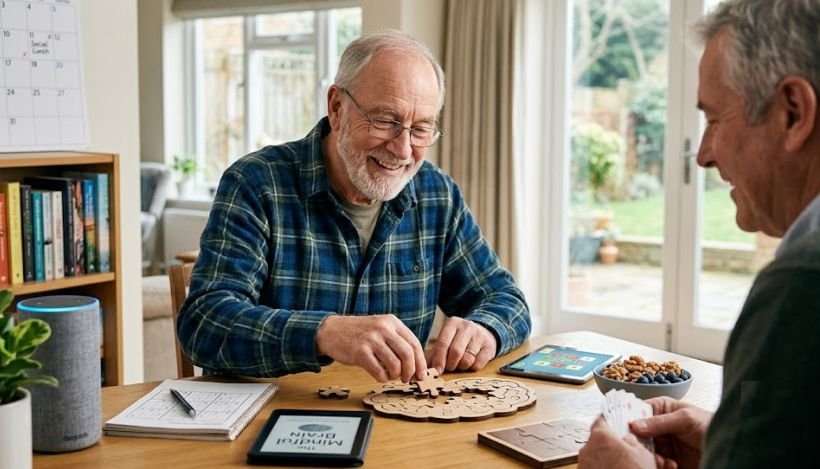
Isolation seems to matter for the mind as well as the heart. The 2024 Lancet Commission listed social isolation and hearing loss among 14 risk factors linked to dementia.
The lesson from all this research is simple and within reach for almost every man. Keep old friendships alive, make new ones through clubs or volunteering, and get your hearing checked if conversations start slipping away.
- Beating loneliness after fifty with simple, low-pressure steps.
- The fears older men rarely voice, and how to face them.
Staying Active
Activity keeps you independent, sociable, and able to enjoy the things you love. Walking with friends, golf, gardening, swimming, and dancing all count toward that goal.
For adults over 65, the CDC suggests 150 minutes of moderate activity a week, plus strength and balance activities. Talk to your doctor before starting any new exercise routine, especially after a long break.
Hobbies and Purpose
Purpose is what keeps the later years rich rather than empty or aimless. My uncle took up carpentry at sixty-five and now builds furniture for half the family.

Hobbies give structure to the day, introduce new friends, and keep the mind curious. Mentoring younger men, volunteering, and learning new skills add meaning that no paycheck ever could.
- Pastimes for retirement and beyond, from fishing to woodworking.
- Gift ideas for older men who seem to have everything.
Planning Ahead
Later life comes with important money, legal, and health decisions for every man. These deserve qualified advice, so Gentsways does not cover them in detail.
In the US, Social Security full retirement age is 67 for anyone born in 1960 or later, while Medicare starts at 65. For your own situation, speak with a licensed financial adviser, an attorney, and your doctor.
Protecting Yourself From Scams
Older adults are prime targets for fraud, and the losses are enormous. AARP reports that adults 50 and older reported 4.3 billion dollars in fraud losses in 2025, based on FTC data.
Common scams include fake tech support calls, romance scams, and callers pretending to be a grandchild in trouble. Never send money or personal details to anyone who contacts you unexpectedly, however urgent they sound.
Hang up, then call the person or company back on a number you already trust. If you think you have been targeted, report it to your bank and local authorities right away.

Final Words from Gentsways
My grandfathers, my father, and my uncle are mostly gone now, but their lessons stay with me every day.
They showed me that a man’s later years can be his richest, if he keeps learning, loving, and showing up.
Older men have so much to offer their families, friends, and communities.
Start with the area that matters most to you today, such as style, dating, or grandchildren.
Then call an old friend this week, because connection is the habit that holds everything else together.
Frequently Asked Questions
What age is considered an older man?
Most people call men over fifty older men, though health and lifestyle matter more than age. Plenty of men in their sixties outpace men two or three decades younger.
How can older men stay stylish?
Choose clothes that fit well, favor classic colors like navy and gray, and invest in quality fabrics. Skip passing fashion trends, and keep your grooming routine neat and simple.
Can older men find love again?
Yes, many men find lasting love after fifty, through friends, community groups, or dating apps. Honesty about what you want and confidence in who you are matter most.
How can older men avoid loneliness?
Keep old friendships alive, join clubs or volunteer, and stay close to family. Research links strong social ties to longer, happier lives, so treat friendship as a priority.
Disclaimer. This article is for informational purposes only and does not constitute medical, financial, or legal advice. The author is not a medical doctor, financial adviser, or attorney. Where content is based on personal experience or observation, this is stated clearly in the article. Always consult a qualified professional about your health, finances, or legal affairs.