

Last updated on September 21st, 2026 at 04:00 pm
A teenager who once told you everything can suddenly go quiet, and most grandfathers respond in ways that push them further away. Here is how to talk to teenage grandchildren in a way that actually keeps the door open.
My father had a way with his grandchildren that I still cannot fully explain.
He never seemed to work at getting their attention, yet his grandchildren wanted to be around him, told him things they kept from everyone else, and stayed close to him well into their teenage years.
This is a personal observation, not a research finding, but it is part of why this piece exists.
I have spent real time studying how grandfathers actually communicate well with teenagers, partly to understand what my father did so naturally, and partly to be ready for it myself someday, and also to help my grandfather readers who are having challenges in communicating with their teenage grandchildren.
Talking to teenage grandchildren comes down to a shift most grandfathers never quite prepare for: moving from the adult who advises to the person a teenager actually chooses to talk to.
Trust matters more here than having the perfect words ready, a principle our guide to being a modern grandfather covers as the foundation of the whole role.
Our guide to bonding with grandchildren at any age touches on this stage briefly, but teenage communication deserves its own deeper look.
Below are the practical habits, phrases, and boundaries that make a real difference, along with the signs that mean a bigger conversation with a parent or professional is needed.
Table of Contents
Why Teenage Communication Changes
Teenagers naturally pull toward independence and privacy, which often looks like shorter answers and less openness with adults.
Short replies do not automatically mean a teenager dislikes you.
They often mean the same thing they meant at your age: a need for space that has nothing to do with rejection.
Give that room without pulling away yourself, since staying gently present matters more now than it did when they were younger.
Start Conversations Without Interrogating
Rapid-fire questions rarely open a teenager up. A generic “how was your day” gives them an easy exit, since it invites a one-word answer and signals you already expect everything to be fine, according to communication guidance from Mission West Virginia’s parent resource center.

Ask something specific instead, tied to an actual detail from their life, and talk alongside them during a shared activity rather than sitting face to face.
A car ride or a walk often produces more real conversation than a planned sit-down ever will.
Listen Before You Advise
A study from the University of Reading and the University of Haifa, published in the Journal of Experimental Child Psychology, found that teenagers who felt genuinely listened to were more likely to open up again in the future.
Engaged listening also mattered equally across ages 13 to 16, according to coverage of the research in ScienceDaily.
Eye contact, nodding, and simply staying present made teenagers feel more authentic and connected to the adult listening to them.
A few phrases keep that door open in practice:
- “Tell me more about that.”
- “What do you think?”
- “Do you want my advice, or do you just want me to listen?”
- “I can see why you might feel that way.”
Ask before you advise, and let silence sit for a moment before filling it with your own opinion.
Topics Worth Bringing Up
Interests and school
Ask about music, gaming, sports, or friends without pretending to know more than you do, and let your grandchild teach you something instead of just talking about their day.
When school comes up, ask about their experience rather than only their grades.
Friendships and social life
Ask who they spend time with and how those relationships feel, without immediately criticizing a friend based on one story.
Peer pressure is easier to discuss once a teenager trusts that you will not overreact.
Dating and relationships
Create space for questions without embarrassing jokes about their romantic life.
Respect, boundaries, and honest communication are worth discussing directly; principles our guide to men and relationships apply more broadly, though a parent or guardian should usually take the lead on more sensitive specifics.
Social media and online life
Ask what platforms they actually use and how it feels to be on them, rather than assuming the worst.
Discuss privacy and digital footprints without demanding access to every private conversation.
Money and responsibility
Basic conversations about saving, earning, and budgeting land better here than they will later.
Keep money out of the relationship as a control tool, and treat these talks as practical rather than moralizing.
Handle Mistakes Without Shaming
Stay calm when a teenager admits something went wrong, since your reaction in that moment decides whether they come to you again next time.
Separate the mistake from the person, and ask what happened before deciding how you feel about it.
Help them think through what they could do differently, and be honest about why the truth matters even when it is uncomfortable to hear.
Respect Their Privacy and Boundaries
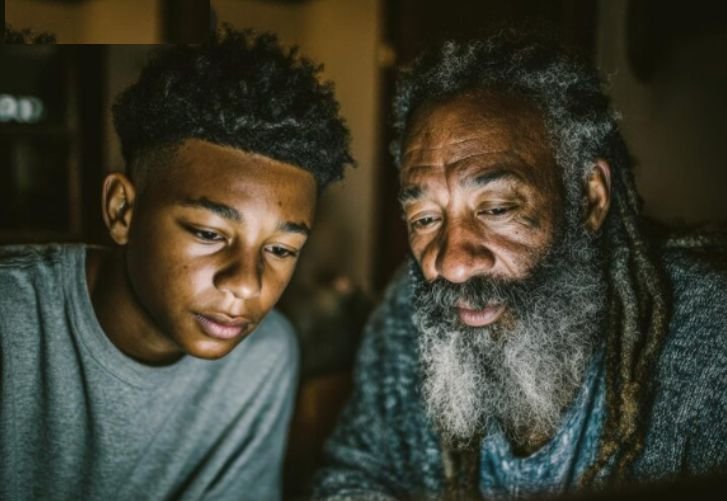
Privacy and secrecy are not the same thing, and treating them as identical damages trust.
Knock before entering their room, avoid sharing their personal stories with relatives, and ask before posting anything about them online.
The exception is safety. If something crosses into real danger, adult intervention takes priority over privacy every time.
Avoid the “When I Was Your Age” Trap
Constant comparisons to your own teenage years tend to shut a conversation down rather than open it up.
Share your experiences as stories, not universal rules, and acknowledge what has genuinely changed between generations.
A few other phrases tend to close conversations just as fast:
“you have nothing to worry about,”
“kids today are different,” and
“you’ll understand when you’re older.”
Public criticism and embarrassing nicknames do the same damage, just more visibly.
Navigate Difficult Moments
When a teenager is angry, stay calm and give them time to cool down rather than matching their tone.
When they disagree with you, allow the disagreement to stand without turning it into a lesson every time.
When they go quiet, resist the urge to chase every conversation, and keep showing interest without pressure.
When they tell you something serious, listen fully, thank them for trusting you, and avoid promising total secrecy if safety is involved.
When a Grandfather Should Step In
Most teenage moodiness and distance is normal and does not require escalation. Some signs do.
According to the CDC, warning signs worth taking seriously include talking about feeling hopeless or like a burden, withdrawing from people and activities they used to enjoy, giving away prized possessions, and a noticeable increase in substance use.
None of these signs alone confirms a crisis, but a pattern of them deserves a direct, calm conversation and involvement from a parent, school counselor, or medical professional.
If a teenager is in immediate danger, the 988 Suicide and Crisis Lifeline is free, confidential, and available 24 hours a day by call or text.
This is a sensitive topic, and if you are personally concerned about a grandchild right now, reaching out to a parent, a doctor, or the 988 Lifeline directly is a stronger next step than working through it alone.
Use Technology as a Bridge
Text messages, voice notes, and video calls meet teenagers where they already are, and sharing music, photos, or a shared game can open a conversation without any pressure attached.
Technology works best as a bridge to real conversation, not a replacement for it.
Build Regular Opportunities to Talk
Weekly meals, drives, cooking together, or watching a game side by side all create natural openings for conversation without forcing a serious discussion.
Let real talks happen inside ordinary time together rather than scheduling every meaningful moment, an idea our guide to activities grandfathers can do with their grandchildren covers in more depth.
Strengthen the Relationship Beyond Conversation
Keep your promises, remember what matters to them, and celebrate effort rather than only results.
Admit when you are wrong, and apologize when it is warranted.
Consistency here matters as much as any single conversation, a theme our guide to what makes a good grandfather covers in full.
A Simple Framework for Any Conversation
When a real conversation opens up, a short structure helps: Ask an open question, listen without rushing to respond, validate what they shared even if you do not fully agree.
Ask a follow-up to understand more, advise only if it is welcome, and support them by keeping the relationship open no matter how the conversation ends.
Conclusion
How to talk to teenage grandchildren comes down to trust built through consistency, not clever wording in any single conversation.
Listen more than you advise, respect the boundaries they are learning to set, and stay present even through the quiet stretches.
Pick one habit from this guide, whether that is a new phrase or a regular shared activity, and try it this week.
The relationship you build now with patience tends to come back stronger once they reach adulthood.
Frequently Asked Questions
Why does my teenage grandchild suddenly talk to me less?
This is usually normal independence-seeking, not rejection. Staying gently present without pushing for constant conversation tends to keep the relationship intact through this stage.
What questions actually get teenagers talking?
Specific, open-ended questions tied to something real in their life work better than general ones like “how was school.” Talking during a shared activity also helps.
How do I know when a grandchild’s behavior needs more than a conversation?
Watch for a pattern of hopeless talk, withdrawal, giving away possessions, or rising substance use. A cluster of these signs warrants involving a parent or professional directly.
Should I tell a teenage grandchild about my own mistakes at their age?
Yes, framed as a story rather than a lesson. Sharing honestly tends to build trust faster than presenting advice from a position of authority.

Pyo Merez is a 45-yeard old husband, father, and a chemical engineer by profession and the founder of Gentsways, a men’s lifestyle site built in honour of his father, Dee Clement. He has been writing about men’s development, style, and character through his father’s lens since 2021, drawing on lived experience, his father’s example, and research from reputable publications. He is not a certified trainer or therapist; where fitness or health topics require it, articles are reviewed by qualified contributors.