

Last updated on October 9th, 2026 at 12:44 pm
A career for men can feel like a maze of conflicting advice, family pressure, and fear of choosing wrong. This guide shows you how to choose well, grow steadily, and recover from setbacks at work.
You will find 22 good careers here, each with pay and growth figures taken from official US government data.
Beyond the list, you will learn how to test a path before committing, build a reputation that opens doors, and grow into bigger roles.
You will also learn how to start a business, handle layoffs and burnout, and make the right moves in each decade of life.
Most men change jobs several times, so the goal is a career that keeps giving you options rather than one perfect choice made early.
Table of Contents
What a Career Means for a Man Today
A career is the long arc of your working life, built from the skills you learn and the choices you make. A job pays this month, while a career keeps paying in skills, reputation, and options for decades.
Many men still carry the expectation of being the steady provider for a family. That pressure is real, but it works better as motivation than as a weight you carry alone.
The right career gives you more than income, because it gives you a daily sense of competence and contribution. The wrong one drains your energy and leaks into your health, your marriage, and your patience with your kids.
How to Choose a Career That Fits You
Choosing well starts with honest questions about yourself rather than a list of trendy jobs. Spend real time on the three steps below before you commit money or years to any path.
Start With What You Already Do Well
List the tasks people ask you to help with, and the work that makes hours pass quickly. Those clues point toward strengths that employers will pay for and that you will not tire of soon.
Ask two or three people who know you well what they see as your strongest skills. Their answers will sometimes surprise you, and outside views catch blind spots you cannot see yourself.
Weigh Pay Against the Life You Want
High pay can come with long shifts, travel, or years of expensive training before you earn a cent. Decide early how much time with family, physical work, or schedule freedom you need to feel settled.
A welder and a software engineer can both build a good life, but their days look nothing alike. Picture an ordinary Tuesday in each role and ask which one you would still enjoy in ten years.
Test a Path Before You Commit
Shadow someone for a day, take a short online course, or volunteer in the field before enrolling in a long program. A cheap test now saves you from a costly change of direction later on.
Talk to people already doing the work and ask what they wish they had known at the start. Most professionals are happy to answer a short, polite message, especially when you ask specific questions.

22 Good Careers for Men to Consider
The careers below cover technology, skilled trades, healthcare, clean energy, and independent business. Pay figures are national medians from the US Bureau of Labor Statistics, using May 2025 data and 2025 to 2035 projections.
22 Good Careers for Men at a Glance
| Career | Median Pay (US, May 2025) | Typical Entry Education | Projected Growth 2025–2035 |
|---|---|---|---|
| Cybersecurity analyst | $129,180 | Bachelor’s degree | 21% |
| Data analyst or data scientist | $120,230 | Bachelor’s degree | 35% |
| Machine learning engineer | $140,300 | Master’s degree | 22% |
| Cloud and network architect | $134,050 | Bachelor’s degree | 8% |
| Electrician | $63,190 | High school plus apprenticeship | 9% |
| Plumber | $63,800 | High school plus apprenticeship | 7% |
| Carpenter | $60,580 | High school plus apprenticeship | 4% |
| Welder | $53,750 | High school plus training | 2% |
| HVAC technician | $61,010 | Postsecondary certificate | 11% |
| Registered nurse | $97,550 | Bachelor’s or associate degree | 6% |
| Physical therapist | $102,760 | Doctoral degree | 12% |
| Radiologic technologist | $81,390 | Associate degree | 5% |
| Respiratory therapist | $82,280 | Associate degree | 9% |
| Physician assistant | $135,880 | Master’s degree | 21% |
| Solar panel installer | $53,140 | High school plus training | 37% |
| Wind turbine technician | $64,120 | Postsecondary certificate | 30% |
| Environmental scientist | $82,220 | Bachelor’s degree | 6% |
| Digital marketing specialist | $78,760 | Bachelor’s degree | 7% |
| E-commerce business owner | Varies widely | None required | No federal data |
| Content creator | Varies widely | None required | No federal data |
| Project manager | $102,320 | Bachelor’s degree | 7% |
| Logistics and supply chain specialist | $82,320 | Bachelor’s degree | 18% |
Technology Careers
1. Cybersecurity Analyst
Information security analysts protect company networks and data from attacks, leaks, and fraud. The work suits curious people who enjoy puzzles, and industry certifications can help you get hired without years of experience.
2. Data Analyst or Data Scientist
Data professionals turn raw numbers into answers that help a business decide what to do next. BLS projects 35 percent growth for data scientists, one of the fastest rates of any office career.
3. Machine Learning Engineer
Machine learning engineers build systems that learn from data, such as recommendation tools and fraud filters. BLS groups much of this work with computer and information research scientists, a field that usually expects a graduate degree.
4. Cloud and Network Architect
Cloud specialists design and run the online systems that companies now depend on every hour of the day. BLS ties rising demand for computer network architects directly to the continued spread of cloud computing.
Skilled Trades
Not every man wants a desk, and the trades reward people who like solving real problems with their hands. Most trades let you earn while you learn through paid apprenticeships instead of paying for years of classes.

5. Electrician
Electricians install and repair wiring in homes, factories, and the growing number of electric vehicle chargers. The path runs through a paid apprenticeship and a license, and experienced electricians frequently start their own contracting firms.
6. Plumber
Plumbers and pipefitters keep clean water flowing in and waste flowing out of every building you enter. The licensing path is clear, emergency work pays a premium, and the job cannot be shipped overseas.
7. Carpenter
Carpentry blends physical strength, careful math, and a craftsman’s eye for detail. Carpenters build frames, stairs, and cabinets, and skilled finish carpenters can build a loyal client list through word of mouth.
8. Welder
Welders join metal for construction, shipbuilding, pipelines, and manufacturing plants around the world. Overall growth is slow, so specialized certifications such as pipe or underwater welding make the biggest difference to pay.
9. HVAC Technician
Heating and cooling technicians install and repair the systems that keep homes, hospitals, and offices livable. Training takes months rather than years, and demand rises with every new energy efficiency rule.
Healthcare Careers
Healthcare offers steady demand, clear training paths, and work that matters to people on their hardest days. Men remain a minority in several of these roles, which means patients and employers increasingly welcome them.

10. Registered Nurse
Registered nurses care for patients, coordinate treatment, and can specialize in areas such as emergency, trauma, or psychiatric care. The field offers strong pay, flexible shifts, and room to advance into nurse practitioner or management roles.
11. Physical Therapist
Physical therapists help people regain movement after injuries, surgeries, and long illnesses. The role suits men who love sport and science, though it requires a doctoral degree before you can practice.
12. Radiologic Technologist
Radiologic technologists operate X-ray, CT, and MRI equipment that doctors rely on for a diagnosis. An associate degree is the usual entry point, which makes this a fast route into a well-paid medical career.
13. Respiratory Therapist
Respiratory therapists treat patients who struggle to breathe, from premature babies to older adults with lung disease. The job suits calm men who think clearly under pressure in emergency rooms and intensive care units.
14. Physician Assistant
Physician assistants examine patients, diagnose illness, and prescribe treatment as part of a medical team. It takes a master’s degree, but it reaches doctor-level responsibility in far less time than medical school.
Clean Energy and Environment
The shift toward renewable power is creating two of the fastest-growing jobs tracked by the federal government. These roles suit men who want outdoor work with a visible result at the end of each day.

15. Solar Panel Installer
Solar photovoltaic installers mount and connect panels on roofs and open land for homes and businesses. Starting pay is modest, but projected growth of 37 percent is among the highest of any occupation.
16. Wind Turbine Technician
Wind turbine technicians climb towers to inspect, repair, and maintain the machines that turn wind into electricity. A technical certificate gets you started, and you need a head for heights and good physical fitness.
17. Environmental Scientist
Environmental scientists test soil, water, and air, then advise companies and governments on reducing harm. A science degree is the entry point, and the work splits between fieldwork, lab time, and reports.
Business and Independent Work
Some men want to build something of their own or lead teams rather than work a fixed schedule. These careers reward initiative, though income in the independent ones can swing widely from month to month.
18. Digital Marketing Specialist
Digital marketers help brands get found online through search, social media, email, and paid ads. BLS tracks this work alongside market research analysts, and the skills transfer well to freelancing or running an agency.
19. E-commerce Business Owner
An online store lets you sell products to customers anywhere, sometimes without holding stock yourself. Profits are never guaranteed, so test a small product line before you put serious savings into inventory or ads.
20. Content Creator
Creators build an audience through video, writing, or podcasts, then earn from ads, sponsors, or memberships. Most creators earn little in their first years, so treat this as a long build alongside steady income.
21. Project Manager
Project management specialists keep teams, budgets, and deadlines on track in nearly every industry. Recognized certifications and experience with Agile methods help you stand out, and the skills carry over to almost any sector.
22. Logistics and Supply Chain Specialist
Logisticians manage how goods move from suppliers to warehouses to customers around the world. The role suits men who enjoy solving complex puzzles, and projected growth of 18 percent is strong for a business career.

Build a Professional Reputation
Your reputation is the story people tell about you when you are not in the room. It grows from small, repeated actions far more than from a polished resume or a clever job title.
Present Yourself With Care
Clothes and grooming will not replace skill, but they tell people you take the work seriously. Learn the basics of business casual dress for men, and own at least one suit for interviews, funerals, and important meetings.
A guide to choosing a well-fitted suit will save you from the most common mistakes. Pair it with a firm grip and steady eye contact, because handshake etiquette basics still matter in most workplaces.
Mind Your Manners at Work
Good manners are a career skill that costs nothing and gets noticed quickly by senior people. Brush up on business etiquette for men, from meeting behavior to how you treat assistants and cleaners.
Your inbox is part of your reputation too, so follow professional email etiquette rules every time you write. Client lunches carry their own tests, and sound table manners at business dinners help you relax and talk shop.
Build Real Connections
Networking works best when you give before you ask, and when you keep in touch between job searches. A guide to building a professional network can help you start, even if events make you nervous.
Remember that most people form a firm opinion about you within minutes of meeting you. Learning the habits behind making a strong first impression pays off in interviews, sales calls, and new teams.
Skills That Move a Career Forward
Technical skills get you hired, but people skills decide how far and how fast you rise. The strongest careers combine both, and each one can be learned with deliberate practice.
Lead Before You Have the Title
Leadership starts with owning your work, helping teammates, and making decisions when others hesitate. Managers notice the person who steps up during a crisis long before a formal promotion is on the table.
Communicate Clearly
Say what you mean in fewer words, in meetings, in reports, and in every quick message you send. Clear communication prevents mistakes, saves time for everyone, and makes you the person people want on their projects.
Read People Well
Reading the mood in a room and staying calm under pressure are learnable skills, not fixed traits. Our piece on why emotional intelligence matters covers how to grow this side of yourself.
Manage Your Time
Block time for deep work, protect it from meetings, and finish the most important task before noon. Simple habits like a written daily plan beat expensive apps for most men in most jobs.
Keep Adapting
New tools, shifting markets, and restructures will change your job several times over a working life. The men who keep learning steadily are the ones who stay employed and valued through each change.
How to Grow Into Bigger Roles
Promotions rarely arrive just because you worked hard, kept your head down, and waited patiently. They come when the right people know your results, trust your judgment, and see you ready for more.
Keep a Record of Your Results
Write down wins as they happen, including problems solved, money saved, and projects delivered on time. That record becomes your evidence when you ask for a promotion, a raise, or a new role.
Ask Clearly for What You Want
Research the typical pay range for your role before any review, then make a calm case based on results. If the answer is no, ask what you would need to show to earn a yes next time.
Find a Mentor
A good mentor has walked the road ahead of you and will tell you hard truths kindly. Ask for one specific conversation rather than a formal arrangement, then follow their advice and report back.
Keep Learning on Purpose
Pick one skill each year that would make you more valuable, then study it through courses, reading, or projects. Certifications help most in technical fields, while stretch assignments teach leadership faster than any classroom.
Starting Your Own Business
Running a business gives you control over your time and the size of what you build. It also brings risk, uneven income, and long hours, especially during the first two or three years.
Start with a problem you have seen people pay to solve, not an idea that only excites you. Test it with a few paying customers while you still have a job, then grow at a pace your cash can support.
Seek advice from an accountant or a small business adviser before you sign leases, borrow money, or hire staff. Those early decisions are hard to reverse, and qualified guidance costs far less than a failed launch.
Handling Setbacks at Work
Every working life includes rough patches, from bad bosses to layoffs and long stretches of doubt. How you respond to those moments decides more about your career than the setbacks themselves.
Losing a Job
A layoff hurts, but it also forces a clear look at what you want next and what you have outgrown. Update your resume, tell your network, and set a daily routine so the search does not swallow your week.
Burnout and Stress
Constant exhaustion, cynicism, and dread on Sunday nights are signs that something needs to change. Talk to your manager about workload, and speak with a doctor or counselor if the strain affects your sleep or mood.
Self-Doubt
Many capable men feel like frauds when they step into a bigger role for the first time. Track your progress, ask for honest feedback, and use building confidence as a man as a starting point.
Quieter men sometimes assume they are at a disadvantage in loud workplaces. Our guide to self-improvement for introverted men shows how listening and preparation become real strengths at work.
Career Moves at Every Age
The right move at 25 can be the wrong move at 50, so match your strategy to your stage of life. Each decade brings different strengths, responsibilities, and opportunities that are worth using well.
In Your 20s
This decade is for learning fast, trying different roles, and building habits that compound for decades. A clear roadmap for young men helps you avoid drifting from one job to the next.
In Your 30s
Your 30s are for depth, so pick a direction and become known for something specific. Many men start families in this decade, and balancing work and family as a dad becomes a skill in its own right.
In Your 40s
Many men reassess their path around 40, which is normal rather than a crisis. Comparing your life with common milestones a man reaches by 40 can help you decide what to change and what to keep.
In Your 50s and Beyond
Experience becomes your biggest asset, so you can stay put, change fields, or move into consulting and mentoring. Men who have gone before you have plenty to teach, and these lessons from older gentlemen are a good place to start.
What Research Shows
Research on careers points to a few habits that matter more than luck or talent alone. The studies below are among the most cited and carefully designed in this area.
A large LinkedIn experiment published in Science tracked more than 20 million people over five years. Moderately weak ties, meaning acquaintances rather than close friends, produced the most job moves across 600,000 new jobs.
A 2004 meta-analysis in the Journal of Applied Psychology by Allen and colleagues pooled earlier studies on mentoring. People with mentors reported higher career satisfaction and slightly better pay and promotion records than people without them.
Gallup’s State of the Global Workplace report surveyed more than 140,000 employed adults about their 2025 working lives. Only 20 percent of employees worldwide were engaged in their work, which shows how common a poor career fit remains.
These findings come with limits worth noting before you act on them. The LinkedIn study covered one platform, the mentoring gains for pay were small, and engagement surveys rely on self-reported feelings.
Frequently Asked Questions
How do I choose a career that suits me?
List your strengths, the work that energizes you, and the lifestyle you want. Then test two or three options through short courses, job shadowing, or honest conversations.
Which careers for men have the strongest growth?
Federal projections favor solar installers, wind turbine technicians, data scientists, cybersecurity analysts, and physician assistants. Each is expected to grow far faster than the average occupation through 2035.
Is it too late to change careers at 40 or 50?
No, many men change fields in midlife by building on transferable skills like leadership and client service. Short certificates and trades training can open new doors faster than most men expect.
Do I need a degree for a good career?
No, many skilled trades pay well after a paid apprenticeship and a license. Electricians, plumbers, and HVAC technicians can earn solid incomes and later run their own businesses.
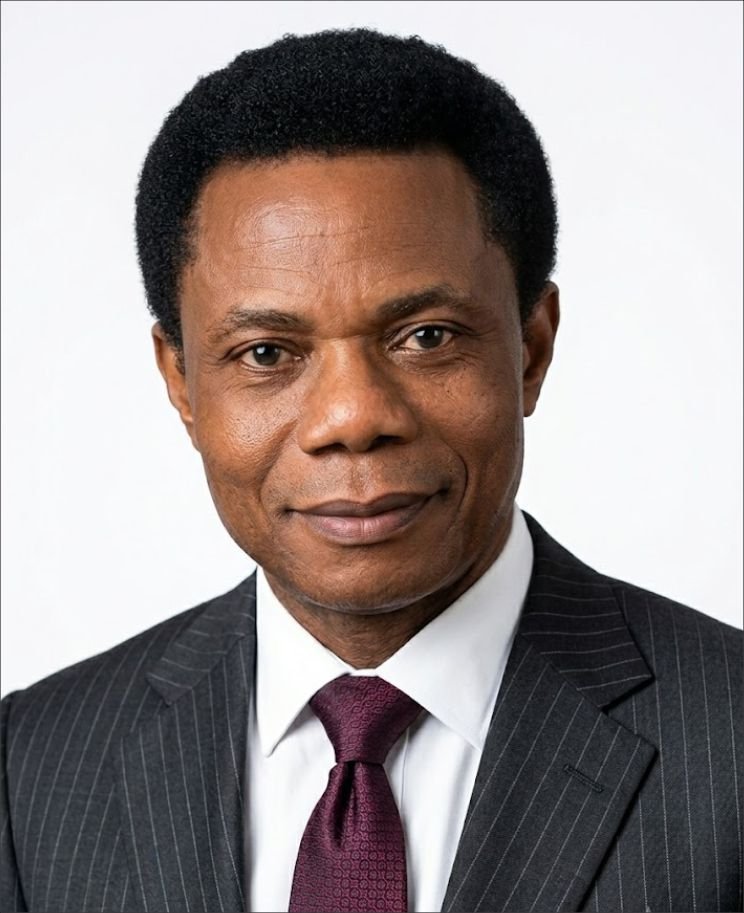
Pyo Merez is a 45-yeard old husband, father, and a chemical engineer by profession and the founder of Gentsways, a men’s lifestyle site built in honour of his father, Dee Clement. He has been writing about men’s development, style, and character through his father’s lens since 2021, drawing on lived experience, his father’s example, and research from reputable publications. He is not a certified trainer or therapist; where fitness or health topics require it, articles are reviewed by qualified contributors.