

Last updated on October 11th, 2026 at 12:26 am
My younger brother moved to Toronto for work with one smart wool coat and a lot of confidence. His first January taught him that men’s outerwear is a system for weather and life, not a single purchase made in a shop window.
Most men think about outerwear one item at a time, buying a coat when the old one wears out or a jacket that catches the eye.
That habit leaves gaps, such as a warm coat that soaks through in rain or a shell that feels useless in deep cold.
You will learn what counts as outerwear, the four main families, and how to choose pieces for your climate and daily routine.
There is also plain advice on layering, fabrics, fit, care, and building a small rotation that covers every season without crowding your hallway.
Table of Contents
What Is Men’s Outerwear?
Men’s outerwear is any garment worn over your regular clothes to protect you from weather or to finish an outfit. Jackets, coats, technical shells, and vests all count, so every jacket is outerwear, but not all outerwear is a jacket.
The difference matters when you shop, because each family solves a different problem. A coat keeps a suit warm and dry on a winter commute, while a technical shell keeps a hiker dry on a wet mountain.
My brother learned that lesson fast, since his wool coat looked sharp but struggled against Toronto’s wind and slush. He needed more than one piece, and he needed each piece to do a clear job.
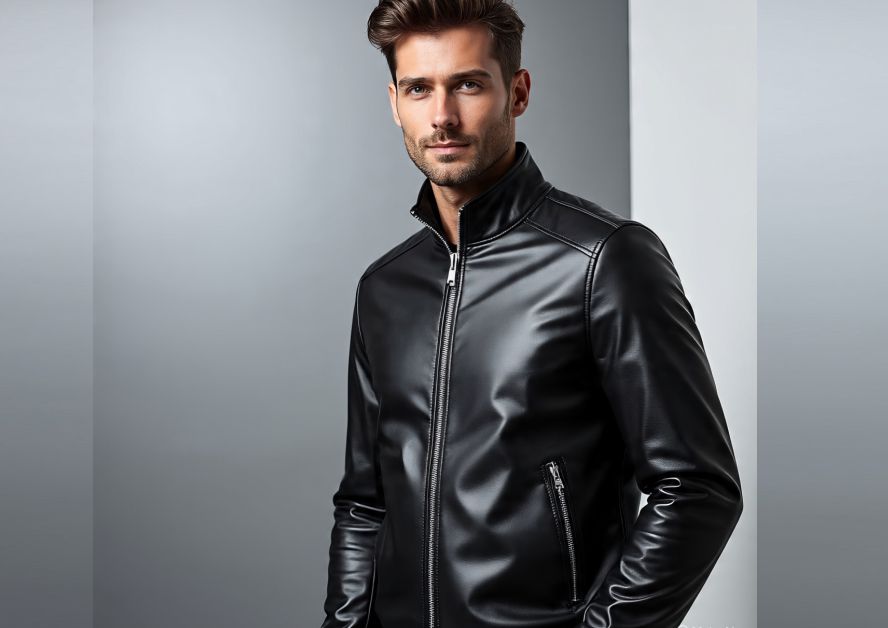
The Four Families of Men’s Outerwear
Almost every piece of outerwear belongs to one of four families, namely jackets, coats, performance outerwear, and vests. Most men need at least one piece from three of these four families.
| Family | Typical Length | Main Job | Examples |
|---|---|---|---|
| Jackets | Waist to hip | Everyday wear and light weather | Field, bomber, denim, leather, blazer |
| Coats | Thigh to knee | Warmth and formality | Overcoat, trench, peacoat, duffle |
| Performance outerwear | Hip | Rain, wind, cold, and activity | Hardshell, softshell, fleece, puffy layer |
| Vests and gilets | Waist to hip | Core warmth with free arms | Padded vest, fleece vest, quilted gilet |
Jackets
Jackets are the shortest and most frequently worn family, ending at the waist or hip. They range from casual field jackets and bombers to tailored blazers, and every major type is covered under men’s jacket types and styles.
Coats
Coats are longer than jackets, usually reaching the thigh or knee, and they cover tailored clothes underneath. They suit cold commutes, formal events, and any outfit that includes a blazer or suit.
Performance Outerwear
Performance outerwear uses technical fabrics and construction to handle heavy rain, strong wind, and physical effort. It began as mountain and hiking gear, and it now appears on city streets as well.
Vests and Gilets
Vests and gilets keep your core warm while leaving the arms free for movement. They layer under a shell or coat in winter, or work alone on cool, breezy days.
Coats Worth Knowing
Coats carry the most formality of any outerwear family, and the right one lasts a decade or more. The wool overcoat is the backbone of the family, and you can read about choosing a wool overcoat in full detail.
Trench Coat
The trench coat began as British officers’ rainwear in the First World War, cut from tightly woven cotton gabardine. It has a double-breasted front, a belt, shoulder straps, and a storm flap that keeps rain from running down your chest.
Choose one that ends just above the knee, in stone, khaki, or navy, with room for a blazer underneath. Wear it over suits on wet spring days, or over a knit and chinos on cool autumn weekends.
Peacoat
The peacoat is a short, double-breasted coat in heavy wool, first worn by sailors who needed warmth on open decks. Broad lapels turn up against the wind, and the length usually ends around the upper thigh.
Navy is the classic color, and the cut suits most builds because it sits neatly over a sweater. Wear it with a roll neck and dark jeans, or over a shirt and flannel trousers.
Topcoat
A topcoat is a lighter, shorter version of the overcoat, made for mild winters and changeable spring days. It usually ends above the knee and works well over suits in cities that rarely freeze.
Duffle Coat
The duffle coat is a hooded wool coat with toggle fastenings, made famous by the British navy. It feels relaxed and slightly academic, suiting weekends, university towns, and casual winter outfits.
Car Coat
A car coat ends around mid-thigh, short enough for sitting comfortably behind a wheel. Wool, tweed, and waxed cotton versions all suit men who drive daily but still want a smart outer layer.
Performance Outerwear in Detail
Performance outerwear deserves careful choice, because the fabrics and features vary widely in quality and price. The right piece keeps you dry and comfortable, while a poor one leaves you sweaty, cold, or soaked.
Hardshells
A hardshell is a fully waterproof, windproof layer with taped seams and a waterproof, breathable membrane inside. It adds little warmth, so you layer insulation underneath and pull the shell on top when weather turns.
My brother’s second purchase was a plain black hardshell, which finally beat the slush and sleet on his walk to the subway. He wore it over his wool coat’s replacement on the worst days, and it changed his whole winter.
Softshells
Softshells use stretchy, breathable fabric that blocks wind and light rain while letting sweat escape. They suit cold, dry days and active plans, such as walking, cycling, and hiking, far better than heavy downpours.
Insulated Layers and Fleece
Light down or synthetic jackets, known as puffy layers, add warmth with very little weight and pack into small bags. Fleece does a similar job and keeps working when damp, which makes it a reliable midlayer.
Features to Check
- Waterproof ratings, listed in millimeters, where higher numbers resist more water pressure before leaking.
- Breathability ratings, which show how well the fabric lets sweat vapor escape during effort.
- A durable water-repellent finish that makes rain bead and roll off the outer fabric.
- Taped or welded seams, which stop water from seeping through stitching holes.
- Pit zips and adjustable cuffs, which let you release heat quickly or seal out wind.
Technical pieces also drive outdoor-inspired gorpcore style in cities across the world. Muted colors such as black, olive, and navy look neater on the street than bright hiking shades.
Vests and Gilets
A padded vest adds warmth under a coat without bulky sleeves, which makes it ideal for layering in deep winter. On mild autumn days, a quilted gilet over a shirt or knit feels light and comfortable.
Fleece vests suit outdoor work and weekend walks, while sleek down vests sit neatly under tailored coats. Choose a slim fit that does not bunch under your outer layer.
Choosing Outerwear for Your Climate
Start with the weather you face most months, not the weather you see in advertisements. The right mix differs completely between a dry, freezing city and a mild, rainy one.
Cold and Dry
Cities with hard, dry winters call for real insulation, such as a parka, a heavy wool overcoat, or a down jacket. Wind protection matters just as much, since a cold wind strips heat from the body quickly.
Cold and Wet
Places with freezing rain and slush need waterproofing as well as warmth. Pair an insulated layer with a hardshell, or choose an insulated parka with a waterproof outer fabric and sealed seams.
Mild and Rainy
The UK, Ireland, New Zealand, and the Pacific Northwest reward men who own a good waterproof shell or trench. A waxed cotton jacket and a light quilted layer cover most other days.
Hot and Humid
Warm climates need very little outerwear, mainly a packable rain jacket and a light unlined blazer. Advice on dressing for hot summers helps you stay sharp without overheating.
Choosing Outerwear for Your Lifestyle
An office worker who commutes by train needs a coat that covers a blazer and handles rain. Men who walk or cycle to work benefit more from a breathable shell and a removable insulated layer.
Outdoor workers and keen hikers should spend most of their budget on performance outerwear rather than fashion pieces. Frequent travelers do best with packable layers that fold into a small bag.
Many men over 50 value warmth, comfort, and easy fastenings more than trends. Ideas for dressing sharply after 50 include classic coats and jackets that suit every age.
The Layering System
Layering beats one bulky coat, because you can add or remove pieces as the day changes. A simple three-layer system covers a surprisingly wide range of weather conditions.
- A base layer, such as a cotton tee or merino top, that sits next to the skin.
- A middle layer, such as warm knitwear for winter, a fleece, or a puffy jacket, that traps heat.
- An outer layer, such as a shell, coat, or parka, that blocks wind, rain, and snow.
My brother eventually wore all three on his coldest mornings, then simply took off the middle layer once spring arrived. More detail on layering outfits well helps you balance warmth and style.
Fabrics and Insulation
Wool insulates well even when slightly damp, which makes it the classic choice for formal coats. Cotton and waxed cotton suit mild weather, and waxed versions shed light rain when reproofed regularly.
Leather blocks wind and lasts for decades, but it offers little insulation without a lining. Technical fabrics with waterproof membranes keep out heavy rain while letting some sweat escape.
Down offers the most warmth for its weight and packs small, but it loses warmth once soaked. Synthetic insulation costs less, dries faster, and suits damp climates better than down.
How Outerwear Should Fit
Outerwear must fit over whatever you plan to wear underneath, so try it on with a sweater or blazer. Lift your arms and reach forward to check that the shoulders and back allow free movement.
A coat should be long enough to cover your blazer or suit jacket completely, with nothing peeking out at the hem. Sleeves should cover your shirt cuffs and reach the base of your thumb when your arms hang down.
For more on proportion and sizing across your whole wardrobe, think about fit first and labels second. A well-fitted mid-priced coat looks far better than an expensive one that hangs badly.
Building an Outerwear Rotation
Most men can cover every season with four pieces drawn from three families. A sensible starting set for most climates includes the following four pieces of outerwear.
- A casual jacket for mild days, such as a field jacket or a denim jacket.
- A waterproof shell or trench coat to keep out heavy rain and strong wind.
- An insulated piece for winter, such as a parka, down jacket, or wool overcoat.
- A light vest or fleece that layers neatly under the shell or the coat.
Pieces that pair easily fit neatly into a capsule wardrobe approach, where every item works with several others. Buy the piece you need most first, then add the others season by season.
Styling Outerwear by Occasion
Over a suit, choose a wool overcoat or topcoat in navy, charcoal, or camel that covers the jacket fully. Advice on dressing in a suit pairs well with choosing the right formal coat.
For smart casual plans, a trench, peacoat, or quilted jacket looks polished over knits and chinos. Casual weekends suit field jackets, parkas, and shells with jeans and boots.
Seasonal outfit ideas help you put it all together, from outfits for autumn weather to winter outfit ideas for men. A pair of sturdy boots for wet weather finishes almost any cold-season look well.
Caring for Outerwear
Brush wool coats after wear to lift dust, and have them dry cleaned only once or twice a season. Hang them on broad, contoured hangers so the shoulders keep their structure.
Wash down and synthetic jackets gently with specialist soap, then tumble dry low to restore loft. Reproof technical shells and waxed cotton when water stops beading on the surface.
Condition leather once or twice a year, and keep it away from radiators that dry it out. Store off-season outerwear in breathable garment bags, never plastic, to prevent damp and mildew.
Common Outerwear Mistakes
- Buying one stylish coat and expecting it to handle every kind of weather.
- Choosing a coat that is shorter than the blazer or suit jacket underneath.
- Ignoring waterproofing in a rainy climate and relying on water-resistant fabric alone.
- Sizing outerwear over a thin shirt, then finding it too tight over a sweater.
- Skipping care, so shells lose their water repellency and wool coats lose their structure.
Men’s Outerwear at a Glance
| Need | Best Choice | Family |
|---|---|---|
| Formal winter commute | Wool overcoat or topcoat | Coats |
| Heavy rain | Hardshell or trench | Performance or coats |
| Deep, dry cold | Parka or down jacket | Jackets or performance |
| Mild, changeable days | Field jacket or quilted jacket | Jackets |
| Active outdoor days | Softshell and fleece | Performance |
| Extra core warmth | Padded vest or gilet | Vests |
What Research Shows
Weather and safety agencies explain why outerwear deserves careful choice beyond style. Sustainability research adds a strong reason to buy fewer, better pieces that last.
The US National Weather Service notes that wind makes cold air feel colder by speeding heat loss from skin. At 0°F with a 15 mph wind, the wind chill reaches minus 19°F, and exposed skin can freeze in about 30 minutes.
The National Institute for Occupational Safety and Health recommends several layers of loose clothing for better insulation in the cold. It also warns that clothing which restricts movement can become dangerous in the cold.
The Ellen MacArthur Foundation reports that clothing production roughly doubled over the past 15 years. Research from UK charity WRAP found that keeping clothes in use for nine extra months cuts their footprints by about 20 to 30 percent.
These sources have limits that are worth noting before you go shopping. Weather figures describe exposed skin rather than clothing, and the sustainability figures are broad estimates rather than measurements of outerwear alone.
Final Words from Gentsways
My brother’s first Toronto winter began with one handsome wool coat and a lot of wet, cold walks. By spring he owned a hardshell, a puffy midlayer, a light field jacket, and the same coat for formal days. Four pieces now carry him through every season, and he no longer dreads checking the forecast. Your climate and routine will call for a different set, but the method stays the same. Start with your weather, choose one piece from each family you need, and buy the gap that hurts most first.
Frequently Asked Questions
What is the difference between outerwear and a jacket?
Outerwear is the wider category that includes jackets, coats, performance shells, and vests. A jacket is one type of outerwear, usually ending at the waist or hip.
What outerwear does every man need?
Most men need a casual jacket, a waterproof shell or trench, and an insulated winter piece. A light vest or fleece adds flexible warmth underneath on colder days.
What is performance outerwear?
Performance outerwear is technical clothing built for weather and activity, such as hardshells, softshells, fleece, and puffy layers. These pieces use waterproof, breathable fabrics and sealed seams to keep you dry.
How should a winter coat fit?
A winter coat should fit comfortably over a sweater or blazer and cover your jacket hem completely. Sleeves should reach the base of your thumb with your arms hanging relaxed.

Pyo Merez is a 45-yeard old husband, father, and a chemical engineer by profession and the founder of Gentsways, a men’s lifestyle site built in honour of his father, Dee Clement. He has been writing about men’s development, style, and character through his father’s lens since 2021, drawing on lived experience, his father’s example, and research from reputable publications. He is not a certified trainer or therapist; where fitness or health topics require it, articles are reviewed by qualified contributors.