Last updated on September 23rd, 2026 at 06:10 pm
Style doesn’t fade with age; it evolves into something sharper, calmer, and more intentional. For older men, fashion becomes less about trends and more about presence, fit, comfort, and confidence that reflect who you are today, not who you were.
For men 50 and above, dressing well becomes less about experimentation and more about refinement and consolidating your male attractiveness.
Your wardrobe should support your lifestyle, not complicate it.
At this stage, the right fit matters more than volume, and colour becomes a quiet tool for clarity. Navy, charcoal, olive, beige, and soft blues work naturally across outfits.
Casual wear should feel relaxed but structured, business outfits should communicate steadiness without stiffness, and formal looks should stay clean, balanced, and unfussy.
Every choice should make dressing simpler, not heavier.
This guide focuses on practical style across casual, business, and formal settings, helping you build combinations that feel comfortable, age-appropriate, and consistently composed in everyday life without overthinking or forcing a look.
Recommended: 13 Things Older Men Should Never Wear
Table of Contents
Understanding Style Evolution in Older Age
At 50+, your wardrobe starts to reflect experience, routine, and comfort.
Clothing choices become calmer, more deliberate, and easier to repeat without losing personal identity or visual clarity.
Moving from Experimentation to Refinement
Earlier years may have included trial-and-error with bold trends or changing looks.
Now, your clothing works better when it stays steady.
You begin to notice what fits your body shape, skin tone, and daily lifestyle.
Instead of chasing new ideas, you lean into what already sits well on your frame.
Neutral colours like navy, grey, olive, beige, and soft blue start doing more work in your outfits.
Fit becomes more important than variety, and you aim for clean lines that hold shape without feeling tight or forced.
Dressing with Intention, Not Impulse
Your wardrobe works better when each piece has a reason to be there.
A shirt, jacket, or trouser should match more than one setting, like casual outings, business meetings, or relaxed weekends.
This keeps your closet practical and easy to manage.
Clothing stops being random picks and becomes planned combinations.
Even colour choices feel more grounded, with earth tones and muted shades making pairing simpler.
Dressing this way saves time and gives your appearance a steady, composed feel without needing extra effort each morning.
Building a Signature Personal Style
Your personal style at this stage should feel like a repeatable pattern that fits you without stress.
Certain shapes, colours, and fabrics will always feel right on your frame, and those become your base.
A well-fitted navy blazer, straight-leg trousers, or soft cotton shirts in muted tones can form your daily identity.
Casual wear stays neat with polos, chinos, and simple sneakers, while business and formal outfits follow the same clean structure.
Your style becomes recognisable not because it is loud, but because it is consistent.
People start to associate you with a certain calm, put-together look that never feels forced.
That quiet consistency is what makes your wardrobe feel like it belongs to you, not borrowed from passing trends or guesswork.
Wardrobe Foundations for Older Men
A fifty-plus men’s wardrobe works better when it is built on simple, reliable pieces.
The goal is ease, clear outfit choices, and clothing that fits daily life across casual, business, and formal settings without confusion or excess.
Essential Clothing Pieces Every Older Man Needs
A few core items carry most outfits: navy blazer, chinos, straight trousers, white shirts, polo shirts, light knitwear, dark denim, loafers, leather shoes, and clean sneakers.
Neutral colours like navy, grey, beige, and olive make mixing outfits simple and consistent.
See a comprehensive guide on must-have fashion items for older men.
Building a Capsule Wardrobe
A capsule wardrobe means fewer pieces working in more ways.
Shirts layer under jackets, blazers pair with denim or chinos, and shoes move across settings.
This keeps dressing fast, reduces clutter, and makes your outfits look steady without effort or overthinking.
Best Colors for Older Men
Your colour choices at 50+ shape how steady, clean, and put-together your outfits feel.
The right palette keeps dressing simple, supports your skin tone, and makes casual, business, and formal outfits work together without confusion or visual noise.
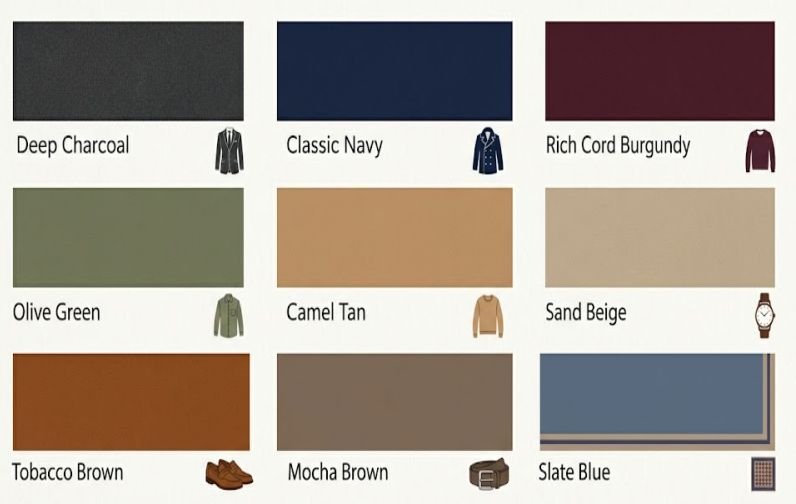
- Neutral Tones for Elegance and Balance: Navy, grey, beige, white, and black form a steady base, making mixing clothes easy, keeping the appearance clean, calm, suitable for casual, business, and formal settings.
- Earth Tones for Warmth and Maturity: Olive, brown, tan, and muted greens add warmth, work well with casual wear, soften the appearance while keeping the style grounded, natural, and age-appropriate.
- Deep Colors for Subtle Sophistication: Burgundy, deep blue, forest green, and charcoal create quiet strength, adding depth to jackets, knitwear, and evening looks without overpowering the overall appearance.
- Colors to Limit or Use Carefully: Bright tones, neon shades, and harsh high-contrast combinations break visual balance, making outfits loud and distracting from fit, structure, and calm presence.
See a comprehensive guide on how men should choose outfit colours.
Fit And Tailoring For Mature Style
At 50+, how your clothes sit on your body matters more than any label or trend.
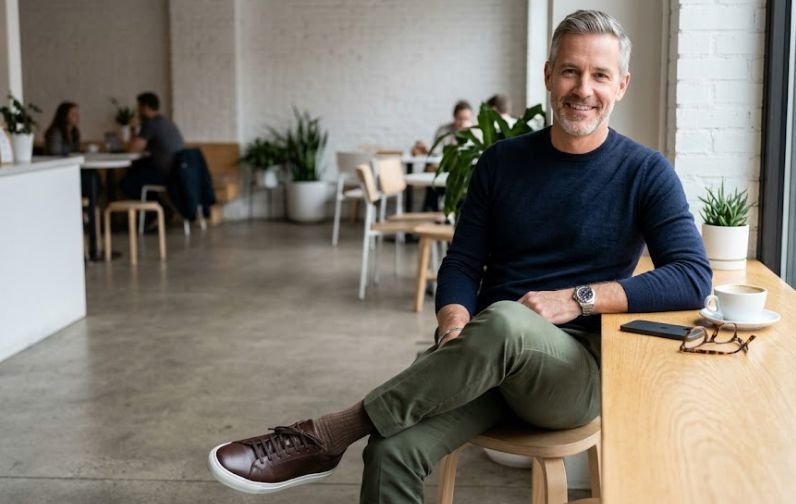
- Why Fit Matters More than Fashion Trends: Clothing that fits well creates structure and confidence without effort. Simple outfits look refined when shoulders sit right, hems fall cleanly, and proportions match the body.
- Avoiding Overly Tight or Overly Loose Clothing: Tight clothing restricts movement and highlights discomfort, while oversized pieces hide shape and look careless. Balanced fit follows the natural frame with clean visual lines.
- Importance of Tailoring Suits, Trousers, and Shirts: Small tailoring adjustments sharpen wardrobe; sleeves, trouser length, and jacket fit improve appearance; even affordable clothing looks better, creating a clean, polished overall look.
Read the dedicated guide on how men’s outfits should fit.
Affiliate Notice: Some of the links on this website may be affiliate links, meaning we may receive a commission without additional cost to you if you purchase through the links. We only recommend products and services we trust would be beneficial to our readers. Thank you for your support.
Casual Fashion Tips For Older Men
Casual dressing for the silver fox works best when comfort meets structure.
Your everyday outfits should feel easy to wear, but still look neat, intentional, and well put together across simple daily activities and relaxed social settings.
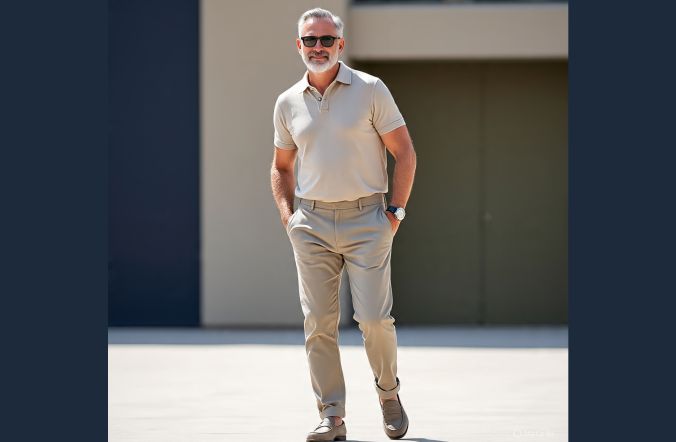
- Relaxed But Refined Everyday Outfits: Casual outfits should feel comfortable without looking careless. Clean cuts, proper fit, and simple colour choices help your daily style look steady, neat, and quietly put together without trying too hard.
- Polo Shirts, Chinos, Knitwear, And Denim: Polo shirts, chinos, light knitwear, and well-fitted denim create a strong casual base. These pieces mix easily, support comfort, and keep your outfits structured while staying relaxed and practical for everyday wear. Check out these polo shirts on Amazon.
- Smart Casual Dressing For Errands And Outings: Smart casual outfits work for errands, lunches, and casual meetings. Pair chinos or denim with a crisp shirt or polo, add loafers or clean sneakers for a balanced, easy, and presentable look. I recommend these men’s chino pants.
- Jackets and Outerwear for Older Men: Jackets add structure, balance, and timeless style, with blazers, denim, bombers, and coats offering versatile, well-fitted, age-appropriate outfits.
Read more on older men’s casual outfit ideas.
Formal and Semi-Formal Dressing
Formal and semi-formal wear for men above 50 should feel steady, clean, and comfortable.
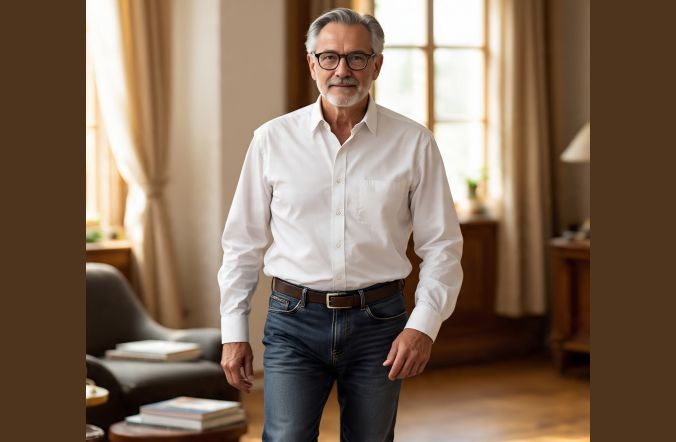
Your outfits should match your body changes, support ease of movement, and keep your appearance sharp without feeling stiff or outdated in business or on special occasions.
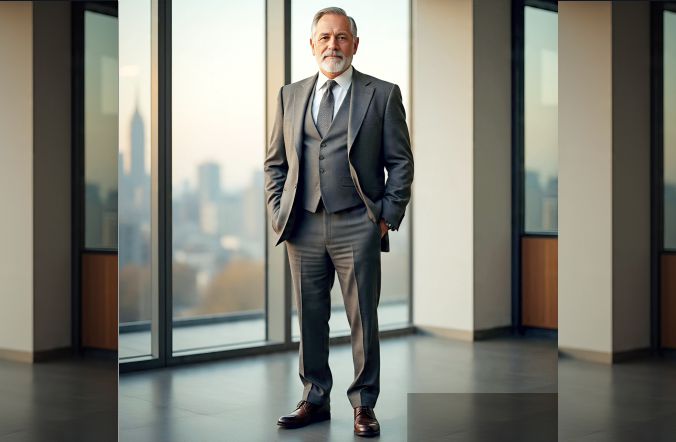
- Suits that Suit Age and Body Changes: Choose suits with relaxed structure that follow your natural frame. Avoid tight fits or oversized cuts. A balanced suit improves posture, feels comfortable, and keeps your appearance steady and confident in formal settings. Here are suits to check out on Amazon.
- Choosing the Right Fabrics and Cuts: Lightweight wool, cotton blends, and breathable fabrics work best. Clean cuts with soft structure help your suit fall naturally, giving comfort throughout the day while keeping a neat, composed, age-appropriate formal look.
- Shirts, Ties, and Footwear Coordination: Crisp shirts in white or soft tones pair well with simple ties and polished shoes. Keep colours balanced, avoid loud patterns, and match footwear neatly for a smooth, coordinated formal appearance without distraction.
Footwear Guide For Older Men
Footwear for older men should balance comfort, support, and style.
The right shoes shape your entire outfit, whether casual, business, or formal, helping you look steady, well put together, and confident without sacrificing ease of movement during daily wear.
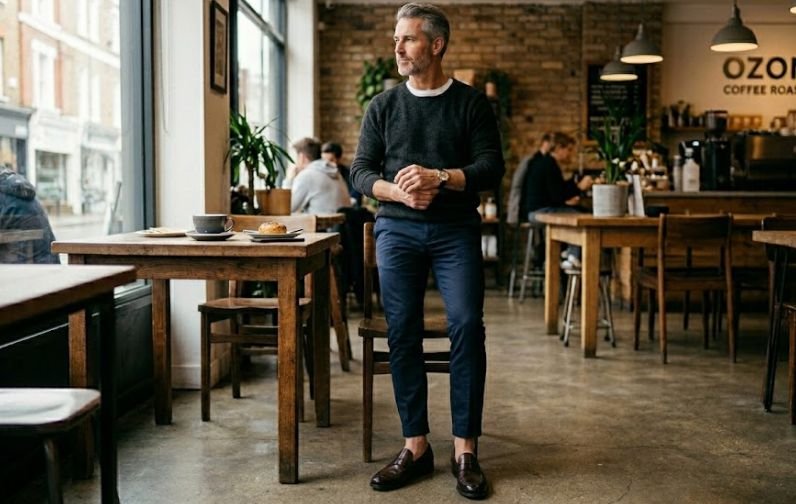
- Comfortable Yet Stylish Shoe Choices: Shoes should support feet while looking clean and sharp. Choose cushioned soles, proper fit, and simple designs for comfort and polish.
- Loafers, Brogues, Sneakers, and Boots: Loafers suit smart casual, brogues formal wear, sneakers relaxed outfits, boots cooler weather, each style keeps wardrobe practical and easy. Check out these loafers on Amazon.
- Matching Shoes With Outfit Formality: Match shoes with outfit tone for balance. Leather suits formal wear, loafers smart casual, sneakers or boots for relaxed coordinated looks.
Accessories That Elevate Mature Style
Accessories at 50+ should add quiet detail to your outfit without taking attention away from your overall look.
Simple, well-chosen pieces help your style feel complete, steady, and intentional across casual, business, and formal dressing situations.
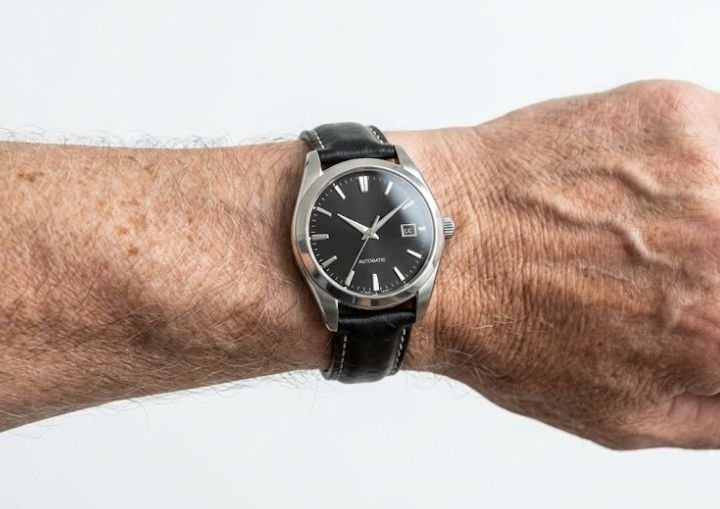
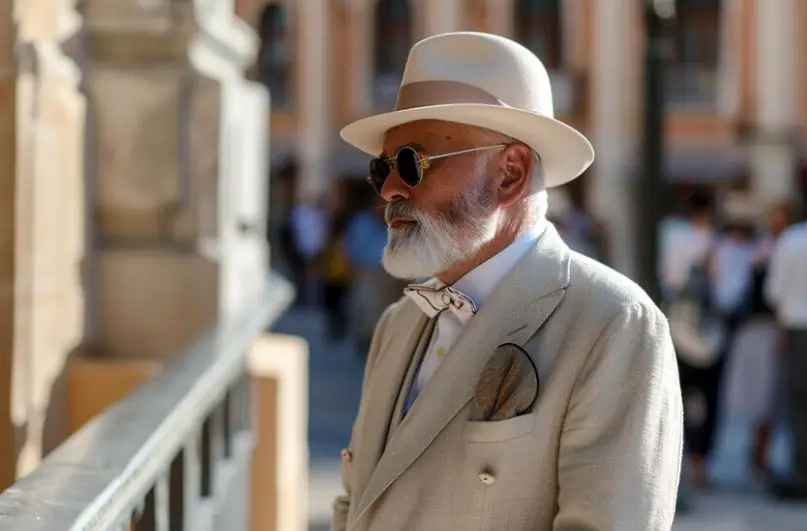
- Watches, Belts, Glasses, Hats: A classic wristwatch, clean leather belt, well-fitted glasses, and simple hats can sharpen your appearance. Each piece should feel practical and neat, supporting your outfit without overpowering it or creating unnecessary visual noise. Here are befitting wristwatches for older men.
- Keeping Accessories Minimal And Intentional: Choose accessories that serve a clear purpose and match your clothing tone. A single watch or belt in neutral colours is enough to complete your look, keeping your style clean, structured, and easy to maintain daily.
- Avoiding Over-Accessorizing: Too many accessories can distract from your outfit and feel cluttered. Stick to one or two pieces at a time, ensuring each item adds value and supports a calm, balanced appearance that suits mature dressing.
Seasonal Fashion For Older Men
Seasonal dressing for senior men should keep you comfortable while maintaining a polished appearance.
The right fabrics, layers, and colours help your wardrobe adapt smoothly to changing temperatures without sacrificing fit, practicality, or personal style.
- Summer Dressing: Light Fabrics and Breathability: Lightweight cotton, linen, and moisture-wicking fabrics help you stay cool in warm weather. Choose lighter colours, relaxed layering, and breathable clothing that keeps outfits comfortable, fresh, and appropriate for casual or smart-casual occasions.
- Winter Dressing: Layering and Texture: Layering adds warmth without bulk when done properly. Combine knitwear, jackets, wool trousers, and textured fabrics to create depth, improve comfort, and maintain a structured appearance throughout colder months and formal settings.
- Transitional Season Outfit Ideas: Spring and autumn call for adaptable clothing. Lightweight jackets, fine-knit sweaters, chinos, and long-sleeve shirts make layering simple, helping you adjust to changing temperatures while keeping outfits balanced, comfortable, and visually consistent.
Grooming and Personal Presentation
Good style extends beyond clothing. Your grooming habits influence how polished and well put together you appear, helping your outfits look better while supporting confidence, cleanliness, and a strong personal image in daily life.
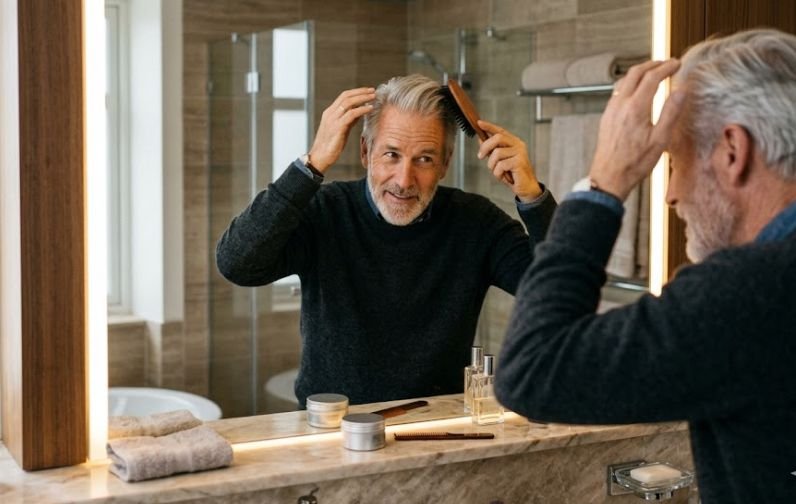
- Hair, Beard, and Skincare Basics: Regular haircuts, a well-kept beard, and simple skincare habits help maintain a fresh appearance. Clean, healthy-looking skin and tidy facial hair support a sharper, more balanced overall presentation.
- How Grooming Supports Overall Style: Well-maintained grooming helps clothing look more intentional and complete. Even simple outfits appear stronger when paired with neat hair, healthy skin, and attention to personal care details.
- Maintaining a Polished Appearance: Consistency matters more than complexity. Regular grooming, clean clothing, trimmed nails, and proper hygiene help create a reliable appearance that complements your wardrobe and leaves a positive impression.
Read the comprehensive older men’s grooming routine.
Fashion Mistakes Older Men Should Avoid
A strong wardrobe can lose its impact when certain style mistakes become habits.
Avoiding a few common issues helps your outfits look balanced, age-appropriate, and consistent across casual, business, and formal settings.
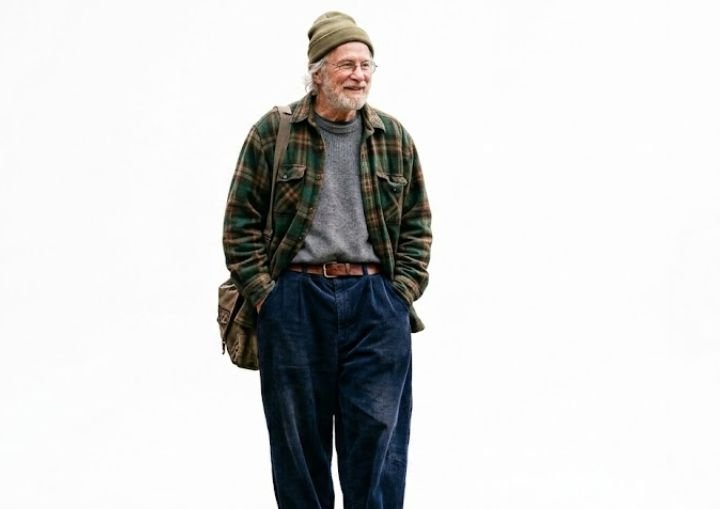
- Dressing Too Young or Chasing Trends: Trend-driven clothing can feel disconnected from your lifestyle and personal image. Instead of copying younger styles, choose pieces that suit your age, body shape, and daily routine while still looking current and relevant.
- Ignoring Fit and Proportion: Poor fit can weaken even the most expensive outfit. Clothing that is too tight or too loose affects balance, comfort, and appearance, making your overall look feel less polished and put-together.
- Overuse of Loud Colours or Prints: Bright colours and bold prints can overwhelm an outfit when used excessively. Keep them limited and balanced with neutral tones, allowing fit, structure, and personal style to remain the centre of attention.
Read the full guide on what to avoid when dressing as an older man.
Building Confidence Through Style
Confidence in clothing starts with feeling comfortable in what you wear.
At 50 and beyond, your wardrobe should reflect your lifestyle, preferences, and daily needs rather than outside expectations.
When clothes fit properly, suit your body shape, and align with your personality, getting dressed becomes easier and more natural.
Style also reflects the experience and self-awareness that come with age.
Instead of relying on trends, many older men find confidence in wearing colours, fabrics, and silhouettes that consistently work for them.
This creates a sense of ease that shows in how you carry yourself.
Consistency plays a major role as well. Repeating successful outfit formulas, maintaining a clear colour palette, and choosing dependable wardrobe staples help strengthen your personal style and make everyday dressing more effortless.
Fashion Tips for Older Men by Age Group
Style evolves as you move through your 40s, 50s, and 60s. Clothing choices that feel natural, comfortable, and confident make dressing enjoyable at every stage.
Paying attention to fit, fabric, and proportion keeps outfits polished, while thoughtful updates in colors, textures, and accessories ensure each look reflects your personality and lifestyle.
Age doesn’t limit style, it guides smarter decisions, letting you express taste, confidence, and presence in work, social settings, or casual moments.
Style Tips for Men in Their 40s
The 40s are a time to refine and streamline your wardrobe.
Well-tailored suits, blazers, and dress shirts work for professional settings, while fitted polos, chinos, and casual jackets create approachable weekend outfits.
Accessories like watches or leather belts add subtle sophistication. Focus on clean lines, balanced proportions, and quality fabrics that move with your body.
This approach ensures style feels natural, age-appropriate, and versatile for both work and leisure, creating confidence without overthinking every outfit.
What Works Best for Men in Their 50s
In your 50s, comfort and elegance blend seamlessly. Soft knitwear, structured jackets, and polished trousers create refined casual and business looks.
Neutral tones, classic patterns, and darker denim provide versatility, while small pops of color or texture keep outfits lively.
Attention to fit becomes even more important as body changes occur. Shoes, belts, and other accessories should be practical yet stylish.
Outfits built around these principles allow men in their 50s to feel confident and approachable in every setting.
Dressing Confidently in Your 60s and Beyond
Style in your 60s is about comfort, fit, and presence. Fabrics that breathe, layer easily, and allow movement help maintain polish without restricting activity.
Tailored jackets, soft trousers, and lightweight knitwear keep proportions balanced.
Shoes should combine support and refinement, while accessories like scarves, glasses, or watches provide subtle personality.
Prioritizing fit, color coordination, and quality materials ensures older men can dress with confidence, staying stylish for social events, casual outings, and formal occasions, while honoring their experience and personal taste.
Final Words from Gentsways
Fashion after 40, 50, or 60 is about confidence, comfort, and thoughtful choices.
Prioritizing fit, quality fabrics, and versatile wardrobe staples ensures every outfit feels polished and age-appropriate.
Balancing classic pieces with subtle modern touches allows personal style to shine, whether for casual outings, professional settings, or seasonal changes.
Accessories, layering, and footwear support both comfort and presence, while attention to grooming completes the look.
By focusing on what works for your body, lifestyle, and personality, older men can dress with ease, express confidence, and maintain a timeless style that reflects both sophistication and individuality.
Frequently Asked Questions
How can older men develop a personal style?
Assess your lifestyle, wardrobe, and body shape, then build around pieces that feel comfortable, polished, and age-appropriate, reflecting your personality and confidence naturally.
What are key clothing items every older man should own?
Well-fitted trousers, crisp shirts, tailored blazers, quality shoes, and versatile knitwear create a timeless wardrobe suitable for work, social events, and casual occasions.
How can older men balance comfort and style?
Choose breathable fabrics, proper layering, and supportive footwear while maintaining proportion, fit, and structure, allowing effortless style without compromising ease or movement.
How can older men update their wardrobe without overhauling it?
Introduce subtle modern touches like updated cuts, textured fabrics, or contemporary accessories, blending them with classic staples for a polished, age-appropriate style.
What should older men avoid wearing?
Older men should avoid poorly fitted clothing, excessive logos, overly distressed garments, trend-driven pieces, and loud prints that distract from appearance.
How can older men dress younger without looking forced?
Choose modern fits, clean sneakers, quality basics, and updated layers. Keep outfits simple, comfortable, and appropriate to your lifestyle.
What colors suit older men best?
Navy, charcoal, olive, beige, soft blue, burgundy, and brown work well. These colors create balance, depth, and easy outfit coordination.
How can older men look stylish on a budget?
Prioritize fit, buy fewer quality staples, shop sales, choose neutral colors, and build outfits around timeless pieces that last.
Related Posts
Everyday Fashion for Gentlemen Over 50
Pyo Merez is a 45-yeard old husband, father, and a chemical engineer by profession and the founder of Gentsways, a men’s lifestyle site built in honour of his father, Dee Clement. He has been writing about men’s development, style, and character through his father’s lens since 2021, drawing on lived experience, his father’s example, and research from reputable publications. He is not a certified trainer or therapist; where fitness or health topics require it, articles are reviewed by qualified contributors.