
Last updated on October 5th, 2026 at 10:51 am
A smart office outfit for men in their 50s should signal experience, confidence, and discipline, shaping how colleagues read your leadership
Office style carries more weight as experience shows on your face, posture, and decision-making.
Colleagues notice how you present yourself long before a meeting begins.
Dressing sharply stops being about trends and starts reflecting discipline, reliability, and self-respect.
Clean tailoring, proper fit, and balanced colors help your clothes support your authority rather than compete for attention.
A smart office outfit for men in their 50s sends a quiet message that you understand your role and your value.
Structured jackets, well-pressed shirts, polished shoes, and thoughtful accessories signal control without effort.
When your office wardrobe is intentional, confidence feels steady, mornings feel simpler, and your presence feels aligned with the experience you bring to the room.
Table of Contents
What Smart Office Style Means After 50
Office style after 50 reflects experience, clarity, and restraint. Each clothing choice shapes how you are perceived at work, blending authority, comfort, and polish without noise or trend-chasing.
Clean, Structured, and Intentional Dressing
Office outfits work best when structure leads every choice.
Jackets sit clean on the shoulders, shirts hold shape through the day, and trousers break correctly at the shoe.
Nothing feels rushed or accidental. Dressing with intention shows control, helping colleagues read confidence, reliability, and focus before a word is spoken.
Balance Between Formal and Relaxed Pieces
A smart office looks beneficial from a balance rather than stiffness.
Tailored blazers pair well with soft knitwear, crisp shirts work with refined chinos, and leather shoes complement relaxed cuts.
This mix keeps outfits professional without feeling rigid. The result feels modern, practical, and suited to long workdays and meetings.
Prioritizing Fit, Comfort, and Quality
Fit becomes non-negotiable after 50. Jackets allow movement, shirts sit clean across the chest, and trousers support posture without strain.
Comfort supports focus, especially during long hours.
Quality fabrics hold shape, breathe well, and age gracefully.
When clothes feel right, confidence stays steady throughout the day.
Core Wardrobe Pieces for a Smart Office Look
A strong office wardrobe after 50 relies on a few dependable pieces.
These items support structure, comfort, and polish, making daily dressing simple while keeping your presence sharp and consistent.
Well-Tailored Blazers
A single-breasted blazer sets the tone for office dressing.
Clean lapels, balanced shoulders, and proper sleeve length keep the frame sharp. Navy, grey, or soft brown pairs easily with trousers or chinos.
The right blazer adapts across meetings, presentations, and daily desk work without feeling stiff or outdated.
Dress Shirts That Look Polished All Day
Dress shirts carry your look from morning to evening, so fabric and cut matter.
Crisp cotton or cotton blends resist wrinkles and hold shape.
White, light blue, or subtle patterns keep coordination simple.
A structured collar frames the face well, supporting jackets or knit layers throughout long office hours.
Smart Trousers
Trousers anchor proportion and comfort at work. Flat-front or lightly pleated styles maintain clean lines while allowing movement.
Neutral shades simplify pairing with blazers and shirts.
Correct rise supports posture, and a proper break over the shoe keeps the outfit balanced, polished, and comfortable through the day.
The Building Blocks of Corporate Fashion for Men Over 50
Well-Tailored Suits
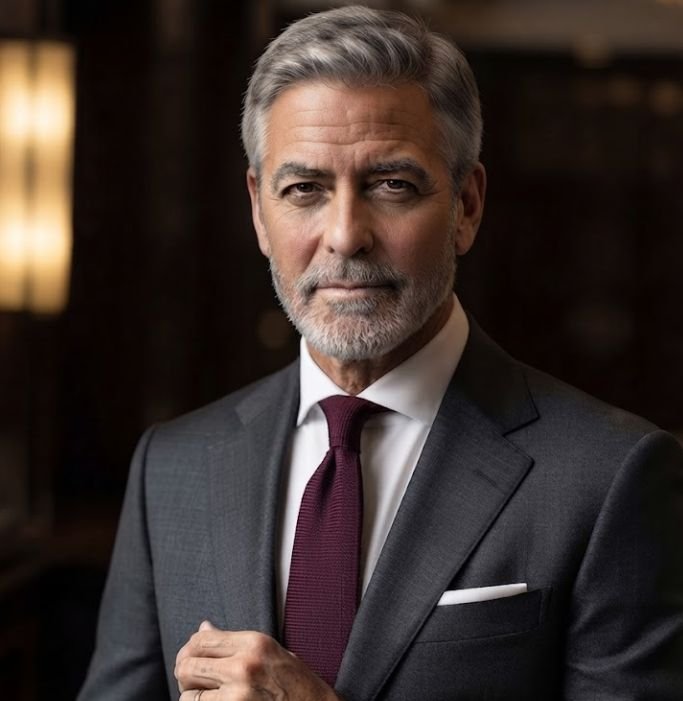
Once you’re 50 and up, how your suit fits speaks before you do. The right fit isn’t tight or baggy; it follows your frame with purpose.
Choose the cut that complements your body: classic for extra room, modern for balanced proportions, or slim if it suits your build.
Stick to reliable shades like navy, charcoal, and grey.
These colors transition well across seasons, events, and pair effortlessly with shirts and ties.
Want to mix it up? Try subtle pinstripes for added depth without being loud. Pay attention to fabric, wool, and wool blends are your best bet.
They hold their shape, feel comfortable, and look crisp throughout the day. A tailored suit isn’t about chasing trends; it’s about knowing what suits you.
It’s a quiet nod to self-awareness and timeless style. You’re not trying to look younger, you’re dressing like a man who knows exactly who he is.
And that leaves an impression. See a dedicated post on men’s suits here.
Dress Shirts That Work

For men over 50, the right dress shirt does more than complete an outfit—it builds a polished, confident presence.
Fit is everything. A well-fitted shirt should follow your frame without pulling or ballooning.
Stick to solid tones like white, light blue, or soft gray for easy pairing.
If you prefer a touch of detail, go for fine stripes or subtle checks that add interest without drawing too much attention.
Fabric matters. Cotton and cotton-linen blends breathe well and hold up during long hours.
They also keep their shape, helping you stay sharp from morning to evening.
Quality shirts won’t fade or fray as quickly, making them a smarter investment in the long run.
Pay attention to collars, too. Spread or cutaway collars flatter the neckline and offer structure, while classic points still work when they’re crisp and proportioned.
The right shirt should feel good, look sharp, and work effortlessly with your wardrobe.
The Right Tie Choices
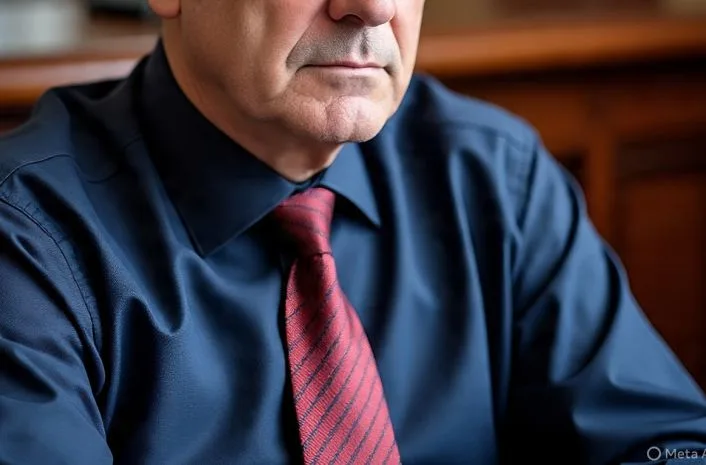
For men over 50, choosing the right tie is about striking the balance between subtle character and timeless polish.
Bold prints may feel youthful, but they can overpower a refined look. Instead, lean toward solid ties in rich, muted colors, deep burgundy, navy, or forest green.
These shades project calm authority and complement graying or salt-and-pepper hair well.
If you prefer patterns, keep them subtle. Thin stripes, small checks, or fine dots offer personality without clashing with your shirt or suit.
Pair patterned ties with solid shirts, or solid ties with patterned shirts, to maintain a clean and balanced ensemble.
Fabric and texture count, too. Silk brings sheen and smoothness, while wool ties add warmth and texture; both work well in professional settings.
Knot style also matters: the Four-in-Hand gives a relaxed finish, while the Half-Windsor provides a sharp, symmetrical look.
The right tie finishes your outfit with quiet confidence. More on tie fashion here.
Shoes and Belts
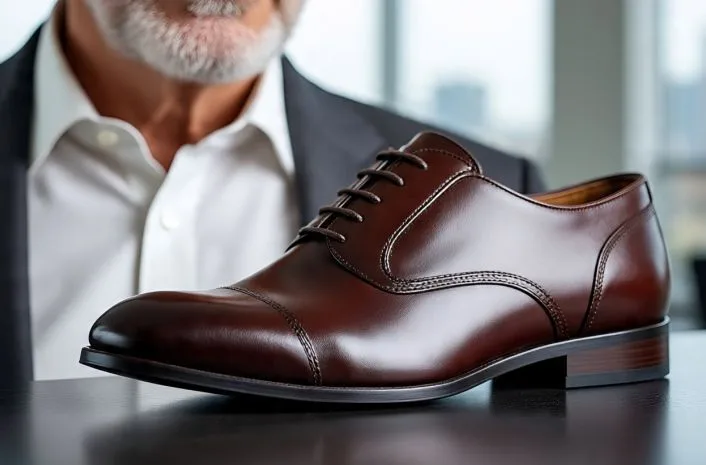
For men over 50, shoes and belts are more than finishing touches; they anchor your entire corporate look.
Start with quality footwear. Leather oxfords are a timeless choice, pairing effortlessly with tailored suits.
Their clean lines and classic build convey reliability and polish. Brogues add a bit of character with their subtle detailing and work well in both formal and smart-casual settings.
For a more modern edge, monk straps offer flair without sacrificing professionalism.
Whatever style you choose, comfort is key. A good fit means you can move through long meetings or events without strain. If you have limited knowledge of men’s shoes, start here.
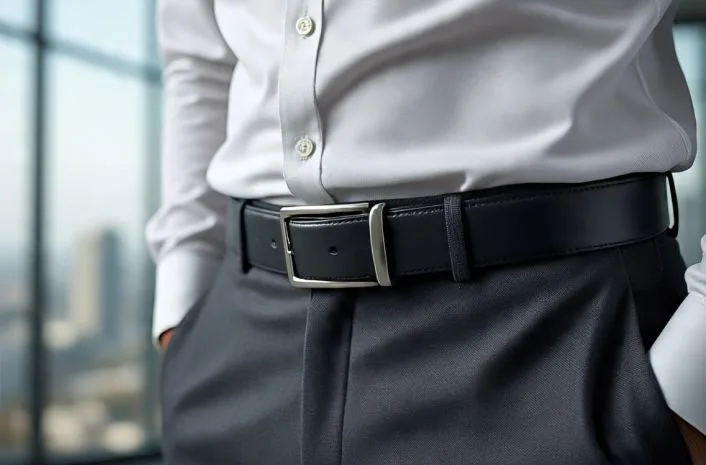
Now, pair your shoes with the right belt. Leather is always a safe bet; choose one that matches your shoes in both color and tone. Keep the buckle simple to maintain a sleek silhouette. See this guide to men’s belts.
Polished shoes and a coordinated belt show attention to detail. With proper care, they’ll elevate your presence and speak volumes before you say a word.
Accessories That Add Sophistication to Your Corporate Look After 50
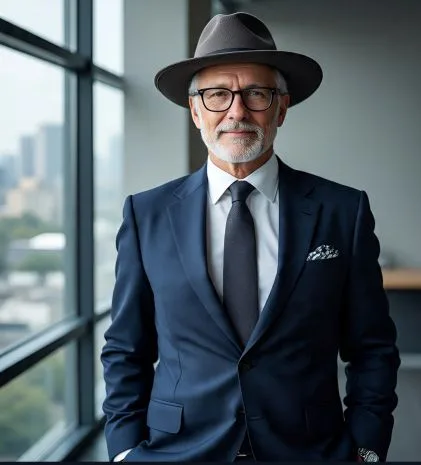
Looking sharp after 50 isn’t just about your suit or tie. The right accessories help you stand out with quiet confidence and refined detail. Here’s how to do it well:
A Watch That Speaks Without Words
You don’t need anything flashy, just a watch that shows you understand quality.
A stainless steel or leather strap timepiece with a clean face keeps things classic.
Mechanical or luxury quartz models add depth without shouting for attention. Stick with neutral tones that pair with your wardrobe.
A good watch tells more than time, it tells people you value presence, punctuality, and purpose. See a comprehensive guide to men’s watches.
Pocket Squares That Add Personality
You’ve got your suit and tie. Now add a pocket square to break the monotony.
Choose silk or cotton for texture, and keep the pattern simple. Stripes, dots, or soft prints work well.
It should echo your tie or shirt, not compete with it. A neatly folded square adds a bit of character without trying too hard; it’s your stamp on a formal canvas.
Cufflinks That Show You Pay Attention
Cufflinks aren’t just for weddings or ceremonies. They’re part of a smart business look. Go for silver, gold, or enamel finishes.
Keep the design subtle but meaningful, no gimmicks. Think clean shapes or tasteful initials.
They add polish to your shirt cuffs and give the impression that you’ve thought through every part of your outfit. That kind of detail doesn’t go unnoticed.
Eyewear That Frames Your Authority
Your glasses do more than help you see. The right frames shape how others see you.
Choose styles that flatter your face: round frames soften sharp features, while square or angular frames sharpen softer faces.
Stick with professional colors like black, brown, or brushed metal. Your eyewear should say you’re focused, stylish, and confident, all without needing a second look.
New to men’s fashion accessories? Start here.
Related Posts
Classic Wardrobe Outfits for Mature Men
Corporate Fashion for Older Men
Comfortable Everyday Fashion for Senior Men
Must-Have Wardrobe Pieces for Older Men
Smart Footwear That Fits the Office
Footwear sets the final tone of your office look. The right shoes support posture, signal care, and keep outfits grounded, helping you move through the workday with quiet confidence.
Leather Oxfords or Derbies
Oxfords and Derbies remain office standards for good reason.
Black or dark brown leather keeps the look professional and restrained.
Clean toe shapes avoid distraction and age well.
Proper polishing and solid construction support long hours on your feet while pairing smoothly with tailored trousers, suits, and structured blazers.
Loafers for Relaxed Office Settings
Loafers suit offices with a less rigid dress code. Penny or tassel styles balance comfort and polish without looking casual.
They work best with chinos or tailored trousers in neutral tones.
A snug heel fit and quality leather keep the shoe sharp, making loafers dependable for meetings, desk work, and daily wear.
Layering for a Refined Office Look
Layering adds depth and control to office outfits, helping your clothing adapt to changing temperatures while keeping lines clean, balanced, and appropriate for professional settings throughout the day.
Lightweight Knitwear
Fine-gauge sweaters or cardigans sit smoothly over dress shirts without adding bulk.
Merino wool or cotton knits regulate warmth while keeping your profile sharp.
Neutral shades like navy, grey, or beige blend easily with blazers and trousers, supporting comfort during long hours while maintaining a composed, work-ready appearance.
Office-Appropriate Outerwear
Structured coats and tailored jackets complete your office look before you even step inside.
Wool coats, clean-lined jackets, or refined trench styles keep proportions intact and signal intention.
Bulky puffers or casual shells weaken polish. Proper length, firm shoulders, and muted colors ensure your outer layer aligns with professional expectations.
Colors and Fabrics That Work Best After 50
Color and fabric choices shape how your outfits are read at work.
The right combinations support maturity, confidence, and consistency, helping your wardrobe look intentional, balanced, and professional every day.
Neutral, Muted Color Palette
Muted tones like navy, grey, beige, olive, and soft brown create calm, authority, and easy coordination.
These shades frame your face well, reduce visual noise, and pair smoothly across jackets, shirts, and trousers.
Dressing within a restrained palette simplifies decisions, keeps outfits consistent, and ensures your presence feels steady and professional in office settings.
Natural Fabrics: Wool, Cotton, Leather
Natural fabrics sit better on the body and age with character.
Wool trousers hold shape, cotton shirts breathe through long workdays, and leather shoes or belts ground outfits with substance.
These materials drape cleanly, feel comfortable, and maintain structure, helping your clothing look composed while supporting movement, warmth, and durability throughout daily office routines.
Avoid Loud Prints and Shiny Finishes
Bold patterns, glossy fabrics, and synthetic shine distract from your presence and weaken balance.
Clean textures, matte finishes, and subtle patterns keep attention where it belongs.
Quiet surfaces allow fit and proportion to lead, ensuring your office style reads controlled, experienced, and deliberate rather than attention-seeking or dated.
Accessories That Add Quiet Authority
Accessories should support your office style, not compete with it.
The right choices add control, maturity, and confidence, reinforcing your presence through restraint, balance, and thoughtful coordination rather than visual noise.
Leather Belts Matching Shoes
A leather belt should always align with your shoes in color and finish. See the men’s belt guide.
Black with black, brown with brown, keeps outfits cohesive and intentional.
Simple buckles avoid distraction, while quality leather signals care and discipline.
This small detail quietly sharpens trousers, anchors the outfit, and shows consistency without drawing attention.
Classic Watches With Clean Dials
A traditional watch with a clean dial, balanced case size, and leather strap or metal bracelet adds authority.
Avoid oversized faces or busy designs that overpower your wrist.
The watch should sit comfortably under a shirt cuff, complementing suits or smart office outfits while reinforcing punctuality, control, and professional presence. See the men’s timepiece guide.
Minimal Use of Ties, Pocket Squares, or Jewelry
Less communicates more at this stage. A tie worn only when required, a pocket square in muted tones, or a single ring keeps focus on your overall look. More on men’s ties.
Limiting accessories prevents clutter, maintains proportion, and allows your clothing, posture, and confidence to speak clearly in professional settings.
Common Style Mistakes Men in Their 50s Should Avoid
Even the best wardrobe can falter when basic style principles are ignored.
Avoid these pitfalls to maintain a polished, confident, and age-appropriate office presence without unnecessary distraction.
Wearing Clothes That Are Too Tight or Too Loose
Ill-fitting clothing undermines confidence and proportion.
Tight shirts, jackets, or trousers restrict movement and highlight areas you’d rather balance.
Oversized garments create a sloppy silhouette, masking structure and detail.
Focus on tailored fits that move with your body, providing comfort, readability, and a composed appearance throughout your workday.
Holding Onto Outdated Fits
Styles from decades ago can clash with today’s refined office look.
Baggy or old-fashioned cuts make even high-quality fabrics appear dated.
Refreshing your wardrobe with updated tailoring and modern lines keeps outfits contemporary while maintaining classic authority.
Over-Accessorizing or Dressing Too Youthfully
Trying to appear younger with flashy ties, bold patterns, or multiple accessories distracts from your presence.
Restraint matters more than novelty. Stick to subtle belts, watches, and minimal finishing touches that reinforce maturity, balance, and professional authority.
Conclusion
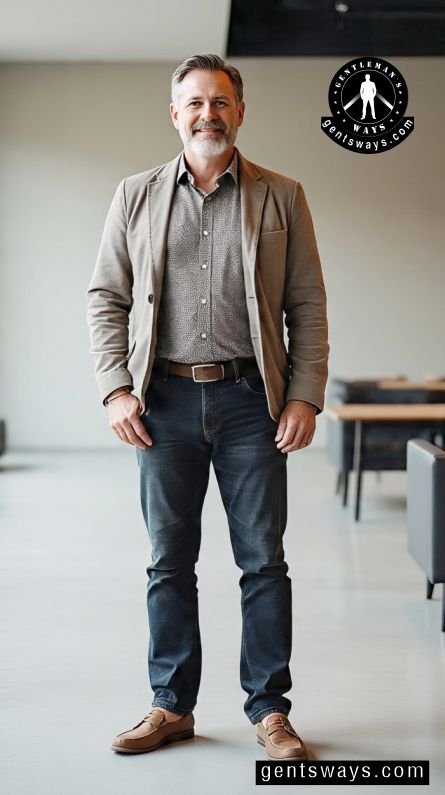
A smart office outfit for men in their 50s communicates experience, confidence, and steady authority without saying a word.
Prioritizing fit, structure, and quality fabrics allows your wardrobe to work with your posture and presence.
Neutral colors, clean lines, and subtle accessories keep your look composed while supporting daily movement and long hours.
Thoughtful layering adapts to office climates, maintaining polish throughout meetings and tasks.
Avoiding outdated fits, excessive accessories, and flashy details ensures consistency and control.
When your wardrobe aligns with your experience, dressing becomes effortless, confidence stays visible, and colleagues respond to the professionalism your clothing quietly conveys.
Frequently Asked Questions
What are the key pieces for a smart office wardrobe after 50?
Well-tailored blazers, crisp cotton shirts, smart trousers, quality leather shoes, and minimal accessories form the foundation of polished, age-appropriate office dressing.
How should colors be chosen for office outfits over 50?
Neutral, muted tones like navy, grey, beige, and soft brown create cohesion, reduce distraction, and allow layering, maintaining a professional and confident presence.
Can older men wear casual shoes in the office?
Yes, loafers such as penny or tassel styles work with tailored trousers or chinos, balancing comfort and professionalism for relaxed office settings.
How important is fit for men in their 50s?
Fit is critical. Jackets, shirts, and trousers should allow movement, maintain clean lines, and support posture, keeping your office style polished and confident.
References
Pyo Merez is a 45-yeard old husband, father, and a chemical engineer by profession and the founder of Gentsways, a men’s lifestyle site built in honour of his father, Dee Clement. He has been writing about men’s development, style, and character through his father’s lens since 2021, drawing on lived experience, his father’s example, and research from reputable publications. He is not a certified trainer or therapist; where fitness or health topics require it, articles are reviewed by qualified contributors.