

Last updated on November 21st, 2026 at 04:43 am
Confidence is not a gift handed to some men at birth and withheld from others, however it looks from outside. It grows from small proofs you collect on purpose, and the research behind that idea is surprisingly encouraging for men.
In my twenties, my self-esteem was very low, and approaching women or speaking publicly felt impossible.
Talking to women no longer troubles me, but public speaking is a skill I am still working on.
My father, Dee Clement, was a confident man, especially about life’s hard situations and how to work through them.
Watching him taught me that self-assurance shows in how you handle problems, not how loudly you speak.
What follows blends that experience with research on self-efficacy, exercise and body language.
You will find habits for dating, speaking and work, plus signs that low confidence needs professional support.
Table of Contents
What Is Confidence in a Man?
Confidence is the steady belief that you can handle what a situation demands, even when the outcome is uncertain.
Psychologist Albert Bandura called this self-efficacy, and his landmark 1977 paper in Psychological Review traced it to four sources of information.
Those sources are past successes, watching others succeed, encouragement from people you trust and how you read your own body’s signals.
Self-esteem is different, because it describes your general sense of worth rather than your belief in a specific skill.
Arrogance is different again, since it needs other people to look smaller so that the arrogant man can feel bigger.
A confident man can admit he does not know something, while an arrogant man treats every gap as a threat.
Why So Many Men Struggle With Confidence
Many men learn early that doubt should stay hidden, so they mask it with jokes, overwork or silence.
Low self-esteem in men can pass for confidence from the outside, and these warning signs of shaky self-worth help you spot it.
Fear of judgment is extremely common, and public speaking is one of the clearest places where that fear appears.
A study of college students in the Journal of Voice found that 63.9% reported a fear of public speaking.
In my own twenties, that fear and my low self-esteem kept me quiet in rooms where I had something worth saying.
How to Build Confidence as a Man: 10 Practical Habits
These habits follow the sources Bandura identified, so each one gives you evidence that you are more capable than you feel.
1. Collect Small Wins on Purpose
Bandura found that mastery experiences, meaning real successes you achieve yourself, build self-efficacy more strongly than any other source.
Pick one small, achievable task each day, finish it completely and note it down before you go to bed.
A month of recorded wins gives your doubting mind hard evidence that it cannot easily argue against.
2. Act Before You Feel Ready
Most men wait to feel confident before acting, yet the feeling usually arrives after the action, not before it.
Set a short countdown, then make the call, raise your hand or send the message before hesitation takes over.
3. Treat Setbacks as Information
A failed attempt tells you what to adjust, and it says nothing final about your worth as a man.
After each setback, write one sentence about what happened and one sentence about what you will change next time.
4. Prepare Better Than You Need To
Competence is the quiet engine of self-assurance, because a skill you have practiced is a skill you can trust under pressure.
Before any meeting, date or presentation, rehearse your opening lines and the two points you most want to make.
5. Train Your Body Regularly
A Cochrane review of 23 trials concluded that exercise has positive short-term effects on self-esteem in children and young people.
The reviewers also noted that most trials were small, so treat exercise as strong support rather than a cure.
Strength training, brisk walking or a team sport all give you weekly proof that you can commit and improve.
6. Stand and Move With Presence
Upright posture, relaxed shoulders and an unhurried walk change how others read you before you say a word.
A University of Zurich study of 200 people found power poses raised feelings of power but did not change hormones or behavior.
Good posture will not rewire your biology, but it can help you feel steadier, and these tips on walking with calm authority show how.
7. Hold Eye Contact and Slow Your Speech
Nervous men tend to rush their words and dart their eyes, which signals anxiety even when the message is strong.
Hold a gaze for a few seconds at a time, pause between points and follow these rules for steady eye contact.
8. Learn From Confident Men Around You
Watching someone similar to you succeed is another source of self-efficacy that Bandura described, and real role models work best.
My father showed me this, because he was confident about life’s hard situations and how to work through them.
He also told me repeatedly that time waits for no one, so a man should get his life in order early.
More of his example lives in my father’s lessons on manhood, written in his honor.
9. Speak to Yourself Like a Fair Coach
Bandura also counted verbal persuasion as a source of belief, and the voice in your own head counts too.
Replace harsh lines such as “I always mess this up” with fairer ones such as “I am still learning this skill.”
10. Dress and Groom With Care
Clean, well-fitted clothes and a tidy grooming routine remove one more worry when you walk into a room.
You do not need expensive pieces, only consistent care, which matters because of how first impressions form.
Building Confidence With Women
Approaching women was one of my hardest challenges in my twenties, and it is now an area where I feel at ease.
Self-efficacy research suggests that repeated real conversations do more than reading advice, because each one becomes a small mastery experience.
Start with low-pressure conversations, ask genuine questions and listen closely, using these openers that feel natural.
If shyness is the main barrier, these dating tips for reserved men cover the next steps in more detail.
Rejection is part of the process, and it reflects fit or timing far more than it measures your value.
Building Confidence in Public Speaking
Public speaking is the area I am still working on, so I share these steps as a fellow learner, not an expert.
Build a ladder of exposure, starting with speaking up once in a small meeting before moving to larger groups.
Next, offer a short toast at a family event, and these tips for raising a glass keep it simple.
Later, take on a longer talk, such as writing a wedding speech, once smaller steps feel manageable.
Record yourself rehearsing, because hearing your own pace and filler words shows you exactly what to fix.
Expect some nerves every time, and judge progress by showing up rather than by feeling perfectly calm.
Confidence at Work
At work, quiet authority comes from keeping commitments, speaking early in meetings and staying composed when plans go wrong.
Prepare one clear point before each meeting, so you can contribute in the first ten minutes rather than waiting.
Reliable manners also build trust, and these standards for business conduct show what colleagues notice.
Every new contact is a chance to practice, which is why growing your network deliberately builds social courage too.
Confidence and Character
Real self-assurance sits comfortably beside kindness, honesty and the ability to admit mistakes without feeling diminished.
That is the heart of healthy, constructive manhood, where strength serves others instead of dominating them.
Men who read their own emotions well also handle pressure better, as explained in why emotional awareness matters.
When Low Confidence Needs Professional Help
Situational nerves respond well to the habits above, but persistent low mood, hopelessness or withdrawal deserve professional attention.
Men are less likely to seek help, and the Mental Health Foundation reports that only 36% of referrals to NHS talking therapies are for men.
Speaking to a doctor or licensed therapist is a sign of strength, and it works well alongside daily confidence habits.
Your Next Step Toward Lasting Confidence
Confidence for men grows from evidence, not from pretending, and each small win adds to that evidence.
Train your body, prepare thoroughly, stand tall and treat each setback as information rather than a verdict.
My own path moved from low self-esteem in my twenties to ease with women, and public speaking is next.
My father’s confidence in hard times still pushes me to act now instead of waiting.
Choose one habit from the list, practice it this week, and keep reading Gentsways for more on growing into a stronger man.
Frequently Asked Questions
How can a man build confidence fast?
Finish one small task you have been avoiding, then repeat that daily. Better posture and preparation help quickly, but lasting self-belief comes from collecting real, repeated successes.
Can a shy man become confident?
Yes, shyness is a temperament, while confidence is a learned belief in your abilities. Gradual exposure, careful preparation and small social wins help reserved men grow steadily more assured.
How is confidence different from arrogance?
A confident man can admit mistakes and celebrate others without feeling threatened. An arrogant man needs to appear superior, so he dismisses people to protect a fragile self-image.
Does going to the gym build confidence?
Exercise can lift self-esteem, and a Cochrane review found short-term benefits in young people. Regular training also proves you can keep commitments, which strengthens belief in yourself.
How do I stop being nervous about public speaking?
Start small by speaking once in a meeting, then move to toasts and longer talks. Rehearse aloud, record yourself and accept some nerves as normal rather than failure.
Disclaimer: This article is for informational purposes only and does not constitute medical, fitness, or professional advice. The author is not a certified personal trainer, licensed therapist, nutritionist, or medical doctor. Where content is based on personal experience or observation, this is stated clearly in the article. Always consult a qualified professional before making significant changes to your health, fitness, or wellness routine.
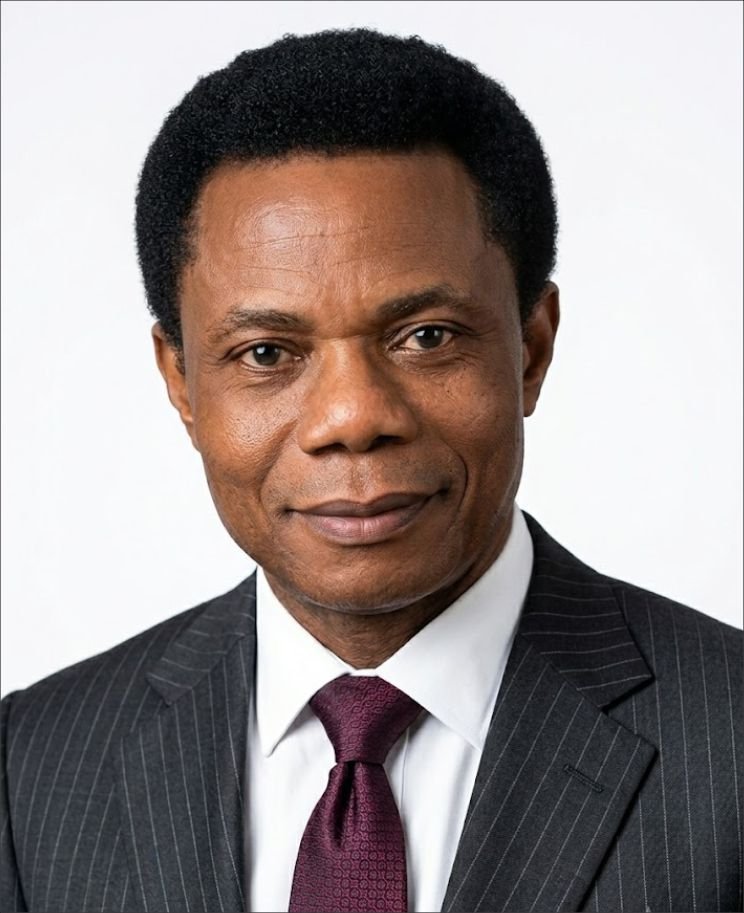
Pyo Merez is a 45-yeard old husband, father, and a chemical engineer by profession and the founder of Gentsways, a men’s lifestyle site built in honour of his father, Dee Clement. He has been writing about men’s development, style, and character through his father’s lens since 2021, drawing on lived experience, his father’s example, and research from reputable publications. He is not a certified trainer or therapist; where fitness or health topics require it, articles are reviewed by qualified contributors.