Last updated on October 11th, 2026 at 10:38 am
Men’s ties can instantly transform your outfit, adding style, confidence, and professionalism while showing attention to detail in every business, formal, or social setting.
Ties have long been a defining feature of men’s fashion, shaping how you are perceived in both professional and social settings.
The right tie conveys confidence, attention to detail, and personal style, even within traditional men’s wear.
Choosing a tie is more than picking a color; it’s about pairing fabrics, patterns, and knots with your outfit to create a balanced and polished look.
From boardrooms to weddings or casual gatherings, a well-selected tie can transform your ensemble and convey sophistication.
Understanding different types of ties, materials, and tying methods helps you present yourself effectively.
This guide will walk you through styles, fabrics, occasions, and practical tips, giving you the knowledge to wear ties with confidence and flair.
Table of Contents
What is a Men’s Tie?
A men’s tie is a classic accessory worn around the neck, secured by a knot, and designed to complement suits or formal attire.
Made from materials like silk, cotton, or polyester, it enhances style, professionalism, and personal expression.
History of the Men’s Tie
Picture a battlefield in 17th-century Europe. Croatian mercenaries tied pieces of cloth around their necks, not for fashion, but for function.
French nobles noticed, borrowed the idea, and turned it into a symbol of class. They called it the cravat, a quiet nod to its Croatian roots.
As centuries passed, that simple cloth kept changing shape. The 18th and 19th centuries refined it, mirroring stricter social rules and sharper dress standards.
By the late 1800s, the long necktie appeared, practical, deliberate, and easier to wear. Bow ties followed, lighter in mood but still polished.
Industrial production in the 20th century put ties everywhere.
Silk patterns, bold colors, and personal taste took over. Today, every knot still carries echoes of history. More on the history of men’s ties.
Types of Men’s Ties
Men’s ties come in different types. Each style carries a clear purpose, tied to history, dress codes, and social settings, helping your appearance feel deliberate and well-judged.
Let’s take a closer look at the types of men’s ties:
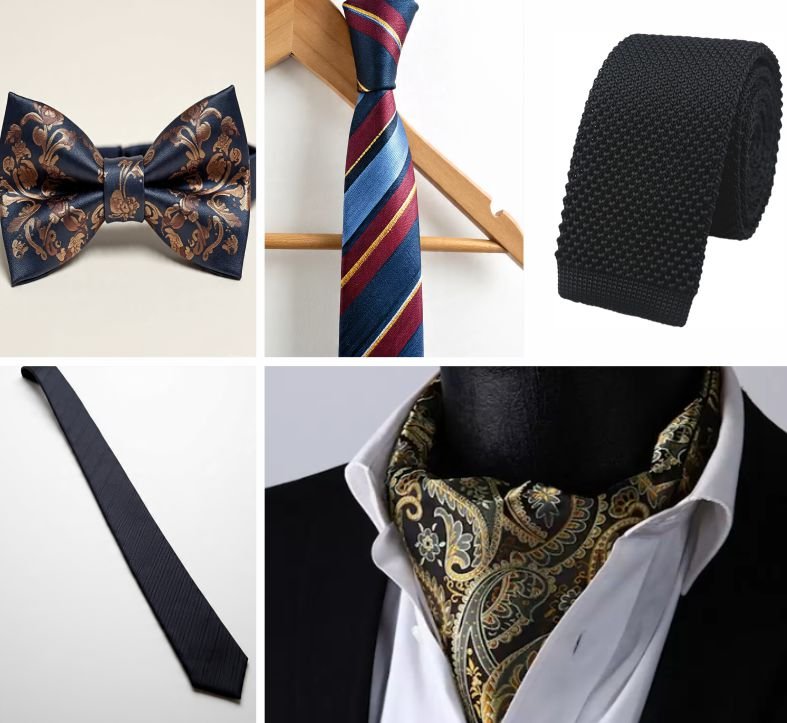
Standard Necktie
The standard necktie is a long, straight tie worn around the collar and knotted at the neck.
It remains the most common form of men’s neckwear today.
Used in business, formal events, and ceremonies, it fits most wardrobes with ease.
Typical widths range from 2.5 to 3.5 inches, working well with classic suit lapels.
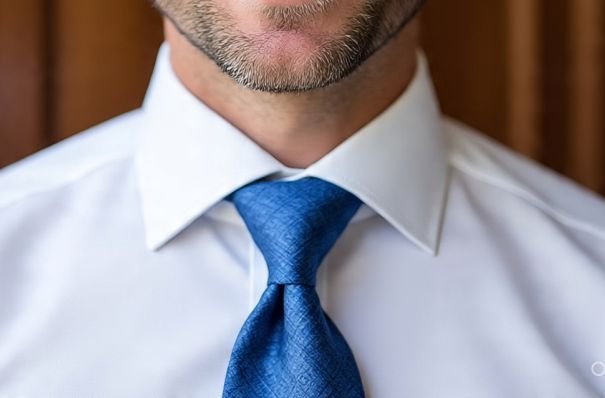
Silk dominates formal use, while wool and cotton suit cooler seasons.
Patterns such as stripes, solids, and small prints support professional settings.
Proper length and knot choice keep your look balanced, respectful, and socially appropriate.
Bow Tie
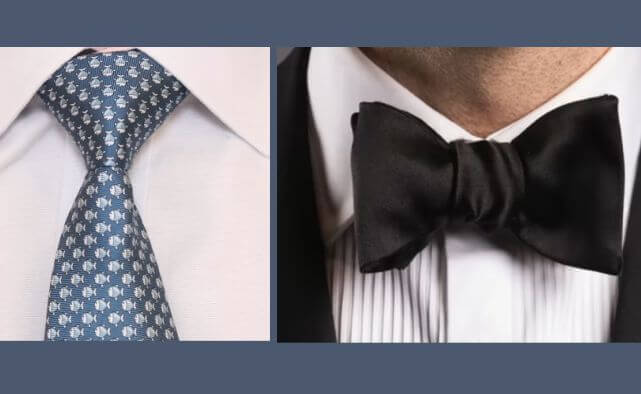
A bow tie is a short tie tied into a symmetrical bow at the collar. It is closely linked to formal and evening dress.
Common at black tie events, weddings, and formal dinners, it frames the face and signals polish.
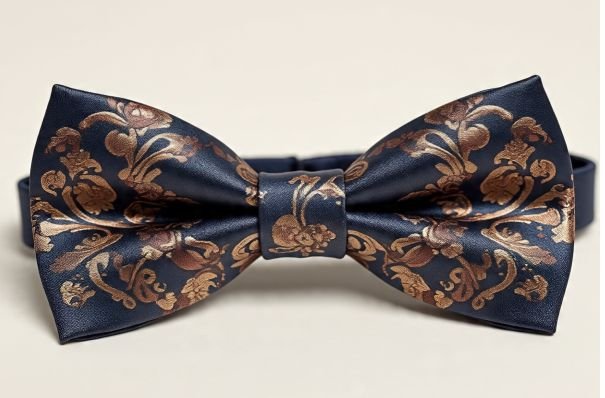
Self-tied styles are preferred for their natural shape and character.
Fabrics include silk, satin, velvet, and cotton, each fitting specific dress codes.
Classic black suits are evening wear, while colors and patterns suit creative settings.
Worn with tuxedos or tailored suits, your presence feels composed, confident, and rooted in tradition.
Skinny Tie
A skinny tie is a narrow version of the necktie, defined by its slim width.
Usually measuring 1.5 to 2 inches, it reflects modern tailoring and contemporary style.
This tie works best with slim-fit suits, narrow lapels, and fitted shirts.
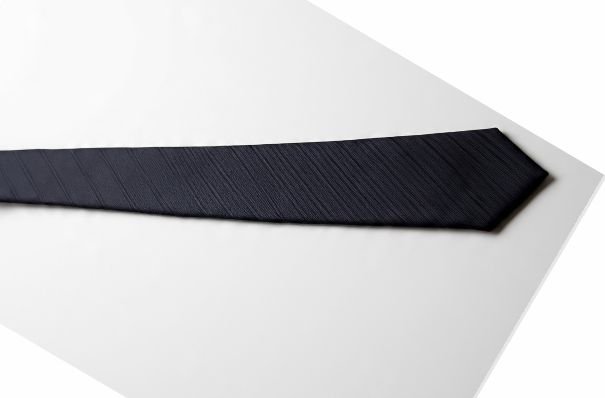
Casual offices, creative industries, and relaxed events suit it well. Simple colors and clean patterns prevent imbalance.
Pairing it with bulky jackets or wide collars weakens the look.
When styled correctly, your outfit feels sharp, current, and intentional without looking forced or careless.
Knit Tie
A knit tie is made from woven yarns rather than smooth fabric, giving it a textured surface.
It offers a relaxed alternative to traditional ties.
Often crafted from wool, cotton, or silk blends, it pairs well with business casual and smart casual outfits.
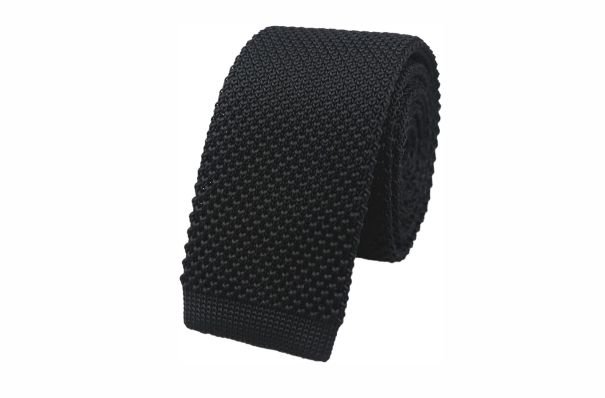
Square ends distinguish it visually, adding character without excess.
Dark solids work well for offices, while lighter tones suit social settings.
Combined with Oxford shirts or soft blazers, your look gains depth, balance, and quiet confidence through texture rather than shine.
Ascot Tie
An ascot tie is a wide neckband worn under an open collar, draped rather than knotted traditionally.
Rooted in classic European dress, it appears at formal daytime events, weddings, and races.
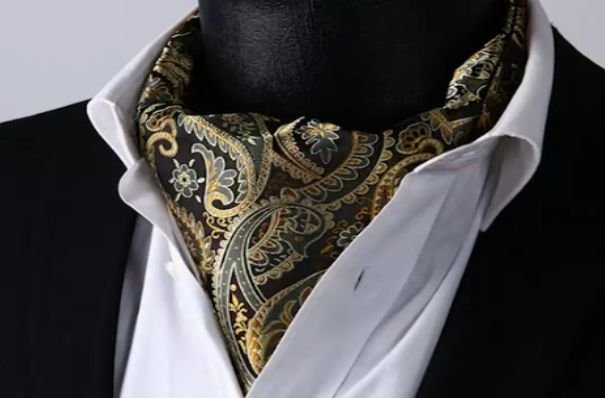
Silk fabrics and rich patterns define its appeal. Folding styles vary, allowing subtle expression while maintaining structure.
Ascots pair best with tailored jackets, waistcoats, or morning suits.
Wearing one signals comfort with tradition and attention to detail.
Styled with restraint, your outfit feels cultured, confident, and unmistakably refined.
Related Posts
Men’s Tie Fabrics and Materials
Tie fabric affects how your outfit feels, moves, and reads in public.
The right material supports your setting, climate, and dress code, helping your style look intentional and socially aware.
Silk Ties
Silk ties are made from natural silk fibers known for their smooth texture and soft shine.
Formal wear relies on silk for good reason. Color depth stays rich, patterns appear sharp, and knots sit clean at the collar.
Business meetings, weddings, and evening events benefit from silk’s fluid drape and polished finish, giving your presence quiet authority.
Cotton Ties
Cotton ties use woven cotton fibers that feel light and breathable. Casual outfits and warm weather suit this fabric well.
Patterns lean playful, checks, florals, and simple prints work naturally here.
Offices with relaxed dress rules welcome cotton ties, letting your look feel approachable while staying neat and well put together.
Wool Ties
Wool ties are crafted from sheep wool, offering thickness and warmth.
Cold seasons call for this fabric, pairing well with tweed jackets, flannel suits, and heavier shirts.
Texture adds depth to your outfit, softening sharp tailoring. Knots appear fuller, helping balance layered clothing during autumn and winter months.
Polyester Ties
Polyester ties are made from synthetic fibers designed for durability and ease of care.
Daily wear benefits from wrinkle resistance and stain control.
Modern finishes closely resemble natural fabrics, offering clean lines and bold designs.
Workdays, travel, and long hours suit polyester, keeping your appearance tidy with minimal effort.
Blended Fabric Ties
Blended ties combine materials like silk and polyester or wool and synthetic fibers. This mix balances appearance, strength, and cost.
The fabric holds shape well, colors last longer, and maintenance stays simple.
Blends work across settings, letting you handle busy schedules without losing structure or visual appeal.
Tie Patterns and Colors
Patterns and colors guide how your tie communicates confidence and social awareness.
Smart choices help your outfit feel balanced, intentional, and suited to the setting without drawing the wrong attention.
Solid Color Ties
Solid color ties use a single shade, making coordination simple.
They suit formal meetings and daily office wear, keeping focus on your face while pairing easily with most shirts and suits.
Striped Ties
Striped ties feature repeating lines that signal structure and professionalism.
Common in business settings, they work best with solid shirts, allowing stripe width and color contrast to stay visually controlled.
Checked and Plaid Ties
Checked and plaid ties add texture and personality. Best for relaxed offices and social events, they pair well with solid shirts, keeping patterns balanced and your look confident but approachable.
Polka Dot and Geometric Ties
Polka dot and geometric ties use repeating shapes to add interest. Smaller prints feel refined, larger shapes feel playful.
Simple shirts help these patterns stand out without visual clutter.
Choosing Colors with Intention
Color choice shapes first impressions. Complementary tones create harmony, contrast adds energy.
Matching tie color with suit depth and shirt shade keeps your outfit cohesive and socially appropriate.
Matching Ties with Shirts and Suits
Matching ties with shirts and suits shapes how polished your outfit appears.
Smart coordination helps your colors, patterns, and fabrics work together, so your presence feels confident, balanced, and suited to the occasion.
Color Coordination
Color sets the foundation of a well-matched outfit. Tie shades should relate clearly to both the shirt and the suit.
Dark suits support deeper tie colors, while light shirts allow contrast or harmony.
Navy suits pair well with burgundy, green, or patterned ties. Keeping one element dominant helps your look feel intentional rather than busy.
Contrast and Complement
Contrast adds energy, and complement brings calm. A bold tie against a neutral suit draws attention, while similar tones create a smooth flow.
Bright ties work best when the shirt and suit stay muted.
Complementary colors like blue and navy feel controlled, helping your outfit read polished in professional and formal settings.
Mixing Patterns
Pattern mixing works when scale and type differ. A striped tie pairs well with a small check shirt, while large patterns demand solid companions.
Keeping one pattern subtle prevents visual overload.
When unsure, let either the shirt or the tie stay plain, giving the patterned piece room to stand out cleanly.
Dressing for the Occasion
Setting guides your tie choice. Offices favor dark solids or quiet patterns. Formal events call for silk ties and deeper colors.
Casual settings allow knit ties, lighter shades, or playful prints.
Weddings benefit from ties that echo suit tones or event colors, creating visual unity without distraction.
Related Posts
Bow Tie Etiquette
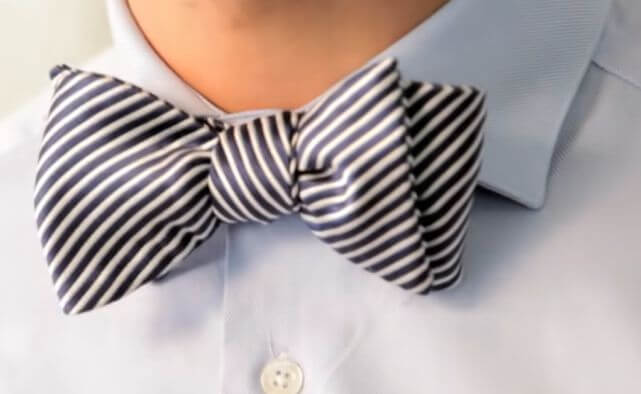
The bow tie has come a long way as a timeless accessory that has a rich history dating back to the 17th century.
As mentioned at the beginning, its origins can be traced to Croatian mercenaries who used a piece of cloth to hold their collars together.
Accidental fashion accessory, right?
Over the years, the bow tie has evolved into a symbol of gentlemanly refinement and style, distinguishing itself from the more common necktie through its silhouette and formal connotation.
Unlike neckties, which are often worn in a wider variety of settings, bow ties are typically reserved for formal occasions, yet they have found their way into casual and creative environments in modern society.
Occasions for Bow Ties
Appropriate occasions for donning a bow tie include black tie events, wedding receptions, and charity functions.
But this does not mean you will be embarrassed when you wear it at other events.
They can be accepted in less traditional contexts, such as art openings, themed parties, or even casual gatherings, where creativity and individuality are encouraged.
Understanding the setting helps, as the bow tie can make a bold statement while adhering to the desired dress code.
Types of Bow Tie
There are several types of bow ties available, including:
- Pre-tied
- Self-tie, and
- Clip-on varieties
The self-tie bow tie is the most traditional option, allowing you to showcase your tying skills, which is an interesting part of bow tie etiquette.
To master the art of tying a bow tie, you should practice the classic butterfly style, ensuring a polished and symmetrical look.
When choosing colors and patterns, it is a good practice to consider the formality of the event; solid colors tend to be more acceptable for formal occasions, while playful patterns and vibrant hues can add a personal touch in more relaxed settings.
Black Tie Etiquette
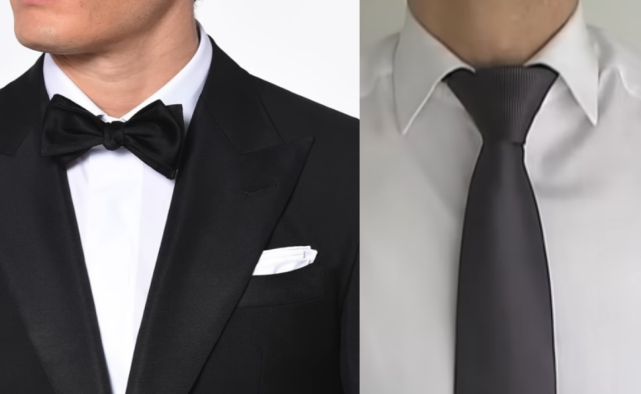
Black tie attire is a dress code synonymous with elegance and refinement, predominantly observed during formal events such as galas, weddings, and receptions.
Originating in the mid-19th century, its role in men’s fashion has evolved, moving away from daytime tailcoats and formal attire of that era to a more streamlined look, even for evening wear.
The recognized components of black tie attire include:
- The classic tuxedo
- A bow tie, and
- A formal dress shirt
The Tuxedo
The tuxedo, typically characterized by a satin or grosgrain lapel, should be paired with a black bow tie, which is a central accessory for the ensemble.
A White Dress Shirt
A white dress shirt with a wing or lay-down collar enhances the formality of the outfit, while a cummerbund or waistcoat in black is often worn to complete the look.
Cufflinks
Additionally, cufflinks and studs can serve as optional accessories that contribute to the polished appearance and also provide an opportunity for personal expression.
These elements combined create a balanced and refined appearance suitable for black-tie occasions.
Black Tie and Black Tie Optional Dress Code
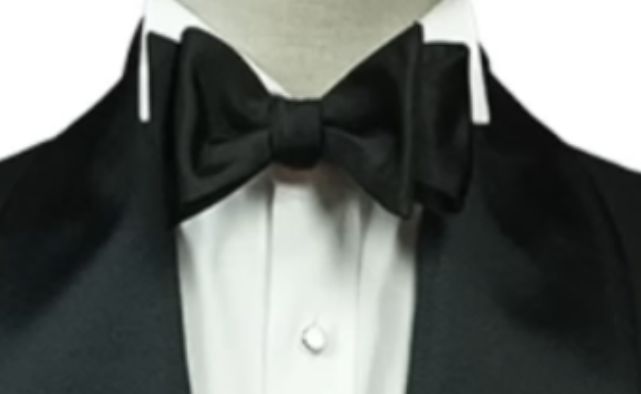
Also, there is an underlying distinction between a black tie and black tie optional dress code.
Black tie optional allows for slight variations, where guests may opt for a dark suit and tie rather than a tuxedo.
It is worthy of mention that while the black tie optional dress code permits such modifications, it is advisable to still aim for a level of formality that aligns closely with traditional black tie attire.
Bow Tie or Necktie?
When attending black tie events, the choice between a bow tie and necktie should lean towards the former, as the bow tie has become a standard element of this elegant dress code.
Understanding and adhering to these guidelines is important for making the right impression at formal gatherings.
Choosing the Right Tie for the Occasion
Selecting the appropriate tie involves understanding the nature of the event and how your choice complements your overall attire.
The first step in this process is categorizing the event as:
- Formal
- Semi-formal, or
- Casual
….which ultimately dictates the appropriate style of the tie.
Formal Occasions
For formal occasions, such as weddings or business meetings, silk ties in solid colors or subtle patterns are ideal.
Darker hues convey a sense of professionalism and elegance, enhancing the formal tone that such events require.
Semi-formal Occasions
Semi-formal events allow for slightly more creativity. In these instances, you can opt for ties with bolder patterns or brighter colors, provided they harmonize with your suit.
For example, a vibrant paisley tie can work beautifully with a navy suit, while still maintaining a refined look.
Textures, such as knitted or wool ties, can also be incorporated to add a distinct visual element, striking a balance between casual and formal attributes.
Casual Events
Casual events provide the most freedom in your tie selection. Here, fabric options can include cotton or linen, allowing for a relaxed appearance.
Printed or character-themed ties might also be suitable, reflecting personal interests or humor.
Nevertheless, you should ensure that the colors or patterns align well with the attire to avoid clashing.
The tie should serve as a complement, enhancing your overall appearance without being at the center of attention.
Coordination between the Tie and Fabric
In any scenario, coordination between tie and suit fabric is essential. For instance, pairing a textured tie with a smooth-surfaced suit can create visual dissonance, while matching textures can add depth and dimension to your look.
Therefore, understanding these subtleties in tie selection will contribute to achieving a polished appearance tailored to the specific occasion.
Tie Length and Width Rules
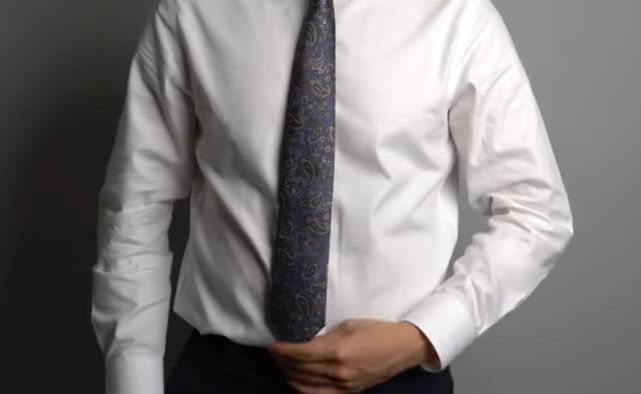
Getting the right tie length is key to looking well-dressed. A tie that’s too long or too short can throw off your entire look.
- The tip of your tie should land near the top of your belt buckle when standing straight.
- If you’re taller, you may need an extra-long tie to maintain this proportion.
- If you’re shorter, a standard or shorter tie works best to keep things balanced.
Try different lengths in front of a mirror to see what works best for your height and outfit.
Tie Width: Matching Your Build and Suit Lapel
Tie width plays a big role in your overall appearance. The right width should complement both your body type and suit lapel.
Body Type
- Broader builds look better with wider ties, creating a proportional balance.
- Slimmer frames should go for narrower ties to maintain a sleek look.
Suit Lapel Width
- Wide lapels pair well with wider ties.
- Narrow lapels work best with slimmer ties.
A mismatch between your tie and lapel width can make your outfit look off-balance, so pay attention to these details.
Choosing the Right Tie for the Occasion
Ties aren’t just about style—they also send a message. Picking the right one depends on where you’re going and what you’re wearing.
- Formal Events – Stick to classic, refined ties with a standard width.
- Business Settings – A medium-width tie in a solid color or subtle pattern works best.
- Casual Outfits – Feel free to experiment with textures, patterns, and slimmer widths.
Next time you put on a tie, check its length, width, and how it fits the occasion. These small details can make a big impact on your overall style.le casual settings may allow for wider ties with more adventurous patterns.
Knot Styles and Their Appropriateness
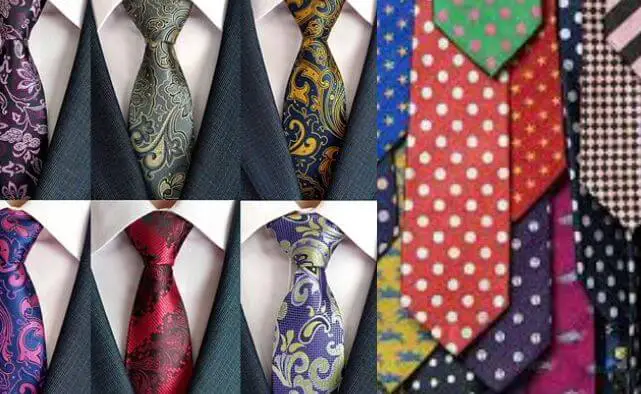
The art of tying a tie covers man knot styles, each taking care of different occasions and personal preferences.
Among the most popular knots are the:
- Four-in-hand
- Windsor, and
- Half-Windsor knots
…which serve different purposes in terms of formality and style. Understanding when to utilize these knots can significantly improve your attire, making a statement in both professional and social settings.
Four-in-hand
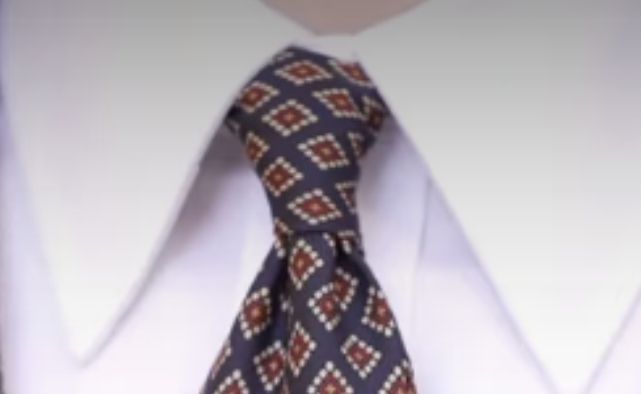
The four-in-hand knot is perhaps the simplest and most commonly used knot. This knot is known for its slight asymmetry, making it appropriate for casual and semi-formal occasions.
It is particularly well-suited for job interviews or everyday office wear where a polished yet approachable look is desired.
Its flexibility makes it a go-to choice for those who appreciate a laid-back elegance.
Full Windsor Knot
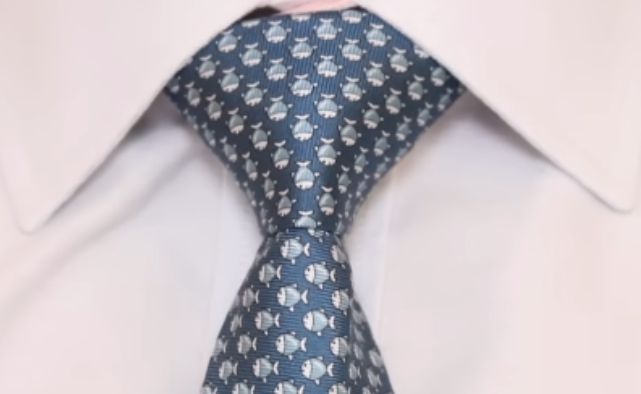
On the other hand, the Windsor knot is synonymous with formality. Characterized by its wide and symmetric shape, it is ideal for formal events such as weddings, galas, or high-profile business meetings.
The Windsor provides a commanding presence, making it an excellent choice for those aiming to convey authority and refinement.
When paired with a spread collar shirt, this knot enhances the overall aesthetic, establishing a strong visual impact.
Half Windsor Knot
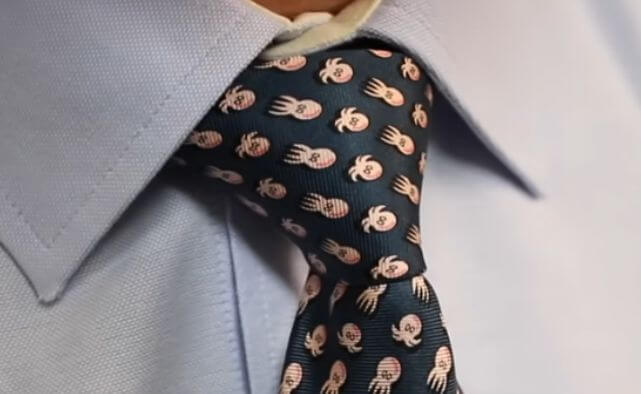
The half-Windsor knot offers a balanced approach between the four-in-hand and the full Windsor.
It is less bulky than the Windsor, making it suitable for various settings, from business meetings to formal dinners.
Its beauty lies in its ability to work well with different shirt collars, striking a balance between professionalism and modern flair.
When selecting a knot for an occasion, consider both the formality of the event and your style.
This choice impacts your appearance and reflects your attention to detail and professionalism.
Tie Patterns and Colors
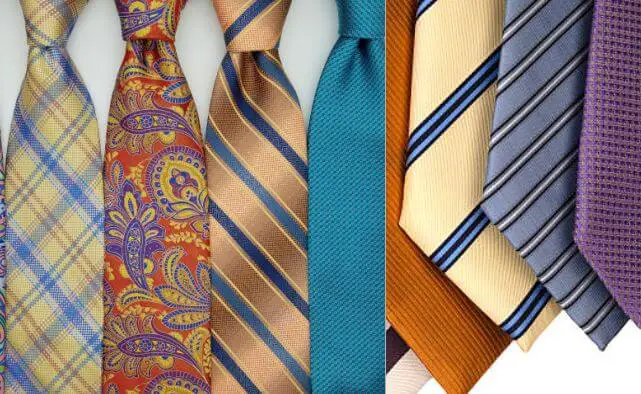
Most men focus on tie patterns and colors but overlook key etiquette rules that affect their overall look.
A well-chosen tie completes an outfit, while the wrong choice can throw everything off.
Understanding Patterns and Colors
Ties come in many designs, from bold and striking to subtle and refined. The key is finding a balance that fits the setting and complements your style.
Solid Colors
For formal events, solid ties or simple patterns work best. Classic shades like navy, burgundy, and dark green pair well with most suits, giving you a polished appearance.
Patterns
For casual or semi-formal settings, patterned ties—such as stripes, paisley, or checks—add personality. The trick is moderation. A bold tie should enhance your outfit, not overpower it.
Matching Ties with Shirts and Suits
Use the color wheel as a guide:
- Patterned ties pair well with solid shirts for a balanced look.
- Solid ties can complement patterned shirts without clashing.
- Polka dots, stripes, or geometric prints contrast well against white or light blue shirts.
- If wearing a patterned shirt, choose a more subdued tie to keep your outfit harmonious.
Choosing the Right Colors
- Complementary colors (opposite on the color wheel) create contrast and draw attention.
- Analogous colors (next to each other on the color wheel) create a seamless, coordinated look.
A carefully selected tie doesn’t just complete your outfit; it reflects your personal style and attention to detail.
Tie Accessories
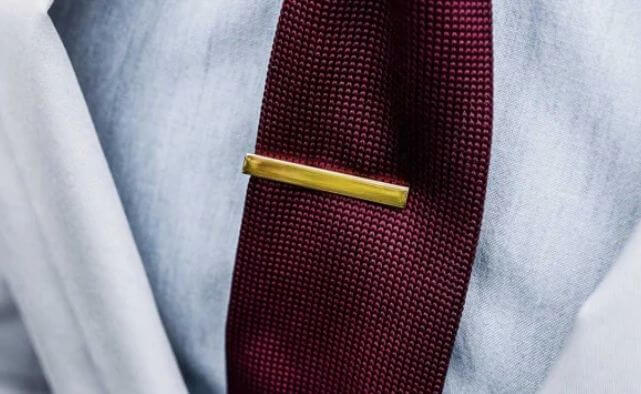
Adding tie accessories like tie bars, clips, and pins isn’t just about keeping your tie in place; they also add personality and polish to your look. The key is knowing when and how to wear them.
The Tie Bar
A tie bar keeps your tie from swinging and adds structure to your outfit.
To get the right fit, choose one that’s about two-thirds the width of your tie.
Clip it between the third and fourth buttons of your shirt; any higher or lower throws off the balance.
If you’re wearing a bow tie, skip the tie bar. It’s unnecessary and out of place.
Tie Clips
Tie clips work like tie bars but give you more room for personal expression. They come in different designs, so pick one that complements your tie and outfit.
A sleek metal clip keeps things classic, while a unique shape or engraving can add personality.
Tie Pins
Tie pins are bold and best suited for formal occasions. They pierce the fabric, making them ideal for ties with a heavier texture.
If you wear one, make sure it enhances your suit rather than overpowering it. A subtle yet stylish pin can be a conversation starter without stealing the spotlight.
Wearing the right tie accessory can sharpen your look and show attention to detail.
Stick to these simple guidelines, and your outfit will always look well put together.
Maintaining and Caring for Your Tie
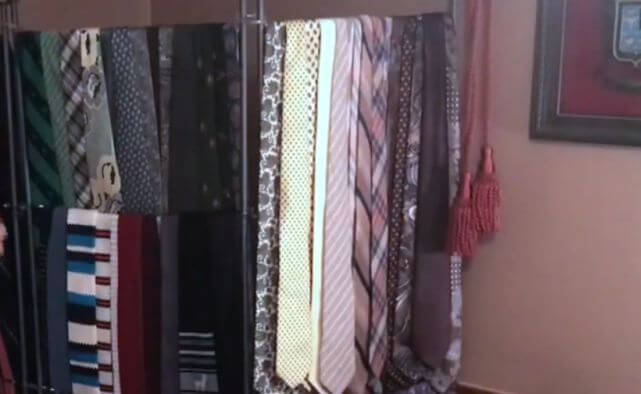
aking care of your ties isn’t complicated, but it makes a big difference in how they look and last. Whether you prefer classic neckties or stylish bow ties, proper cleaning, storage, and handling keep them in top shape.
Storage
Storing your ties the right way prevents wrinkles and helps them maintain their structure.
Hanging them on a tie rack is the best option since gravity naturally smooths out creases.
No rack? No problem. Roll your tie gently from the narrow end to the wide end and store it in a drawer or a protective box.
This keeps it from getting crushed and helps it hold its shape.
Cleaning and Pressing: Keeping Your Ties in Top Shape
Cleaning your ties the right way keeps them looking fresh without damaging the fabric. The method depends on the material:
- Silk ties should be dry-cleaned to avoid fading or distortion. For small stains, gently dab a fabric-safe spot cleaner with a soft cloth—never rub, as it can ruin the fibers.
- Cotton and linen ties can sometimes be hand-washed in cold water with mild detergent. Lay them flat to dry to maintain their shape. Avoid machine washing, as it can cause shrinkage or fraying.
Ironing
Wrinkles can ruin the look of a tie, but pressing them requires care. Use a low-heat iron with a steam setting or place a pressing cloth between the iron and the fabric to prevent burns or unwanted shine.
With the right care, your ties will always look crisp and ready for an
Men’s Tie Accessories
Tie accessories refine your outfit through detail and control.
The right pieces keep everything in place while adding polish, balance, and personal style without pulling focus from the tie itself.
Tie Bars and Tie Clips
Tie bars and tie clips secure your tie to the shirt, preventing movement and keeping lines clean.
Placement should sit between the third and fourth shirt buttons. Length must never exceed the width.
Silver and gold finishes suit business wear, while matte or textured designs fit relaxed settings, reinforcing a tidy, composed appearance.
Pocket Squares
Pocket squares sit in the jacket breast pocket, adding color or texture near the tie.
Coordination matters; matching tones rather than copying patterns keeps the look refined.
White linen suits formal settings, while silk or cotton prints work for social events.
A simple fold supports balance, letting your tie remain the main focus.
Cufflinks
Cufflinks replace buttons on French cuff shirts, adding structure to formal outfits.
Metals should relate to your tie bar or watch, creating visual harmony.
Simple designs suit business attire, while detailed styles fit evening events.
Well-chosen cufflinks signal attention to detail, reinforcing confidence through subtle, controlled expression.
Common Tie Mistakes to Avoid
Small errors with ties can disrupt an otherwise sharp outfit.
Avoiding length, knot, pattern, and fabric mistakes keeps your look polished, balanced, and socially confident.
Incorrect Tie Length
Tie tips should rest just above the beltline. Too long or too short creates an imbalance, making your outfit appear sloppy or mismatched for formal and casual settings.
Improper Knot Size
Knot size must match collar width and tie style. Oversized or tiny knots distort proportions, drawing attention for the wrong reasons and weakening a polished, professional look.
Clashing Patterns and Colors
Mix patterns and colors thoughtfully. Stripes, checks, or bold tones should harmonize with shirt and suit, avoiding visual conflict while maintaining a clean, coordinated appearance.
Ignoring Fabric and Season
Select the tie fabric according to the season. Silk works for formal wear, wool, and cotton suit colder months.
Proper material choice keeps outfits comfortable, stylish, and contextually appropriate.
How to Tie a Men’s Tie
Tying a tie shapes how your outfit comes together. The right knot supports your collar, suit style, and setting, helping your appearance feel neat, confident, and socially aware.
Four-in-Hand Knot
The four-in-hand knot is a simple, slightly asymmetrical knot favored for daily wear. Start with the wide end longer on your right.
Cross it behind and over the narrow end, pull through the neck loop, then slide it down the front.
This knot suits narrow collars, slim ties, and relaxed business settings, giving your look a natural, effortless finish.
Windsor Knot
The Windsor knot creates a wide, triangular shape that fills the collar evenly.
Begin with the wide end longer, cross it over, loop it through the neck, wrap around, then loop again before pulling through the front.
This knot pairs best with spread collars and formal suits, giving your presence structure, balance, and a strong sense of authority.
Half Windsor Knot
The half Windsor knot offers a clean, medium-sized shape that feels balanced and controlled.
Start with the wide end longer, cross it, loop once through the neck, wrap across the front, then pull through.
This knot works well with medium-width ties and standard collars, making it a reliable choice for offices, events, and formal gatherings.
Pratt Knot
The Pratt knot begins with the tie inside-out, placing the wide end over the narrow end.
Pass it through the neck loop, bring it down, wrap behind, then pull through the front loop.
The result feels neat and centered. This knot fits many collar styles, handling both casual and formal outfits with ease and consistency.
Conclusion
Ties remain a defining feature of men’s fashion, shaping first impressions and refining every outfit.
Choosing the right fabric, pattern, and knot ensures your ensemble feels balanced, polished, and appropriate for any setting.
Pairing ties with shirts and suits thoughtfully, using accessories like tie bars or pocket squares, and caring for your ties properly prolongs their life while maintaining style.
Avoiding common mistakes like improper length, clashing patterns, or wrong knots keeps your look confident and professional.
With attention to detail, a well-selected tie transforms your wardrobe, projecting sophistication, authority, and personal taste across business, formal, and social occasions.
Frequently Asked Questions
What is the best tie knot for formal occasions?
A Windsor knot works best for formal events, creating a wide, triangular shape that fills the collar, providing a balanced and polished appearance with most dress shirts.
How should a tie match a shirt and a suit?
Coordinate colors and patterns thoughtfully. Solid shirts pair with patterned ties, while complementary or contrasting colors enhance balance. Ensure the tie harmonizes with the suit fabric and tone.
How do I store ties to prevent wrinkles?
Hang ties on a tie rack or loosely roll them in drawers. Both methods preserve shape, reduce creases, and protect delicate fabrics like silk, wool, and cotton.
Can accessories improve a tie’s appearance?
Yes. Tie bars, pocket squares, and cufflinks refine your outfit. Coordinating metals and colors with these accessories adds polish and demonstrates attention to detail without overpowering the tie.
References
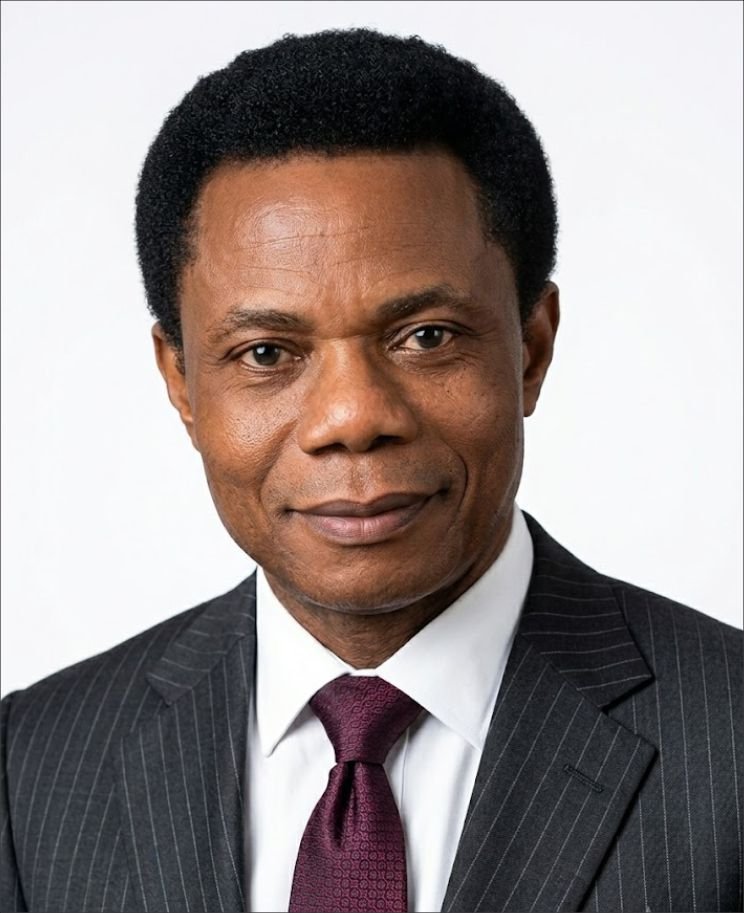
Pyo Merez is a 45-yeard old husband, father, and a chemical engineer by profession and the founder of Gentsways, a men’s lifestyle site built in honour of his father, Dee Clement. He has been writing about men’s development, style, and character through his father’s lens since 2021, drawing on lived experience, his father’s example, and research from reputable publications. He is not a certified trainer or therapist; where fitness or health topics require it, articles are reviewed by qualified contributors.