
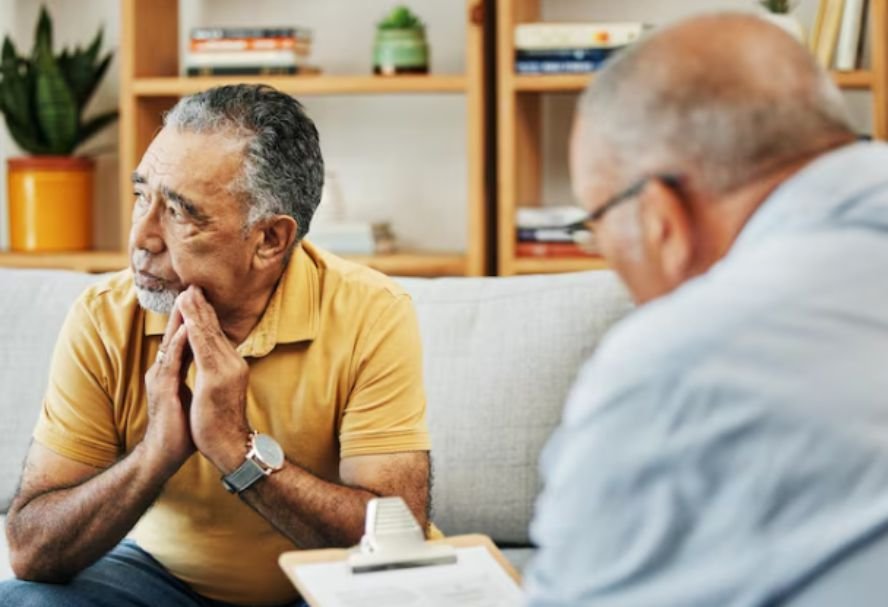
Healing after a divorce for older men begins when silence replaces confusion and daily structure returns, helping restore confidence, emotional balance, financial stability, and direction after years of shared identity.
Life feels unfamiliar at first, as routines shift and old habits no longer fit.
Many men face emotional strain, financial adjustments, and uncertainty about the future.
Recovery starts with accepting change, rebuilding simple routines, and focusing on personal stability step by step.
Managing emotions, reorganizing finances, and creating a new purpose help steady progress.
With time, clarity grows, strength returns, and a more balanced, independent life begins to take shape again.
Table of Contents
Accepting the Reality of the Breakup
For older men, after divorce, the first real shift comes when daily routines no longer include shared habits, conversations, or familiar presence, depending on what led to the divorce.
The space feels heavy at first, and it is easy to avoid the reality of what has changed.
Some men stay busy just to push emotions aside, but the feelings eventually surface in quiet moments.
Processing the loss means allowing yourself to acknowledge what ended, without pretending things are still the same.
Loneliness shows up in simple routines like meals, evenings, or weekends that once felt full.
Lifestyle changes become noticeable as you adjust to a new rhythm of living alone.
Letting go of expectations about how things should have been becomes part of the healing process.
In no time, acceptance replaces resistance, and clarity begins to form around building a new, independent life.
Managing Emotional Stress and Mental Health after Marriage Ends
Emotional pressure after divorce can be a burden, especially when anger, sadness, and regret show up at different times during daily life and affect focus, sleep, and decision-making stability.
Here is how to navigate these to heal properly:
Dealing With Anger, Sadness, and Regret
Anger can come from unmet expectations, while sadness reflects loss of shared life routines, and regret often comes from replaying past decisions.
These emotions may shift without warning, showing up during quiet moments or routine activities.
Recognizing each feeling instead of suppressing it helps reduce emotional tension and prevents it from building into long-term stress patterns.
Healthy Ways to Handle Emotional Overload
Emotional overload becomes easier to manage when structure is added to your day, such as exercise, journaling, or simple walks that clear mental pressure.
Breathing control, short breaks, and limiting negative triggers like constant reminders or arguments help restore balance.
Focus shifts toward small routines that rebuild stability and reduce mental exhaustion without forcing emotional suppression.
When to Seek Counseling or Support Groups
Professional support becomes helpful when emotional stress affects sleep, work, or relationships for extended periods.
Counseling provides a space to process feelings without judgment, while support groups connect you with others facing similar experiences.
Speaking openly with trained professionals or peers helps reduce isolation and gives clearer direction for emotional recovery and personal rebuilding.
Related Posts
Dating a Younger Woman as an Older Man
Best Dating Tips for Older Men
Older Men Dating: Guide to Finding Love After 50
The Needs of Older Men in Relationships
Why Am I Attracted To Older Men? Questions Ladies Ask
Rebuilding Identity After a Divorce
Rebuilding identity after the end of a marriage for older men is about rediscovering who you are outside the marriage and creating a personal direction that feels stable, grounded, and self-directed.
Rediscovering Personal Interests and Routines
Old hobbies and interests may have been set aside during marriage, and returning to them helps rebuild a sense of self.
Activities like reading, sports, travel, or simple daily routines bring structure back into your life.
Small, consistent habits matter here because they replace emotional emptiness with direction and personal engagement.
Separating Identity From Marital Role
Marriage often blends identity with partner roles, shared responsibilities, and family expectations.
After a divorce, there is space to define yourself independently again.
Career, goals, and lifestyle choices become personal decisions rather than shared ones.
This shift helps rebuild confidence and restores control over how daily life is shaped and experienced.
Building Confidence as a Single Man Again
You have become single again, and you need fresh confidence.
Confidence returns through action, not waiting for emotional readiness.
Taking care of health, appearance, finances, and daily structure supports a stronger sense of self.
Social interaction also helps rebuild comfort in public spaces and conversations.
Each step forward strengthens independence and reduces reliance on past identity for validation.
Handling Financial Adjustments After Divorce
Financial life changes quickly after divorce, and adjusting to new income patterns, expenses, and responsibilities becomes part of rebuilding stability and control over your personal finances.
Budget Changes and New Responsibilities
Living costs shift because the income that was once shared now covers everything alone.
Rent or mortgage, utilities, food, and transport need a new structure. Adjusting your budget helps you avoid financial pressure.
Tracking spending closely gives clarity on where money goes, helping you prioritize essentials and remove unnecessary expenses that no longer fit your situation.
Asset Division and Financial Planning
Dividing assets after divorce can affect savings, property, investments, and even retirement plans.
Careful financial planning helps you understand what remains and what needs rebuilding.
Clear records, fair settlements, and practical decisions reduce long-term strain.
This stage requires focus on protecting what you have left while planning how to grow it again steadily.
Rebuilding Savings and Income Stability
Rebuilding starts with small, consistent savings habits that restore financial confidence over time.
Income stability may involve career adjustments, side income, or better money management.
Creating emergency funds helps reduce stress from unexpected costs.
Gradual progress in saving and earning builds a stronger foundation, allowing you to regain financial independence with more control.
Reconnecting With Social Life
After divorce, social life can feel smaller and quieter, especially when shared friends, routines, and regular interactions change, making it important to rebuild connections and reduce isolation step by step.
Dealing With Isolation and Reduced Social Circles
Isolation can show up in everyday moments, like evenings or weekends, when conversations and activity feel absent.
Social circles may shrink naturally after separation, leaving fewer interactions.
Acknowledging this shift helps reduce pressure.
Small actions like short visits, calls, or stepping outside regularly help ease loneliness and rebuild comfort in being around people again.
Rebuilding Friendships and Support Systems
Old friendships may need time to reconnect, especially after life changes.
Reaching out again, even with simple messages, helps restart communication.
Support systems grow stronger when you stay consistent with contact and openness.
Building trust again takes time, but shared conversations, mutual support, and honest interaction help restore meaningful connections and emotional balance.
Engaging in Community, Hobbies, or Group Activities
Joining community spaces, hobby groups, or fitness activities helps rebuild social interaction in a natural way.
Shared interests make conversations easier and reduce pressure when meeting new people.
Regular participation creates routine and familiarity.
Over time, these environments help rebuild confidence, replace isolation with engagement, and bring structure back into social life.
Physical Health and Daily Routine Reset after a Divorce in Men
After a divorce, physical health and daily structure can slip easily, and rebuilding them helps restore energy, focus, and emotional stability during a period of major life adjustment for men.
Importance of Exercise and Sleep Consistency
Regular exercise helps clear mental stress, improve mood, and rebuild physical strength that may decline during emotional strain.
Activities like walking, gym sessions, or sports create routine and discipline.
Sleep consistency matters just as much, since irregular rest affects focus, decision-making, and emotional control.
A stable sleep schedule supports recovery and daily performance.
Eating Habits and Energy Recovery
Eating patterns often change during stressful periods, leading to skipped meals or unhealthy choices.
Balanced nutrition helps restore energy and supports mental clarity.
Simple meals with proper nutrients improve focus and reduce fatigue.
Hydration and regular eating times also play a role in recovery, helping the body regain strength and stabilize daily energy levels.
Creating Structure in Daily Life
Structure replaces confusion with direction, especially when old routines disappear after divorce.
Setting daily plans, even simple ones, helps organize time and reduce aimlessness.
Work, exercise, meals, and rest become anchors that guide the day.
Consistent structure builds discipline, reduces emotional drift, and supports steady recovery through predictable and purposeful living.
Dating Again After Divorce for Older Men
Returning to dating after divorce requires clarity, patience, and self-awareness, especially for men adjusting to emotional change, new routines, and shifting expectations in relationships and personal life.
When to Consider Entering New Relationships
New relationships become healthier when emotional wounds have settled, and daily life feels stable again.
Signs of readiness include comfort with being alone, reduced emotional attachment to the past, and improved routine stability.
Entering dating too early can lead to confusion, so timing matters more than pressure or external expectations from friends or society.
Emotional Readiness vs Loneliness Decisions
Loneliness can feel strong after divorce, but it does not always mean readiness for a new relationship.
Emotional readiness comes from stability, not avoidance of solitude.
Decisions driven by loneliness may lead to rushed connections or repeated patterns.
Taking time to understand your emotional state helps separate the need for company from genuine relationship readiness.
Building Healthy Expectations in Modern Dating
Modern dating involves apps, social platforms, and varied relationship styles, which can create unrealistic expectations. See dating apps for older men.
Clear communication, patience, and self-respect help set healthier standards.
Focus shifts to compatibility, shared values, and emotional maturity instead of quick attraction.
Building realistic expectations reduces disappointment and supports better long-term relationship choices moving forward.
Mistakes Older Men Should Avoid After Divorce
After a divorce, certain choices can slow recovery and create emotional, financial, and lifestyle setbacks, especially when decisions are made out of impulse or isolation instead of balance and awareness.
Rushing Into Rebound Relationships
Jumping into new relationships quickly after divorce often leads to emotional confusion, repeating old patterns, and decisions driven by loneliness instead of real compatibility or readiness.
Isolating From People Completely
Cutting off friends, family, and social contact increases loneliness, slows emotional recovery, and reduces motivation, making healing harder while weakening confidence and daily mental stability.
Neglecting Health, Finance, or Emotional Recovery
Ignoring physical health, financial planning, or emotional healing creates imbalance, slowing recovery after divorce, reducing stability, and making rebuilding confidence, structure, and life direction harder.
Building a New Purpose and Direction
After a divorce, life can feel like it has lost direction, and rebuilding purpose becomes a key step in restoring structure, motivation, and a clear sense of identity in daily living.
Setting Personal Goals After Divorce
A new direction starts with setting simple, realistic goals that match your current stage of life.
These goals can focus on health, finances, or personal growth.
Having clear targets helps replace confusion with structure.
Writing them down and tracking progress creates accountability, helping you regain focus and build momentum in your new phase of life.
Career, Hobbies, or Business Focus
Work and personal interests become powerful tools for rebuilding identity after divorce.
Career growth can improve financial stability, while hobbies bring balance and reduce stress.
Some men also explore business ideas to create independence.
Focusing energy on productive areas helps shift attention away from loss and toward progress, achievement, and personal development.
Creating Meaning Beyond Past Identity
Identity after divorce often feels tied to the past, but rebuilding means creating a life that reflects current values and goals.
This involves redefining routines, relationships, and priorities.
Meaning grows through consistent action, personal discipline, and new experiences.
Over time, life starts to feel grounded again, with direction shaped by present choices, not past roles.
Conclusion
Healing after a divorce for older men moves in stages, not a straight line, and progress shows up when structure returns to daily life.
Emotional stress, financial pressure, and identity shifts feel heavy at first, but stability grows through small routines, better decisions, and honest reflection.
My own experience showed that ignoring the process only delays recovery, while acceptance speeds it up.
Life begins to feel steady again when focus shifts to health, money, and purpose.
With time, confidence returns, relationships improve, and direction becomes clearer, leading to stronger personal control and balance.
Frequently Asked Questions
How long does it take for older men to heal after divorce?
Healing time varies, but steady progress comes when emotional acceptance, routine rebuilding, and financial stability are prioritized consistently without rushing the recovery process.
What helps older men cope with loneliness after divorce?
Staying socially active, maintaining routines, reconnecting with friends, and joining group activities reduce loneliness while supporting emotional stability and rebuilding confidence in daily life.
Should older men start dating immediately after divorce?
Dating works better after emotional balance returns, since rushing often leads to rebound relationships, confusion, and repeating past patterns without proper healing and reflection time.
What is the biggest mistake older men make after divorce?
Neglecting health, finances, and emotional recovery at the same time creates imbalance, slowing healing and making it harder to regain stability, confidence, and clear direction.
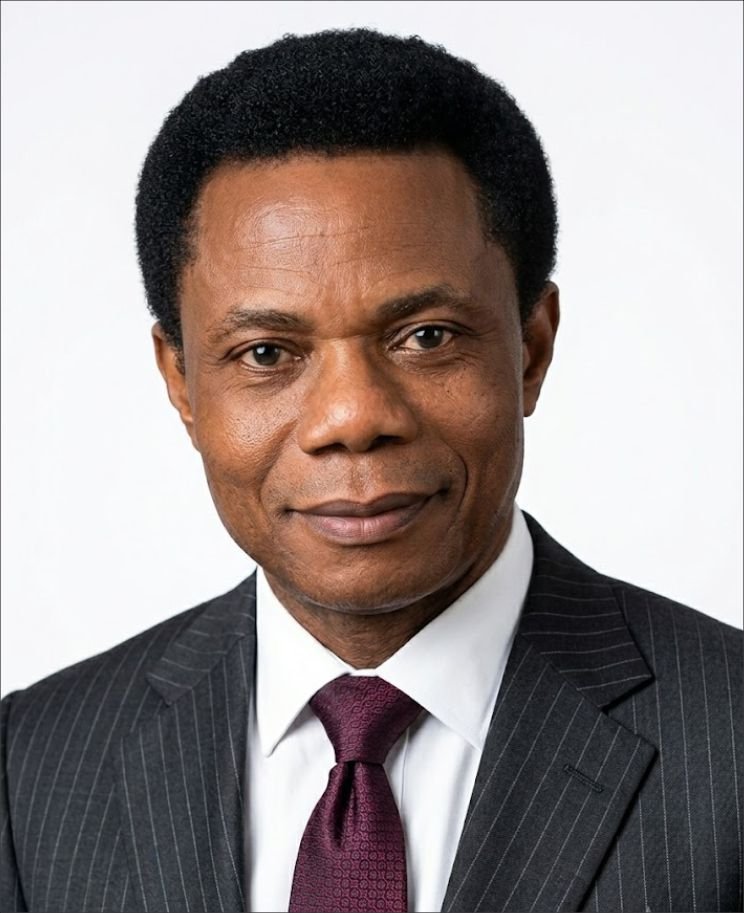
Pyo Merez is a 45-yeard old husband, father, and a chemical engineer by profession and the founder of Gentsways, a men’s lifestyle site built in honour of his father, Dee Clement. He has been writing about men’s development, style, and character through his father’s lens since 2021, drawing on lived experience, his father’s example, and research from reputable publications. He is not a certified trainer or therapist; where fitness or health topics require it, articles are reviewed by qualified contributors.