

Last updated on July 31st, 2026 at 08:54 am
Most men chase a bigger number on the bar or the scale, then wonder why their energy still crashes by afternoon, their joints still ache, and their motivation still disappears within a few weeks of starting over yet again.
Men’s fitness means more than a number on the bar or the scale; it means building a body that holds up under real daily demands.
Regular training lowers the risk of heart disease and type 2 diabetes, and adults who meet the CDC’s physical activity guidelines 150 minutes of moderate exercise or 75 minutes of vigorous exercise weekly, plus two days of strength work- see measurable drops in those risks.
This guide covers the pillars that make training actually work: strength and cardio, nutrition, recovery and sleep, training by decade, mindset, and the common obstacles that derail most men before results show up.
Disclaimer: This article is for informational purposes only and does not constitute medical, fitness, or professional advice. The author is not a certified personal trainer, licensed therapist, nutritionist, or medical doctor. Where content is based on personal experience or observation, this is stated clearly in the article. Always consult a qualified professional before making significant changes to your health, fitness, or wellness routine.
Table of Contents
What Is Fitness?
Fitness is your body’s ability to handle daily tasks with strength, endurance, and flexibility while carrying good health along the way.
It reaches past muscle size or appearance to include cardiovascular capacity, mobility, balance, and recovery.
Real fitness means having the energy to get through work, family life, and recreation without running on empty, while also lowering your long-term risk of chronic disease.
It blends exercise, nutrition, rest, and daily habits into one system that supports your body and your mind together.
Why Fitness Matters for Men’s Health
Your health depends on more than annual checkups. Training gives you the strength, energy, and resilience to handle daily demands while lowering long-term health risks.
Heart health
Regular exercise strengthens your heart, improves circulation, and builds stamina.
Running, cycling, and strength training keep blood pressure and cholesterol in a healthier range, which lowers your risk for cardiovascular disease, a leading threat to men’s health specifically.
Disease prevention
Physical activity helps regulate blood sugar and manage weight, both of which protect against type 2 diabetes and metabolic syndrome.
Structured training improves insulin sensitivity and supports healthier cholesterol levels over the course of consistent training.
Testosterone support
Strength training and high-intensity work stimulate testosterone production, which supports muscle mass, bone density, and energy.
Poor sleep works against this: in one Journal of the American Medical Association study, men who slept five hours a night for one week saw testosterone levels drop by 10 to 15 percent compared to a full night’s rest.
Gentsways covers this connection in more depth in its guide to testosterone.
Mental well-being
Training benefits more than your body. A 2023 review of 97 studies covering more than 128,000 people found that regular exercise improved symptoms of depression, anxiety, and psychological distress more effectively than staying sedentary.
A consistent routine builds confidence and a sense of control that carries into the rest of your life.
Core Pillars of Men’s Fitness
Your training rests on a few real pillars, and each one supports the others.
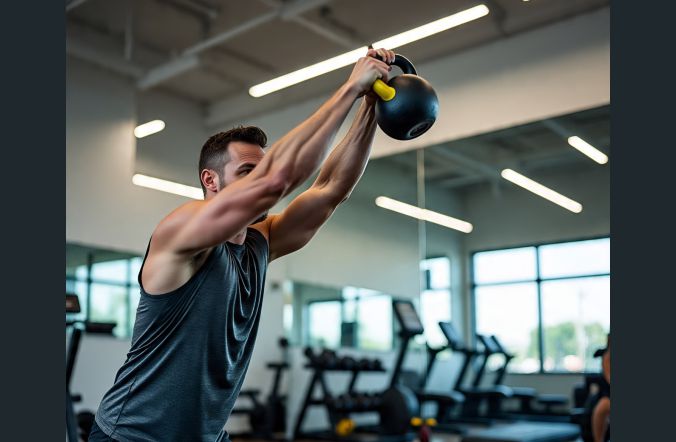
Strength and Resistance Training
Strength and resistance training build muscle, protect bone density, and support testosterone production.

You don’t need to start with heavy lifting; squats, push-ups, and pull-ups build a working foundation before barbells or machines enter the picture.
Bodyweight Training
Bodyweight training remains one of the most accessible strength options available.

Push-ups, squats, planks, and pull-ups train multiple muscle groups with no equipment required, making them practical at home or on the road.
Progressing to single-leg variations or added resistance keeps the challenge growing as you improve.
Free Weights and Machines
Free weights and machines each bring something different to a routine.

Dumbbells and barbells demand that you stabilize the load yourself, which builds balance along with strength.
Machines guide the movement pattern, which helps beginners and anyone recovering from injury train safely while still building real strength.
Functional Movements
Functional movements like kettlebell swings, farmer carries, and lunges train multiple muscles at once while building the balance and coordination you use in daily life, lifting, carrying, and bending without strain.
Cardiovascular Training for Men
Cardio strengthens your heart, builds endurance, and rounds out a complete training routine.

- Steady-state cardio: Running, cycling, swimming, or rowing at a consistent pace improves aerobic capacity and helps manage body fat. It’s also easier to sustain regularly since the effort stays controlled.
- High-intensity interval training (HIIT): Short bursts of maximum effort followed by recovery, for example, 30 seconds of sprinting followed by a minute of walking, deliver fast results in calorie burn and cardiovascular fitness in less total time.
- Circuit training: Resistance exercises performed back-to-back with cardio movements keep your heart rate elevated while building strength across the whole body in one session.
The CDC recommends 150 minutes of moderate cardio or 75 minutes of vigorous cardio weekly, plus muscle-strengthening work on two or more days.
Splitting sessions across the week supports recovery, and mixing all three cardio styles keeps training from going stale.
Flexibility and Mobility in Men’s Fitness
Your body works best when it moves freely. Skipping flexibility training tightens muscles and makes lifting, running, and even simple daily tasks harder on your joints.

Stretching improves posture and prepares your body for both strength work and cardio.
Mobility, how well your joints move under control, matters just as much.
Poor mobility forces your body into compensating patterns that gradually lead to pain and stiffness.
Simple drills like leg swings, arm circles, and hip openers before a workout keep your joints healthy and your movement smooth.
Adding a hip flexor stretch, hamstring stretch, or spinal twist a few times a week keeps stiff areas loose and lowers your risk of strains and sprains.
Nutrition for Men’s Fitness
What you eat drives your strength, recovery, and daily energy just as much as your training does.

Protein
Protein repairs and builds muscle after training. Without enough of it, recovery slows and strength gains stall.
Lean sources like chicken, turkey, fish, eggs, dairy, beans, and lentils spread across your meals work better than one large serving.
The International Society of Sports Nutrition’s position stand recommends 1.4 to 2.0 grams of protein per kilogram of body weight daily for most active men, with some research supporting up to 2.2 grams per kilogram for men actively building muscle.
Carbohydrates
Carbohydrates fuel intense exercise directly. Complex carbs like oats, brown rice, sweet potatoes, fruits, and vegetables keep energy steady and avoid the crashes that come with processed sugar.
Carbs before training supply glycogen, and carbs after training help refill those stores.
Healthy Fats
Healthy fats support hormone production, joint health, and recovery.
Salmon, walnuts, chia seeds, olive oil, and flaxseeds provide omega-3s, which fight the inflammation that heavy training causes.
Micronutrients
Micronutrients round out the picture. Magnesium supports muscle function, vitamin D strengthens bones, and zinc supports testosterone production.
Leafy greens, nuts, seeds, and lean meats cover most of what your body needs.
Supplements
Supplements fill gaps rather than replace real food. Whey protein helps you hit protein targets on busy days, creatine supports strength and endurance, and omega-3 capsules help if fish isn’t a regular part of your diet.
Recovery and Sleep in Men’s Fitness
Progress happens during recovery just as much as during training itself.
Sleep is the single most powerful recovery tool available to you.

During deep sleep, your body releases growth hormone that repairs muscle tissue and restores energy.
Cutting sleep short works directly against this: the same sleep-restriction study cited above found testosterone dropped 10 to 15 percent after just one week of five-hour nights.
Aim for 7 to 9 hours nightly, and see Gentsways’ full sleep guide and its guide to sleep and testosterone for more on this connection.
Active recovery, light stretching, yoga, or a slow swim or jog, keeps blood flow up without adding training stress.
Managing stress matters too, since elevated cortisol slows muscle repair.
Breathing exercises, short outdoor walks, or a hobby that has nothing to do with training all help bring stress back down.
Age-Specific Fitness for Men
Your body changes by the decade, and your training should change with it.
In Your 20s
In your 20s, your body responds well to volume and intensity.
Compound lifts, sprinting, and agility work build a strong foundation, and consistency now sets up the next several decades.
Gentsways covers building that foundation more broadly in its roadmap for young men.
In Your 30s
In your 30s, career and family demands make consistency harder to protect.
Efficient, functional training that mirrors real daily movement matters more than chasing volume, and stress management practices like yoga or stretching help protect recovery.
In Your 40s
In your 40s, metabolism slows, and recovery takes longer, so training smarter matters more than training harder.
Resistance work preserves muscle mass, and adults naturally begin losing 3 to 5 percent of muscle mass per decade starting at age 30, according to research summarized by the National Institutes of Health, which makes consistent strength training a real defense rather than an optional extra.
In Your 50s and Beyond
In your 50s and beyond, maintaining strength, mobility, and quality of life takes priority over chasing intensity.
Gentle resistance training paired with tai chi, yoga, or Pilates protects joint health and keeps movement fluid.
Gentsways’ dedicated guide to fitness for older men covers this stage in far more depth, including equipment and pacing suited to joint health and balance.
Mental Fitness and Mindset in Men
Your body only goes as far as your mind allows it to. Training builds mental resilience alongside physical strength.
Exercise releases endorphins that lift mood and lower stress, giving you a reliable outlet after a demanding day.
Building a routine and sticking to it also trains discipline directly, the same follow-through that matters in work and personal life.
Pushing through a tough set or a longer run builds a mindset that treats setbacks as temporary rather than permanent, a habit of mind Gentsways covers more broadly in its guide to personal development and in the high-value man guide.
Lifestyle Factors Influencing Men’s Fitness
Training results depend on more than workouts and meals.
Sleep Hygiene
Sleep hygiene affects everything else on this list. A consistent bedtime, limited screens before bed, and regular sleep hours improve recovery and mental clarity, both of which your training depends on.
Alcohol and Smoking
Alcohol and smoking work against your progress in ways you can measure.
Alcohol interferes with hydration, muscle repair, and hormone balance.
Smoking reduces lung capacity and slows recovery.
Cutting back on either improves stamina and how well your body uses the nutrients you’re already eating.
Work-Life Balance
Work-life balance decides how well training survives a busy season, since a packed schedule usually pushes workouts aside first.
Scheduling workouts like meetings and protecting rest time keeps consistency intact even when work gets demanding, a balance Gentsways covers in more depth in its guide to career for men.
Training Programs and Approaches for Men
Program Structure
Program structure should match your level. Beginners need simple movements that teach proper form.
Intermediate programs add volume and intensity.
Advanced structures bring in periodization and progressive overload while protecting recovery.
Training Styles
Training styles serve different goals. Functional training builds real-world movement and balance.
Bodybuilding centers on muscle growth and size. Powerlifting builds maximum strength through heavy compound lifts.
Endurance training builds stamina and cardiovascular capacity. Pick the style that matches the outcome you actually want.
Home vs Gym Training
Home versus gym training comes down to your goals and resources. Home training offers privacy and flexibility, especially with bodyweight routines or basic equipment.
Gentsways’ guide to home gym setup ideas for men covers building that space properly.
Gyms offer more machines and heavier weight options along with a motivating environment.
Either works if you show up consistently.
Personal Trainers and Technology
Personal trainers and technology can add real structure.
A trainer corrects form and builds accountability, and fitness apps or wearables offer feedback if you prefer training independently. Either approach beats going in without a plan.
Common Fitness Challenges Men Face
- Lack of consistency stalls more progress than any single training mistake. Life gets in the way, but results come from routine, not perfection. Scheduling workouts like fixed appointments protects your time.
- Injuries usually come from lifting too heavy too soon or using poor form. Proper technique, lighter starting weights, and real warm-ups protect you from setbacks that cost weeks or months of training.
- Nutrition misconceptions hold back plenty of men who skip meals, over-index on protein, or chase fad diets. Whole foods, portion control, and hydration build a foundation that makes every workout count for more.
- Plateaus are a normal part of training, not a sign of failure. They usually mean your body has adapted to the current stimulus. Adjusting volume, intensity, or diet in small steps reignites progress more reliably than starting over completely.

Conclusion
Men’s fitness works when strength training, cardio, nutrition, recovery, and mindset move together instead of in isolation.
Progress comes from consistency across months and years, not a single perfect week.
Start with the pillar you’re weakest in- sleep, protein intake, or simply showing up on schedule, and build outward from there.
For training by decade in more depth, see Gentsways’ guide to fitness for older men, and for the space to train in, see the guide to home gym setup ideas for men.
Frequently Asked Questions
What are the best bodyweight exercises for men?
Push-ups, squats, planks, and pull-ups build strength, balance, and stability without equipment, making them practical for home training or travel while improving coordination.
How much protein do men need to build muscle?
Research supports 1.4 to 2.0 grams of protein per kilogram of body weight daily, with up to 2.2 grams supporting muscle growth in men training seriously.
Why does muscle mass matter more as men age?
Men naturally lose 3 to 5 percent of muscle mass per decade after age 30, and resistance training slows that loss while protecting mobility and bone density.
Should men take supplements for fitness goals?
Supplements like whey protein, creatine, and omega-3s fill nutritional gaps but don’t replace whole foods; use them to support training when your diet alone falls short.
How much cardio and strength training do men need weekly?
The CDC recommends 150 minutes of moderate cardio or 75 minutes of vigorous cardio weekly, plus muscle-strengthening work on two or more days.
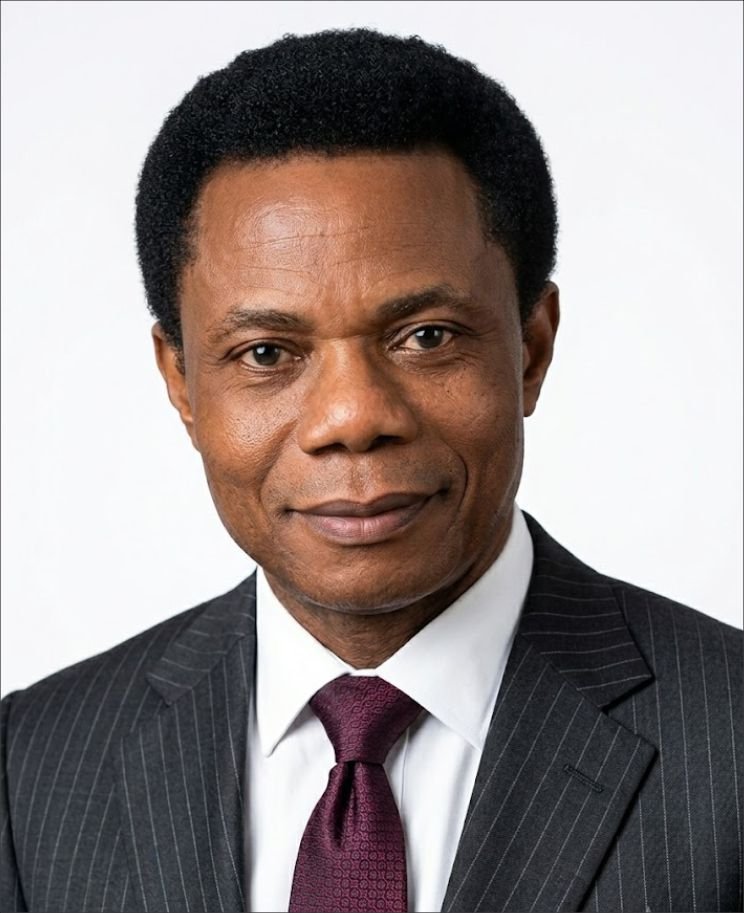
Pyo Merez is a 45-yeard old husband, father, and a chemical engineer by profession and the founder of Gentsways, a men’s lifestyle site built in honour of his father, Dee Clement. He has been writing about men’s development, style, and character through his father’s lens since 2021, drawing on lived experience, his father’s example, and research from reputable publications. He is not a certified trainer or therapist; where fitness or health topics require it, articles are reviewed by qualified contributors.