

Last updated on September 21st, 2026 at 03:59 pm
Older skin thins, dries out, and bruises more easily, so the shaving method you settle on now matters more than the one you used in your twenties, thirties, or forties, when your skin bounced right back from almost any nick.
In my father’s day, shaving technology was absent, so he used whatever gave him a close, smooth shave, mostly manual razor sticks with blades you had to take apart to load.
He never had a way to know if that method was the best fit for his skin or if something gentler existed. He just used what was available and made it work.
Choosing between a wet shave and an electric razor becomes a real decision for older guys, since skin behaves differently than it did decades earlier.
This guide breaks down what each method does to aging skin, when dermatologists recommend one over the other, and how your own skin type, hair thickness, and daily routine should guide your pick.
You will find product picks across both methods, along with prep and aftercare steps that reduce nicks, dryness, and razor burn.
If you already use one method, small adjustments to technique can make your shave noticeably more comfortable and your skin healthier.
Disclaimer: This article is for informational purposes only and does not constitute medical, fitness, or professional advice. The author is not a certified personal trainer, licensed therapist, nutritionist, or medical doctor. Where content is based on personal experience or observation, this is stated clearly in the article. Always consult a qualified professional before making significant changes to your health, fitness, or wellness routine.
Table of Contents
- Why Shaving Changes as You Age
- What an Electric Razor Does for Older Skin
- What a Wet Shave Does for Older Skin
- Quick Comparison Table
- Best Products for Each Method
- How to Choose Based on Your Skin and Beard
- Shaving Prep That Reduces Irritation
- Aftercare That Protects Aging Skin
- Common Mistakes Men Make With Either Method
- Final Verdict
- Conclusion
- Frequently Asked Questions
Why Shaving Changes as You Age
Skin Gets Thinner and More Fragile
Skin loses collagen, elasticity, and subcutaneous fat as you age, which makes it thinner and more prone to bruising, according to OnSite Dermatology.
Dermatologists refer to advanced cases of this fragility as dermatoporosis, a condition where skin tears and bruises with very little force, as described in the Journal of Clinical and Aesthetic Dermatology.
A shaving method that felt fine for decades can start causing more nicks and slower healing once your skin reaches this stage.
Shaving Stress Adds Up Over the Years
Repeated razor friction on the same areas of your face, especially the cheeks, jawline, and neck, can wear down the skin’s protective barrier faster than untouched skin nearby.
This does not happen overnight, but it explains why some men notice more dullness, redness, or uneven texture in areas they shave most.
Why the Right Method Matters More Now
Nearly 41 percent of men report some redness, irritation, or burning after a typical shave, according to research summarized by Acne.org.
For younger skin, this clears up fast.
For thinner, drier, older skin, the same irritation can linger longer and heal more slowly, which makes choosing the right tool and technique a bigger priority than it once was.
What an Electric Razor Does for Older Skin
Electric razors keep the blade separated from your skin behind a thin foil or a rotary head, which reduces direct contact.
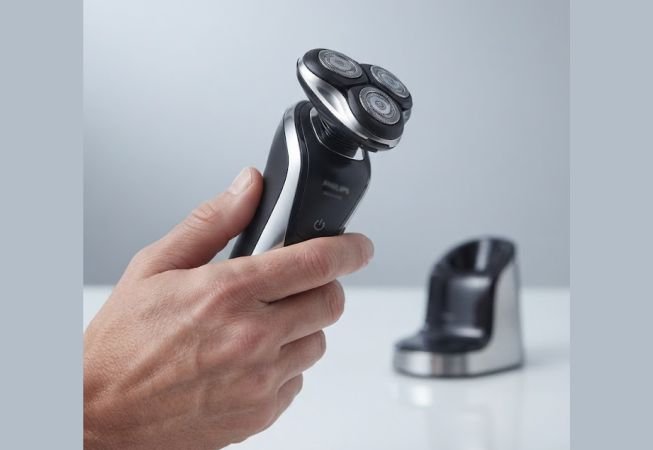
HowStuffWorks notes that electric shavers are generally easier on sensitive skin since there is little chance of a deep cut or nick.
Dermatologists interviewed on the topic point out that reduced friction means less inflammation for men with rosacea or a history of razor burn.
- Fewer cuts and nicks, since the blade rarely touches skin directly.
- Faster routine, with no lather, water, or drying time required.
- Some models still irritate if used with heavy pressure or the wrong motion for the head type.
What a Wet Shave Does for Older Skin
A well-executed wet shave uses warm water, proper lather, and a sharp blade to cut hair close to the skin with minimal resistance.
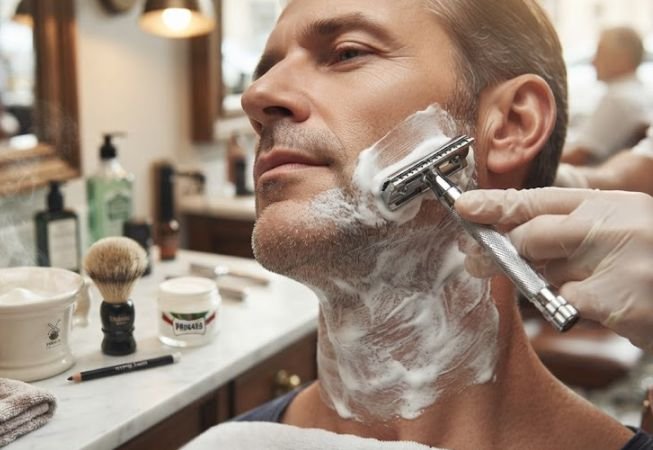
Gillette’s own shaving guide notes that wet shaving paired with good technique and enough lubrication can reduce irritation, particularly for sensitive skin types.
A dermatologist quoted on the topic added that a properly prepped wet shave can be less traumatic than forcing an electric razor through thick, coarse hair.
- A closer result on thick or coarse beards, especially with sharp blades.
- Requires more prep time, including warm water and a proper lather.
- Higher risk of nicks if blades are dull, dirty, or used with too much pressure.
Quick Comparison Table
| Method | Best For | Skin Contact | Prep Time | Common Risk |
|---|---|---|---|---|
| Electric Razor | Sensitive, thinning, or easily irritated skin | Low, the blade sits behind the foil or guard | Minimal, no water needed | Mild irritation from heavy pressure |
| Safety Razor (Wet Shave) | Coarse or thick beards, traditional routine | Direct, single sharp blade | Moderate, needs warm water and lather | Nicks from dull blades or rushed strokes |
| Sensitive Skin Cartridge Razor | Men prone to razor bumps or burn | Direct, but guarded and lubricated | Moderate, needs warm water and lather | Occasional tugging on very coarse hair |
AFFILIATE DISCLAIMER!
Some of the links on this website may be affiliate links, meaning we may receive a commission without additional cost to you if you purchase through the links. We only recommend products and services we trust would be beneficial to our readers. Thank you for your support.
Best Products for Each Method
Best Electric Razor: Braun Series 9 Pro+
The Braun Series 9 Pro+ uses five foil shaving elements, including a protective SkinGuard bar and a Direct and Cut blade for hair growing in different directions.
It’s Sonic Technology and SensoAdapt sensor read beard density and automatically adjusts power, which helps reduce repeated passes that can be irritating.
The shaver works wet or dry and includes a self-cleaning and charging station.
- Why it suits older men: lower direct skin contact and an automatic power adjustment reduce the extra passes that stress thinning skin.
Best Sensitive Skin Cartridge Razor: Gillette SkinGuard
The Gillette SkinGuard razor was built specifically for sensitive skin and razor bumps, using a guard bar that positions blades to cut hair at skin level rather than pulling it up first.
Lubrication strips before and after the blades add glide, and the two-blade design keeps direct contact lower than standard five-blade cartridges.
- Why it suits older men: the guard technology and added lubrication reduce tugging on skin that has less natural elasticity to bounce back from it.
Best Traditional Safety Razor: Merkur 34C
The Merkur 34C is a heavyweight, two-piece safety razor with a single sharp blade and a closed comb guard designed to reduce nicks.
Its weight does most of the work, so you can use light pressure and still get a close, even shave.
- Why it suits older men: a single sharp blade with light, controlled pressure usually causes less repeated friction than multi-blade cartridges dragged across the same area several times.
Best Sensitive Skin Shave Cream: Cremo Sensitive Shave Cream
Cremo Sensitive Shave Cream skips synthetic fragrance and uses a soothing botanical oil blend on top of Cremo’s slick, water-activated formula.
A thick, slippery lather reduces the friction between blade and skin regardless of which razor you pair it with.
- Why it suits older men: less fragrance and added slip lower the odds of stinging or dryness on skin that already holds less natural moisture.
How to Choose Based on Your Skin and Beard
- Choose an electric razor if your skin bruises easily, feels thin, or reacts to most blade-based products.
- Choose a wet shave if your beard grows thick or coarse and an electric razor leaves visible stubble behind, or if you keep one of these beard styles for older men and need clean, defined edges.
- Choose a guarded, sensitive skin cartridge razor if you want a closer result than an electric razor, but still deal with occasional razor bumps.
- Pair either choice with a complete skincare routine for older men so your skin stays supported between shaves.
Shaving Prep That Reduces Irritation
- Warm Water First: Warm water softens hair and opens pores, which lowers the resistance a blade meets and reduces tugging in both wet and dry methods.
- Pre-Trim Long Hair: If you use an electric razor, trim longer hair first so the shaver head can cut evenly instead of catching and pulling.
- Apply a Proper Lather: For a wet shave, work a lubricating cream into a full lather rather than a thin layer, since more slip means fewer repeated strokes.
- Keep Blades Sharp and Clean: Dull or dirty blades pull hair instead of cutting cleanly, which raises your risk of irritation no matter which method you use.
This pairs well with the rest of your older men’s grooming routine, since consistent prep habits carry over to hair and skin care generally.
Aftercare That Protects Aging Skin
- Rinse with cool water after shaving to help calm freshly irritated skin.
- Apply a fragrance-free moisturizer while skin is still slightly damp to lock in hydration.
- Avoid alcohol heavy aftershaves, which can dry out skin that already holds less natural moisture.
- If you keep facial hair around the shaved area, a light pass of beard oil or balm keeps the transition line soft instead of dry and flaky.
- Apply sunscreen if you plan to spend time outdoors, since freshly shaved skin is more reactive to sun exposure.
Building this into your daily face care routine keeps your skin supported well beyond shaving days alone.
Common Mistakes Men Make With Either Method
- Pressing too hard with either an electric razor or a blade, which increases irritation rather than closeness.
- Skipping warm water and lather before a wet shave leaves hair stiff and harder to cut cleanly.
- Using a worn-out electric shaver head or a dull blade well past its useful life, instead of rotating in fresh gear from your grooming tools kit.
- Switching razors constantly instead of giving your skin two to four weeks to adjust to one method.
- Skipping moisturizer after shaving, which leaves skin dry and more sensitive the next day.
Avoiding these mistakes matters alongside the grooming mistakes older men should avoid in the rest of their routine.
Final Verdict
- Best Overall for Sensitive Skin: Braun Series 9 Pro+
- Best for Razor Bumps: Gillette SkinGuard
- Best Traditional Wet Shave: Merkur 34C
- Best Shave Cream Pairing: Cremo Sensitive Shave Cream
Conclusion
Neither method is automatically right for every man over 50, since skin sensitivity, hair thickness, and daily habits vary widely from person to person.
Electric razors generally cause fewer cuts and less direct friction, while a well-executed wet shave can still give coarse beards a closer result with less pulling.
Pick a razor built for sensitive or aging skin, prep properly, and moisturize after every shave.
Try one method for several weeks before switching, and pay attention to how your own skin responds, not just how the shave feels.
Frequently Asked Questions
Is an electric razor better for older men’s skin?
Yes, dermatologists commonly point to electric shavers for sensitive or aging skin, since reduced blade contact lowers the overall daily chance of cuts, nicks, and razor burn happening.
Does a wet shave irritate skin more than an electric razor?
No, a proper wet shave with sharp blades, warm water, and lubrication can feel gentle on skin, though it takes more care and preparation than an electric razor.
Does skin get more fragile with age?
Yes, aging skin loses collagen and natural oils, which raises the chance of dryness, tearing, and slower healing after small nicks compared to skin in your twenties and thirties.
How long should I try a new razor before switching?
Most dermatologists recommend trying a new razor for at least two to four weeks straight, since skin needs time to adjust to a different blade or shaving motion.
Does a sharper blade cause less irritation?
Yes, a sharp, gentle blade paired with warm water and proper lubrication usually works much better than a dull, worn blade for reducing tugging, irritation, and lasting redness.

Pyo Merez is a 45-yeard old husband, father, and a chemical engineer by profession and the founder of Gentsways, a men’s lifestyle site built in honour of his father, Dee Clement. He has been writing about men’s development, style, and character through his father’s lens since 2021, drawing on lived experience, his father’s example, and research from reputable publications. He is not a certified trainer or therapist; where fitness or health topics require it, articles are reviewed by qualified contributors.