
Last updated on October 11th, 2026 at 11:44 am
Skin after 50 does not respond to the same routine that worked at 30. Here is the full picture of skincare for older men, from what changes to how to build a routine around it.
Skincare for older men starts with understanding what is actually different about mature skin, not just reaching for new products.
Collagen production drops, natural oil decreases, and the skin barrier weakens with age, according to the American Academy of Dermatology.
This page is the hub for everything on this topic, and it sits within our broader older men’s grooming routine guide covering hair, beard, and skin together.
It covers the full picture, why skin changes, how to build a simple routine, and what to watch for, while linking out to our deeper guides on specific products, active ingredients, skin types, and common mistakes.
Table of Contents
Why Skin Changes After 50
Mature skin loses moisture faster because oil production slows down, which weakens elasticity as collagen naturally declines.
This shows up as tighter-feeling skin, more visible fine lines, and rougher texture, particularly after cleansing or shaving.
The skin barrier also weakens with age, making irritation easier to trigger from harsh soaps, aggressive shaving, or strong active ingredients.
None of this means your skin is working against you. It means the routine that worked at 30 needs real adjustment now.
Building a Simple Daily Routine
A working routine for older men comes down to a handful of consistent steps, done twice a day.
- Morning: cleanse away overnight oil buildup, apply a lightweight moisturizer, then finish with sunscreen.
- Evening: cleanse away the day’s dirt and sweat, then apply a richer moisturizer to support overnight repair.
Consistency matters more than complexity here. Skin responds better to steady, simple care than to a routine you cannot realistically keep up with.
For a full breakdown of cleanser types, moisturizer ingredients, and specific product recommendations, see our guide to face cleansers and moisturizers for older men.
If shaving is part of your morning routine, our guide to preventing razor bumps covers how proper cleansing prepares your skin for a smoother shave.
Sun Protection: The Habit That Matters Most
Daily sunscreen use protects against UV rays that break down collagen, which leads to fine lines, sagging, and dark spots becoming more visible after 50.
The American Academy of Dermatology recommends broad-spectrum sunscreen with an SPF of 30 or higher, applied every morning regardless of weather or season.
Reapply during extended time outdoors, since a single morning application will not hold up through a full day in the sun.
This single habit does more for long-term skin appearance than almost any product you could add to your routine.
Choosing the Right Moisturizer for Your Skin
Lightweight moisturizers suit normal to oily skin or warmer climates, since they absorb quickly without feeling heavy.
Richer creams work better for dry or mature skin, especially at night or during colder months, when skin needs deeper support to hold onto moisture.
Ingredients like hyaluronic acid, glycerin, and ceramides all help mature skin retain water and repair its barrier, according to research on moisturizing ingredients reported alongside National Institute on Aging guidance.
Our guide to men’s skin types can help you match a formula to your actual skin rather than guessing.
Best Anti-Aging Facial Cleansers for Men Over 50
A quality facial cleanser helps older men remove dirt, excess oil, and environmental buildup while supporting hydration and healthier-looking skin.
Brickell Men’s Redefining Anti-Aging Face Wash
Brickell Men’s Redefining Anti-Aging Face Wash is formulated specifically for men’s thicker skin and daily grooming needs.
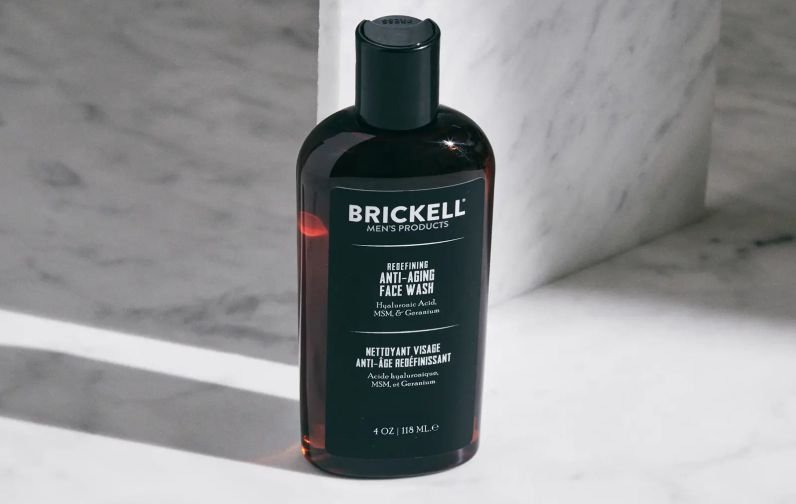
It contains hyaluronic acid, aloe vera, and vitamin-rich ingredients that help maintain moisture while cleansing effectively.
The brand is known for using natural and organic ingredients in many formulations.
This cleanser suits men seeking hydration and smoother-looking skin without harsh chemicals.
Check Amazon to compare prices and add it to your daily grooming routine.
Kiehl’s Ultra Facial Cleanser / Age Defender Line
Kiehl’s Ultra Facial Cleanser and Age Defender products are designed to cleanse mature skin without disrupting its natural moisture barrier.
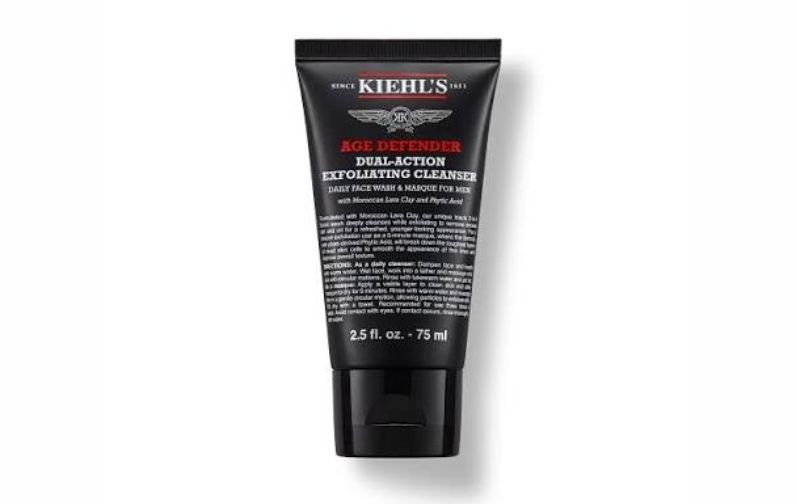
Ingredients such as squalane and glycerin help support hydration and comfort after washing.
The formula works well for men who shave regularly and want a simple skincare routine. Its reputation for quality skincare makes it a trusted choice.
Check it out in the marketplace.
CeraVe Foaming or Hydrating Facial Cleanser
CeraVe Facial Cleansers feature essential ceramides and hyaluronic acid that help restore and maintain the skin’s protective barrier.
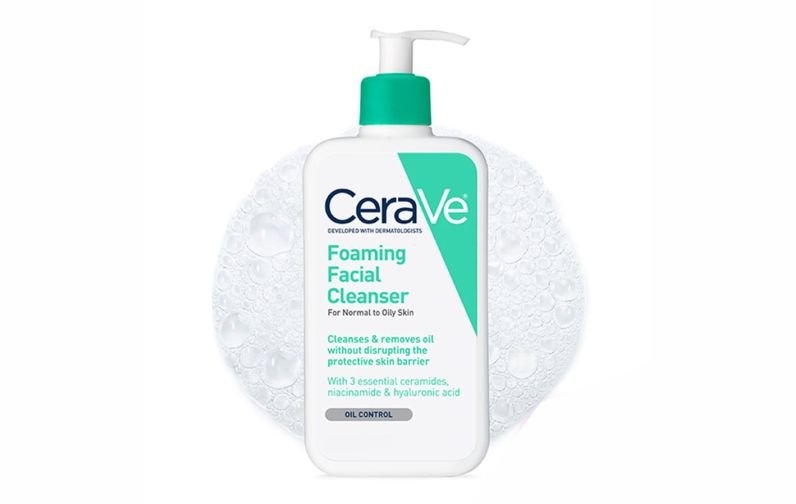
Developed with dermatologists, these cleansers are fragrance-free and suitable for sensitive or aging skin.
Older men dealing with dryness, irritation, or rough texture may benefit from the gentle formulation.
The straightforward approach makes daily use easy.
Browse Amazon for CeraVe cleansers and choose the formula that matches your skin type.
CHAMUEL MEN Anti-Aging Cleanser
CHAMUEL MEN Anti-Aging Cleanser uses glycolic acid to gently exfoliate and improve the appearance of aging skin.
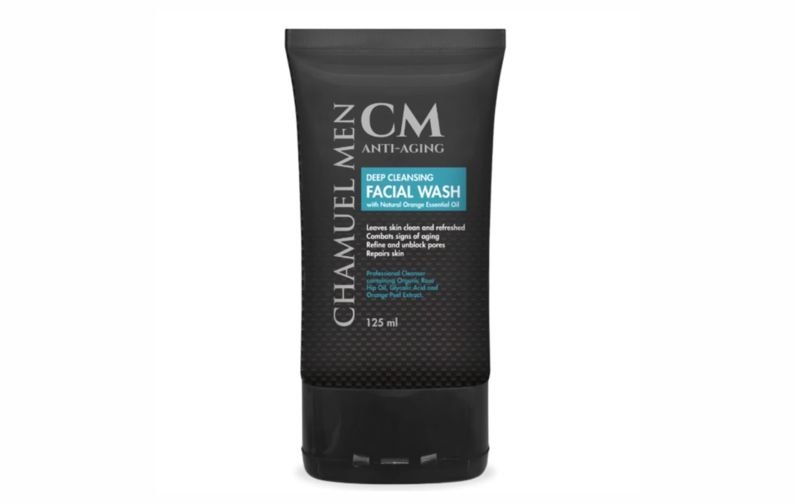
The formula is designed specifically for men, helping reduce surface buildup while promoting a cleaner, smoother complexion.
Regular use may support better skin texture and clarity. Men seeking a more targeted anti-aging cleanser may appreciate its focused formulation.
Check Amazon reviews, compare options, and purchase the cleanser that best fits your skincare goals.
Best Anti-Aging Face Moisturizers for Men Over 50
Moisturizer is the foundation of an anti-aging skincare routine for older men, helping maintain hydration, comfort, and healthier-looking skin.
Brickell Men’s Revitalizing Anti-Aging Cream
Brickell Men’s Revitalizing Anti-Aging Cream is formulated specifically for men with ingredients such as hyaluronic acid, jojoba oil, green tea, and vitamin E.
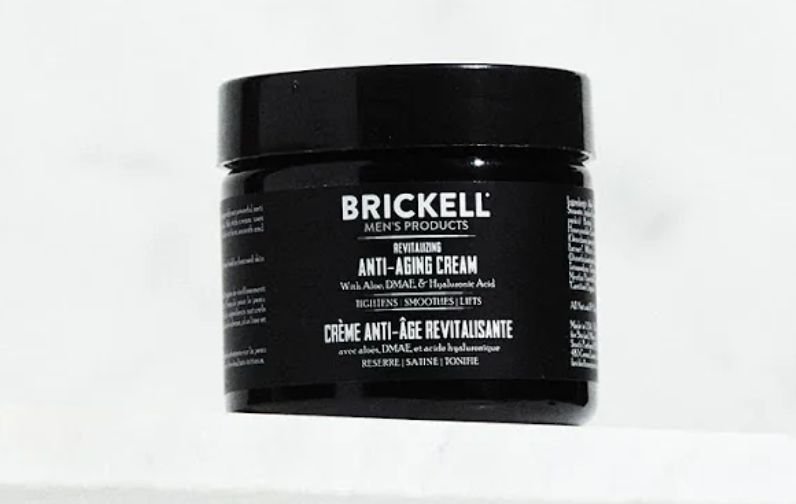
These ingredients help hydrate aging skin, support elasticity, and reduce the appearance of fine lines.
The lightweight formula absorbs quickly without leaving a greasy feel.
Many men appreciate the brand’s focus on natural and organic ingredients.
Check Amazon to compare offers and add this moisturizer to your daily routine.
Kiehl’s Age Defender Cream Moisturizer
Kiehl’s Age Defender Cream Moisturizer is designed for men experiencing visible signs of aging, including loss of firmness and wrinkles.
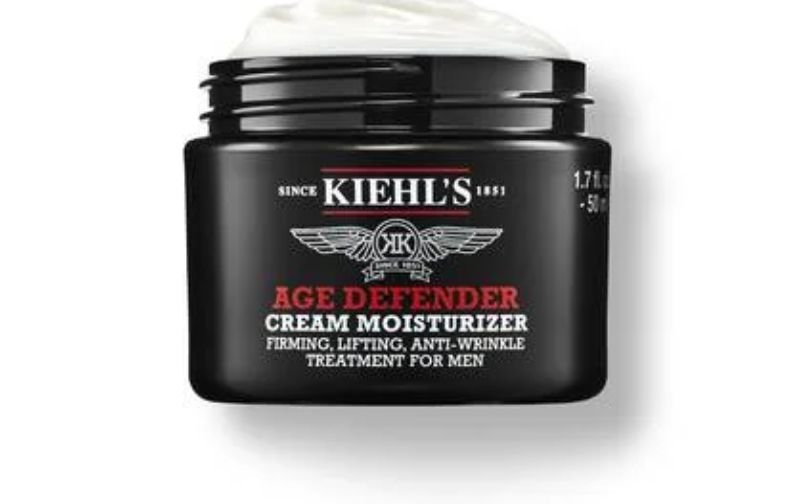
The formula contains ingredients that help improve skin texture while providing lasting hydration.
It works well after shaving and fits easily into a simple grooming routine.
The moisturizer is backed by Kiehl’s long-standing skincare expertise.
Visit Amazon to read customer reviews and choose the right Age Defender product for your skincare needs.
Neutrogena Hydro Boost Water Gel
Neutrogena Hydro Boost Water Gel is a lightweight moisturizer powered by hyaluronic acid, an ingredient known for attracting and retaining moisture.
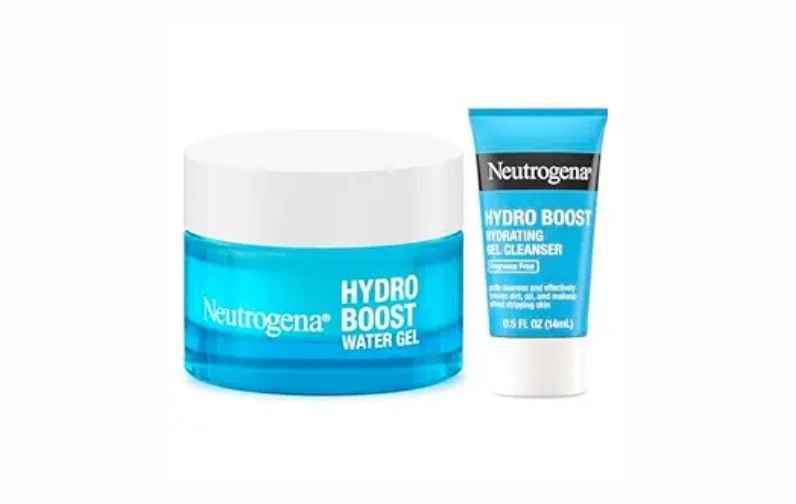
It is especially useful for older men who want hydration without the heavy feel of traditional creams.
The gel texture absorbs quickly and leaves skin feeling refreshed throughout the day.
It offers an easy entry point into anti-aging skincare.
Check it out in the marketplace and see why many men make it part of their daily regimen.
CeraVe PM Facial Moisturizing Lotion
CeraVe PM Facial Moisturizing Lotion combines ceramides, niacinamide, and hyaluronic acid to help restore the skin barrier and improve moisture retention.
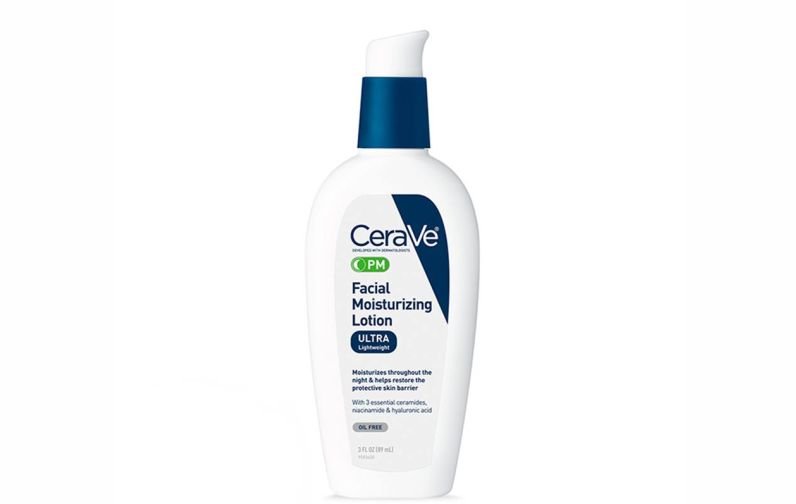
Developed with dermatologists, it is fragrance-free and suitable for sensitive or mature skin.
Older men dealing with dryness, irritation, or uneven texture may benefit from its gentle formula.
The lightweight lotion works effectively both day and night.
Visit Amazon now to compare sizes and select the best option for your skincare goals.
La Roche-Posay Toleriane Double Repair Moisturizer
La Roche-Posay Toleriane Double Repair Moisturizer is designed for sensitive skin and contains ceramides, niacinamide, and prebiotic thermal water.
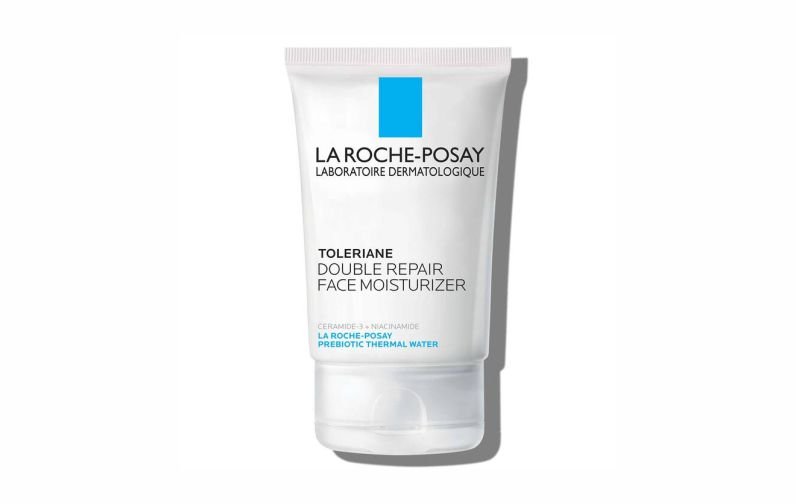
These ingredients help support the skin barrier while delivering soothing hydration to aging skin.
It is particularly suitable for older men who experience dryness, redness, or irritation.
The non-greasy formula provides comfort without clogging pores.
Check Amazon for current deals and add this dermatologist-recommended moisturizer to your daily skincare routine.
Product Comparison Table: Best Anti-Aging Moisturizers for Men Over 50
| Product Name | Best Skin Type | Pros | Cons |
|---|---|---|---|
| Brickell Men’s Revitalizing Anti-Aging Cream | Normal, Dry, Mature | Formulated for men, absorbs quickly, supports hydration, natural ingredient focus | Higher cost than many drugstore options |
| Kiehl’s Age Defender Cream Moisturizer | Normal, Combination, Aging | Helps address firmness concerns, long-lasting moisture, designed for mature men’s skin | Premium product with a higher price point |
| Neutrogena Hydro Boost Water Gel | Normal, Oily, Combination | Non-greasy, easy to apply, suitable for beginners, refreshing hydration | May not provide enough moisture for very dry skin |
| CeraVe PM Facial Moisturizing Lotion | Dry, Sensitive, Mature | Supports skin barrier, gentle on sensitive skin, dermatologist-developed | Some users may prefer a richer texture |
| La Roche-Posay Toleriane Double Repair Moisturizer | Sensitive, Dry, Aging | Soothes sensitive skin, strengthens moisture barrier, comfortable daily wear | Smaller packaging than some competing products |
Tips, Common Mistakes & Lifestyle Boosters
Healthy aging skin is not only about products but also consistent daily habits, smart grooming routines, and avoiding preventable skincare mistakes.
High Impact Habits
- Daily SPF use: Daily sunscreen protects skin from UV damage, prevents wrinkles, dark spots, and maintains youthful texture, making it essential anti-aging habit.
- Gentle shaving routine using cleanser as prep: Using a gentle cleanser before shaving softens facial hair, reduces irritation, prevents cuts, and prepares skin for smoother shaving results.
- Proper hydration and sleep: Proper hydration keeps skin plump and elastic while quality sleep supports repair processes, reducing dullness, fine lines, and fatigue appearance.
Common mistake
- Over-exfoliating the skin: Over-exfoliating strips natural oils, weakens skin barrier, increases sensitivity, and accelerates irritation, leaving mature skin dry, tight, and inflamed often.
- Skipping moisturizer after cleansing: Skipping moisturizer after cleansing leaves skin exposed, increases dryness, disrupts barrier function, and speeds visible aging in mature men skin.
- Using hot water on the face: Hot water strips natural oils, causes redness, weakens protective barrier, and leaves mature skin dry, irritated, and more sensitive quickly.
- Trying too many products at once: Using too many skincare products at once overwhelms skin, causes reactions, prevents consistency, and reduces effectiveness of anti-aging routine overall.
Caring for the Eye Area and Neck
The skin around your eyes and neck is thinner and has fewer oil glands than the rest of your face, so it shows aging faster.
Puffiness, shadows, and fine lines become more noticeable here well before the rest of your face shows similar changes.
A lightweight eye cream applied with the ring finger, using gentle tapping rather than rubbing, protects this delicate skin while still delivering hydration.
Extend your regular moisturizer down to your neck each morning and night, since this area loses elasticity early and often gets skipped entirely.
Lifestyle Habits That Affect Your Skin
Skincare products only work as well as the habits underneath them.
A 2026 peer-reviewed review of lifestyle factors and skin aging found that plant-heavy, antioxidant-rich diets were linked to fewer wrinkles and better hydration, while high-sugar diets accelerated visible skin aging in preclinical models.
The same body of research links poor sleep to a weaker skin barrier and increased water loss, which shows up as dullness and puffiness the next day. Practical habits that support these findings include:
- Drinking water consistently throughout the day rather than in one large amount
- Choosing balanced meals with fruits, vegetables, lean proteins, and healthy fats over processed and fried food
- Aiming for seven to nine hours of sleep on a consistent schedule, including weekends
Common Mistakes to Watch For
Even a well-built routine can fail if a few habits work against it.
Common mistakes include using harsh cleansers that strip natural oils, skipping sunscreen, over-exfoliating, and layering too many products at once without giving your skin time to adjust.
Our full guide to skincare mistakes 50-plus men should avoid breaks down all eight in detail, each checked against real dermatology guidance.
Conclusion
Skincare for older men comes down to understanding what has changed, then building a simple routine around it rather than chasing complexity.
Cleanse gently, moisturize daily, protect against the sun without exception, and support your skin with real sleep and a decent diet.
Once these basics are solid, our linked guides above can help you choose specific products, treat fine lines directly, and match your routine to your actual skin type.
Skin care works alongside the rest of your grooming, including our guide to anti-aging hair products for men over 60 and our fashion tips for older men, since a sharp appearance rarely comes from one habit alone.
Start with the one habit from this page you are currently skipping, and build from there.
Frequently Asked Questions
What is the most important skincare step for men over 50?
Daily sunscreen use ranks highest, since UV exposure accelerates collagen breakdown faster than almost any other factor within your control.
Do older men need a different moisturizer than younger men?
Often, yes. Richer formulas with ceramides or hyaluronic acid help replace the barrier support and moisture that mature skin naturally produces less of.
How does sleep actually affect skin as men get older?
Poor sleep weakens the skin’s barrier and increases water loss, according to dermatology research, which shows up as dullness, puffiness, and more visible fine lines.
Can diet really improve how skin looks after 50?
Yes, to a meaningful degree. Research links antioxidant-rich, plant-heavy diets to fewer wrinkles and better hydration compared to high-sugar, processed diets.
Disclaimer: This article is for informational purposes only and does not constitute medical, fitness, or professional advice. The author is not a certified personal trainer, licensed therapist, nutritionist, or medical doctor. Where content is based on personal experience or observation, this is stated clearly in the article. Always consult a qualified professional before making significant changes to your health, fitness, or wellness routine.

Pyo Merez is a 45-yeard old husband, father, and a chemical engineer by profession and the founder of Gentsways, a men’s lifestyle site built in honour of his father, Dee Clement. He has been writing about men’s development, style, and character through his father’s lens since 2021, drawing on lived experience, his father’s example, and research from reputable publications. He is not a certified trainer or therapist; where fitness or health topics require it, articles are reviewed by qualified contributors.