
Last updated on November 21st, 2026 at 01:34 pm
Gray facial hair can make a man look wiser, warmer and more settled, or simply tired, depending entirely on how it is kept. Past fifty, the difference usually comes down to length, sharp edges and a routine that respects older skin.
My father went the other way in his later years and removed every hair to keep his face smooth.
That choice reminds me that a clean shave is a respectable option at any age, not a failure to grow something.
This post covers nine beard looks that flatter mature faces, plus the case for skipping the beard entirely.
It also explains how gray hair changes, how to keep it from turning yellow or wiry, and how to protect thinner skin.
The guidance draws on dermatology sources and barbers’ advice, since I am not a dermatologist myself.
Table of Contents
How Facial Hair Changes After Fifty
Hair turns gray when the pigment cells in each follicle slow down and finally stop producing color.
The timing varies widely, and EBSCO’s research summary notes that graying typically starts in the mid-thirties for white men and the mid-forties for Black men.
A large L’Oréal-backed survey reported by Cosmetics Design Europe found that 74 percent of people aged 45 to 65 had some gray hair.

Gray strands also feel different, because they tend to be coarser, drier and more inclined to stick out at odd angles.
The skin beneath changes too, and AARP explains that oil glands slow with age, leaving skin drier and slower to heal.
Why Shorter, Neater Beards Tend to Work Best
A long, untrimmed gray beard can add years, while a short, tidy one usually adds authority instead.
Clean cheek lines and a defined neckline lift the lower face, which helps when the jawline loosens with age.
Shorter beards also need less product, trap less food and are easier on sensitive, drying skin.
They also suit grandparent life, since small children grab long beards and short ones stay tidy through hugs and meals.
9 Beard Styles for Older Men
1. Silver Stubble

Three to five days of gray growth, cut level with a guarded trimmer, gives a relaxed, distinguished look.
It flatters men whose growth has thinned, since short hair hides sparse areas better than length.
2. Short Boxed Gray Beard

A beard of roughly six to twelve millimeters, with clean cheek and neck lines, is the safest all-round choice.
It looks polished at work, at social events or at a family dinner, and it takes little daily effort.
3. Executive Beard
Slightly longer than the boxed version, this beard is trimmed into a rounded, even outline about an inch long.
It suits men who still work in client-facing roles, because it signals experience without looking casual.
4. Mixed-Gray Full Beard

A fuller beard, still kept under two inches, lets dark and gray hairs mix into a rich, textured color.
Trim it every week or two, and keep the mustache off the lip so it never looks unkempt.
5. Trimmed Silver Goatee

A chin beard paired with a mustache keeps the cheeks clear while adding definition to a looser jaw.
The full family of chin styles lives in goatee looks of every kind.
6. Circle Beard
A ring of mustache and chin hair suits older men whose cheek growth has thinned with age.
It frames the mouth neatly, and the connected ring style covers trimming in detail.
7. Refined Van Dyke

A pointed chin under a floating mustache gives a mature face an artistic, deliberate edge.
Keep the point modest at this age, and see a refined pointed chin for trimming steps.
8. Mustache With Clean Cheeks
Some older men keep only a well-groomed mustache, which reads as classic and suits many face types.
The chevron and English styles work particularly well, and classic upper lip looks explains each one.
9. The Clean Shave

A smooth face is a perfectly dignified choice, and it can make a man look fresher and more alert.
It suits men whose gray growth has become patchy, uneven or uncomfortable to maintain.
The right tools matter more with age, so read shaving tools for older skin before choosing.
Matching Your Beard to Your Hair on Top
A beard should agree with the hair above it, so a short gray cut suits a short gray beard.
Men with thinning hair on top usually look balanced with a short beard, since it shifts attention downward.
For haircut ideas that pair well, see haircuts that suit later decades, and for scalp hair color, keeping silver hair bright.

Caring for a Gray Beard
Keep It Bright, Not Yellow
Gray and white hair can pick up a yellow tinge from smoke, sun, hard water and some food or drink.
A purple-toned beard shampoo once a week can counter yellowing, while a gentle cleanser handles regular washing.
Tame the Wiry Strands
Gray hairs grow coarser and tend to stick out, so a light balm helps keep the outline smooth.
Trim stray hairs with small scissors rather than a trimmer, which can leave visible gaps in thin areas.
Moisturize Hair and Skin Together
Use two or three drops of oil after washing, working it through the hair and onto the skin beneath.
For help choosing between oil, balm and conditioner, see picking the right leave-in.
Protecting Thinner, Drier Skin
Guidance from the American Academy of Dermatology recommends shaving in the direction of growth and changing blades after five to seven shaves to limit irritation.
Wash with lukewarm water and a mild, fragrance-free cleanser, since hot water and harsh soap dry aging skin quickly.
The same AAD guidance notes that men over fifty face a higher melanoma risk, so wear sunscreen on cheeks and neck.
Check the skin under your beard regularly, and see a doctor about any spot that changes, bleeds or will not heal.
When Gray Growth Turns Patchy
Some men find that gray hair grows thinner or stops altogether in certain areas after sixty.
Shorter styles hide this well, because even coverage matters less when the hair is close to the skin.
A circle beard or goatee also works, since both leave the thinnest cheek areas shaved.
For more ways to work around gaps, read disguising thin facial hair.
Grooming Tools Worth Owning After Fifty
- A guarded trimmer with several length settings for even, controlled maintenance.
- Small, sharp scissors for stray gray hairs and the mustache line.
- A broad comb or soft boar-bristle brush to spread oil and train coarse hair.
- A magnifying mirror, since close detail becomes harder to see with age.
- An ear and nose trimmer, because those hairs tend to grow faster later in life.
For trimmer suggestions, see ear and nose grooming gadgets, and fit your beard into a simple routine after fifty.
Common Mistakes Older Men Make With Beards
- Letting the beard grow without trimming, which signals neglect instead of wisdom.
- Dyeing gray hair an unnaturally dark shade that clashes with the skin and eyebrows.
- Ignoring the neckline, so the jaw looks heavier and less defined from the side.
- Skipping moisturizer, then dealing with flakes and itching under the hair.
- Keeping a style from decades ago that no longer suits a changed face.
Wearing Your Years Well
Beard styles for older men work best when they are short, tidy and suited to the way gray hair grows.
Silver stubble, a boxed beard or a trimmed goatee will flatter most mature faces with little effort.
A clean shave remains a fine choice too, just as it was for my father in his later years.
Whatever you choose, protect the skin under it and keep the edges clean.
Pick one look this week, book a trim with a good barber, and visit Gentsways for more ways to age with confidence.
Watch Best Beard Styles for Older Men (3 mins 06 sec)
Frequently Asked Questions
Do beards make older men look older?
A neat, short beard usually makes an older man look more distinguished rather than older. Long, untrimmed gray beards are what tend to add years to a face.
Should I dye my gray beard?
That is a personal choice, but natural gray usually looks better than very dark dye. If you color it, pick a tone a little lighter than your natural hair once was.
How do I stop my white beard from turning yellow?
Wash it regularly, use a purple-toned shampoo weekly, limit smoking and sun exposure, and rinse thoroughly after meals. These simple habits keep white and silver hair looking bright and clean.
Is it better for older men to be clean-shaven?
Neither choice suits every man, so judge by your growth and comfort. A clean shave suits patchy or thinning growth, while a short, neat beard suits men with even coverage.
Disclaimer: This article is for informational purposes only and does not constitute medical, fitness, or professional advice. The author is not a certified personal trainer, licensed therapist, nutritionist, or medical doctor. Where content is based on personal experience or observation, this is stated clearly in the article. Always consult a qualified professional before making significant changes to your health, fitness, or wellness routine.
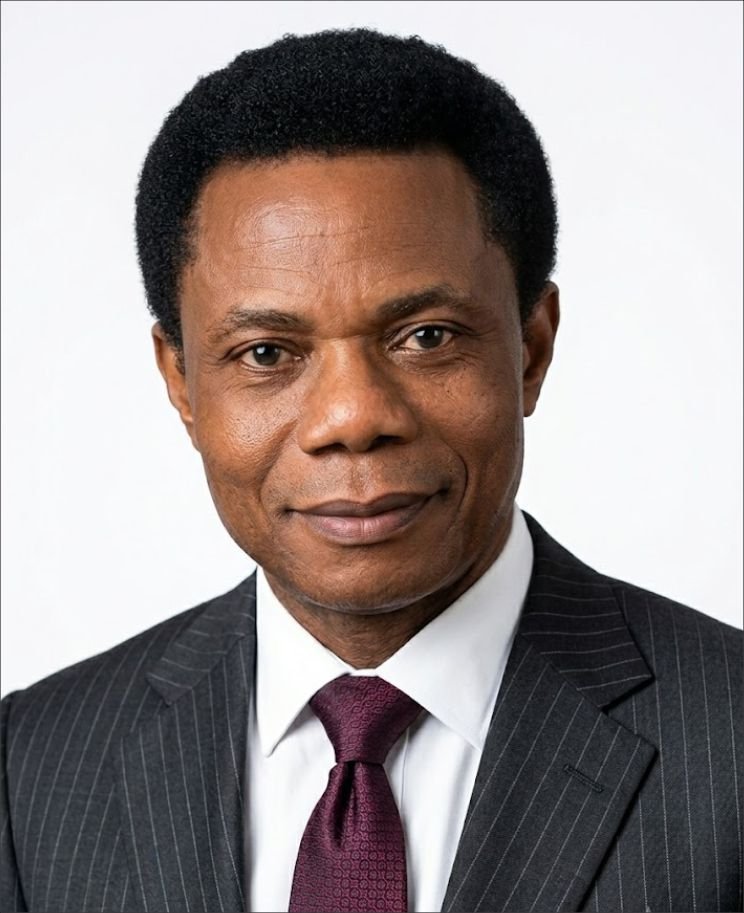
Pyo Merez is a 45-yeard old husband, father, and a chemical engineer by profession and the founder of Gentsways, a men’s lifestyle site built in honour of his father, Dee Clement. He has been writing about men’s development, style, and character through his father’s lens since 2021, drawing on lived experience, his father’s example, and research from reputable publications. He is not a certified trainer or therapist; where fitness or health topics require it, articles are reviewed by qualified contributors.