Last updated on November 21st, 2026 at 08:20 am
A well-chosen beard can make a soft jaw look stronger and a young face look older and wiser. Choosing the right one depends on your growth, your face, your job and how much daily care you will give it.
Facial hair is not part of my own look, but I grew up watching my father groom his with a manual safety razor.
That early picture taught me that any facial hair, large or small, looks good only when it is kept with care.
This page draws on barbers’ advice, published research and years of watching men wear beards well and badly.
It covers cheek-and-jaw styles, from short stubble to long, sculpted beards, with trimming notes for each one.
Chin-only looks such as the goatee have their own posts, so they appear here only as quick links.
Table of Contents
What Is a Beard Style?
A beard style is a deliberate pattern of facial hair defined by length, outline and which areas you keep or shave.
Identical growth can look completely different on two faces, depending on how they edge the cheeks, neckline and mustache.
The styles below run roughly from shortest to longest, so you can pick by commitment as well as by look.
Which Beard Lengths Look Most Attractive?
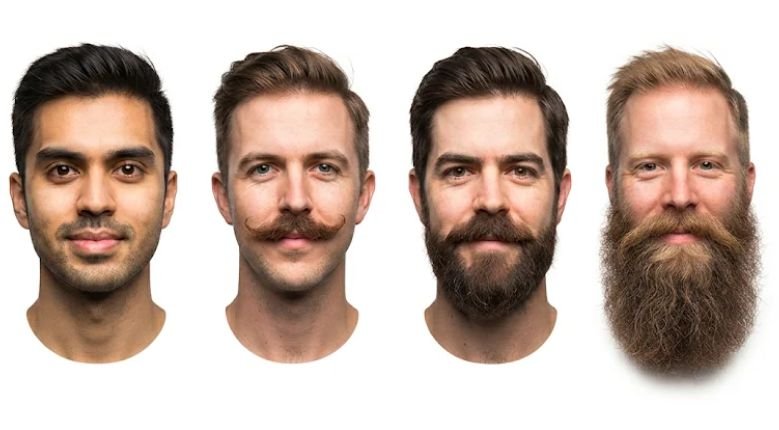
Researchers at the University of New South Wales photographed men clean-shaven, with light stubble, heavy stubble and full beards.
Medical Xpress reported that women rated heavy stubble, about ten days of growth, as most attractive in that study.
Masculinity ratings rose as facial hair increased, and Psychology Today notes that fuller beards are linked with perceptions of maturity and good fathering.
Preferences vary by culture and person, so choose the style that suits you rather than chasing a single study.
Stubble Styles
1. Light Stubble
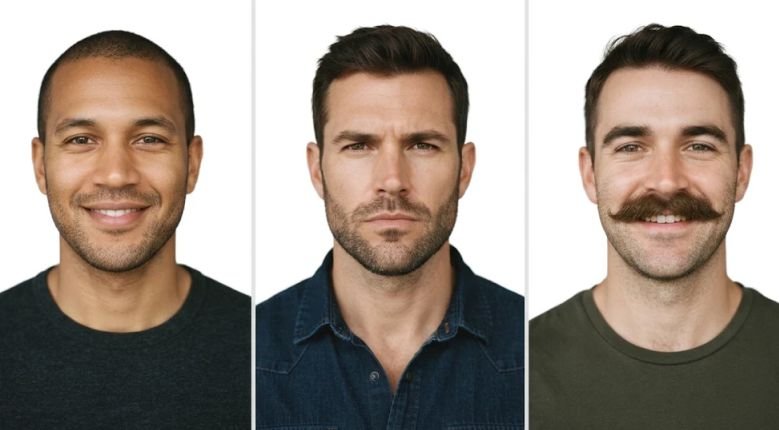
Light stubble is two to five days of growth, trimmed evenly with a guard of one to two millimeters.
It suits men with patchy growth, because short hair hides gaps that longer beards would reveal.
2. Heavy Stubble
Heavy stubble sits around three to five millimeters, roughly the ten-day look rated most attractive in the research above.
Keep the neckline clean about a finger’s width above the Adam’s apple, or it slides from rugged to careless.
3. Beardstache
The beardstache pairs a thick mustache with short stubble across the cheeks and jaw.
It flatters men with fast mustache growth but thin cheeks, and it balances long faces.
Short Beard Styles
4. Short Boxed Beard
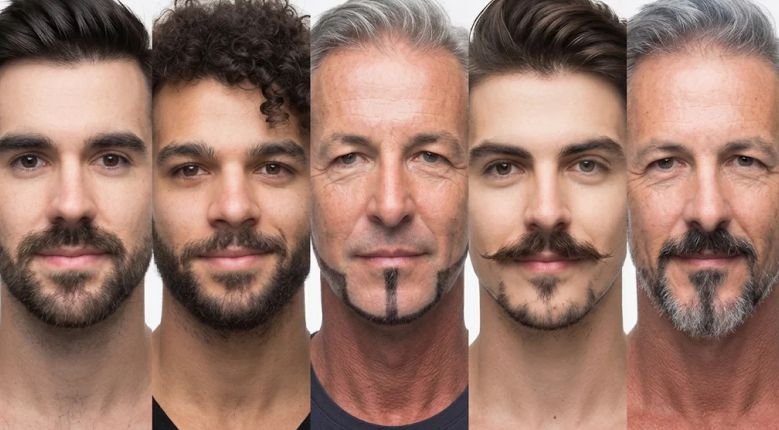
The short boxed beard keeps hair at about half an inch, with sharp cheek lines and a tidy neckline.
It is the safest choice for office jobs, because it looks deliberate without demanding much daily styling.
5. Corporate Beard
The corporate beard is slightly fuller than the boxed beard, usually one to two inches, with a neat, rounded outline.
It reads as professional, mature and calm, which is why many executives and lawyers now wear it.
6. Chin Strap
A chin strap is a thin line of beard that runs along the jawline from ear to ear, with the cheeks shaved.
It needs a strong jaw and precise edging every two days, because a wobbly line ruins the effect quickly.
7. Disconnected Beard
A disconnected beard leaves a clean gap between the mustache and the cheek or chin hair.
It ranks among the most searched beard styles, and it is ideal when the mustache never meets the cheek hair.
The chin-only version, the disconnected goatee, belongs to the goatee family linked further down this page.
Keep both parts at similar lengths, so the gap looks intentional rather than accidental.
8. Faded Beard
A faded beard blends from very short hair at the sideburns into a fuller beard at the jaw and chin.
Barbers blend the fade into your haircut, so the hairline flows into the beard without a hard break.
Medium and Full Beard Styles
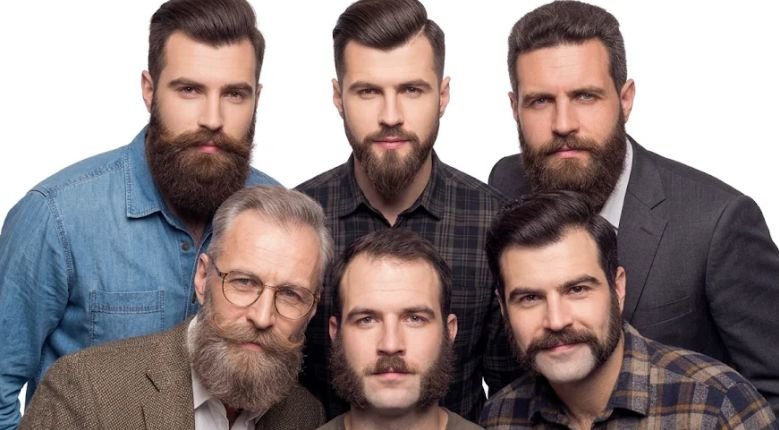
9. Full Beard
A full beard covers the cheeks, jaw, chin and upper lip, usually two to four inches long.
It needs at least two to three months of growth, regular trimming and daily brushing to stay neat.
10. Ducktail
The ducktail keeps the cheeks shorter and tapers the chin hair into a point, like the tail of a duck.
It lengthens round faces nicely and looks sharp with a side part or a short, structured haircut.
11. Spade
The spade beard is full on the cheeks and squared off at the bottom, like the spade symbol on playing cards.
It suits oval and round faces, and it pairs well with formal suits and classic haircuts.
12. Verdi
Named after the Italian composer, the Verdi is a rounded, full beard no longer than about four inches, worn with a distinct, styled mustache.
The mustache must stay separate and groomed, which makes the Verdi feel artistic and refined.
13. Mutton Chops
Mutton chops are thick sideburns that extend down the cheeks to the jaw, with the chin shaved clean.
They make a bold, vintage statement and suit long faces by adding visual width.
14. Friendly Mutton Chops
Friendly mutton chops connect the sideburns through a mustache while keeping the chin shaved.
The look is distinctive and suits confident men with dense cheek growth.
Long Beard Styles
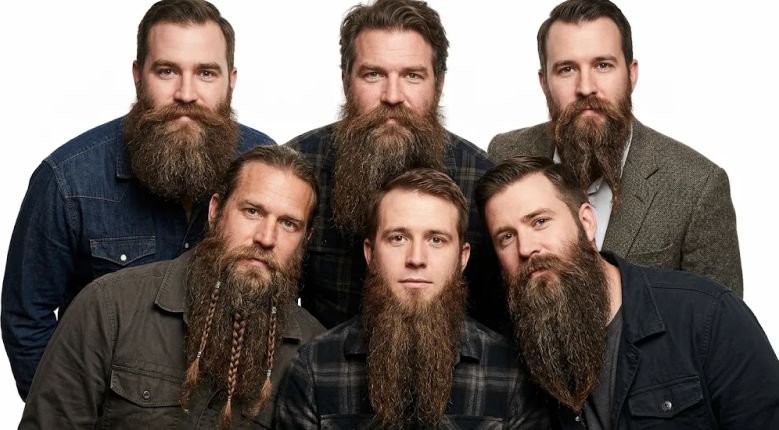
15. Garibaldi
The Garibaldi is a wide, full beard with a rounded bottom, about eight inches long and allowed to look slightly natural.
Only the mustache needs regular trimming, which makes it surprisingly easy for a long style.
16. Bandholz
The Bandholz is a very long, full beard grown without trimming for many months, then tidied lightly.
It demands patience and dense growth, and it rewards both with a powerful, rugged look.
17. French Fork
The French fork splits the long chin hair into two neat prongs, giving a distinctive forked bottom.
It suits creative workplaces better than conservative offices, and it needs balm to hold the split.
18. Long Viking-Style Beard
This long beard may include braids or rings, and it draws on the warrior styles seen in films and historical dramas.
Keep the cheeks lined and the hair conditioned, so the beard looks bold rather than neglected.
19. Shenandoah
The Shenandoah, or chin curtain, runs from ear to ear along the jaw and chin with no mustache.
It has historical roots and suits men who struggle to grow a mustache but have strong jaw growth.
20. Ducktail-to-Full Hybrid
Some men grow a full beard on top and taper only the last inch into a soft ducktail point.
It is a practical compromise that keeps length while adding structure to a heavy, wide beard.
Chin-Only Styles Covered Elsewhere
Goatees and their relatives keep hair to the chin and mouth area, and each has a dedicated post on Gentsways.
Read about the chin beard family, a pointed, painterly chin style, the full circle style and the tuft under the lip.
Mustache-only looks, from the pencil to the handlebar, are described separately in classic mustache styles and upkeep.
Matching a Beard to Your Face
Round faces look slimmer with longer chins and shorter cheeks, while long faces need fuller cheeks and shorter chins.
Square jaws suit almost anything, and the full breakdown by face type sits in the complete facial hair overview.
Beard Styles for Different Hair Types and Ages
Coily and curly beards behave differently and need their own trimming approach, covered in beard ideas for textured hair.
Gray and silver beards suit cleaner, shorter outlines in many cases, and beard looks for mature men shows the options.
Growing Enough Beard for Your Chosen Style
Fuller styles need dense growth, and building a thicker, denser beard explains what helps and what does not.
Men with gaps can still look sharp, and working with uneven growth shows which styles hide them best.
Keeping Any Beard Clean and Soft
The American Academy of Dermatology advises washing your beard regularly and moisturizing the skin underneath to prevent itch and flakes.
Choose a leave-in product after comparing oil, balm and conditioner, then trim with proper trimmers and scissors.
Clean edges also depend on shaving well, so avoid shaving errors that cause irritation along your outline.
Common Beard Style Mistakes
- Choosing a style your growth cannot support, then wondering why it looks thin.
- Setting the neckline too high, which makes the jaw look weak from the side.
- Letting the mustache grow over the lip, where it collects food and looks untidy.
- Trimming only the front of the beard and forgetting the sides, jaw and neck.
- Copying a celebrity beard without considering your own face and hair texture.
Choosing Your Beard With Confidence
Beard styles for men range from light stubble to the long Bandholz, and each suits different faces, jobs and growth patterns.
Research suggests heavy stubble and fuller beards both signal maturity and attractiveness in different ways.
Start with a style your growth supports, then trim edges, necklines and mustaches regularly.
My father’s careful grooming taught me that neatness matters more than length.
Choose one of these twenty looks, grow it for a month, and come back to Gentsways whenever it needs sharpening again.
Frequently Asked Questions
Which beard style suits most men?
The short boxed beard suits most faces, hair types and workplaces well. It looks neat, hides minor patchiness and needs only weekly trimming plus a tidy neckline every few days.
How many months does a full beard need?
Most men need two to four months to grow a full beard. Growth speed varies with genetics, age and hormones, so patience matters more than products.
What is a disconnected beard?
A disconnected beard leaves a gap between the mustache and the rest of the beard. It can be a deliberate style or a natural growth pattern kept neatly.
Where should a beard neckline sit?
Set the neckline about one to two fingers above your Adam’s apple. Trim everything below that line, curving it back toward the ears for a natural finish.
Are long beards professional?
Long beards can look professional when they are clean, trimmed and conditioned. Conservative workplaces still prefer shorter styles, so check expectations in your industry first.
Disclaimer: This article is for informational purposes only and does not constitute medical, fitness, or professional advice. The author is not a certified personal trainer, licensed therapist, nutritionist, or medical doctor. Where content is based on personal experience or observation, this is stated clearly in the article. Always consult a qualified professional before making significant changes to your health, fitness, or wellness routine.
Pyo Merez is a 45-yeard old husband, father, and a chemical engineer by profession and the founder of Gentsways, a men’s lifestyle site built in honour of his father, Dee Clement. He has been writing about men’s development, style, and character through his father’s lens since 2021, drawing on lived experience, his father’s example, and research from reputable publications. He is not a certified trainer or therapist; where fitness or health topics require it, articles are reviewed by qualified contributors.