

Last updated on November 21st, 2026 at 01:46 pm
Most men chasing a thicker beard spend money on oils and supplements before learning what truly controls density. Hormones and genes set the limits, yet habits, patience and a few proven treatments still decide how full your beard becomes.
I keep my own face bare, which is why clinical research and the methods of experienced barbers carry this page.
Every claim drawn from a study carries a link, so the evidence stays open to you.
You will see what drives density, which daily habits support it, and how long a full beard really takes.
Next come the medical options, from minoxidil to transplants, and grooming tricks that make any beard look fuller.
If your concern is specific gaps rather than overall thickness, a separate post covers patchy growth in detail.
Table of Contents
What Makes a Beard Thick or Thin?
A thick beard has many hair follicles per square centimeter, and each hair grows with a wide, strong shaft.
Testosterone and its stronger relative, dihydrotestosterone, switch facial follicles from fine, light hair into coarse beard hair.
Two men with similar hormone levels can still grow very different beards, because follicle sensitivity to those hormones is inherited.
That is why a father’s or grandfather’s beard is a reasonable preview of your own, though not a guarantee.
Ethnic background also matters, since average beard density differs between populations for genetic reasons.
Age and Patience Come First
Facial hair keeps filling in through the late teens and twenties, and some men only reach full density in their thirties.
If you are young and frustrated, read when fuller growth arrives before deciding your beard has peaked.
Many men also shave off a beard during the awkward early weeks, before it ever has a fair chance to fill.
Give any attempt at least eight to twelve weeks without major trimming before judging its true density.
Take a photo in the same light every two weeks, because gradual change is hard to notice in the mirror.
Those photos also stop you from reaching for the clippers on a bad day, when the beard looks worse than it is.
Habits That Support Beard Growth
No habit can override genetics, but poor sleep, stress and a weak diet can hold back the growth you are capable of.
Sleep
Sleep has a measurable effect on the hormones that drive beard growth in adult men.
A University of Chicago study found that one week of five-hour nights cut young men’s testosterone by 10 to 15 percent.
Aim for seven to nine hours, keep a consistent bedtime, and treat rest as part of your grooming routine.
Exercise and Body Weight
Regular strength training and a healthy body weight support normal testosterone levels in most men.
Excess body fat is linked with lower testosterone, so steady activity helps your beard indirectly as well as your health.
Diet
Hair is built from protein, so meals with eggs, fish, beans, poultry or lean meat give follicles the raw material they need.
Iron, zinc and vitamin D deficiencies can affect hair, so ask a doctor for a blood test if you suspect one.
Biotin pills only help men who are truly deficient, which is rare, so they are not a shortcut for most.
Stress
Long periods of high stress raise cortisol and can disrupt sleep, both of which work against healthy hair growth.
Exercise, time outdoors and honest conversation with people you trust all help keep stress in check.
How Long Does a Full Beard Take?
Most men see visible stubble within a week and a short, even beard within a month.
A full beard of two to three inches usually takes three to four months, depending on your growth rate.
Weeks two to six are the hardest, because hairs grow at different speeds and the beard looks uneven before it settles.
Train the hair by brushing it daily in the direction you want it to lie, which helps longer hairs cover thinner spots.
Medical Options for a Thicker Beard
Topical Minoxidil
Minoxidil is a hair-loss treatment that some men use off-label on the beard area, and the evidence is growing.
A 2016 Thai trial summarized in a PMC review tested 3 percent minoxidil twice daily for sixteen weeks against placebo in men aged 20 to 60.
ScienceAlert reports that a newer placebo-controlled trial also found denser, thicker facial hair after eight to twelve weeks of use.
Results usually fade if you stop, side effects include skin irritation, and the treatment is not approved for beards by regulators.
Speak with a dermatologist first, especially if you have heart conditions or take blood pressure medicine.
Microneedling
Some dermatologists combine minoxidil with microneedling, which uses fine needles to create tiny controlled injuries in the skin.
Evidence for beards specifically is still limited, so treat home dermarollers with caution and keep everything sterile.
Beard Transplant
A beard transplant moves hair follicles, usually from the back of the scalp, into thin areas of the face.
Data from the International Society of Hair Restoration Surgery shows beards and mustaches rank second among male transplant sites, at 5 percent.
It is permanent but expensive, and results depend heavily on the surgeon’s skill, so check credentials carefully.
Grooming Tricks That Make Any Beard Look Fuller
- Keep it shorter: a beard of half an inch to an inch looks denser than a long, wispy one.
- Brush every morning: a boar-bristle brush lifts and spreads hair so it covers more skin, and dependable brushes and trimmers make it easy.
- Trim the outline, not the bulk: sharp cheek and neck lines make the whole beard look deliberate and thicker.
- Use a light balm: it adds hold and a little volume, and how balm adds hold shows how much to use.
- Choose the right style: some looks hide thin areas better than others, as the post on twenty beard looks to try explains.
Oils keep the hair soft and the skin calm, and using oil the right way covers how much to apply.
Healthy Skin Beneath the Hair
Healthy follicles need healthy skin, so wash your face and beard with a mild cleanser rather than harsh soap.
Exfoliate gently once or twice a week to clear dead skin and help prevent ingrown hairs.
Dry, flaky skin under a growing beard is common, and conditioner for facial hair helps keep both hair and skin comfortable.
When Gaps Are the Real Problem
Some men grow plenty of hair overall but have specific bare patches on the cheeks or around the mouth.
That problem has its own fixes, which are covered in tips for uneven growth.
Textured hair also behaves differently, and coily beard styles explains how curl makes a beard look denser.
Common Mistakes When Chasing a Thicker Beard
- Giving up during the itchy, uneven second month, just before the beard starts to look full.
- Shaving frequently in the belief it thickens hair, which research does not support.
- Spending heavily on supplements without first checking for an actual nutrient deficiency.
- Trimming the bulk too short, too early, which removes length that would cover thin spots.
- Buying growth products with bold claims and no published evidence behind them.
Styling, shaving and trimming topics all start from the facial hair overview.
Building the Beard You Can Grow
Learning how to grow a thick beard starts with accepting that genetics sets the upper limit.
Sleep, exercise, good food and lower stress help you reach that limit, while patience gives the hair time to fill.
Minoxidil and transplants offer real options for men who want more, ideally with a dermatologist’s guidance.
Smart grooming then makes whatever you grow look fuller and more deliberate.
Treat the process as a three-month project, and judge it by photos rather than daily glances.
Commit to twelve weeks of growth starting this week, and check Gentsways for more grooming advice along the way.
Frequently Asked Questions
Can you make a beard thicker naturally?
You can support growth with good sleep, exercise, protein-rich meals and stress control. These habits help you reach your genetic potential but cannot exceed it.
Does shaving make a beard grow thicker?
Shaving cuts hair at the surface and does not change follicle number or hair width. Regrowth only feels coarser because the cut ends are blunt rather than tapered.
Is minoxidil safe for beard growth?
Trials suggest it can improve facial hair density, but it is used off-label and may irritate skin. Get a dermatologist’s advice before starting, especially if you have any heart condition.
Do beard growth supplements work?
Most only help if you have a real deficiency in a nutrient such as iron or biotin. A blood test is a better first step than buying expensive pills.
Disclaimer: This article is for informational purposes only and does not constitute or professional advice. The author is not a certified personal trainer, licensed therapist, nutritionist, or medical doctor. Where content is based on personal experience or observation, this is stated clearly in the article. Always consult a qualified professional before making significant changes to your health, fitness, or wellness routine.
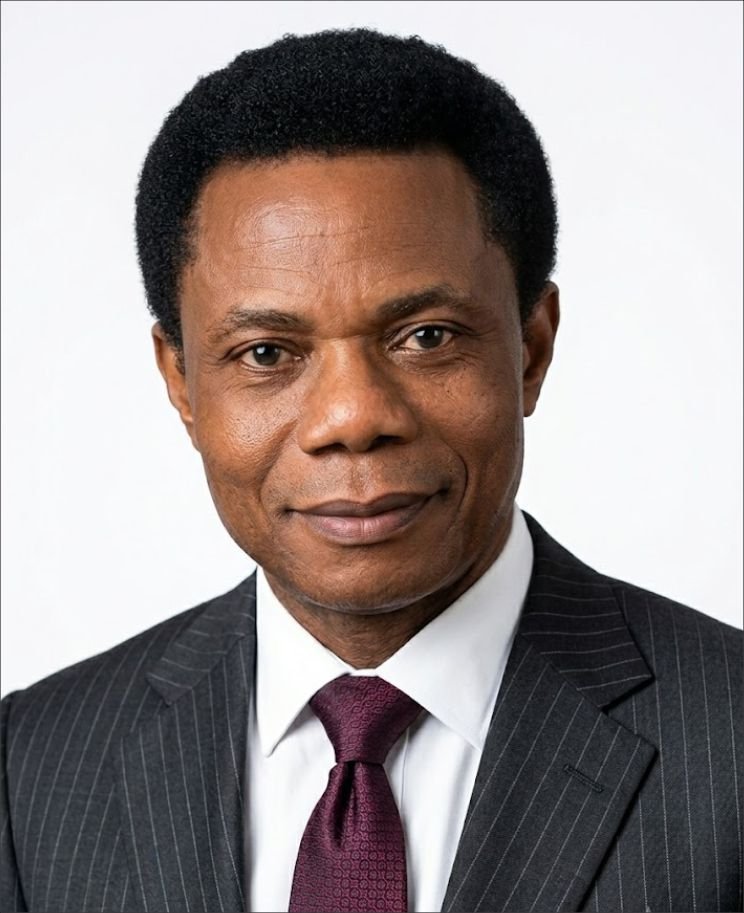
Pyo Merez is a 45-yeard old husband, father, and a chemical engineer by profession and the founder of Gentsways, a men’s lifestyle site built in honour of his father, Dee Clement. He has been writing about men’s development, style, and character through his father’s lens since 2021, drawing on lived experience, his father’s example, and research from reputable publications. He is not a certified trainer or therapist; where fitness or health topics require it, articles are reviewed by qualified contributors.