Last updated on September 6th, 2026 at 09:33 am
A mustache has signaled status, rebellion, and refinement across centuries, yet most men choose one without knowing the difference. This guide covers every classic style, how to grow and groom one, and the mistakes to avoid along the way.
Mustache styles, grooming, and maintenance come down to three questions most men never actually answer: which style suits your face, how do you grow and shape it properly, and how do you keep it looking intentional rather than accidental?
For centuries, the mustache has carried real weight in personal style and social identity, from Egyptian pharaohs to modern icons.
This guide discusses eight classic styles and techniques that keep any mustache sharp, and the common mistakes and myths that trip up most men.
Where a specific combination or growth challenge deserves its own deeper guide, this page links out to it directly.
Table of Contents
What Is a Mustache?
A mustache is the strip of facial hair grown above the upper lip. You can keep it thick, thin, sculpted, or rugged, depending on your style and grooming routine.
It has carried meaning as a marker of masculinity, status, and personality across different cultures and periods, and it can stand on its own or work as part of a full beard.
A Brief History of the Mustache
Facial hair carried real weight in ancient societies. Egyptian pharaohs wore mustaches as a sign of authority, sometimes decorated with gold, while Greek philosophers and Roman leaders treated them as a mark of wisdom and strength.
Attitudes shifted during the medieval period, when many cultures associated facial hair with warriors or outlaws and leaned toward a clean-shaven face instead.
By the 19th century, the mustache had become a fashion staple for gentlemen.
Handlebar, walrus, and imperial styles rose to prominence, usually maintained with wax for a sculpted look, with figures like Salvador Dali making lasting contributions to mustache culture.
The 20th century carried this further, from the rugged, full mustache popularized by Tom Selleck to the pencil-thin styles favored by Hollywood entertainers.
Today, the mustache represents personal style and even social causes like Movember, blending retro styles with modern grooming as a fashion statement in its own right.
Mustache Styles and What They Say About You
Your mustache is a statement, not just facial hair. The right choice depends on your face shape, personality, and how much grooming effort you want to commit to.
Here is a breakdown of eight classic styles worth considering.
Chevron Mustache
A Chevron mustache is thick, curves slightly downward, and covers most of the upper lip.

It suits square or oval faces well and stays easy to maintain with occasional trimming, which makes it a solid choice if you want a structured look without much daily effort.
Popularized by Tom Selleck, the Chevron pairs naturally with a clean-shaven face or light stubble and reads as confident without trying too hard.
Handlebar Mustache
The Handlebar features curled ends that sweep upward, creating a vintage, sophisticated look suited to oval and square face shapes.

Achieving the curl takes regular waxing and styling, but it produces one of the most distinctive mustache silhouettes available.
It pairs well with a neatly trimmed beard or a clean-shaven face, and it rewards men who genuinely enjoy the daily grooming ritual rather than seeing it as a chore.
Walrus Mustache
The Walrus is thick, bushy, and extends past the upper lip, creating a rugged, commanding presence best suited to broader faces.

Theodore Roosevelt made this style famous, reinforcing its association with wisdom and strength.
It takes patience to grow fully and regular grooming to prevent overgrowth, but it remains one of the boldest, most natural-looking mustache choices available.
Horseshoe Mustache
The Horseshoe features thick vertical extensions running down to the jawline, forming an inverted U shape often associated with bikers and wrestlers like Hulk Hogan.

It suits men with strong, angular features and adds an aggressive edge to the overall look.
It grows in relatively easily but needs regular trimming to hold its shape and avoid looking unkempt.
Pencil Mustache
The Pencil mustache is thin, precisely trimmed, and sits just above the upper lip, popularized by Hollywood stars in the early 20th century.

It works best on narrow or elongated faces, adding definition without overwhelming the rest of the face.
Maintaining it takes regular shaving around the edges and precise trimming to keep the line sharp.
Fu Manchu Mustache
The Fu Manchu features long strands extending downward past the chin, with roots in Chinese history and later popularized through film and martial arts culture.
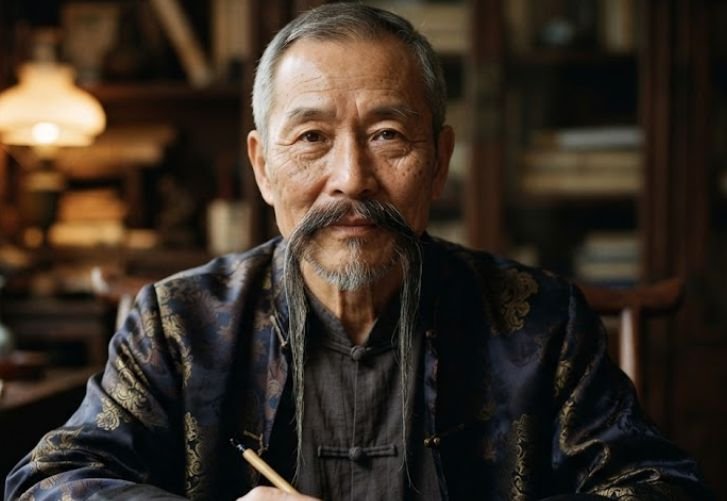
Growing it fully takes real patience, and waxing usually becomes necessary to keep the strands in place once they reach length.
This style suits men who want a distinctive, dramatic look and do not mind the wait.
English Mustache
The English mustache is thin, straight, and slightly curled at the ends, with roots in British aristocracy.

It requires precise grooming and waxing to hold its shape and suits rounder faces by adding definition to the upper lip.
This is not a low-maintenance style, but it delivers a sharp, distinguished look for men willing to put in the daily care.
Imperial Mustache
The Imperial is grand and full, with thick curls extending upward, historically worn by European nobility and military leaders as a symbol of power and status.
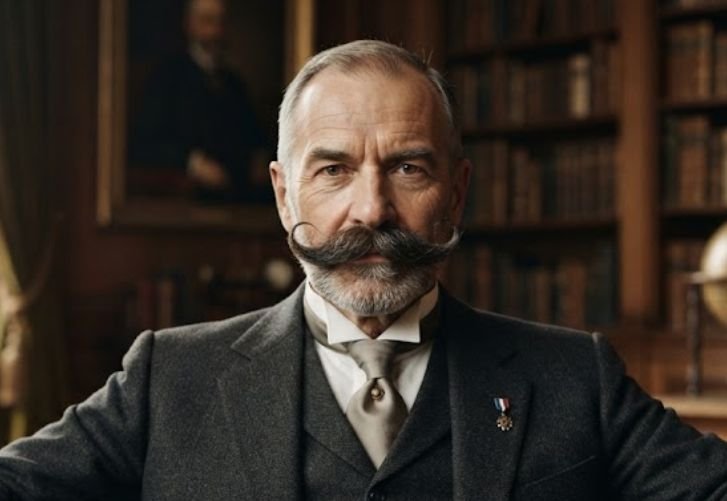
It suits men with strong facial features and needs regular waxing to hold its bold shape.
This is the mustache for making an unforgettable statement rather than blending in.
How to Grow a Mustache
Growing a mustache fully takes patience, and how quickly it fills in depends heavily on genetics rather than effort alone.
Facial hair growth is largely androgen-dependent, meaning testosterone and how sensitive your specific follicles are to it play the biggest role, according to Healthline’s medically reviewed guide to facial hair growth.
Supplements marketed for beard growth cannot override that genetic baseline, and biotin only meaningfully helps hair growth if you already have a biotin deficiency, which is uncommon, according to research summarized by Superpower.
In practice, this means the most useful things you can control are consistency and patience rather than any specific product.
- Let it grow without trimming for the first few weeks, since early patchiness is common and often fills in.
- Support the process with a balanced diet and good sleep, since general health affects hair quality even if it cannot override genetics.
- Keep the surrounding skin clean to prevent irritation that can slow visible progress.
If patchiness persists once your mustache is more established, our guide to beard oils for patchy beards covers products that support healthier-looking growth, and our introduction to beard care and grooming covers the broader picture of managing uneven facial hair.
Mustache Grooming and Maintenance
A sharp mustache comes down to consistent trimming, shaping, and conditioning, using a small set of reliable tools.
- Scissors work best for precise trimming, especially on longer styles like the Fu Manchu or Imperial.
- Trimmers maintain even length efficiently on shorter styles like the Chevron or Pencil.
- Combs and brushes detangle hair and distribute product evenly, and brushing can also help train hair to grow in a consistent direction.
- Oils and balms keep hair soft and hydrated, with balm adding light hold and oil reducing dryness and itchiness.
Trim small amounts at a time rather than cutting aggressively, and clean your mustache daily to remove food and dirt buildup.
If you shave the rest of your face, our collection of gentlemen’s grooming hacks covers how to keep the whole face polished in a few efficient daily steps.
Caring for Different Hair Types
Thick, thin, straight, and curly mustaches each need slightly different handling.
- Thick mustaches benefit from regular trimming to prevent bulk, along with a mustache comb and a stronger-hold wax to manage coarse hair.
- Thin mustaches hold their length better with less frequent trimming, paired with a light-hold product that defines shape without weighing hair down.
- Straight hair looks sleekest with light styling products, while curly hair benefits from a hydrating balm or curl cream to control frizz.
Mustache and Facial Hair Combinations
A mustache can stand alone or pair with other facial hair for a different overall effect.
A thick handlebar with a full beard creates a bold, confident look, while a shorter beard with a trimmed mustache keeps things more balanced and professional.
Our complete guide to a full beard covers growing and shaping the beard side of that combination in depth.
A goatee paired with a styled mustache gives a modern, refined edge, and our dedicated guide to the mustache-goatee combo covers shaping, symmetry, and styling for that specific pairing.
A well-maintained mustache on its own also works well, offering a polished but low-maintenance routine for men who prefer to keep things simple.
Common Mustache Problems and Solutions
- Patchy Growth: Patchy growth frustrates most men at some point, and while no product creates new follicles, a good beard oil can improve texture and make sparse areas less noticeable, covered in more depth in our beard oils for patchy beards guide.
- Itchiness: Itchiness is common early on and usually comes from dry skin or coarse hair, so a light oil or gentle cleanser typically resolves it.
- Dandruff: Dandruff under the mustache responds well to an anti-dandruff shampoo once or twice weekly, followed by conditioner or oil to keep the skin hydrated.
- Cowlicks and Unruly Hairs: Cowlicks and unruly hairs respond best to a good wax and consistent combing, which trains hair to lay in the direction you want over several weeks.
Mustache Myths, Debunked
- “Mustaches take too long to grow.” Facial hair typically grows about half an inch a month, though genetics, age, and hormones all affect the exact pace.
- “Mustaches are unhygienic.” A well-maintained mustache is no dirtier than a clean-shaven face. Regular washing and combing keep it clean, and poor hygiene, not facial hair itself, is the real cause of any buildup.
- “Mustaches only suit certain face shapes.” No face shape rules out a mustache entirely. A handlebar can add character to a narrow face, while a chevron can balance a rounder one.
- “Mustaches must follow trends.” A mustache should reflect your personality rather than whatever style is currently popular. Confidence in the choice matters more than the style itself.
Movember and the Charitable Mustache Movement
Movember began in 2003 when two friends in Melbourne, Australia, decided to bring back the mustache while raising money for a cause, according to the official Movember Foundation history.
What started with 30 participants has grown into a global movement with more than 6 million people involved, funding over 1,300 men’s health projects worldwide.
The movement centers on three specific issues: prostate cancer, testicular cancer, and men’s mental health and suicide prevention.
Joining starts with registering through the official Movember website, growing a mustache for the month, and using it as a conversation starter to raise both awareness and funds.
Mustache Competitions and Communities
Events like the World Beard and Mustache Championships bring together enthusiasts from around the world, judged on symmetry, grooming, and originality across styles from the classic handlebar to creative freestyle designs.
Local competitions offer a more casual entry point, with categories covering different styles and lengths for participants of every level.
Beyond in-person events, online communities and local mustache clubs give enthusiasts a place to exchange grooming advice and trade product recommendations with people who take the craft as seriously as they do.
Conclusion
Mustache styles, grooming, and maintenance ultimately come down to picking a style that fits your face and personality, then committing to the small, consistent habits that keep it sharp.
Whether you choose a low-maintenance Chevron or a demanding Imperial, regular trimming, the right tools, and patience during the growth process make the real difference.
Pick the style from this guide that matches your face shape and the effort you are genuinely willing to put in, then start growing it out with realistic expectations.
Come back to the linked guides above once you are ready to go deeper on a specific combination or grooming challenge.
Frequently Asked Questions
How long does it take to grow a mustache?
Most men see meaningful growth within four to six weeks, though genetics, age, and overall health all affect the exact timeline for any individual.
What is the best mustache style for my face shape?
Square and oval faces suit fuller styles like the Chevron or Walrus, while narrow or elongated faces tend to work best with a Pencil or English mustache.
Can I make my mustache grow faster?
Not meaningfully. Growth rate is primarily genetic, though a healthy diet, good sleep, and clean skin support the healthiest possible version of your natural growth.
What tools do I actually need to maintain a mustache?
A comb, a pair of small scissors or a trimmer, and a wax or balm cover most maintenance needs, regardless of which style you choose.

Pyo Merez is a 45-yeard old husband, father, and a chemical engineer by profession and the founder of Gentsways, a men’s lifestyle site built in honour of his father, Dee Clement. He has been writing about men’s development, style, and character through his father’s lens since 2021, drawing on lived experience, his father’s example, and research from reputable publications. He is not a certified trainer or therapist; where fitness or health topics require it, articles are reviewed by qualified contributors.