
Last updated on October 9th, 2026 at 03:12 pm
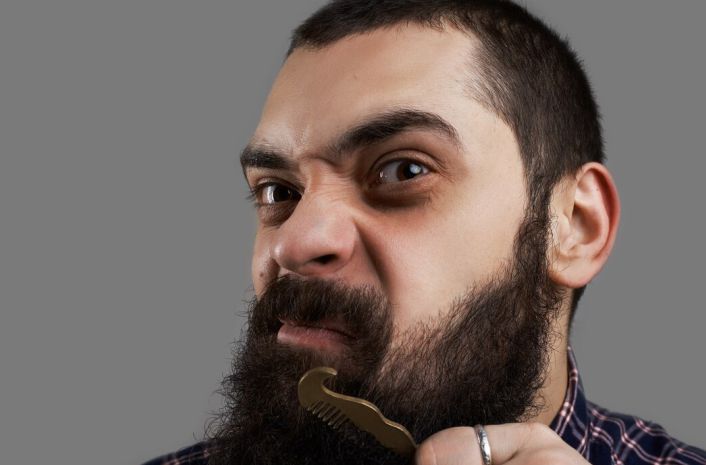
Men’s facial hair can make you look sharper, older, kinder, or simply untidy, and the difference comes down to a few small habits. Learn which style suits your face, how to care for it, and how to fix the usual problems.
Most men grow a beard by accident, usually after a holiday or a busy month, and then wonder why it looks rough.
A good beard is planned, trimmed, washed, and fed with a little oil, much like a good haircut. You will find the main beard, mustache, and goatee styles here, matched to different face types and growth patterns.
There is also plain advice on washing, oils and balms, trimming, shaving, and the itch and flakes that make many men give up too soon.
Table of Contents
What Is Facial Hair?
Facial hair is the coarse hair that grows on a man’s chin, cheeks, jawline, upper lip, and neck after puberty. Before then, most of the face carries only fine, pale vellus hair that barely shows.

During puberty, rising hormones turn many of those fine hairs into thicker, darker terminal hairs. That change is why facial hair arrives in stages, starting at the upper lip and spreading to the chin and cheeks.
What Counts as a Beard?
A beard is the hair that grows on the chin, cheeks, and jaw, and it frequently extends down onto the neck. It can be worn short as stubble or grown long, and it may or may not include a mustache.
Other Types of Facial Hair
A mustache is hair grown on the upper lip, while sideburns run down the sides of the face in front of the ears. A goatee covers only the chin, and stubble describes any growth from a few days to roughly two weeks.
Every style in the sections below is some mix of these zones, kept long, short, or shaved clean. Once you know the zones, choosing and trimming a style becomes far easier.
How Facial Hair Grows
Beard growth comes down to genetics, hormones, and time, and only one of those is under your control. If your father and grandfathers grew thick beards, the odds favor you doing the same.
Hormones such as testosterone and its byproduct DHT drive beard growth, starting at puberty and continuing for years. Many men find their beards keep filling in well into their late twenties and early thirties.
That slow timeline surprises plenty of young men who compare themselves with friends at 19. Reading about when beards fill in with age can save you a lot of needless worry.
Marcus, a 24-year-old teacher in Toronto, nearly shaved off his first beard after six weeks of gaps along his cheeks. He waited three full months instead, and the patches had mostly closed by spring.
Choosing a Style for Your Face Type
The best style balances the outline of your face rather than copying a photo of someone else. Look straight into a mirror with your hair pulled back, then judge your face honestly.
Round Faces
Keep the sides short and let the chin grow a little longer to add length and angles. A short boxed beard or a goatee works well, while wide, bushy cheeks make the face look rounder.
Square Faces
A strong jaw already gives you structure, so balance it with a rounded beard or heavy stubble. Avoid sharp, squared-off lines at the chin, which only exaggerate the width of your jaw.
Oval Faces
Oval faces suit almost any style, from light stubble to a full, long beard. Keep the proportions balanced, and avoid letting the beard grow much wider than your cheekbones.
Long or Narrow Faces
Add width with fuller sides and keep the chin shorter, so the face does not look even longer. A long, chin-heavy goatee is usually the wrong choice for this kind of face.
Wide Forehead, Narrow Chin
A wider forehead and narrow chin benefit from a full beard or a fuller goatee that adds weight lower down. Mustaches with some body also help balance the upper half of the face.
Beard Styles Worth Knowing
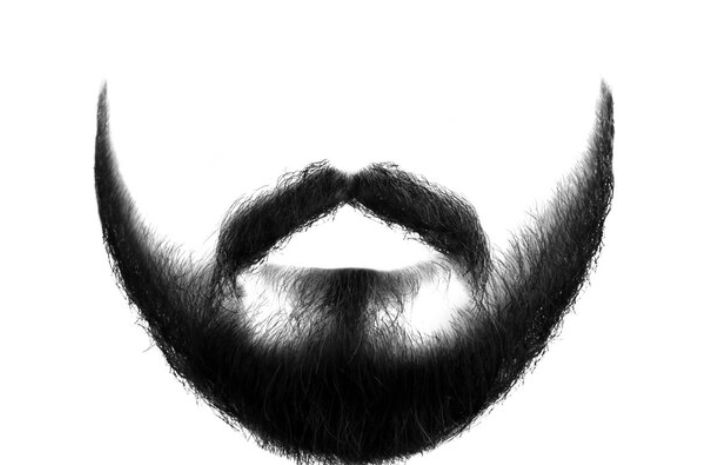
Short styles suit offices and hot climates, while long beards demand patience and daily care. For dozens of examples with photos, browse these popular beard styles for men.
Stubble
Three to ten days of growth gives definition without commitment, and it suits nearly every face. Keep the neckline clean and trim every few days so it never drifts into scruff.
Short Boxed Beard
A short, even beard with clean cheek and neck lines looks tidy enough for almost any workplace. James, an accountant in Manchester, wore one through a round of job interviews and was hired by a bank.
Full Beard
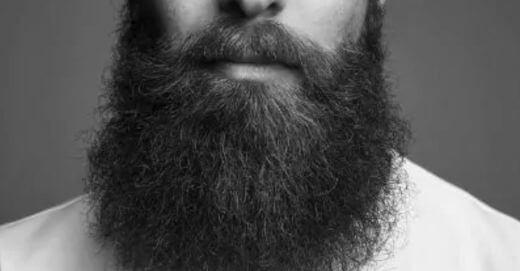
A full beard covers the cheeks, chin, and upper lip and needs regular shaping to avoid looking wild. Readers hoping for real density should start with these tips on growing a thick, dense beard.
Long Beards
Beards that reach the chest need brushing every day, regular conditioning, and trims to remove split ends. They take a year or more to grow well, so plan for slow progress.
Styles for Different Hair Types and Ages
Curly, coarse hair behaves differently from straight hair and needs its own approach to length and care. These beard styles for Black men cover line-ups, curl patterns, and razor bump prevention.
Gray beards can look distinguished when they are kept short and neat around the edges.
Men over 50 can browse beard styles that suit older men for looks that add authority without adding years.
Mustaches
A mustache changes your face more than any other single style, so start with a modest version. Classic options include the chevron, the pencil, the handlebar, and the horseshoe.
Trim along the top of the lip so hair never covers your mouth while you eat or talk. For more on wax, combs, and trimming angles, read up on mustache styles and upkeep.
Goatees and Chin Styles
Chin styles suit men with patchy cheeks, since they let you wear facial hair without needing full coverage. They also need sharp edges, so plan on shaving around them every day or two.
Start with goatee styles for every face to compare the main options side by side.
When you are ready to commit, the steps on how to grow a goatee take you from first growth to a clean finish.
Three goatee variations stand out for their staying power and their wide appeal.
The Van Dyke beard pairs a pointed chin beard with a separate mustache, while the circle beard joins mustache and goatee in a rounded ring.
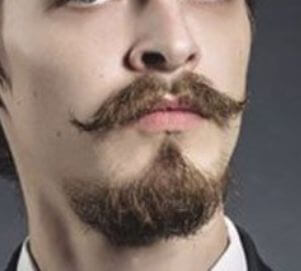
For something smaller still, the soul patch look keeps just a small tuft below the lower lip. It works best on clean-shaven faces where the rest of the grooming stays simple.
Rawiri, a carpenter in Auckland, cut his full beard down to a circle beard before his daughter’s wedding. Family members said he looked ten years younger, and he has kept the style since.
Washing and Conditioning Your Beard
A beard traps food, sweat, and dead skin, so it needs regular washing with a gentle cleanser. Many barbers suggest a beard wash two or three times a week, adjusting for oily skin or long hair.
Regular shampoo and bar soap can strip natural oils and leave both hair and skin dry. Rinse with warm rather than hot water, and pat your beard dry instead of rubbing it hard.
Conditioner relaxes coarse hair and makes long beards easier to comb after washing. On days without a wash, a quick rinse with water keeps a beard fresh without drying it out.
Beard Oil and Beard Balm
Beard oil soaks in quickly and moisturizes both the hair and the skin beneath it, which helps with itch. Learn how to use beard oil properly, starting with a few drops worked in from the roots.
Balm adds butters and waxes for light hold, which helps longer beards that tend to frizz. A closer look at what beard balm does shows when it beats oil.
Plenty of men use oil on most days and balm when they want extra control. For a side-by-side view of all three products, see oil, balm, and conditioner compared.
Brushing, Combing, and Trimming
Brushing spreads natural oils, lifts flakes from the skin, and trains hair to grow in one direction. A boar bristle brush suits short beards, and a wide-tooth comb handles length and tangles better.
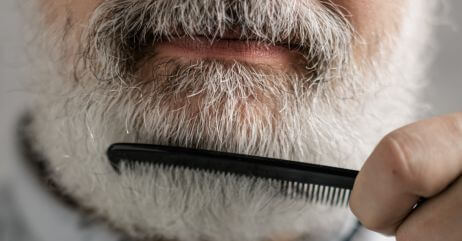
Trim when the beard is dry, since wet hair looks longer and leads to cutting too much. Set your neckline about one finger width above the Adam’s apple, and keep cheek lines natural rather than too high.
Good clippers, sharp scissors, and a fine comb make home trims far easier and safer. A rundown of grooming tools worth owning helps you avoid cheap tools that tug and pull.
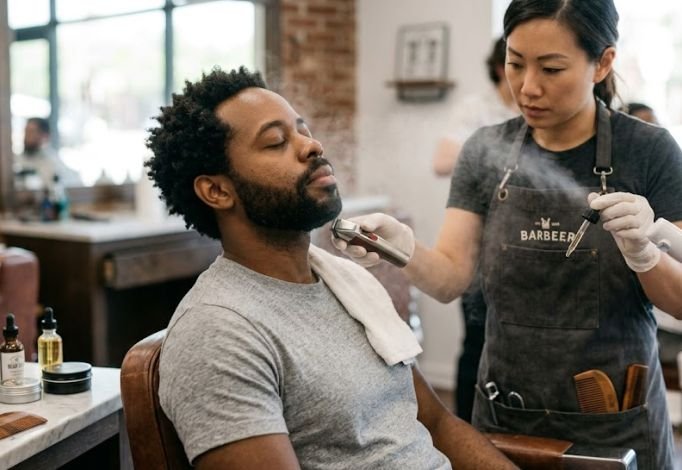
A barber can set the outline every month or two, and you can maintain it at home in between. Tips on working with a good barber help you explain exactly what you want.
Shaving and Switching Styles
My father, Dee Clement, kept his beard neat with a simple manual razor and steady, careful strokes. Watching him taught me that clean edges come from patience and a sharp blade, not from expensive kit.
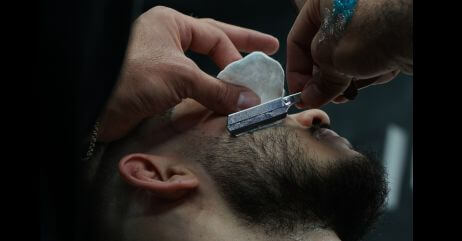
Before shaving, warm and relax the hair with a warm shower or a hot towel for a few minutes. Use a proper shaving cream, shave with the grain, and finish with a fragrance-free balm.
When moving from a full beard to a shorter style, trim down with clippers first instead of shaving everything at once. That way you can stop at stubble or a goatee if the full shave feels like too much.
Most shaving problems come from poor technique rather than from sensitive or difficult skin. Read about common shaving mistakes and the best ways of preventing razor bumps before your next clean shave.
Older men with thinner skin face their own choices at the sink each morning. A clear comparison of wet shaving versus electric razors helps you pick the gentler option.
Fixing Common Beard Problems
Beard Dandruff
Flakes usually come from dry skin under the beard, especially in winter or air-conditioned offices. Liam, a software developer in Dublin, cleared his flakes within weeks by switching from shampoo to a beard wash and adding oil.
Brush daily to lift loose flakes, and moisturize the skin underneath rather than only the hair. If flakes stay red, greasy, or itchy, see a doctor, since some scalp conditions also appear in beards.
Beard Itch
Itching is common in the first four to six weeks, as short, sharp hairs press against the skin. Daily oil and gentle brushing tame new growth, and the itch usually fades as the hair lengthens.
Patchy Growth
Gaps along the cheeks are normal early on, and many fill in after several months of patient growth. Specific steps for fixing a patchy beard include choosing styles that hide thin spots while you wait.
Ingrown Hairs and Bumps
Ingrown hairs happen when curved hairs grow back into the skin, causing red, sore bumps. Gentle exfoliation once or twice a week helps, and painful or spreading bumps deserve a visit to a dermatologist.
Skin Care Under the Beard
The skin beneath your beard still needs cleansing and moisture, even when you cannot see it. Follow a daily skincare routine for men and treat your beard skin as part of your face.
A beard blocks some sunlight, but the edges and thin areas still burn on bright days. Ethan, a surveyor in Melbourne, found sunburn along his cheek line after a long day outdoors despite his full beard.
The American Academy of Dermatology recommends a broad-spectrum, water-resistant sunscreen with SPF 30 or higher. Apply it to exposed skin and along beard edges, then reapply about every two hours outside.
Facial Hair at a Glance
| Face Type | Styles That Suit | Styles to Avoid |
|---|---|---|
| Round | Short boxed beard, goatee | Wide, bushy sides |
| Square | Rounded beard, heavy stubble | Sharp, squared chin lines |
| Oval | Almost any style | Beards wider than the cheekbones |
| Long or narrow | Fuller sides, short chin | Long chin beards and goatees |
| Wide brow, narrow chin | Full beard, fuller goatee | Very thin chin strips |
What Research Shows
Researchers have tested beards for attraction, sun protection, and supplement claims, and the results are worth knowing. The three studies below come from university research teams and peer-reviewed scientific journals.
A University of New South Wales study led by Barnaby Dixson asked women to rate men at several stages of beard growth. Heavy stubble, about ten days of growth, was rated the most attractive of the stages tested.
Researchers at the University of Southern Queensland measured sun exposure on mannequin heads with and without beards outdoors. Facial hair gave an ultraviolet protection factor between 2 and 21, with longer beards protecting more.
A 2017 review in Skin Appendage Disorders by Patel and colleagues examined biotin for hair growth. The authors found insufficient evidence that biotin helps healthy people, with benefits limited to cases involving deficiency or illness.
These studies have limits worth keeping in mind before you change your routine. Attraction ratings vary by culture and fashion, the sun study used mannequins rather than people, and supplement research remains thin.
Frequently Asked Questions
How long does it take to grow a full beard?
Most men need two to four months to grow a full beard. Skip heavy trimming for the first six weeks so your real growth pattern can show.
How many times a week should I wash my beard?
Two or three times a week suits most men, using a gentle beard wash. Rinse with plain water on other days, and adjust for oily skin or long growth.
Does beard oil make a beard grow faster?
No, beard oil does not speed up growth, but it conditions hair and moisturizes the skin. That eases itch and flakes during the awkward early weeks of growth.
What beard style suits a round face?
A short boxed beard with tight sides and a longer chin suits round faces. A goatee also adds length, while wide, bushy cheeks only make a round face look fuller.

Pyo Merez is a 45-yeard old husband, father, and a chemical engineer by profession and the founder of Gentsways, a men’s lifestyle site built in honour of his father, Dee Clement. He has been writing about men’s development, style, and character through his father’s lens since 2021, drawing on lived experience, his father’s example, and research from reputable publications. He is not a certified trainer or therapist; where fitness or health topics require it, articles are reviewed by qualified contributors.