

Last updated on November 22nd, 2026 at 05:00 pm
A man does not need a drawer full of gadgets to look well groomed, but he does need a few reliable tools. Buy the right ones once, look after them, and they serve for years.
I have used a personal hair clipper since 2012, and the one I own now is my second.
The first was poor quality and died in under two years, while my current GTS clipper has held up far better.
My nail clipper has lasted since 2010, doubling as a key holder, and a large bathroom mirror completes my kit.
Below is the full set worth owning, how to choose each tool, and how to keep everything clean and working.
Table of Contents
What Counts as a Men’s Grooming Tool?

Men’s grooming tools are the reusable instruments used to cut, shave, trim and tidy hair, nails and skin.
They differ from products such as creams and cleansers, because a good tool is bought once and maintained, not used up.
How these tools fit into a full routine is covered in the wider grooming picture.
The Core Kit

Hair Clipper
A corded or cordless clipper lets you cut your own hair, keep a buzz cut tidy and clean up the neckline between barber visits.
- Look for: a sturdy motor, sharp steel or ceramic blades and a lever that adjusts blade length.
- Guards: a set of attachment combs gives you consistent lengths for longer cuts.
- Durability: my cheap first clipper failed early, so paying more for build quality is worth it.
I set my clipper’s lever close to its shortest position for a near-shaved look, explained in my near-shaved home buzz.
Beard Trimmer

A trimmer is smaller and more precise than a clipper, built for stubble, beard lengths and clean edges.
- Look for: fine length settings, a narrow head for detailing and a waterproof body for easy rinsing.
The beard outlines a trimmer can create, from stubble to full styles, are shown in beard looks a trimmer handles.
Razor

Your razor depends on how close a shave you want and how your skin reacts.
- Safety razor: a single double-edged blade, like the one my father used, gives a close shave with fewer passes.
- Cartridge razor: easy to use and widely available, though replacement cartridges cost more over the years.
- Electric shaver: foil or rotary heads shave without water and suit men with sensitive skin.
The AAD’s shaving tips advise swapping in a new blade, or a new disposable razor, once five to seven shaves have passed, which limits irritation.
The same page recommends letting razors dry fully between shaves and storing them away from the shower or a wet sink.
The trade-offs between these methods, especially for sensitive or older skin, are weighed in blade against electric shaving.
Nail Clipper and File
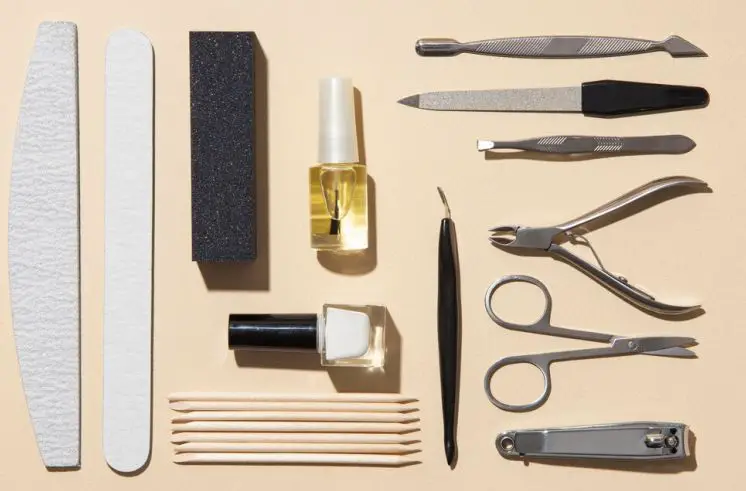
A sturdy nail clipper sees more use than almost any other tool a man owns, and a good one lasts decades.
The AAD’s healthy nail tips recommend sharp nail scissors or clippers, cutting straight across and rounding fingernails slightly at the tips.
A glass or metal file smooths rough edges and stops snags on clothing.
A complete set of nail tools is listed in a full nail kit.
Nose and Ear Trimmer
Stray nose and ear hairs grow more visible in later decades, and a small trimmer handles them safely.
My father used small stainless steel scissors instead, which also works with a steady hand and good light.
Battery-powered options worth considering for later life are reviewed in rotary nose trimmer picks.
Comb and Brush

- Wide-tooth comb: detangles thicker, curly or coily hair without breaking it.
- Fine-tooth comb: neatens short hair, beards and mustaches, and helps you check lengths before trimming.
- Soft brush: smooths short hair and helps lay waves for men with coily hair.
My father’s daily grooming always included a careful comb through his hair, and a good comb remains the cheapest tool in any kit.
Tweezers and Small Scissors
Slanted tweezers remove stray brow hairs and splinters, while small scissors trim mustaches and detail work a trimmer misses.
A Good Mirror
A large, well-lit mirror matters more than most men realize, because you cannot trim what you cannot see.
A large bathroom mirror is what I rely on, and a small hand mirror can help anyone check the hard-to-see back.
Nice-to-Have Extras
- Shaving brush: builds a richer lather and lifts hairs before a blade shave.
- Pumice stone or foot file: smooths hard skin on heels during the weekly foot check.
- Travel case: keeps tools together, clean and protected when you leave home.
- Clipper oil and cleaning brush: extend blade life and keep cutting smooth.

How to Clean and Store Your Tools
Dirty tools spread bacteria, dull faster and can irritate skin, so cleaning matters as much as choosing well.
- Brush out hair after each use: clipper and trimmer blades clog quickly with cut hair.
- Oil clipper blades regularly: a light film of oil keeps them cutting smoothly and resists rust.
- Disinfect metal tools: wipe clippers, scissors and nail tools with rubbing alcohol, then let them air-dry.
- Store tools dry: a drawer or case away from shower steam prevents rust and germ growth.
Dermatologists behind the AAD’s guidance on trimming nails also stress clean, disinfected tools.
Clean blades also mean fewer skin problems, as covered in clean tools, fewer bumps.
Never Share Personal Grooming Tools
Sharing razors, clippers and other blades can spread infection, even within a loving family.
The CDC’s hepatitis C guidance notes that the virus can spread through shared razors, nail clippers and toothbrushes, sometimes from blood too small to see.
Keep your razor, nail clipper and toothbrush personal, and ask barbers how they clean their tools between clients.
When to Replace Your Tools
- Razor blades: within the AAD’s five-to-seven-shave window, or sooner if they tug or irritate.
- Clipper and trimmer blades: when they pull hair instead of cutting cleanly, despite cleaning and oiling.
- Combs and brushes: when teeth break, bristles splay or cleaning no longer gets them hygienic.
- Nail clippers: when the jaws no longer meet cleanly, though a good one can last many years.
Dull blades sit behind many shaving problems, which are gathered in dull-blade shaving errors.
When a Barber Beats Your Kit
Home tools handle maintenance well, but a skilled barber still wins for fades, tapers and precise shaping.
Getting the most from a professional is explained in booking a skilled barber.
Buy Once, Look After It
Men’s grooming tools reward a simple approach: buy a few good ones, clean them, and replace blades on time.
A clipper, trimmer, razor, nail clipper, comb and good mirror cover almost every grooming task.
My cheap first clipper taught me that build quality matters, while my long-lived nail clipper shows what a good tool can do.
Keep your tools personal, dry and sharp, and they will serve you for years.
Check your own kit this weekend, replace anything dull or broken, and trust Gentsways to cover everything else your routine needs.
Frequently Asked Questions
What grooming tools does every man need?
Most men need a hair clipper or trimmer, a razor, a nail clipper, a comb and a good mirror. Tweezers and small scissors cover the fiddly detail work around brows and lips.
When should razor blades be replaced?
The AAD suggests a new blade or disposable razor once five to seven shaves have passed. Swap sooner if a blade tugs at hair, shows rust or irritates your skin.
How do you clean hair clippers?
Brush out hair after each use, wipe the blades with rubbing alcohol, then oil them lightly every few sessions. Keep the clipper in a dry drawer between cutting sessions at home.
Is it safe to share a razor or nail clipper?
No, because shared razors and nail clippers can spread infections such as hepatitis C through tiny traces of blood. Keep these tools strictly for your own use, at home and away.
Disclaimer: This post shares general grooming information drawn from dermatology and public health sources, plus my own experience with my tools, not medical advice. I have no affiliation with GTS or any other brand. See a doctor or dermatologist about cuts that become infected or persistent skin irritation after shaving.

Pyo Merez is a 45-yeard old husband, father, and a chemical engineer by profession and the founder of Gentsways, a men’s lifestyle site built in honour of his father, Dee Clement. He has been writing about men’s development, style, and character through his father’s lens since 2021, drawing on lived experience, his father’s example, and research from reputable publications. He is not a certified trainer or therapist; where fitness or health topics require it, articles are reviewed by qualified contributors.