
Last updated on November 21st, 2026 at 05:55 pm
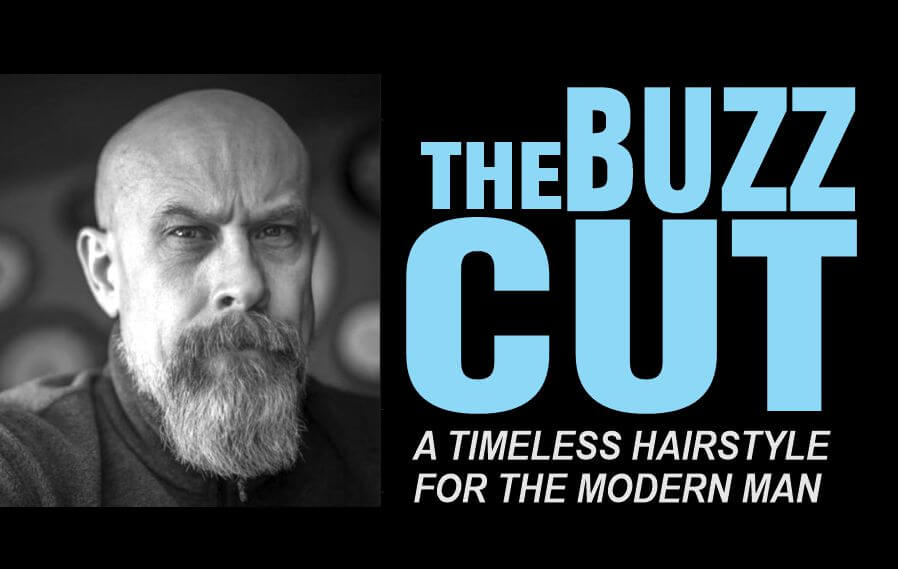
My haircut is so short that it looks almost like a clean shave from a few steps away. That very low buzz has been my look since my early twenties, and I have done every cut myself at home since 2022.
I do not even use a guard: I push the clipper’s adjustment lever almost to its closest setting and run it evenly over my whole head.
There is no line-up, no styling and no product beyond a little coconut oil when I remember.
That simplicity is exactly why so many men choose the buzz cut, and why it has outlasted a century of hair trends.
It costs little, takes minutes and suits more faces than most men expect.
Ahead are every buzz cut type, the taper and fade options, a home cutting method and the scalp care very short hair needs.
Table of Contents
What Is a Buzz Cut?
A buzz cut is a very short haircut that takes the hair to a single, uniform length, or nearly so, across the entire head.
It gets its name from the buzzing sound of electric clippers, which do almost all the work.
Most buzz cuts leave between a sixteenth of an inch and half an inch of hair, depending on the guard or blade setting.

Where the Buzz Cut Came From
CNN reports that the style developed with manual clippers in the late 19th century and spread further once electric clippers arrived.
The same piece says new military recruits in the US, UK and China commonly received it, hence its other name, the induction cut.
Over the following decades, it moved from army barracks to punk stages, athletes and red carpets.
Types of Buzz Cut
Induction Cut
The induction cut uses clippers with no guard at all, leaving only stubble across the scalp.
Dazed describes it as going as short as you can go without going bald, which is close to how my own cut looks.
Burr Cut
The burr cut uses a number one to three guard, leaving enough length for the hair to look soft rather than shaved.
It is the usual starting point for men wearing a buzz cut for the very first time.
Butch Cut
The butch cut uses a slightly longer guard, around a number four, for a fuller, rounder look on top.
It suits thick hair and men who want a buzz without seeing much scalp.
Crew-Style Buzz
This version leaves the top a guard or two above the side length, adding a little structure at the front.
When the top grows longer still, it becomes a true crew cut, explained in the longer-topped crew cut.
High and Tight Buzz
This military version clips the sides nearly bare while leaving a short, even patch on top.
The full military look, with its sharp contrast, is covered in the high and tight version.
Buzz Cut With Line-Up
An edge-up adds crisp borders at the hairline, temples and nape to an otherwise even buzz.
It looks striking on coily hair but blurs within days, so it needs frequent touch-ups, and I skip it.
Buzz Cut Taper
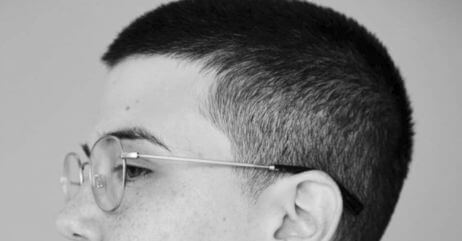
A buzz cut taper keeps the top at one even buzz length while the sideburns and nape shorten gradually toward the skin.
The result tidies the perimeter while the top stays untouched, so the cut grows out more neatly than a plain buzz.
At the barbershop, request “a number two all over with a low taper at the sideburns and neckline.”
The taper fits men after a tidier outline without visible skin on the sides.
Buzz Cut Fade
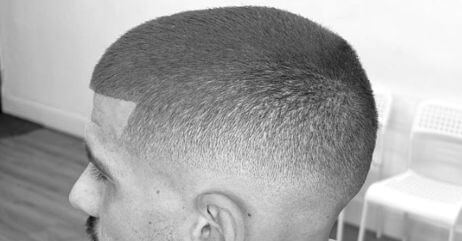
A buzz cut fade carries the sides from the top length right down to skin, creating sharper contrast than a taper.
Low fades look subtle, while mid and high fades give a bolder, athletic finish.
The difference between the two finishes is explained in low fades and soft tapers.
Buzz Cut Lengths at a Glance

| Setting | Approximate length | Look |
|---|---|---|
| No guard, lever closed | About 1/32 to 1/16 inch | Near-shaved, scalp clearly visible |
| No guard, lever open | About 1/16 to 1/8 inch | Very short stubble |
| Number 1 | 1/8 inch | Short, scalp visible |
| Number 2 | 1/4 inch | Classic buzz |
| Number 3 | 3/8 inch | Softer, more coverage |
| Number 4 | 1/2 inch | Butch cut, fullest buzz |
Exact lengths vary between clipper brands, so treat these figures as approximate.
Does a Buzz Cut Suit You?
Face and Head
Oval, square and angular faces look especially strong with a buzz, because the short length shows off the jaw and cheekbones.
Round faces can still wear one, ideally with a little extra length on top or a taper to add height.
Check the back of your head and any scars or bumps before going very short, because a buzz hides nothing.
Hair Type
Coily hair looks neat and even in a buzz, part of why the low cut is so popular among Black men.
More short options for this texture appear in Black men’s short cut ideas.
Straight and fine hair can show more scalp at short lengths, so a number two or three usually looks fuller.
Thinning Hair and Receding Hairlines
A buzz cut is one of the best options for thinning hair, because the difference between thin and thick areas almost disappears.
A receding hairline also looks more deliberate with a buzz than with longer hair combed forward.
Other flattering cuts for mature hair are gathered in cuts for thinning crowns.
How to Give Yourself a Buzz Cut at Home
Home cutting is common, and the buzz is the easiest cut to do yourself.
This is the method I follow at home, with notes for men who prefer guards.
- Choose good clippers: a corded or strong cordless clipper with sharp blades cuts evenly without pulling.
- Start with clean, dry hair: wet hair clumps and cuts unevenly, while dry hair feeds smoothly into the blades.
- Set your length: I push the adjustment lever almost fully closed, but first-timers are safer with a longer guard.
- Cut against the growth: run the clippers from the neck upward and from the forehead backward.
- Work in overlapping passes: cover the head section by section so no strip is missed.
- Check with a mirror: use a second mirror to see the back and run over any longer patches.
- Tidy the neckline if you wish: I leave mine natural, but a trimmer can clean the nape and around the ears.
- Clean and oil the blades: brush out the hair and add a drop of clipper oil after every cut.
Sharp, well-maintained tools make all the difference, and reliable clippers for home covers models worth buying.
How Frequently to Buzz Your Hair
Very short buzz cuts look sharpest when redone every one to two weeks.
Longer buzz cuts with a guard of three or four can stretch to three or four weeks between cuts.
Tapers and fades blur first, so they need attention sooner than the top.
Caring for Your Scalp After a Buzz
A buzz cut exposes far more scalp, so the skin underneath needs the same care as your face.
I wash my head every time I bathe, which works for very short hair since there is almost nothing to dry out.
A few drops of light oil or a gentle moisturizer stop the scalp looking dry or flaky.
Sun protection matters most, and the Skin Cancer Foundation says hats are frequently the best way to protect the scalp from sun damage.
On days without a hat, apply a broad-spectrum sunscreen to the whole scalp, ears and neck.
A full routine for keeping exposed skin healthy is explained in daily scalp care.
If small bumps appear after cutting very close, preventing bumps after cutting explains how to reduce them.
Asking a Barber for a Buzz Cut
Give the guard number for the top, then describe the sides, the neckline and the edges.
Try something like: “Number two all over, low taper on the sides and nape, no line-up.”
More useful terms for the barber’s chair are explained in barber chair instructions.
Pros and Cons of a Buzz Cut
- Pro: almost no daily effort, with no styling, products or blow drying.
- Pro: low cost, especially if you cut it yourself at home.
- Pro: hides thinning hair and uneven hairlines better than most cuts.
- Pro: stays cool and comfortable in hot weather, at the gym and on the pitch.
- Con: shows every scar, bump and irregularity on the scalp to anyone nearby.
- Con: leaves the scalp exposed to strong sun, wind and cold weather.
- Con: takes months to grow back if you change your mind.
Common Buzz Cut Mistakes
- Going very short on the first attempt instead of testing a longer guard first.
- Cutting wet hair, which leads to uneven patches once it dries.
- Forgetting the back of the head because you cannot see it in one mirror.
- Using dull blades that tug at the hair and leave the skin irritated.
- Skipping sunscreen on a freshly buzzed scalp during sunny days outdoors.
Why the Buzz Cut Endures
The buzz cut works because it is simple, affordable and honest about the man wearing it.
Choose the length that suits your face and hair, from a near-shaved induction cut to a fuller butch cut.
Add a buzz cut taper or fade for cleaner edges, and weigh up if a line-up is worth the extra upkeep.
Look after the scalp with washing, light moisture and sun protection, since it is now on show.
Buy a good clipper or book your barber soon, and rely on Gentsways for honest grooming advice.
Frequently Asked Questions
Can a buzz cut have a taper?
Yes, the top stays one even length while the sideburns and nape shorten gradually. That keeps the edges neat, and the cut grows out cleanly between visits.
What number is a buzz cut?
Most buzz cuts use a guard between number one and number four. An induction cut uses no guard at all, leaving only stubble across the scalp.
Is a buzz cut good for a receding hairline?
Yes, it makes a receding hairline look deliberate and reduces contrast between thinner and thicker areas. That makes it one of the most flattering choices for thinning hair.
How long does a buzz cut take to grow out?
Hair grows roughly half an inch a month, so a buzz cut needs two to three months to reach a length that can be styled differently.
Disclaimer: This post shares grooming information and personal experience, not medical advice. Check your scalp regularly for new or changing spots, and see a dermatologist about any persistent bumps, irritation or concerns.

Pyo Merez is a 45-yeard old husband, father, and a chemical engineer by profession and the founder of Gentsways, a men’s lifestyle site built in honour of his father, Dee Clement. He has been writing about men’s development, style, and character through his father’s lens since 2021, drawing on lived experience, his father’s example, and research from reputable publications. He is not a certified trainer or therapist; where fitness or health topics require it, articles are reviewed by qualified contributors.