
Last updated on July 22nd, 2026 at 08:41 am
An older gentleman is not the man with the biggest bank account in the room, but the one whose presence, words, and conduct make everyone else feel more comfortable and genuinely more respected, without him ever having to demand it.
Being called an older gentleman has nothing to do with a closet full of suits or a title on a business card.
This guide covers what actually defines the role, class, sophistication, and etiquette, along with the conversation skills, respect, integrity, and mentorship that back it up.
You will find practical guidance on dining etiquette, social conduct, and digital communication, plus the common misconceptions that confuse style with substance.
By the end, you will understand that being an older gentleman is a reputation built through daily conduct, not a label you assign to yourself once you reach a certain age.
My father, Dee Clement, never seemed to try. His words, his approach to people, even the way he dressed, all of it carried the same quiet intention. What struck me most was that none of it looked performed.
It was simply habit, built over decades, until class and sophistication were just how he moved through a room.
Table of Contents
Who Is an Older Gentleman?
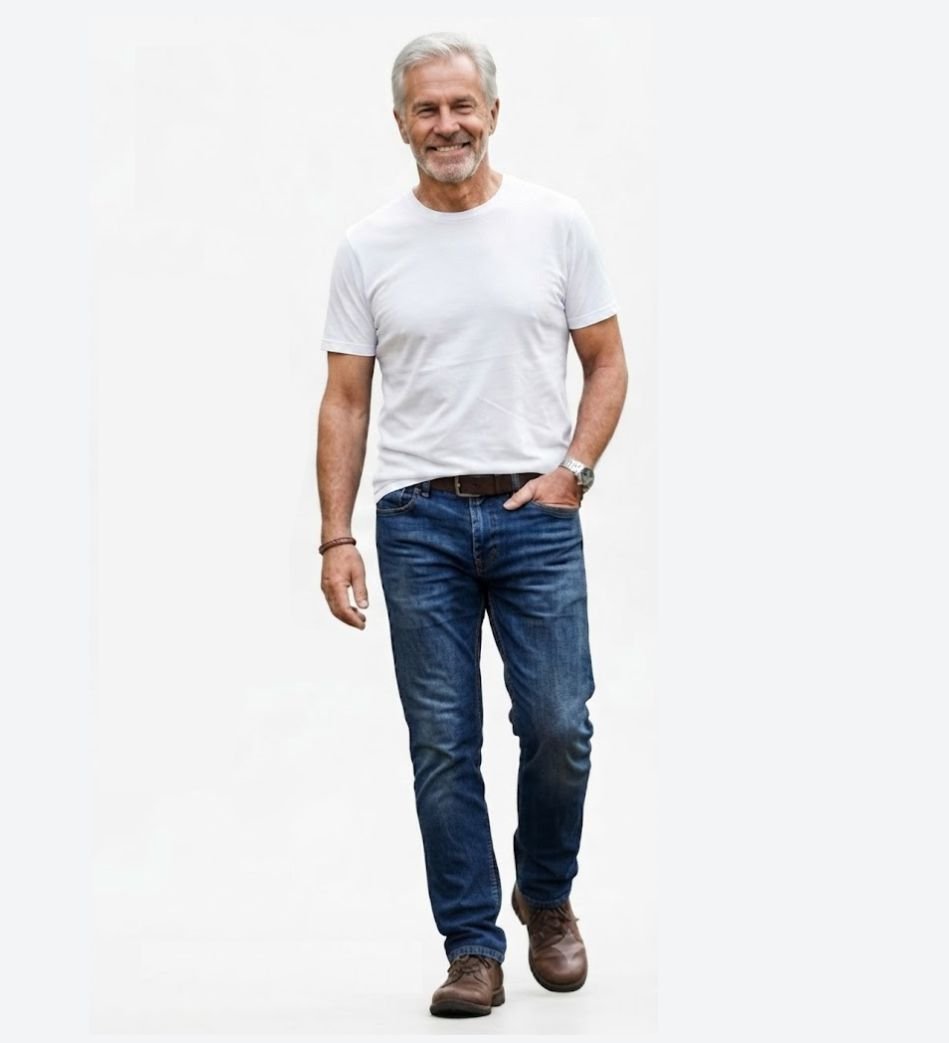
An older gentleman is a man, generally in his late forties and beyond, who carries himself with dignity, wisdom, and refinement built through experience rather than age alone.
His confidence comes from life lessons, not arrogance, and he leads with integrity and composure across personal relationships, business, and social settings.
Being an older gentleman is not a title you claim; it is a reputation other people give you based on how you actually behave, closely tied to the traits covered in our piece on good-looking older men.
Older Gentleman vs Older Man: The Real Difference
Every older gentleman is an older man, but not every older man carries the specific conduct that earns the gentleman label.
Our broader guide to older men covers the full demographic picture, life stages, health, finances, and relationships that come with aging.
This piece narrows in specifically on the character and conduct side of that picture: the manners, values, and daily habits that separate an older gentleman from simply an older man.
Class, Sophistication, and Etiquette Explained

Class Is Conduct, Not Appearance
Class shows in your posture, your words, and your ability to handle situations with calm and confidence, not in the clothes you wear.
You do not demand respect; you earn it by giving it first, in ordinary moments most people do not think to notice.
Sophistication Is Curiosity, Not Credentials
You do not need to be a scholar to carry sophistication.
Staying curious, reading widely, and engaging in real conversations about art, history, or current events makes you someone people genuinely want to talk to.
Etiquette Is Small, Consistent Habits
A firm handshake, holding the door, and writing a thoughtful note are small gestures that carry real weight.
In a world that treats manners as optional, keeping them alive is what makes an older gentleman stand out.
Where Style Fits Into the Picture
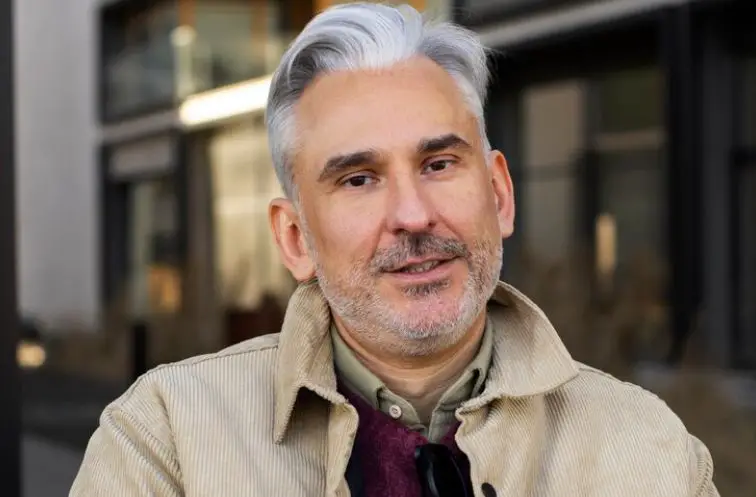
Style still matters, but it plays a supporting role rather than the lead.
A well-fitted wardrobe reflects the same care an older gentleman brings to everything else, but the details are already covered in depth in our guides on fashion tips for older men, wardrobe essentials for men over 50, grooming for older men, and skincare for older men.
What matters here is simpler: dress with intention, keep grooming consistent, and let your conduct do the rest of the work.
The Art of Conversation

Storytelling With Purpose
A well-told story draws people in, drawing from a personal experience, a historical insight, or a cultural anecdote.
An older gentleman narrates with clarity, keeping his audience engaged while passing down wisdom in a way that stays enjoyable rather than lecturing.
Listening With Real Intent
Non-verbal cues carry more of a conversation than most people realize.
Research summarized by Coursera points to a well-known finding from communication researcher Albert Mehrabian that face-to-face communication leans heavily on tone and body language rather than words alone.
Maintaining eye contact around seventy percent of the time while listening, a ratio identified by Science of People’s research on charismatic cues, signals genuine attention without tipping into staring.
Body Language That Signals Respect
Posture, gestures, and facial expressions communicate as much as words do.
According to NIH’s StatPearls resource on active listening, body language can reveal a person’s true feelings even when their words say something else entirely.
A relaxed stance and open posture build the kind of trust that crossed arms or a distracted gaze can quietly undo.
Respect and Integrity as Daily Practice
Respect Is How You Treat Everyone, Not Just Some
Respect goes beyond politeness; it means recognizing the worth of every person regardless of their background or status.
A firm handshake, real eye contact, and an attentive ear show people they matter, with a business partner just as much as with a stranger.
Integrity Is Consistency, Not Perfection
Integrity means doing what is right even when no one is watching, staying honest in both business and personal matters, and owning mistakes rather than making excuses.
A gentleman holds firm to his principles even when the easier path is available.
Dining Etiquette
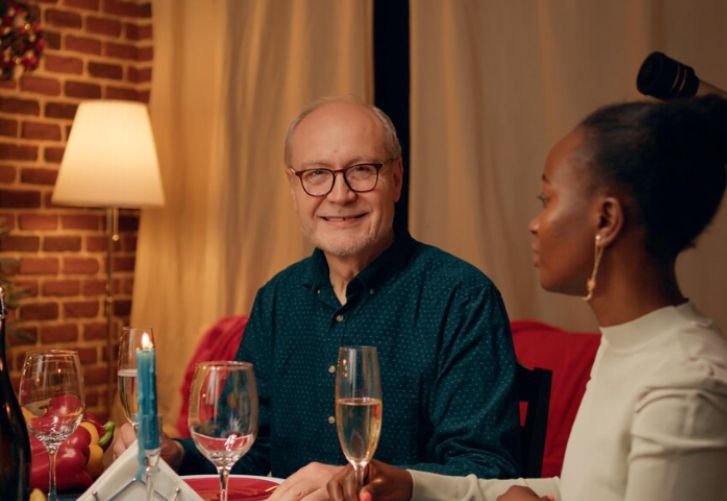
Appropriate behavior at a shared meal signals respect and professionalism before a single word about business gets said, according to West Virginia University’s career services guidance.
Arrive on time, let the host manage the details, and wait until business talk feels natural rather than forcing it in early.
Research highlighted by Science of People notes that being genuinely likable at the table tends to carry more weight with others than raw competence alone.
A thank-you note or message afterward closes the interaction with the same care it started with.
Social Gathering Etiquette
Confidence, a firm handshake, and a warm greeting establish presence the moment you enter a room.
Thoughtful words, attentive listening, and steering clear of gossip reflect the same wisdom that defines an older gentleman elsewhere.
Dignity here lies in restraint, not performance, ensuring everyone around you feels genuinely valued rather than managed.
Digital Communication Etiquette
While my dad never did social media, I know he would have been a perfect example.
The same respect that defines an older gentleman in person should carry into digital conversations.
Thoughtful responses, proper language, and stepping back from unnecessary conflict all signal maturity online just as they do face to face.
Not every opinion needs to be voiced, and knowing when to stay quiet online is its own form of discretion. Read more on digital etiquette.
Mentorship and Giving Back
Mentorship Is Guidance, Not Instruction
Mentorship works best through connection rather than lecture. Listen first, understand what a younger man is actually facing, and share lessons through real stories instead of dictating choices, since people tend to learn more from lived experience than instruction.
Giving Back Extends Your Influence
Volunteering time, mentoring younger professionals, or contributing to local causes puts decades of experience to direct use, and pairs naturally with the hobbies and interests older men pursue.
Leading by example in civic life, town halls, or community organizations gives your influence a place to keep growing well beyond your own household.
Common Misconceptions About Being a Gentleman
It Is Not About Money
Wealth can fund a wardrobe, but it cannot fund patience, integrity, or genuine curiosity, the traits that actually define an older gentleman.
It Is Not a Title You Award Yourself
Being an older gentleman is a reputation earned through consistent conduct across many years, not a label you adopt the day you turn fifty.
It Is Not Reserved for Formal Settings
The habits that define an older gentleman- respect, patience, attentive listening, apply just as much on a casual weekend as they do at a business dinner.
Conclusion
Being an older gentleman comes down to conduct, not wardrobe, and conduct is something you build daily rather than buy.
Class shows in how you treat people, sophistication shows in your curiosity, and etiquette shows in the small habits others notice without being told to look for them closely.
Respect and integrity carry your reputation further than any suit ever could, and mentorship extends that reputation into someone else’s future long after the conversation ends.
None of this requires wealth or status, only consistency, patience, and genuine interest in others.
Frequently Asked Questions
Does being an older gentleman require wealth or an expensive wardrobe?
No, class comes from conduct, patience, and how you treat other people, not from designer suits, luxury cars, or an expensive wardrobe of any kind at all today.
How can an older gentleman build genuine sophistication?
Read widely, travel when possible, and engage in real conversations across many different topics, since curiosity and range matter more than deep expertise in any single subject alone.
What body language signals genuine listening?
Maintain eye contact roughly seventy percent of the time while listening, nod slowly to confirm engagement, and avoid crossed arms or a rigid, distracted posture throughout the exchange.
Does dining etiquette really affect business relationships?
Yes, business meals can define first impressions more than the actual meeting itself, since table manners signal respect, professionalism, and consideration before a single word about work happens.
How should an older gentleman approach mentoring younger men?
Listen more than you speak, share lessons through real stories rather than lectures, and create space for questions instead of dictating every single decision along the way forward.
Why does integrity matter more than a strong first impression?
Yes, integrity means doing what is right even when no one is watching, which earns trust and respect that lasts far longer than any single first impression made.
Pyo Merez is a 45-yeard old husband, father, and a chemical engineer by profession and the founder of Gentsways, a men’s lifestyle site built in honour of his father, Dee Clement. He has been writing about men’s development, style, and character through his father’s lens since 2021, drawing on lived experience, his father’s example, and research from reputable publications. He is not a certified trainer or therapist; where fitness or health topics require it, articles are reviewed by qualified contributors.