
Last updated on September 21st, 2026 at 03:59 pm
A toy aisle can leave a grandfather stumped, and a silent, phone-scrolling teenager can feel like a stranger. If you are a grandfather, here is how to bond with your grandchildren at any age, no matter what stage they are in right now.
Bonding with your grandchildren at any age depends on meeting them exactly where they are developmentally.
Being a grandfather comes without the daily grind of parenting, but it also comes without a manual.
Bonding looks different at every stage, from a toddler who wants your full attention to a grown grandchild who wants your honesty.
The good news is that it is never too late to start, and it rarely needs to be complicated.
This ties closely into the broader shifts covered in our guide to older men, since presence matters across every relationship at this stage of life.
Our guide to what makes a good grandfather covers the traits behind all of this.
Below is exactly how to apply them at each age.
Table of Contents
Babies and Toddlers (0 to 3 Years): Show Up With Your Senses
At this age, grandchildren will not remember most of what you do together, but they will remember how being with you feels.
Babies and toddlers bond through voice, touch, rhythm, and repetition.
Research on parental and grandparental bonding found that a child’s closeness with grandparents correlates directly with their closeness to both parents, according to a study published in PubMed.
This suggests early bonding habits carry real, measurable weight.
Get low
Sit on the floor, or crawl if your knees allow it. Toddlers trust people who meet them at their level.
Sing something, anything
A silly, made-up tune said the same way every visit becomes “Grandpa’s song” faster than expected.
Read the same book fifty times
Repetition comforts a toddler rather than boring them. Let them choose the book each time.
Let them see your face light up
Toddlers watch faces closely, and a genuine smile does more bonding work than any toy.
Consistency and warmth matter more than elaborate plans at this stage.
Young Children (4 to 8 Years): Become Their Favorite Playmate
This is the golden age of grandparenting for many families. Kids this age are curious and thrilled to have an adult who is not rushing them through homework or bedtime.
Let them lead the play
If they want an elaborate blanket fort with rules that change every five minutes, go along with it.
Teach a skill, even a small one
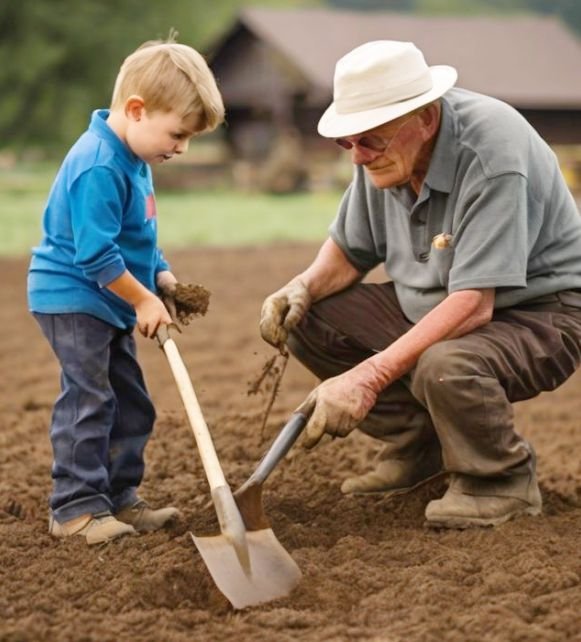
Whittling a stick, flipping a pancake, or tying a knot builds pride they will associate with you.
Tell simplified stories about your own childhood
These stories fascinate kids this age and plant an early sense of family history.
Get outside together
A walk to collect rocks or a trip to feed ducks builds memories without needing a plan or a budget.
Tweens (9 to 12 Years): Respect Their Growing Independence
Tweens are figuring out who they are outside the family, which can feel like distance but usually is not rejection. This is the age to shift from entertainer to ally.
Ask real questions and actually listen
Skip “how’s school” for something specific, like a game they are into or a book they are reading.
Include them in real tasks
Cooking a full recipe together or planning a small day trip gives them a genuine sense of contribution.
Respect their opinions, even ones you disagree with
A grandfather who listens without lecturing becomes someone they keep talking to later.
Find one shared interest and lean into it
Chess, a sports team, or gardening can do more for the relationship than a dozen scattered outings, a principle our guide to men and relationships applies to bonds of every kind, not just family ones.
Teenagers (13 to 18 Years): Be the Steady, Low-Pressure Adult
Teenagers pull away from nearly every adult in their life at this stage, and that is developmentally normal, not personal.
Grandparent involvement is specifically linked to fewer psychological difficulties in teenagers facing family stress, according to research published in the Journal of Child and Family Studies.
The grandfathers who stay close during these years are usually the ones who stop pushing and simply stay present.
Text them on their terms
A short message or a “thinking of you” note can matter more than a long call they might dread answering.
Offer your time without an agenda
“Want to grab food, no reason” tends to land better than a planned lecture disguised as a hangout.
Share your own teenage mistakes
Teens respond better to a grandfather who admits he messed up at their age than one offering advice from a pedestal.
Let them vent without fixing it
Sometimes they need an adult who is not their parent to just listen, without consequences at dinner.
Many teenagers reconnect with grandparents by their twenties. Staying gently present now, even through quiet stretches, keeps that door open.
Adult Grandchildren: Shift From Guiding to Genuinely Knowing Them
Once grandchildren become adults, the relationship can turn into one of the most rewarding of your life, if you let it evolve.
This is no longer about activities; it is about real connection between two grown people who share a family.
Grandparent support during childhood is linked to stronger emotional well-being well into adulthood, according to 2025 research published in Frontiers in Psychology.
The bond you build now still pays off decades later.
Ask about their actual life, not just milestones
Careers, relationships, and beliefs matter more than only asking about a wedding date or grandchildren.
Share your own story more fully
Adult grandchildren are often hungry for real family history, including the parts you may have softened when they were younger.
Offer help without strings
A hand moving into a first apartment, or simply showing up to something that matters to them, speaks volumes, this guide to men’s lifestyle and culture touches on as part of showing up for family well into adulthood.
Let the relationship become mutual
At this stage, they may start showing up for you too, so let them.
What Works at Every Age
- Show up consistently, even in small ways, since a regular call builds more trust than occasional grand gestures.
- Follow their lead on physical affection. Some grandchildren are huggers and some are not, and respecting that builds trust.
- Do not compete with parents. You are there to add something different: patience, perspective, and time, not to override their rules.
- Bridge distance with intention. Video calls, handwritten letters, or a journal mailed back and forth can keep a bond alive between visits, our guide to being a modern grandfather covers in more depth for long-distance situations.
- Be willing to not be cool. Grandchildren do not need you to know the latest trends. They need you to be reliably yourself, which connects to the character-first approach in the guide to what defines a real man.
Conclusion
How to bond with your grandchildren at any age comes down to meeting them where they actually are, not where you expect them to be.
A toddler needs your presence, a teenager needs your patience, and an adult grandchild needs your honesty.
None of this requires a perfect plan, only a willingness to keep showing up as the relationship changes over the years.
Pick one strategy from the stage your grandchild is in right now, and try it this week.
Our guide to what makes a good grandfather covers the traits that make all of this stick.
Frequently Asked Questions
How do I bond with a grandchild who barely talks to me?
Start small and low-pressure, like a short text or a shared activity with no agenda. Consistency, not intensity, usually rebuilds a quiet relationship over time.
What is the best way to bond with a toddler grandchild?
Get on their level, physically and in attention. Repetition, like reading the same book, comforts toddlers and builds trust faster than new activities.
How can grandfathers bond with teenage grandchildren specifically?
Offer low-pressure time without a fixed agenda, and share your own past mistakes. Teenagers respond better to honesty than advice from a distance.
Is it too late to bond with an adult grandchild I was not close to?
No. Ask about their actual life, share your own story honestly, and let the relationship become mutual. Consistent effort still works at this stage.

Pyo Merez is a 45-yeard old husband, father, and a chemical engineer by profession and the founder of Gentsways, a men’s lifestyle site built in honour of his father, Dee Clement. He has been writing about men’s development, style, and character through his father’s lens since 2021, drawing on lived experience, his father’s example, and research from reputable publications. He is not a certified trainer or therapist; where fitness or health topics require it, articles are reviewed by qualified contributors.