

Last updated on October 10th, 2026 at 03:48 am
Becoming a modern grandfather arrives with joy and very few instructions, and the old script of the distant patriarch no longer fits. Here is what the role means today, and the habits that turn a title into a bond.
Most men become grandfathers somewhere in their fifties or sixties, many while still working, caring for parents, or settling into retirement.
The role looks very different from the one your own grandfather held, with more hands-on care, more technology, and fewer fixed rules.
You will find a clear definition of the role, the ways it has changed, and why it matters so much to children and families.
The heart of the page covers nine traits of a good grandfather, from steady presence to respecting the rules his adult children set at home.
Four older men molded who I became as a boy, namely my two grandfathers, my father, and his younger brother.
None of them tried to be my friend the way a peer would, and none tried to stay young for my sake. What made them matter was that they showed up, again and again, each in his own way.
Table of Contents
What Is a Grandfather?
A grandfather is the father of one of your parents, a fact settled by birth or adoption. That definition is accurate, but it says nothing about the relationship a man builds with the children who follow him.
The more useful definition is relational rather than biological, and it has to be earned. A grandfather is the older man a child can call without hesitation, who shows up between holidays, and who adds something a busy parent cannot.
Stepgrandfathers, adoptive grandfathers, and close family friends can all fill this role fully. Plenty of children in blended families have a grandfather who arrived by marriage and became one of their favorite people.

How the Role Has Changed
Older generations of grandfathers were frequently respected more than they were known. They appeared at Sunday lunches and holidays, offered a word of advice, and stayed at a polite distance from daily life.
That model has largely faded, because families now lean on grandparents for real, hands-on help. An AARP survey of 3,283 grandparents found they provide the equivalent of 12.5 full-time work weeks of childcare each year.
The same research valued unpaid care and direct financial support from US grandparents at about $903 billion a year. It also found that 76 percent use texting, video calls, or social media as a main way to stay connected.
The modern grandfather is not less involved than his own grandfather was, just involved in a different way. He is more likely to do the school pickup, fix a bike, and send a photo on the family group chat.
Why Grandfathers Matter So Much
The emotional side of grandfatherhood is real, but the benefits for children go well beyond warm memories. A University of Oxford study of 1,596 children found involved grandparents contributed to teenagers’ wellbeing.
Closeness alone was not enough to make that difference in the Oxford findings. The grandparents who helped most were the ones who rolled up their sleeves and did things with their grandchildren.
Those relationships also helped cushion children through hard times such as their parents separating. A grandfather who stays steady can be the calm adult a child turns to when home feels shaky.
The benefits run in both directions, too, since staying involved keeps older men connected and purposeful. Grandfathers with regular contact are less likely to feel the drift that leads to loneliness in later life.
If You Are New to the Role
The first months as a grandfather bring excitement, nerves, and plenty of questions about where you fit. Down-to-earth advice for your first year as a grandfather covers hospital visits, early help, and finding your place.
Raymond, a retired engineer in Ohio, worried he would be clumsy with a newborn after forty years away from diapers. He started by cooking dinners for his exhausted daughter, and the cuddles followed naturally within weeks.
Your own experience as a father is a useful starting point, though the job is different now. Looking back at what makes a good father can remind you which lessons to carry forward and which to leave behind.
What Makes a Good Grandfather
The traits below come from research on families and from the patterns that grandchildren themselves describe. None require money, fitness, or special skills, just steady attention and the willingness to keep showing up.
1. Presence That Does Not Waver
Consistency matters more than frequency or grand gestures when it comes to building trust. A grandfather who calls every Sunday earns more trust than one who appears twice a year with expensive presents.
Small rituals build that steadiness, such as a weekly pancake breakfast, a standing walk, or a bedtime phone call. Children remember the rhythm of those habits long after they forget the gifts.
2. Love That Does Not Depend on Performance
A good grandfather loves his grandchildren the same way on a bad report card day as on graduation day. That kind of acceptance gives children a safe place when parents, teachers, and coaches are pushing hard.
Accepting a child does not mean approving of everything they do, of course. It means making clear that your affection is never the thing at stake when they fall short.
3. Patience Without Judgment
Children test limits, spill drinks, and melt down at the worst moments, sometimes all in one afternoon. A grandfather who stays calm through the chaos signals safety, and children seek out the adults who make them feel safe.
Patience also means letting a grandchild do things slowly, from tying shoes to telling a long, rambling story. Rushing a child teaches them you are busy, while waiting teaches them they matter.
4. Real Listening
Listening well means asking a second question instead of steering the talk back to your own stories. This matters more as grandchildren grow, because teenagers can spot a distracted adult instantly.
Put your phone away, look at the child, and ask what they think rather than telling them what to think. The skills behind emotional intelligence in men apply directly to talking with grandchildren of every age.
5. Modeling Character Instead of Preaching It
Grandchildren learn far more from how you treat a waiter than from any lecture about kindness. They watch how you speak about their grandmother, how you handle anger, and if you keep your promises.
My father, Dee Clement, rarely lectured me about integrity, but I watched him keep his word in small matters for decades. That example stayed with me longer than any speech could, and I now try to pass it on.
Raising decent young people is a family effort, and grandfathers carry real weight in it. Ideas on raising boys to be gentlemen work just as well from a grandfather as from a dad.
6. Generosity With Time More Than Things
Gifts are easy to give, but time is the harder offer and the one children value most. A single unhurried afternoon fishing, baking, or building something together outlasts almost any toy in a child’s memory.
For ideas that suit different ages, browse these activities to share with grandchildren. Most of them cost nothing beyond a few free hours and a little patience.
7. Humor and a Visible Joy for Life
Children gravitate toward adults who laugh easily, tell silly stories, and seem glad to be alive. A grandfather who can laugh at himself also teaches children that mistakes are survivable.
Sean, a retired postman in Cork, keeps a running joke with his granddaughter about a stuffed fox that travels in his car. Years later, she still asks where the fox has been every time he visits.
8. Respect for the Family’s Boundaries
Your adult children set the rules in their homes, even when you would do things differently. Overstepping on screen time, sweets, or discipline can damage trust with their parents faster than anything else.
Offer help, ask before giving advice, and back up the parents in front of the grandchildren. If you strongly disagree, raise it privately and calmly, then accept their decision as final.
Your relationship with your own grown children decides how much access you have to their kids. Treating them as capable adults, not children who still need correction, keeps doors open for years.
9. A Willingness to Keep Learning
Grandfathers who stay curious, including about the apps and games their grandchildren love, tend to stay closer to them. Asking a grandchild to teach you something builds connection and gives them a rare chance to be the expert.
Learning keeps your own mind active too, which benefits you as much as the family. New hobbies also give you more to share, and many hobbies suited to older men welcome a young helper along.
Staying Close at Every Age
A grandfather’s role shifts as a toddler becomes a schoolchild, a teenager, and eventually an adult. The ways of bonding with grandchildren at any age change with each stage.
Toddlers want play and repetition, while school-age children love projects, outings, and stories from your youth. Teenagers need a listener who does not judge, and adult grandchildren value advice only when they ask for it.
Distance changes the everyday side of the relationship, but it never changes its value to a child. If your grandchildren live in another city or country, read about staying connected from far away through calls, letters, and planned visits.
Passing Down Wisdom and Family Stories
Grandfathers carry family history, hands-on skills, and hard lessons that disappear if no one passes them on. Tell stories about your parents, your first job, and the mistakes that taught you the most.
Grant, a farmer in Queensland, recorded short voice notes about the family’s history for each grandchild’s sixteenth birthday. His grandsons still play them, and one now runs the farm using lessons from those recordings.
Skills matter as much as stories, from changing a tire to cooking a family recipe. Teaching by doing beats any lecture, and children remember the afternoon you spent together long after the lesson.
Encourage grandchildren to ask questions while they can, the same way you might once have quizzed your own father. A list of questions worth asking your father works well for grandfathers and grandchildren too.
Staying Yourself
Your grandchildren already have friends their own age, so what they need from you is a grandfather. Trying too hard to be young or trendy usually feels awkward to children and teenagers alike.
Dress and act in a way that feels true to who you are at this stage of life. Advice on dressing well after 50 helps you look sharp without chasing styles built for a younger crowd.
Look after your own wellbeing too, since energy and mobility affect how much you can join in. Speak with your doctor about staying active enough to keep up with lively grandchildren.
Good Grandfather Traits at a Glance
| Trait | What It Looks Like in Daily Life |
|---|---|
| Steady presence | A regular call, visit, or weekly ritual |
| Unconditional love | Warmth that never depends on grades or behavior |
| Patience | Calm responses to mess, mistakes, and meltdowns |
| Real listening | A second question and your phone put away |
| Modeling character | Kindness and honesty shown, not lectured |
| Time over things | Unhurried afternoons doing something together |
| Humor and joy | Laughing easily, including at yourself |
| Respect for boundaries | Backing the parents’ rules in their home |
| Ongoing learning | Letting grandchildren teach you something new |
What Research Shows
Research on grandparents has grown quickly, and several studies show real benefits for children and grandparents alike. The findings below come from large national surveys and peer-reviewed academic studies.
AARP’s 2025 survey of 3,283 American grandparents found that 83 percent report high joy in the role. The same study found grandparents provide about $731 billion in unpaid care each year across the United States.
The Oxford study led by Professor Ann Buchanan surveyed teenagers aged 11 to 16 across England and Wales. Involved grandparents helped buffer children against family stress, but only when they actively did things with their grandchildren.
A 2026 Tilburg University study in Psychology and Aging followed 2,887 grandparents over 50 using the English Longitudinal Study of Ageing. Those who provided childcare scored higher on memory and verbal fluency tests than those who did not.
These studies have limits worth keeping in mind before you draw strong conclusions. Surveys rely on self-reported feelings, the Oxford data is older, and the Tilburg study shows an association rather than proof of cause.
Frequently Asked Questions
What makes a good grandfather today?
A good grandfather shows up consistently, listens well, respects the parents’ rules, and gives time rather than just gifts. To a child, steady presence matters far more than money or grand gestures.
How has the grandfather role changed?
Modern grandfathers are more hands-on, providing regular childcare and staying in touch through video calls and texts. The distant, formal grandfather of the past has given way to an engaged companion.
How can I bond with a grandchild I rarely see?
Set a regular call or video chat, send letters or small parcels, and plan visits around shared activities. Consistent contact builds real closeness, even across long distances and busy lives.
Should a grandfather give parenting advice?
Only when asked, and always privately rather than in front of the grandchildren. Supporting the parents’ decisions protects trust with your adult children and keeps you welcome in their homes.
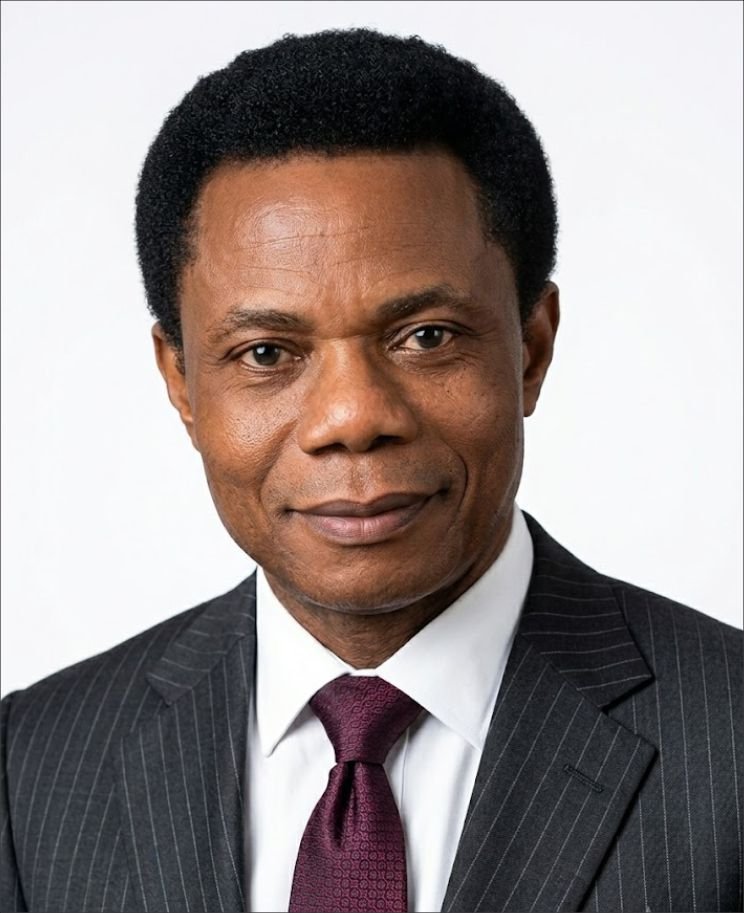
Pyo Merez is a 45-yeard old husband, father, and a chemical engineer by profession and the founder of Gentsways, a men’s lifestyle site built in honour of his father, Dee Clement. He has been writing about men’s development, style, and character through his father’s lens since 2021, drawing on lived experience, his father’s example, and research from reputable publications. He is not a certified trainer or therapist; where fitness or health topics require it, articles are reviewed by qualified contributors.