
Last updated on September 21st, 2026 at 03:59 pm
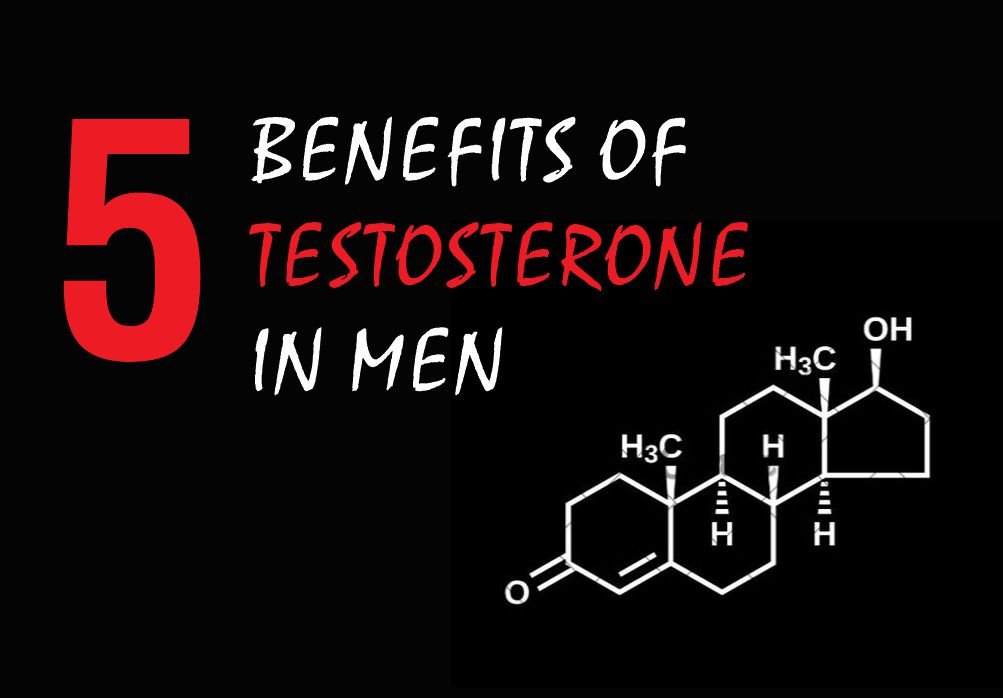
Testosterone does more than build muscle in men; it shapes bone strength, metabolic function, and mood in ways most men never connect back to one hormone.
Testosterone influences far more of a man’s body than most people realize.
It drives muscle repair, supports bone density, and plays a real role in metabolic and cognitive health.
This guide covers five areas where the evidence is strongest: muscle and bone, sexual function, body composition, metabolic health, and mood.
Each claim here traces back to actual clinical research, not assumption.
For the full picture on normal ranges and testing, see this site’s complete testosterone guide.
Table of Contents
Muscle and Bone Strength
Testosterone directly stimulates muscle protein synthesis.
A clinical study found testosterone replacement in hypogonadal men increased fat-free mass by an average of 15 percent over six months.
Muscle protein synthesis rose by 56 percent in the same group, according to research published in the Journal of Clinical Endocrinology and Metabolism.
Bone health follows a similar pattern. Low testosterone is a well-established risk factor for reduced bone density in men, according to a review also published in the Journal of Clinical Endocrinology and Metabolism.
The mechanism is genuinely complex, involving testosterone’s own effects on bone cells alongside its conversion into estrogen, but the overall risk connection is well documented.
Sexual Function and Libido
Testosterone supports sex drive and sperm production, and low levels are linked to reduced libido and fertility concerns.
This connection isn’t the whole picture, though. Dopamine, serotonin, and stress all play a real role too, covered in more depth in this site’s breakdown of testosterone and libido.
Body Composition and Fat Distribution
Testosterone supports lean muscle maintenance while helping regulate how the body stores fat.
Low levels are associated with increased abdominal fat specifically, which creates a compounding effect since that fat increases aromatase activity, converting more testosterone into estrogen.
This site’s guide to natural ways to support testosterone covers how exercise and diet interact with this cycle.
Metabolic Health
Low testosterone is consistently associated with insulin resistance and a higher risk of metabolic syndrome and type 2 diabetes, according to research reviewed in PMC.
The relationship between testosterone and cardiovascular health specifically is more debated than commonly presented.
Some research shows an association with risk; other findings are mixed, and this site’s full breakdown of TRT’s real risks covers that nuance directly rather than oversimplifying it.
Cognitive and Emotional Well-Being
Low testosterone is commonly linked to fatigue, reduced motivation, and brain fog, though these symptoms overlap heavily with several other conditions.
This site’s full guide to recognizing low testosterone covers that overlap and why a blood test matters more than symptoms alone.
What Actually Influences These Benefits
Age accounts for some natural decline in testosterone starting around age 30.
Lifestyle factors, sleep, diet, and stress management meaningfully affect levels within that natural decline. Exercise, particularly strength training, supports healthy testosterone production directly.
This site’s complete guide to what genuinely supports healthy testosterone covers all three factors in depth.
Frequently Asked Questions
What are the main benefits of healthy testosterone in men?
Muscle and bone strength, sexual function, healthy body composition, metabolic health, and cognitive and emotional well-being all depend meaningfully on adequate testosterone levels.
Does testosterone really affect bone density?
Yes. Low testosterone is a well-established risk factor for reduced bone density in men, confirmed through clinical research and reviewed extensively in endocrinology literature.
Is testosterone good for heart health?
The relationship is more complicated than commonly presented. Some research shows an association with cardiovascular risk, and the overall picture remains genuinely debated among researchers.
Can lifestyle habits really affect these benefits?
Yes. Sleep, diet, exercise, and stress management meaningfully affect testosterone levels within the natural decline that begins around age 30.
Conclusion
Testosterone’s real benefits extend well beyond muscle, touching bone density, metabolic health, and cognitive function in ways backed by genuine clinical research.
Some claims commonly repeated about this hormone, particularly around cardiovascular health, deserve more nuance than they usually get.
Start with this site’s complete testosterone guide for the full picture on normal ranges, testing, and what actually supports healthy levels.

Pyo Merez is a 45-yeard old husband, father, and a chemical engineer by profession and the founder of Gentsways, a men’s lifestyle site built in honour of his father, Dee Clement. He has been writing about men’s development, style, and character through his father’s lens since 2021, drawing on lived experience, his father’s example, and research from reputable publications. He is not a certified trainer or therapist; where fitness or health topics require it, articles are reviewed by qualified contributors.