

Last updated on September 21st, 2026 at 03:59 pm
The foods that genuinely support testosterone in men are simpler than most lists suggest, and a few popular additions to those lists don’t hold up under real scrutiny.
Diet supports testosterone mainly through a handful of well-established nutrients, zinc, vitamin D, and healthy fats, alongside overall weight management. This guide covers the foods that genuinely deliver those nutrients, and corrects a few commonly repeated claims that don’t hold up as well as they’re presented, including soy. For what to actually cut back on, see this site’s guide to foods that work against testosterone.
Disclaimer: This article is for informational purposes only and does not constitute medical advice. Always consult a qualified professional before making significant dietary changes related to hormone health.
Table of Contents
Zinc-Rich Foods
Zinc plays a direct, well-documented role in testosterone production, and deficiency is one of the clearer nutritional links to lower levels.
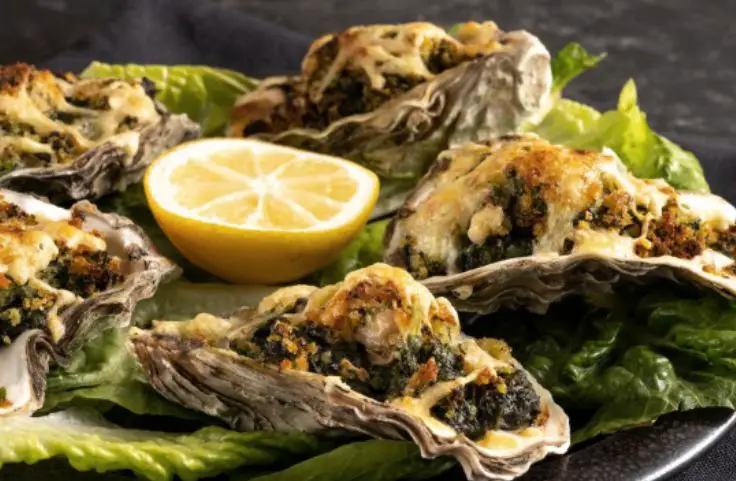
Oysters are the richest dietary source by far, with pumpkin seeds, lean beef, and lentils as solid alternatives.
Zinc’s benefit applies specifically to men who are actually low in it, not as a general booster for men with adequate levels already.
Vitamin D-Rich Foods
Vitamin D supports testosterone production, and low levels are common, especially for men who spend most of the day indoors.
Fatty fish like salmon and mackerel, fortified milk, and egg yolks all supply meaningful amounts.

Getting a blood test before adding a supplement matters more than assuming you need one.
Healthy Fats
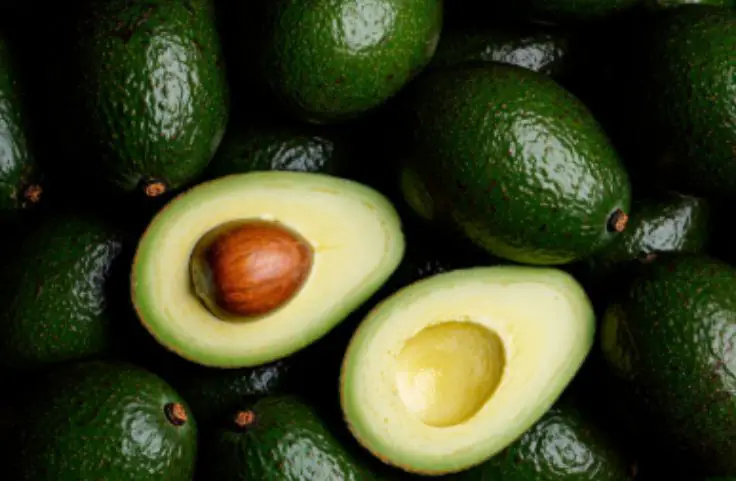
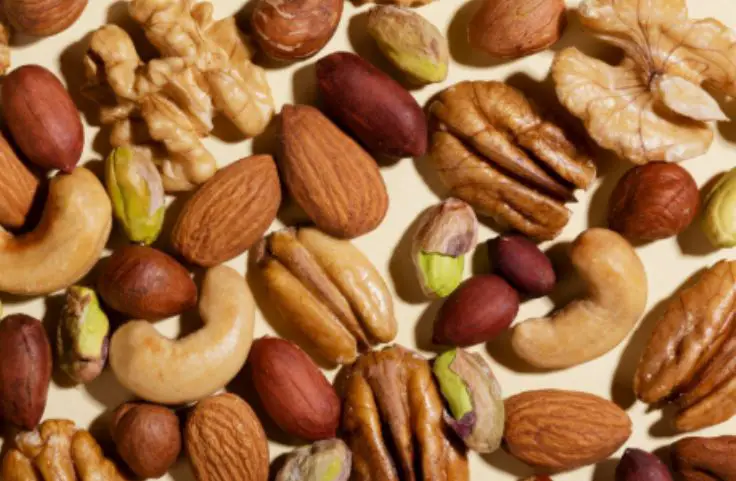
Monounsaturated fats from avocados, olive oil, and nuts support the cholesterol your body uses as a building block for hormone production.
Fatty fish specifically add omega-3s, which support overall hormonal and cardiovascular health together.
Protein Sources
Lean proteins, eggs, fish, poultry, and lean red meat in moderation supply the amino acids needed for muscle repair and hormone synthesis.

Eggs specifically combine protein, vitamin D, and dietary cholesterol in one food, without needing any specific brand or influencer endorsement to make that case.
Magnesium and Selenium
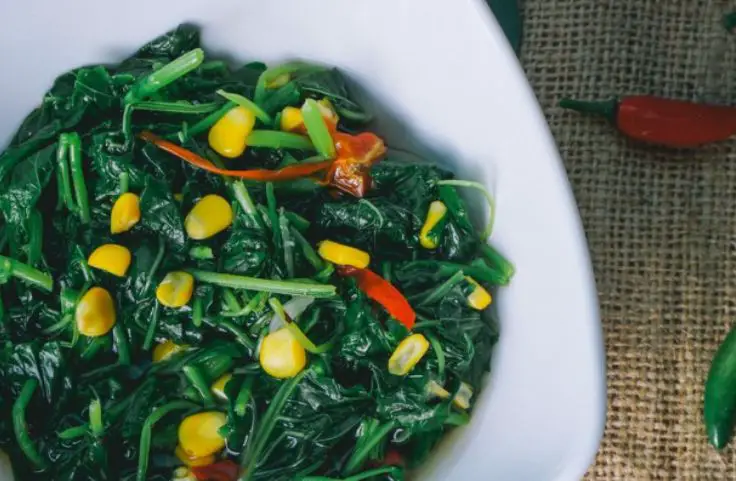
Magnesium, found in leafy greens, almonds, and black beans, supports both sleep quality and hormone regulation, two systems closely tied to healthy testosterone.
Selenium, found in Brazil nuts and tuna, supports thyroid function, which indirectly affects hormone balance.
A small daily amount of either covers most men’s needs without requiring a supplement.
Claims Worth Correcting or Taking With Caution
Soy
Soy does not lower testosterone. This is worth stating directly, since it’s one of the most repeated food myths in this space.
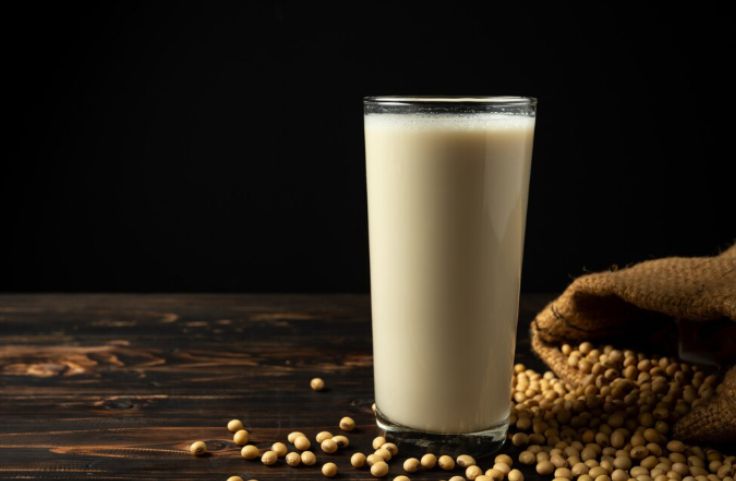
An expanded meta-analysis covering 41 studies and 1,753 men found no significant effect of soy or isoflavone intake on testosterone, according to research published in Fertility and Sterility.
Tofu, soy milk, and edamame are fine additions to a testosterone-supporting diet, not foods to avoid.
Pomegranate, Garlic and Onions
Pomegranate, garlic, and onions get cited constantly in this space, but the supporting evidence is thin, small pilot studies or animal research rather than large, replicated human trials.
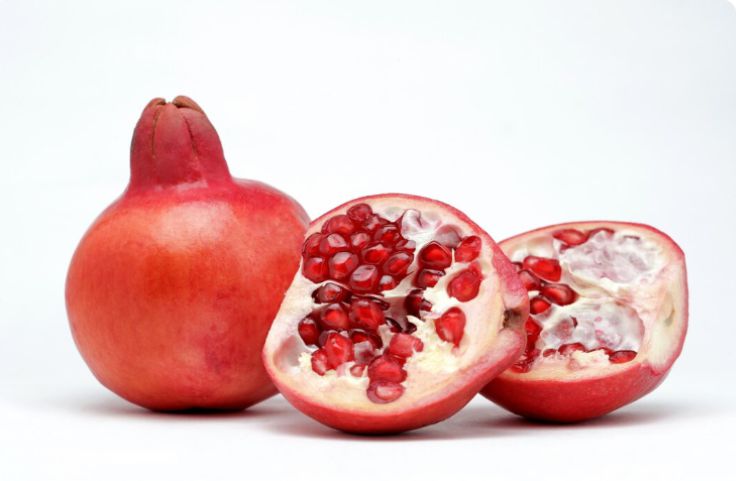
They’re perfectly healthy additions to a diet, just not proven testosterone boosters the way they’re often marketed.
Boron’s testosterone effect traces back mostly to one small trial involving just 10 men, not a robust body of evidence. Worth knowing before treating it as an established nutrient specifically for hormone support.
Building a Testosterone-Supporting Diet
None of these foods work in isolation, and no single item on this list makes a meaningful difference without the overall pattern behind it: adequate protein, healthy fats, key micronutrients, and a healthy weight.
See this site’s full guide to natural ways to boost testosterone for how diet fits alongside sleep, exercise, and stress management.
Conclusion
The foods that genuinely support testosterone in men come down to a short, well-supported list: zinc, vitamin D, healthy fats, and adequate protein.
Soy isn’t one of the foods to avoid, despite how often that claim gets repeated, and a few popular “boosting” foods have weaker evidence behind them than their reputation suggests.
Build your diet around the foods with real support, and pair it with the habits covered in this site’s full testosterone guide.
Frequently Asked Questions
What foods genuinely raise testosterone in men?
Zinc-rich foods like oysters, vitamin D sources like fatty fish and egg yolks, and healthy fats from avocados and olive oil have the strongest evidence behind them.
Does soy lower testosterone in men?
No. A large meta-analysis of 1,753 men found no significant effect of soy or isoflavone intake on testosterone at normal dietary levels.
Are pomegranate and garlic proven testosterone boosters?
Not strongly. The supporting evidence is mostly small pilot studies or animal research, not large, replicated human trials confirming a meaningful effect.
Do I need supplements to support testosterone through diet?
Not necessarily. A blood test confirming an actual deficiency in zinc or vitamin D matters more than assuming supplementation is needed without one.

Pyo Merez is a 45-yeard old husband, father, and a chemical engineer by profession and the founder of Gentsways, a men’s lifestyle site built in honour of his father, Dee Clement. He has been writing about men’s development, style, and character through his father’s lens since 2021, drawing on lived experience, his father’s example, and research from reputable publications. He is not a certified trainer or therapist; where fitness or health topics require it, articles are reviewed by qualified contributors.