
Last updated on June 30th, 2026 at 11:23 am
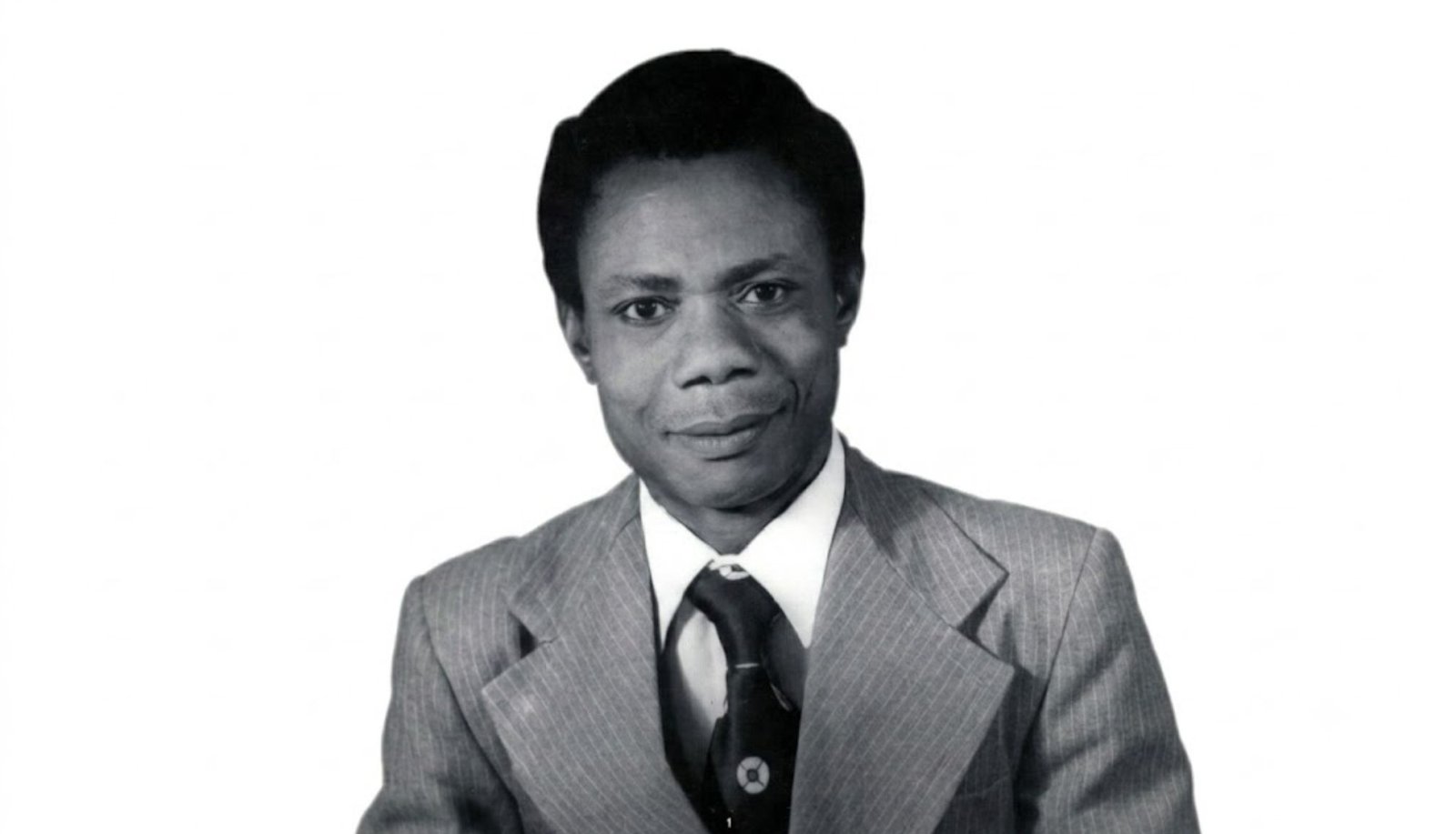
My father’s name was Dee Clement. He never raised his voice. Never threw a punch. Never argued with anyone in my presence or, as far as I know, anywhere else. And yet there was not a single person in his orbit who did not understand exactly where they stood with him.
That is the thing about my father that I have spent years trying to articulate and that GentsWays exists to teach.
He carried a presence that never needed to instruct. You got the memo without being told.
Most men’s content would have no idea what to do with a man like Dee Clement.
It is too busy teaching men to dominate, to project, to perform.
Too focused on the external signals of strength, the voice, the posture, the wardrobe worn as armour, to understand that real masculine authority does not announce itself.
It simply exists, and people respond to it.
Confidence Is Not Volume
My father was one of the most confident people I have ever known.
But it was not the kind of confidence that fills a room with noise. It was the kind that filled a room with stillness.
He never panicked. Not in danger, not in crisis, not in the kind of moments that cause most people to either fold or overreact.
There was a dangerous quality to his calm, dangerous because it made everyone around him feel that whatever was happening, it was being handled.
That whatever he decided would be the right decision. Not because he said so. Because he never seemed to doubt it.
Most men’s content teaches confidence as performance. Speak louder. Take up more space.
Project certainty even when you have none. My father never performed anything.
His confidence was not a strategy. It was a settled relationship with himself that he had clearly built over decades and that no external circumstance could shake.
That is the version of confidence that GentsWays tries to teach, not a technique, but a condition.
Something you build from the inside out, not something you put on before you leave the house.
Strength Without Aggression
Here is what most men’s content gets catastrophically wrong about strength: it confuses aggression with power.
My father would never hit you. He would never have needed to. The discipline he commanded came not from threat but from presence.
Children behaved around him not because they feared consequences but because disappointing him felt genuinely costly.
Adults deferred to him not because he demanded it but because his clarity made it the obvious thing to do.
He never argued. He believed in dialogue, in sitting with disagreement long enough to understand it, in communicating what he thought without needing to overwhelm the other person into agreement.
When a conversation was over, it was over. He did not rehash, did not simmer, did not hold grievances that needed to be punished later.
A man who never fights is not weak. He is a man who has so thoroughly settled the question of who he is that he does not need external conflict to confirm it.
That is a level of inner resolution that takes years to build and that no man’s content formula can shortcut.
Self-Awareness as a Masculine Virtue
My father was the most self-aware person I have known. He understood his effect on people.
He understood his own tendencies, his own weight in a room, his own capacity to unsettle or to comfort.
And he used that understanding deliberately and gently.
Most men’s content treats self-awareness as a soft skill, something adjacent to therapy, something for men who have done the work in a way that makes other men uncomfortable.
My father would have found that framing absurd. Self-awareness, for him, was a practical tool.
It was how you knew when to speak and when to stay quiet.
How did you know what you were bringing into a room before you entered it?
How you knew what people needed from you rather than what you felt like giving.
His empathy was boundless in the same practical way.
Not performative empathy, the kind that signals virtue, but the kind that actually made people feel seen and taken seriously.
The kind that changed how he responded to people because he had genuinely understood their position before forming his own.
GentsWays exists partly to make the case that self-awareness and empathy are not concessions a man makes to modern sensitivity.
They are instruments of masculine effectiveness that most men’s content actively discourages men from developing.
Standing for Something
My father said a man should always stand for something and never be on the fence.
That line has stayed with me longer than almost anything else he said because of how countercultural it has become.
We live in a moment that rewards strategic ambiguity, the careful non-position, the both-sides-have-a-point deflection, the refusal to commit that passes itself off as nuance.
My father had no patience for it. Not because he was rigid or closed to other views, he was one of the most genuinely curious people I knew, but because he understood that a man without a position is a man without a centre.
And a man without a centre cannot be trusted, cannot be followed, and cannot lead anything that matters.
Standing for something does not mean being loud about it. My father was rarely loud about anything.
It means knowing what you believe, being willing to say it when it matters, and not abandoning it when saying it becomes uncomfortable.
It means, as he also put it, being able to let your intentions be known where necessary.
Not broadcasting them constantly. Not performing your values for an audience.
But being willing to be clear when clarity is what the moment requires.
That is a form of masculine courage that most men’s content completely ignores because it is not photogenic.
It does not make good content. It just makes good men.
What GentsWays Is Actually About
I built GentsWays in honour of Dee Clement.
Not as a tribute. As an attempt to make the things he embodied teachable, the calm confidence, the strength without aggression, the self-awareness, the empathy, the clarity of position, and the presence that never needed to instruct.
The graceful ageing that made him more authoritative at sixty than most men manage at thirty.
Most men’s content is built around anxiety. The anxiety of not being enough, not being attractive enough, not being dominant enough, not ageing well enough.
It sells solutions to insecurities it has spent considerable effort creating.
GentsWays is built around a different premise: that the qualities worth developing in a man are not performances to be switched on for effect but character to be built over time.
That style, grooming, fitness, etiquette, relationships, and ageing well are not separate categories of self-improvement but expressions of a single coherent identity, the identity of a man who knows who he is and has decided to honour that with how he lives.
My father never read a men’s lifestyle article in his life, as far as I know. He did not need to.
He had figured out something that most of the content is still getting it wrong.
This site exists for the men who are willing to do the same work.
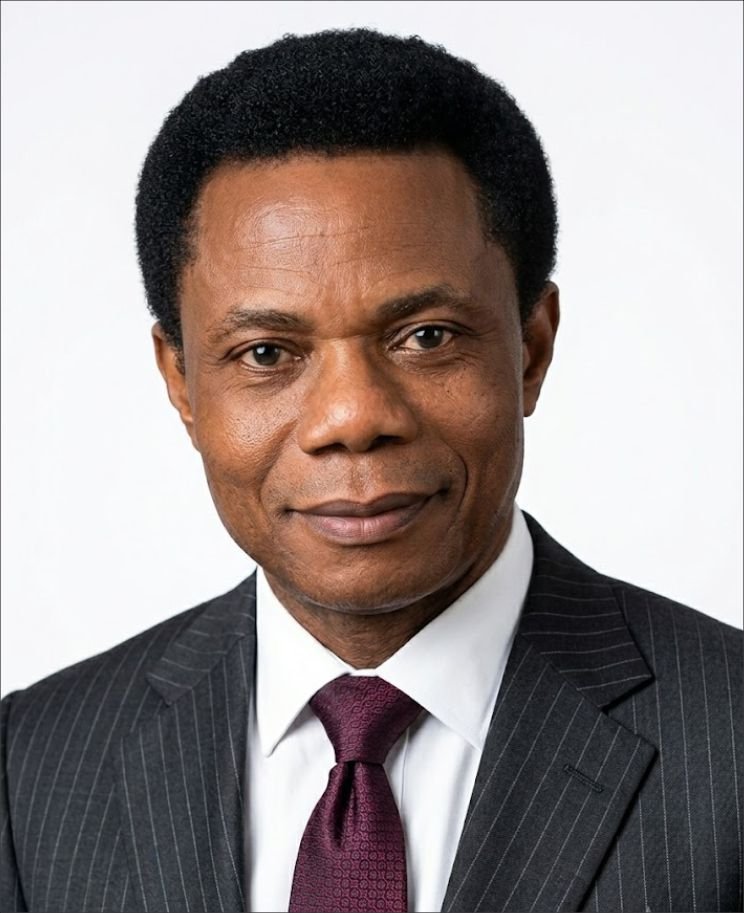
Pyo Merez is a 45-yeard old husband, father, and a chemical engineer by profession and the founder of Gentsways, a men’s lifestyle site built in honour of his father, Dee Clement. He has been writing about men’s development, style, and character through his father’s lens since 2021, drawing on lived experience, his father’s example, and research from reputable publications. He is not a certified trainer or therapist; where fitness or health topics require it, articles are reviewed by qualified contributors.