
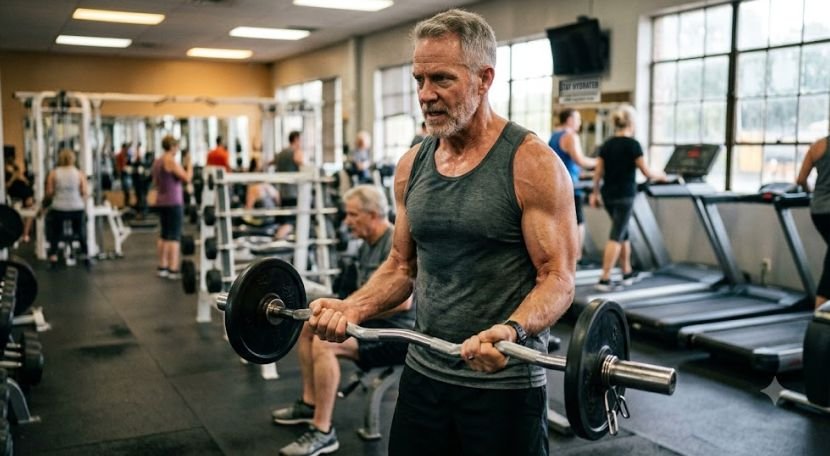
Most men over 40 assume serious muscle growth is behind them. The science disagrees. The mechanisms that drive hypertrophy remain active throughout a man’s life. They simply demand a smarter, more deliberate approach to training, nutrition, and recovery.
Muscle growth is absolutely possible at 40, 50, and well beyond.
The mechanisms that drive it mechanical tension, metabolic stress, protein synthesis, satellite cell activation remain operational throughout a man’s life. They simply require a more deliberate approach.
That said, older men face a genuinely harder road than their younger counterparts, particularly around hypertrophy: the increase in muscle fiber cross-sectional area that produces visible mass.
Younger men build size almost accidentally. Older men have to earn it through smarter programming, dialed-in nutrition, and recovery discipline.
This guide is built around that reality. I know you want to dive into how to build muscle quickly, but there is some biology you need to understand so you can work your way to muscle growth effectively. So, be patient and read.
Key Insight: The mechanisms of muscle growth do not shut down with age; they simply become less forgiving of poor training, poor nutrition, and poor recovery.
Table of Contents
Understanding How Aging Affects Muscle
Aging reduces muscle mass, hormones, and recovery capacity, but it doesn’t make building muscle impossible.
Resistance training, proper nutrition, and smart recovery remain powerful tools for older men to preserve strength, physical function, and quality of life as they age.
What is Sarcopenia?
Sarcopenia is the progressive, age-related loss of skeletal muscle mass and strength. It begins around age 30 and accelerates over time.
Men lose 3% to 8% of muscle mass per decade after 30.
Reduced muscle mass is associated with falls, fractures, metabolic slowdown, insulin resistance, cardiovascular disease, and decline in quality of life.
Critical Point: Sarcopenia is not inevitable. Regular resistance training and adequate protein intake are the two most powerful tools available for reversing and preventing age-related muscle loss.
Hormonal Shifts: Testosterone, Growth Hormone, and IGF-1
Three hormones play central roles in muscle growth, and all three decline with age.
Understanding these changes is essential for working with your biology rather than against it.
- Testosterone: Testosterone levels peak in the late teens and early 20s, then decline after 30, reducing protein synthesis, recovery, and muscle fiber size.
- Growth Hormone (GH): GH secretion decreases with age, reducing fat metabolism, tissue repair, and muscle protein synthesis, contributing to more fat and less muscle.
- Insulin-Like Growth Factor 1 (IGF-1): IGF-1 is produced in response to GH. Lower GH levels reduce IGF-1, muscle cell growth, and satellite cell activation.
Anabolic Resistance: The Hidden Barrier
Anabolic resistance is a reduced muscle-building response to exercise and dietary protein in older men.
In younger men, moderate protein intake or training triggers strong muscle protein synthesis, but in older men the same stimulus produces a weaker response.
Older men must work harder and eat more deliberately to achieve the same muscle growth.
More protein per meal, higher training volume per muscle group, and greater focus on recovery are required to support slower muscle rebuilding and maintain progress.
Changes in Muscle Fiber Composition
Human muscle has Type I slow-twitch fibers for endurance and Type II fast-twitch fibers for power and size.
With age, there is a preferential loss of Type II fibers, and remaining fibers become smaller and less efficient.
Training must adapt. Exercise selection and rep ranges that recruit fast-twitch fibers, compound lifts, moderate-to-heavy loads, and explosive effort become more important for older men aiming to effectively preserve and rebuild muscle size and strength.
Recovery Takes Longer
Younger muscles recover faster due to better inflammatory resolution, higher anabolic hormone levels, and stronger satellite cell activity.
Older muscles repair and rebuild more slowly after hard training sessions, sometimes significantly so.
Training too frequently or with excessive volume before recovery is complete is a major cause of stalling and injury.
This does not mean training less, but training smarter.
It requires more rest between sessions, careful management of weekly training volume, and understanding that recovery is not downtime but the phase where muscle growth actually happens.
Why Muscle Mass is Harder to Build With Age
- Reduced Muscle Protein Synthesis: Older men experience slower, weaker protein synthesis responses after training, requiring more consistent protein intake and resistance work.
- Hormonal Changes and Their Impact: Lower testosterone and growth hormone reduce anabolic signaling, slow recovery, and negatively affect muscle gain and body composition.
- Slower Recovery Capacity: Aging slows inflammation resolution, meaning older muscles need more recovery time to avoid fatigue, injury, and performance decline.
The Science Behind Muscle Growth in Older Men
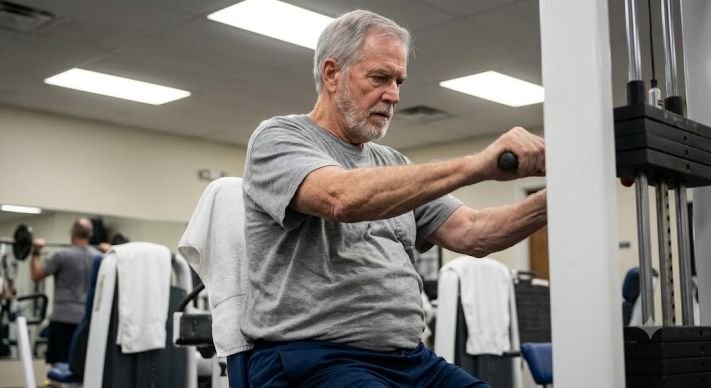
How Hypertrophy Works
Muscle hypertrophy, the increase in the size of individual muscle fibers, is driven by three primary mechanisms, all of which remain active in older men.
Understanding them clarifies why certain training approaches work better than others.
- Mechanical Tension: The primary driver of muscle growth. Heavy loads across a full range of motion trigger anabolic signaling, making compound lifting essential for any serious muscle-building program.
- Metabolic Stress: Byproducts like lactate and phosphate build up during training, creating an anabolic environment through hormonal signaling, explaining why higher-rep, shorter-rest training effectively builds muscle.
- Muscle Damage: Eccentric movements cause microscopic fiber damage, triggering a repair response that produces larger, stronger muscles. This mechanism also explains post-workout soreness at moderate training loads.
Research: Older Men Can Build Real Muscle
A robust body of scientific literature confirms that older men respond to resistance training with genuine hypertrophy. Says Nationtal Health Institute
Studies have demonstrated meaningful increases in muscle cross-sectional area in men in their 60s, 70s, and even 80s following structured resistance training programs.
A landmark meta-analysis published in the British Journal of Sports Medicine found that older adults gained comparable amounts of muscle relative to baseline as younger adults when training protocols were matched, though absolute gains were somewhat smaller.
Critically, the research shows that the response is dose-dependent: programs with higher training volume and greater progressive overload produce superior results.
Older men who train with the same seriousness as younger lifters, progressively overloading, eating adequate protein, and prioritizing recovery, achieve results that far exceed what most people believe is possible.
Research Takeaway: Studies consistently show that men in their 60s, 70s, and even 80s can build measurable muscle mass with properly structured resistance training. Age reduces the ceiling, but it does not close the door.
Key Differences: What Older Men Need More Of
The core principles of hypertrophy are universal. The application differs.
Compared to younger men, those over 40 require:
- More protein per meal to overcome anabolic resistance. Research suggests a minimum of 40g of high-quality protein per meal to maximally stimulate muscle protein synthesis in older men, versus 20-25g in younger men.
- More total training volume per muscle group per week to achieve the same hypertrophic stimulus. A younger man might grow on 10 sets per muscle group weekly; an older man may need 14-16 sets to achieve similar results.
- More recovery time between sessions. Muscles that have been adequately stimulated need time to complete the repair and rebuilding process. Cutting this short stalls progress and increases injury risk.
- Greater focus on sleep quality, as this is when the majority of anabolic hormone secretion and tissue repair occurs.
The Role of Satellite Cells
Satellite cells repair and grow muscle fibers when activated by training. While their response slows with age, they remain functional.
Testosterone, IGF-1, and growth hormone support their activation, making sleep, body fat management, and stress reduction essential for older men building muscle.
The Core Training Principles for Muscle Growth
Progressive Overload for Hypertrophy
Progressive overload drives muscle growth by gradually increasing weight, reps, or sets over time.
Older men should progress slowly, adding 2.5–5 lbs every one to two weeks.
Long-term consistency matters more than short-term intensity for sustainable muscle growth.
Training Volume for Growth
Volume, measured in weekly sets per muscle group, is the primary hypertrophy driver.
Older men should start at 10–12 sets weekly and increase gradually.
Monitoring sleep, recovery, and performance ensures volume stays balanced for consistent, sustainable progress without compromising recovery.
- Beginner (first 6 months): 10-12 sets per muscle group per week
- Intermediate (6-24 months): 12-16 sets per muscle group per week
- Advanced (2+ years): 14-20 sets, with deload weeks every 4-8 weeks
Time Under Tension
Time under tension (TUT) is the duration a muscle stays under load during a set.
Research shows 30–70 second sets with moderate reps and controlled tempo are most effective for hypertrophy and muscle growth stimulus.
For older men, 2–3 second eccentric phases are especially important. They improve fiber recruitment, increase stimulus, and reduce momentum-related injury risk.
Practical application includes a 2-second lowering phase, brief pause, and controlled lifting phase to maximize muscle demand while protecting joints.
Best Workout Split for Older Men
Upper/Lower Split
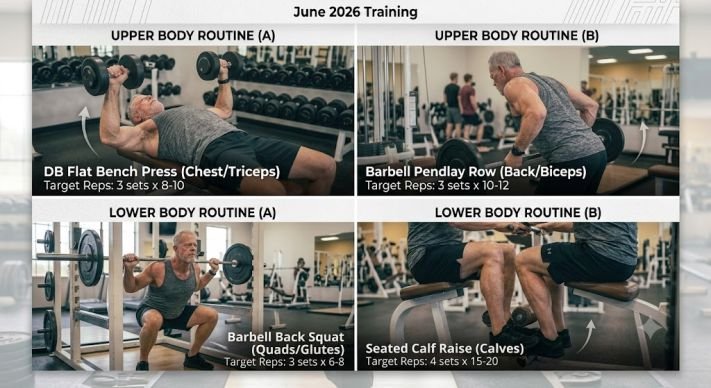
The upper/lower split divides training into upper body days (chest, back, shoulders, arms) and lower body days (quads, hamstrings, glutes, calves), alternating across the week.
This structure allows each muscle group to be trained twice per week, the frequency most consistently associated with optimal hypertrophy in research, while providing adequate recovery between sessions.
A typical 4-day upper/lower week might look like: Monday upper, Tuesday lower, Thursday upper, Friday lower.
This is an excellent choice for intermediate lifters who have moved beyond full-body training but want to maximize frequency without excessive volume per session.
Push/Pull/Legs (Modified for Recovery)
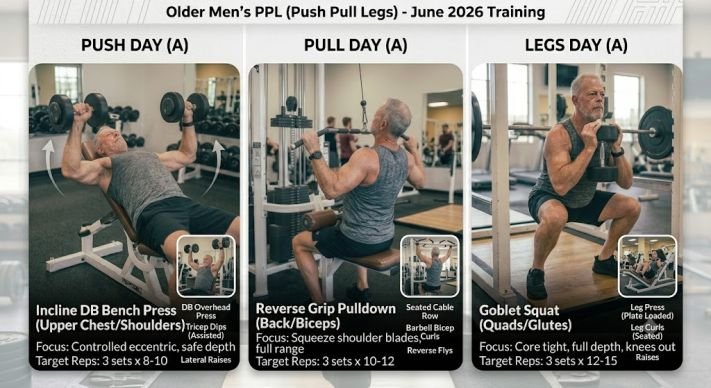
The push/pull/legs (PPL) split organizes training by movement pattern: push days cover chest, shoulders, and triceps; pull days cover back and biceps; leg days cover the lower body.
Run as a 6-day-per-week program, PPL is extremely effective for building volume, but it is often too demanding on recovery for older men.
A modified PPL run over 6 days with one rest day, or stretched to a 9-day rotating cycle, can work well for older men with solid training bases.
The key modification is reducing per-session volume compared to younger lifter recommendations: 3-4 working sets per exercise rather than 4-5, and fewer total exercises per session.
Full Body Training (Beginner or Returning Lifters)
For men new to resistance training or returning after a long break, full-body training 2-3 times per week is the most effective starting structure.
Each session works all major muscle groups through compound movements, providing maximum frequency of stimulus with manageable total volume per session.
The off days provide ample recovery, and the lower volume per session reduces muscle damage and soreness as the body adapts.
A simple full-body program might include: squat pattern, hinge pattern, horizontal push, horizontal pull, and vertical push or pull. Two to three sets per exercise, 3 days per week.
This structure builds the movement competency and training base required to progress to higher-volume splits.
Best Exercises for Muscle Mass
Compound Lifts: The Foundation
Compound exercises, movements that involve multiple joints and recruit large amounts of muscle mass, form the irreplaceable core of any hypertrophy program.
For older men, they offer a crucial advantage: they provide the greatest hypertrophic stimulus per unit of training time and recovery cost.
The following compound movements should form the backbone of training:
Squats

The squat is the foundational lower body compound movement for building quad, glute, and hamstring mass.
The barbell back squat is the gold standard, but goblet squats and leg press are valuable alternatives for older men with hip or knee limitations.
Prioritize depth, controlled tempo, and proper bracing over heavy loads to protect joints and maximize stimulus.
Bench Press
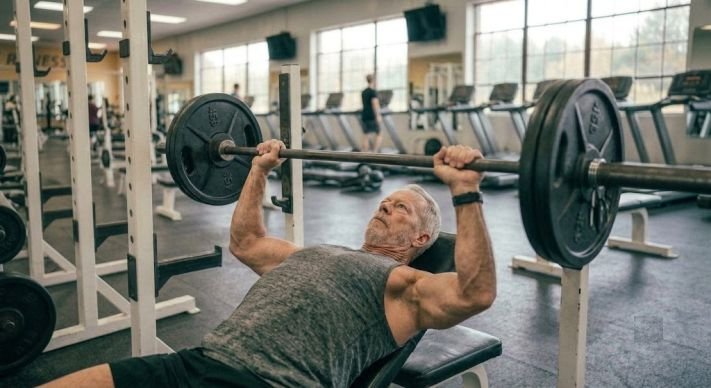
The bench press is the primary horizontal push movement for chest, anterior deltoid, and triceps development.
Dumbbell variants reduce shoulder stress and are often preferable for older men with shoulder history.
Control the eccentric phase, avoid flaring the elbows excessively, and prioritize a full range of motion over maximum load for long-term shoulder health.
Deadlifts (Modified if Needed)
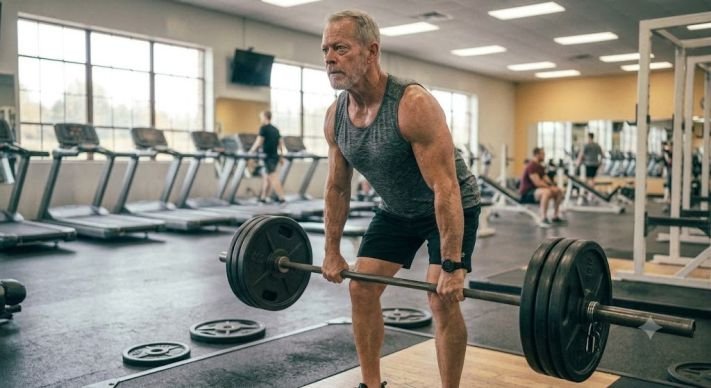
The deadlift is among the most powerful total-body stimulus movements available.
The trap bar deadlift is an excellent alternative for older men, placing less stress on the lumbar spine while delivering similar muscular demand.
Romanian deadlifts are particularly effective for hamstring and glute development and should be a staple in any lower body program.
Rows
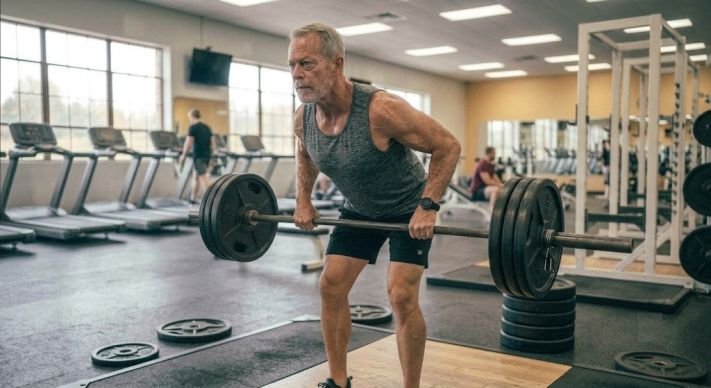
Barbell, dumbbell, and cable rows are essential for building back thickness and maintaining shoulder health.
A balanced push-to-pull ratio is particularly important for older men to protect shoulder joint integrity over time.
Prioritize full range of motion and a controlled tempo rather than loading too heavily at the expense of proper form.
Pull-Downs and Pull-Ups
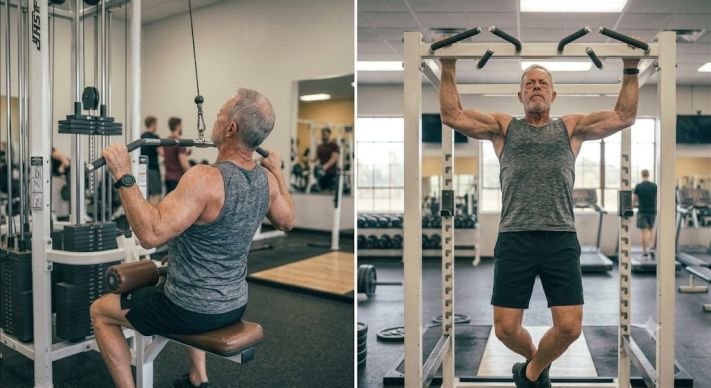
Vertical pulling movements develop the latissimus dorsi and contribute significantly to upper body width and strength.
Lat pulldowns are a practical and accessible alternative for men who cannot yet perform bodyweight pull-ups.
Both movements should be performed through a full range of motion with controlled tempo to maximize lat engagement and minimize shoulder strain.
Isolation Work: Shape and Balance
Isolation exercises target individual muscles through single-joint movements.
While they should not replace compound lifts, they serve an important role in addressing lagging muscle groups, increasing volume for specific areas without adding systemic fatigue, and contributing to the cosmetic detail that makes a physique impressive beyond basic size.
Biceps Curls
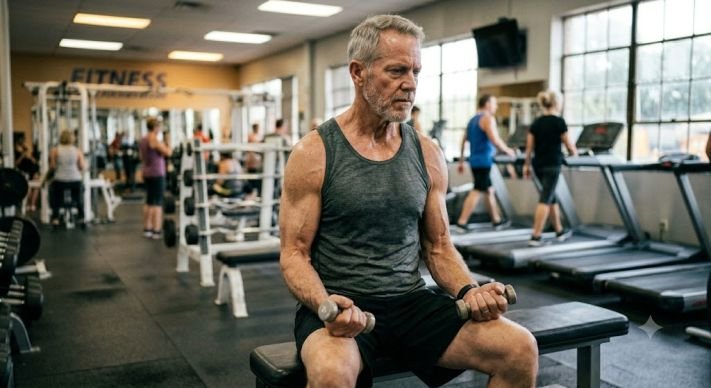
Barbell, dumbbell, and cable variations all effectively target the biceps.
For older men, dumbbell and cable variations are gentler on the wrists and elbows while still delivering strong stimulus.
Perform 2–3 sets at the end of a pull session, taking each set close to failure.
Controlled tempo and full range of motion matter more than heavy loads.
Triceps Extension
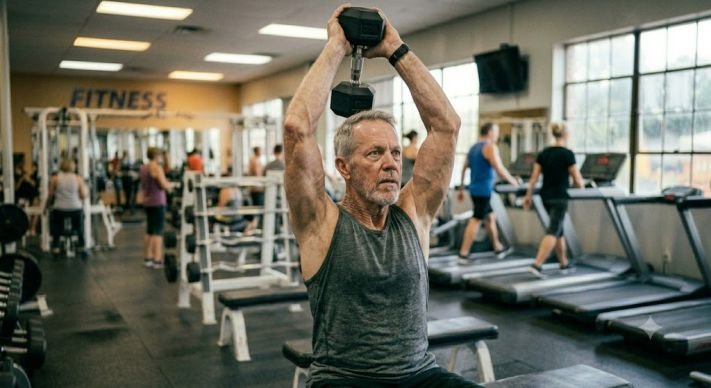
Overhead extensions and cable pushdowns are the two most effective triceps isolation movements available.
The triceps comprise roughly two-thirds of upper arm mass, making dedicated isolation work essential for anyone serious about arm size.
For older men, cables offer consistent tension throughout the movement and reduce joint stress compared to heavy dumbbell overhead extensions.
Lateral Raises
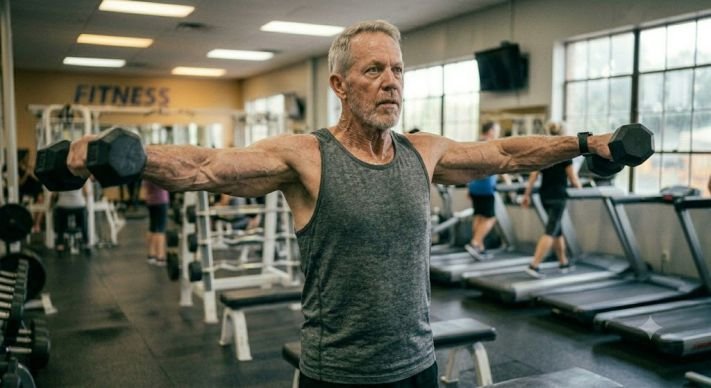
Lateral raises are essential for building shoulder width and achieving the capped deltoid look that broadens the upper body.
Cable lateral raises offer superior tension at the top of the movement compared to dumbbells, making them the more effective option.
Perform 2–3 sets per session with controlled tempo, avoiding momentum to fully engage the medial deltoid.
Leg Extensions and Leg Curls
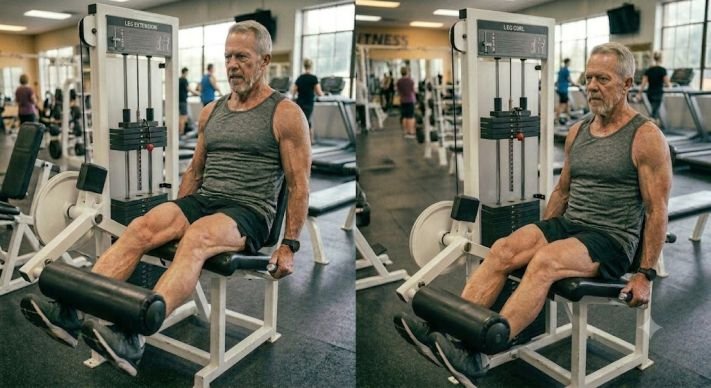
Leg extensions and leg curls provide targeted quad and hamstring isolation that complements compound lower body movements like squats and deadlifts.
They are particularly useful for identifying and correcting strength imbalances between the two muscle groups, a common issue in older men.
Include 2–3 sets of each at the end of lower body sessions for balanced development.
Nutrition for Muscle Mass Gain in Older Men
Caloric Surplus Done Right
Building muscle requires energy. While experienced lifters can make modest gains at maintenance calories, particularly those returning from a break, sustained hypertrophy in most cases requires a caloric surplus: consistently eating more calories than the body burns.
For older men aiming to maximize muscle gain while minimizing fat accumulation, a modest surplus of 200-400 calories per day above maintenance is the evidence-based sweet spot.
Larger surpluses do not build muscle faster; they primarily accelerate fat gain.
Because older men already face a tendency toward increased fat storage due to declining metabolic rate and hormonal changes, precision matters.
Track calories at least loosely for the first 4-8 weeks to establish what maintenance actually is for your activity level, then add the modest surplus systematically.
High Protein Intake
Protein is the building block of muscle tissue, and getting enough of it is non-negotiable for hypertrophy.
The evidence-based recommendation for older men actively trying to build muscle is 1.6-2.2 grams of protein per kilogram of body weight per day, significantly higher than standard recommendations for sedentary individuals, and higher than what younger men need, due to anabolic resistance.
For a 90kg (200 lb) man, this means 145-200g of protein daily.
Distribute this across 3-5 meals to maximize MPS stimulation.
Each meal should contain at least 40g of high-quality protein to clear the ‘leucine threshold’ required to trigger robust muscle protein synthesis in older men.
Best protein sources for muscle building include:
- Lean beef, chicken breast, turkey, and pork tenderloin
- Eggs and egg whites
- Greek yogurt, cottage cheese, and low-fat dairy
- Fatty fish: salmon, tuna, sardines (also provide beneficial omega-3s)
- Whey protein and casein protein supplements for convenient high-quality protein
- Legumes, tempeh, and edamame for plant-based options (combine sources for complete amino acid profiles)
Carbohydrate Timing for Performance
Carbohydrates are the primary fuel source for high-intensity resistance training and should not be feared or minimized in a muscle-building context.
Around training sessions, carbohydrate availability directly influences performance and recovery.
Consuming 30-60g of carbohydrates 1-2 hours before training supports workout intensity; consuming carbohydrates alongside protein post-workout accelerates glycogen replenishment and enhances the anabolic response.
Quality carbohydrate sources include oats, rice, potatoes, fruit, and legumes.
Total carbohydrate intake should be calibrated to support energy needs and training performance rather than strictly minimized.
Men consuming high-protein diets for muscle building often reduce carbohydrates at the expense of performance, a mistake that ultimately limits the training stimulus available to build muscle.
Nutrition Priority: For older men, protein quantity and distribution are more important than any other dietary variable. Get protein right first. Then worry about calories and carbs.
Recovery Strategy for Muscle Growth
Sleep and Muscle Building
Sleep is the most powerful anabolic tool available.
Growth hormone peaks during deep sleep, and poor sleep significantly reduces testosterone, especially damaging for older men whose levels are already lower.
Aim for 7–9 hours nightly. Prioritize consistent sleep schedules, a dark, cool room, no screens before bed, and limited alcohol for optimal recovery and muscle growth.
Rest Days Are Growth Days
Muscle grows between sessions, not during them. For older men, rest days are critical because slower recovery means incomplete repair leads to blunted growth and accumulated fatigue.
Light activity like walking or stretching on rest days promotes blood flow and supports recovery.
Staying sedentary is not ideal, but training hard on recovery days is counterproductive.
Managing Training Fatigue
Chronic fatigue accumulates when training exceeds recovery capacity.
Warning signs include declining performance, persistent soreness, disrupted sleep, and low motivation.
Scheduling deload weeks every 6–10 weeks, reducing volume by 40–60%, allows full recovery and often improves performance afterward.
For older men training seriously, planned deloads are an essential feature of intelligent, sustainable programming.
Common Muscle-Building Mistakes Older Men Make
Training Too Light or Too Safe
Under-loading is the most common mistake older men make in resistance training.
Choosing comfortable weights and stopping far from failure produces minimal muscle growth.
Effective hypertrophy requires working sets taken within 2–3 reps of failure. Train harder than feels safe, but maintain proper form.
Insufficient mechanical tension simply does not trigger meaningful muscle adaptation regardless of consistency.
Not Eating Enough
Many older men chronically under-eat, especially protein, often from years of dieting habits.
Muscle cannot be built without adequate protein and calories.
Most men believing they eat enough protein consume only half the required amount.
Track food intake honestly for at least two weeks, establish a baseline, then deliberately increase protein and overall caloric intake upward.
Copying Young Lifters
Fitness media is dominated by men in their 20s who recover fast and handle high training volumes.
Programs built for them are often counterproductive for men over 40 or 50.
Older men need adequate stimulus with sufficient recovery, not maximum volume.
Find the training dose your body can handle and build incrementally over months with patience.
Supplements That May Support Muscle Mass
Protein Powder
Whey, casein, and plant-based protein supplements make hitting daily protein targets practical without consuming excessive whole food.
Whey absorbs quickly, making it ideal post-workout. Casein digests slowly, making it useful before bed.
One or two daily servings of 25–40g each bridge the gap between what food provides and what muscles require for consistent growth.
Creatine Monohydrate
Creatine monohydrate is the most researched performance supplement available, with over 500 studies supporting its safety and effectiveness.
For older men, it increases high-intensity exercise capacity, supports lean muscle gains, and may offer cognitive benefits.
Take 3–5 grams daily, consistently, with no loading phase needed. It is safe, affordable, and effective for virtually every older man who lifts.
Vitamin D and Omega-3 Fatty Acids
Vitamin D deficiency is common in men and linked to lower testosterone, reduced muscle protein synthesis, and slower recovery.
Supplementing with 2,000–4,000 IU of D3 daily alongside K2 is a sensible baseline.
Omega-3 fatty acids from quality fish oil reduce inflammation and support recovery.
A daily dose of 2–4g of combined EPA and DHA is recommended for men who train seriously.
Supplement Priority: If you take only one supplement, make it creatine monohydrate,5g daily. The evidence for its safety, efficacy, and specific benefits for older men is unmatched in the supplement industry.
Conclusion
Building muscle as an older man is one of the highest-impact health investments available.
Men in their 40s, 50s, and 60s can actively grow muscle, not just slow its decline.
Success requires more protein, deliberate recovery, progressive training taken close to failure, and long-term consistency.
Training, nutrition, and recovery work as an interdependent system. No single element is sufficient alone.
When all three align consistently over time, the results are real, meaningful, and lasting at every age.
Frequently Asked Questions
Can older men really build muscle after 50?
Yes. Men in their 50s, 60s, and beyond can build real muscle with proper training, nutrition, and consistent recovery habits.
How much protein does an older man need to build muscle?
Older men need 1.6 to 2.2 grams of protein per kilogram of body weight daily, significantly more than younger men require.
How many days a week should older men train for muscle growth?
Three to four days weekly is ideal, allowing sufficient training stimulus while giving older muscles the recovery time they genuinely need.
What is the most important supplement for older men building muscle?
Creatine monohydrate is the top supplement. Take five grams daily for improved strength, lean muscle gains, and potential cognitive benefits.
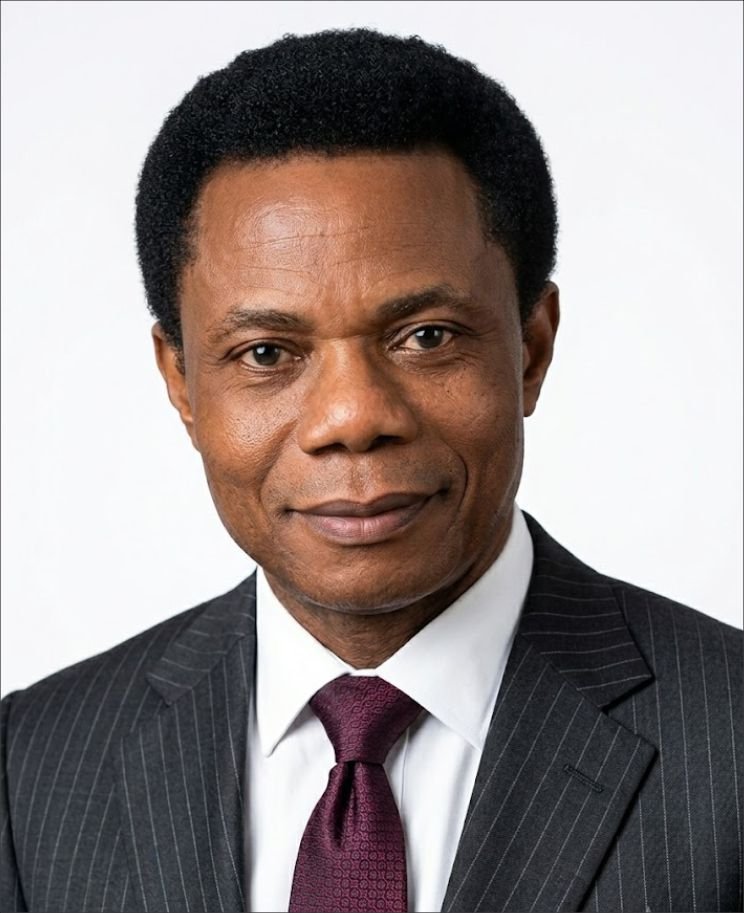
Pyo Merez is a 45-yeard old husband, father, and a chemical engineer by profession and the founder of Gentsways, a men’s lifestyle site built in honour of his father, Dee Clement. He has been writing about men’s development, style, and character through his father’s lens since 2021, drawing on lived experience, his father’s example, and research from reputable publications. He is not a certified trainer or therapist; where fitness or health topics require it, articles are reviewed by qualified contributors.