
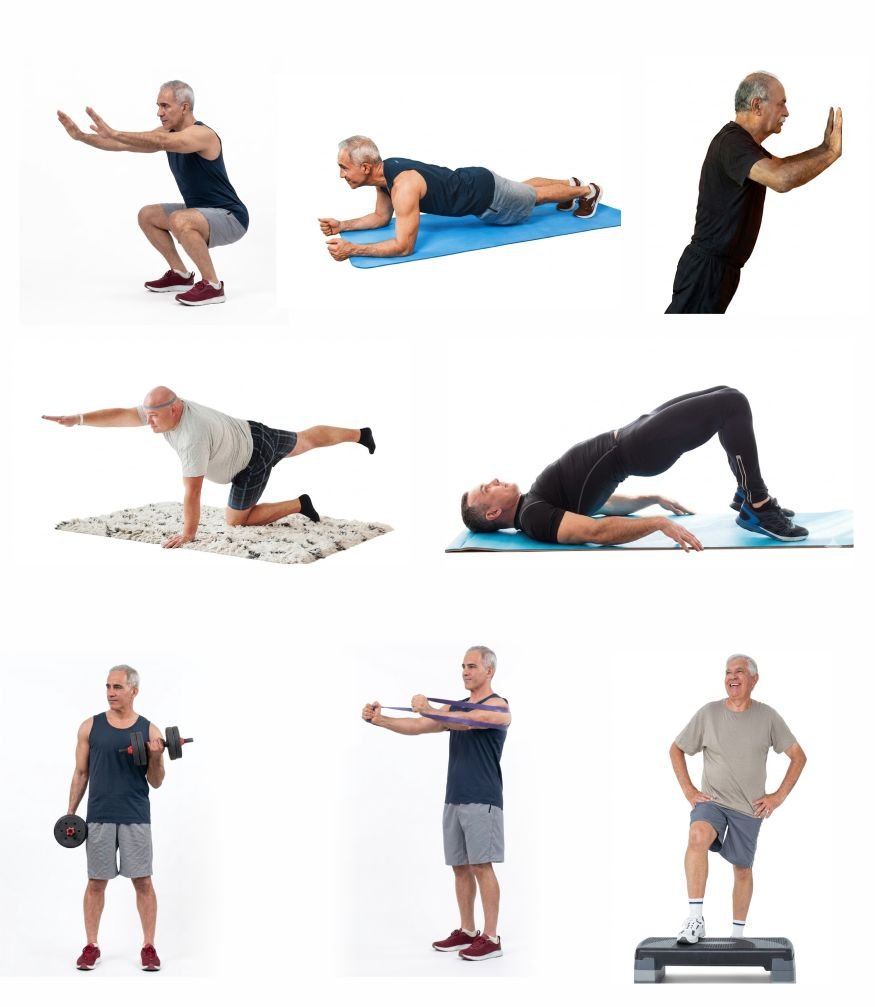
Stay strong, active, and steady in your 60s with full-body workouts for men that build muscle, support joint health, improve balance, and increase daily energy without long or difficult gym sessions.
Many men in their 60s face muscle loss, stiff joints, low stamina, slower metabolism, and weaker balance.
Daily tasks like stairs, lifting, and walking feel harder due to reduced activity and aging.
Bone strength and posture decline, raising fall risk.
Staying active supports muscle strength, balance, mobility, and daily movement.
Full-body workouts help maintain muscle mass, flexibility, and posture without excess joint stress.
Strength training, resistance bands, bodyweight moves, and low-impact routines improve stamina and movement.
Regular exercise supports heart health, bone strength, circulation, and healthy aging.
In this post, guidance on workouts, safety, and home or gym training considerations is provided.
And at the bottom of this page, you will see important related posts that will help you with older men’s health and wellness.
If you are new to older men’s fitness and wellness, start here.
Table of Contents
What Are Full-Body Workouts?
Full-body workouts are exercises that train all major muscle groups, legs, back, chest, shoulders, arms, and core, in a single session.
For men in their 60s, these routines use simple bodyweight, resistance bands, or light weights to build strength, improve balance, support joint health, and boost daily energy without long gym sessions.
Why Full-Body Workouts Are Important for Men Over 60
Full body workouts help men in their 60s stay active, maintain strength, support mobility, improve balance, and manage daily movement with greater ease.
- Boosting heart health and daily energy: Regular exercise supports healthy blood circulation, improves stamina, increases energy levels, and helps men stay active throughout daily routines.
- Maintaining muscle mass with age: Regular strength training helps reduce age-related muscle loss, supports physical function, improves endurance, and makes lifting, walking, and movement easier daily.
- Supporting joint health and mobility: Low-impact full-body exercises help reduce stiffness, support joint movement, improve flexibility, and keep daily activities comfortable and manageable longer.
- Improving balance and stability: Full-body exercises and strength workouts help reduce fall risks, improve coordination, support posture, and increase confidence during daily physical activities.
- Helping with weight management and metabolism: Full-body workouts help burn calories, support metabolism, reduce body fat, and maintain healthy weight levels during the aging process.
Things to Consider Before Starting
Before beginning a full-body workout routine, it helps to prepare your body, understand your limits, and choose safe movements that support long-term fitness and joint protection.
- Talking to your doctor before exercise: A medical check helps identify heart conditions, joint issues, or other risks, so you can start exercise safely with proper guidance and confidence.
- Choosing low-impact workouts: Low-impact exercises reduce pressure on joints, support safer movement, and help build strength gradually without causing pain or unnecessary strain during training sessions.
- Starting slowly and progressing safely: Begin with light resistance, short sessions, and simple movements, then increase intensity gradually to allow your body adapt and prevent injuries or fatigue.
- Paying attention to recovery and rest: Rest days help muscles recover, reduce soreness, and support strength growth, making workouts more effective and sustainable for long term fitness.
- Using proper form to avoid injury: Correct exercise form protects joints, improves results, and reduces injury risk, ensuring each movement supports strength, balance, and safe physical progress.
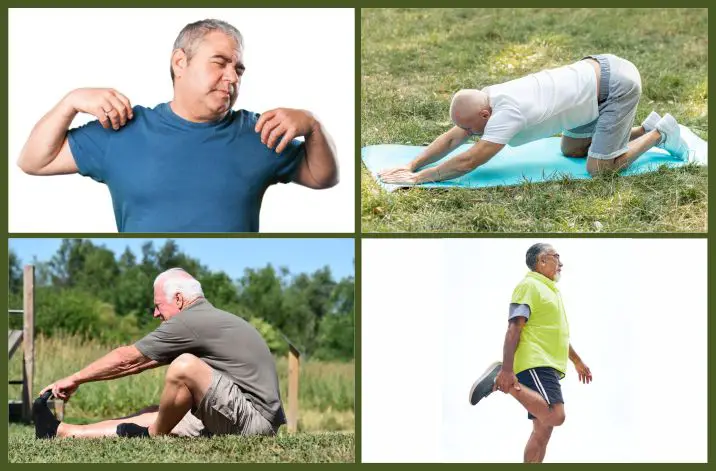
Best Warm-Up Exercises Before a Full-Body Workout
A proper warm-up prepares your muscles, joints, and heart for exercise, reduces injury risk, and helps improve movement quality during full-body workouts.
- Marching in place: Raises heart rate gently, activates leg muscles, and improves blood flow, helping your body prepare for more intense strength and mobility exercises ahead.
- Arm circles: Loosens shoulder joints, improves upper body mobility, and increases circulation, making pressing, lifting, and resistance exercises smoother and more controlled during training.
- Gentle bodyweight squats: Activates lower body muscles, warms up knees and hips, and builds early movement awareness before starting deeper strength training routines or resistance work.
- Shoulder rolls and hip rotations: Improves joint flexibility, reduces stiffness, and prepares key movement areas, supporting smoother transitions between exercises in full-body workout sessions.
- Light stretching for flexibility: Helps loosen tight muscles, improve range of motion, and reduce stiffness, allowing safer and more effective movement during workouts.
Best Full Body Workouts for Men in Their 60s
These targeted routines help you build total-body strength, improve daily mobility, and maintain steady energy with simple moves you can do at home.
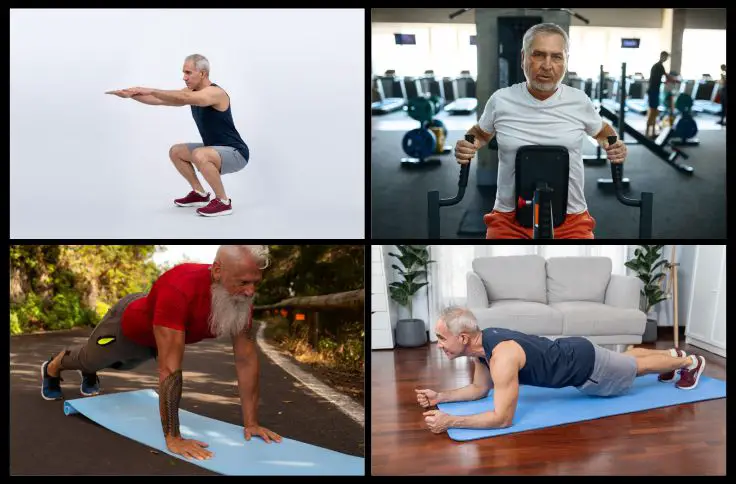
Bodyweight Squats
Stand with feet shoulder-width apart, toes slightly turned out. Push your hips back as if sitting in a chair, then drive through your heels to stand tall.
Keep your chest lifted and knees tracking over toes. Perform 8 to 12 slow reps per set.
This move strengthens your entire lower body while teaching proper movement patterns that protect your joints.
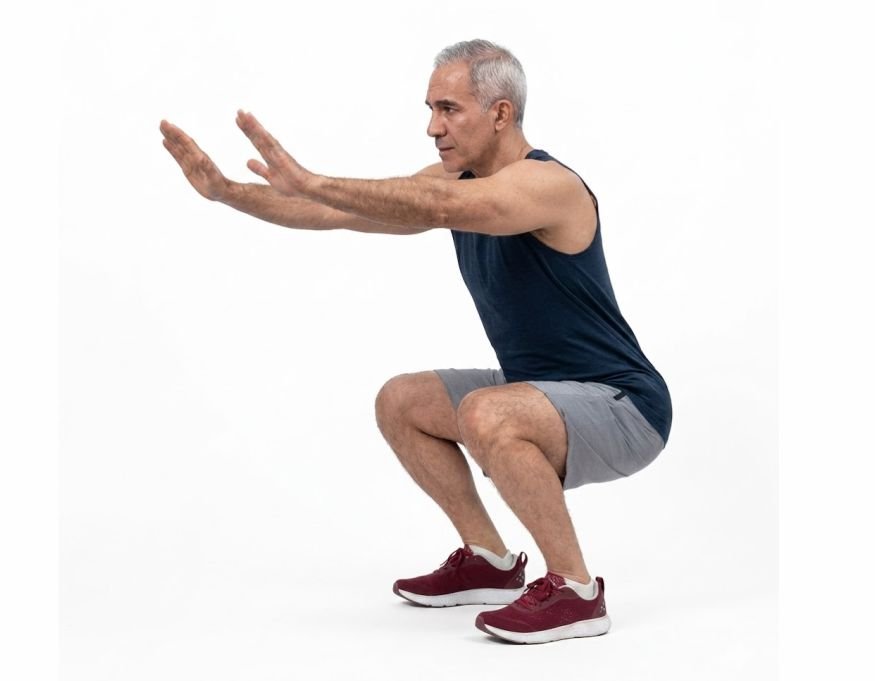
- Benefits for legs, hips, and balance: Regular squats build powerful quads, glutes, and hips so you walk steadier and climb stairs with less effort.
- Proper squat form for older adults: Keep your back straight, core engaged, and descend only as far as comfortable to avoid knee or lower back stress.
- Beginner-friendly modifications: Hold onto a sturdy chair for support, or reduce the depth until your legs grow stronger.
Wall Push-Ups or Incline Push-Ups
Face a wall with feet hip-width apart and hands at shoulder height. Bend your elbows to lean in, then push back to straight arms.
Keep your body in one straight line.
Do 8 to 15 controlled reps. This builds upper-body power without floor pressure.
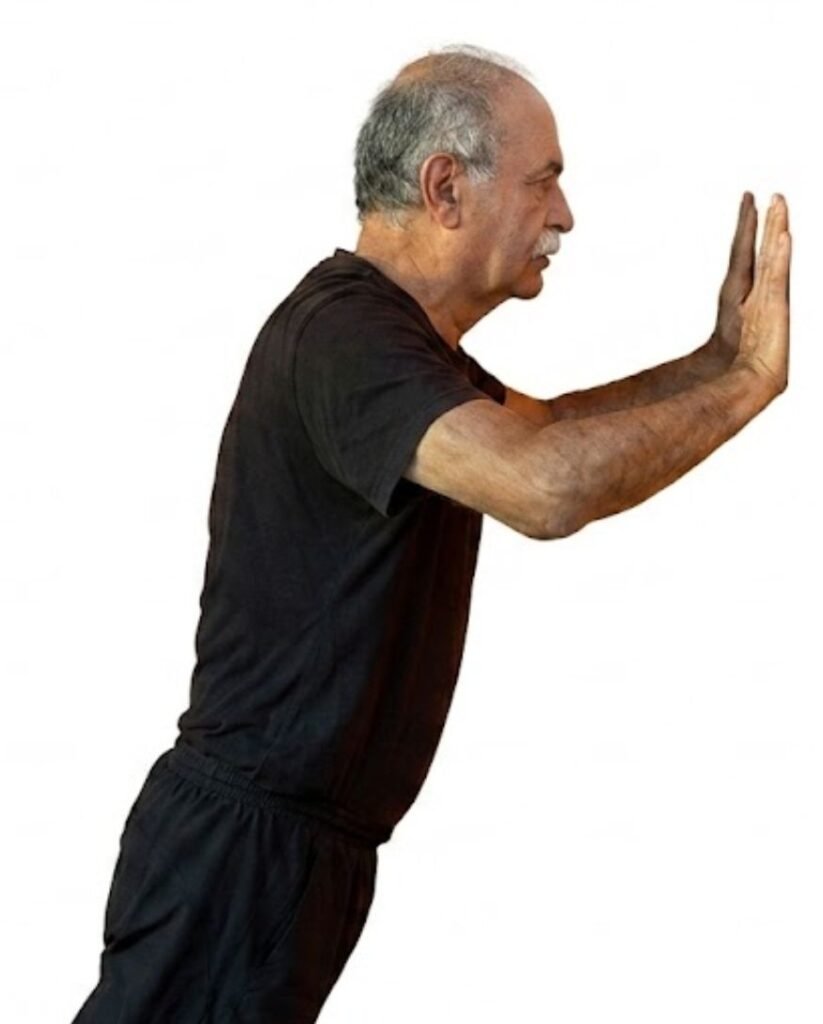
- Upper body strength benefits: These push variations strengthen chest, shoulders, and arms to make daily tasks like carrying bags easier.
- Easier alternatives to floor push-ups: Use a wall or kitchen counter to lower intensity while still working the same muscle groups effectively.
- Tips for shoulder safety: Keep elbows at 45 degrees from your body and stop if you feel any pinching in the shoulder joints.
Seated or Standing Dumbbell
PressSit or stand tall, holding light dumbbells at shoulder level.
Press the weights straight overhead until arms are nearly straight, then lower with control.
Aim for 8 to 12 repetitions. Use weights light enough to keep perfect form.
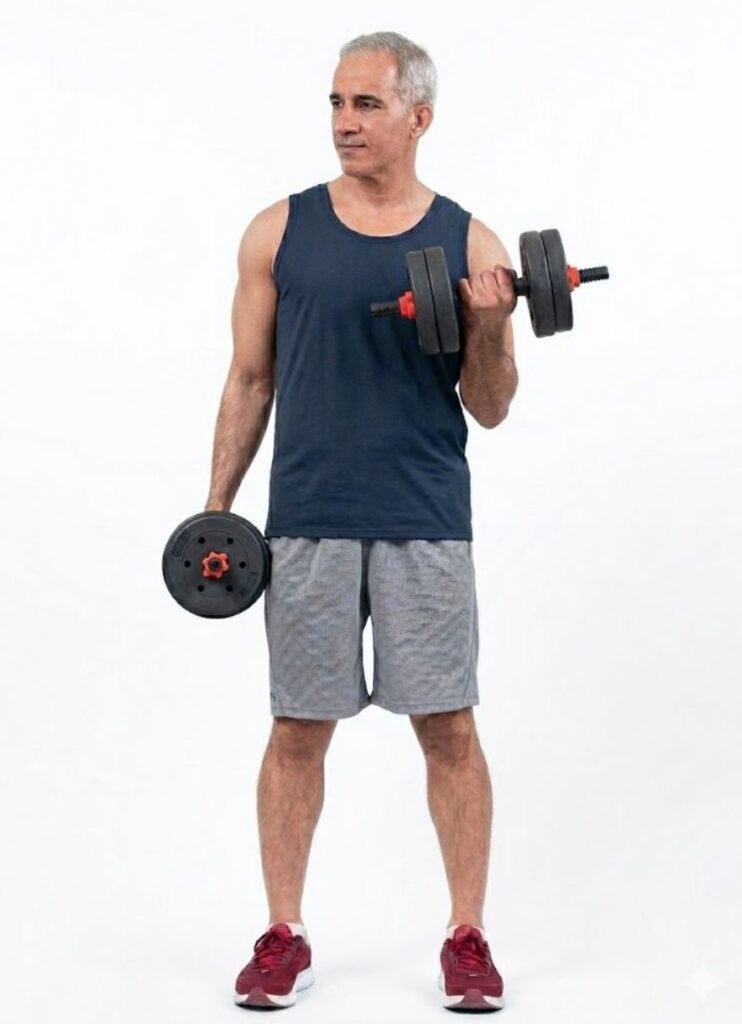
- Strengthening shoulders and arms: This press develops strong shoulders and triceps that support better posture and overhead reaching.
- Using light weights safely: Start with 2 to 5 pound dumbbells or water bottles and increase only when the movement feels easy.
- Avoiding strain during lifting: Keep your core tight and avoid arching your lower back as you press the weights upward.
Resistance Band Rows
Anchor a resistance band at chest height. Pull the handles toward your ribs while squeezing your shoulder blades together, then extend your arms slowly.
Complete 10 to 15 reps.
Bands provide smooth resistance throughout the full range.
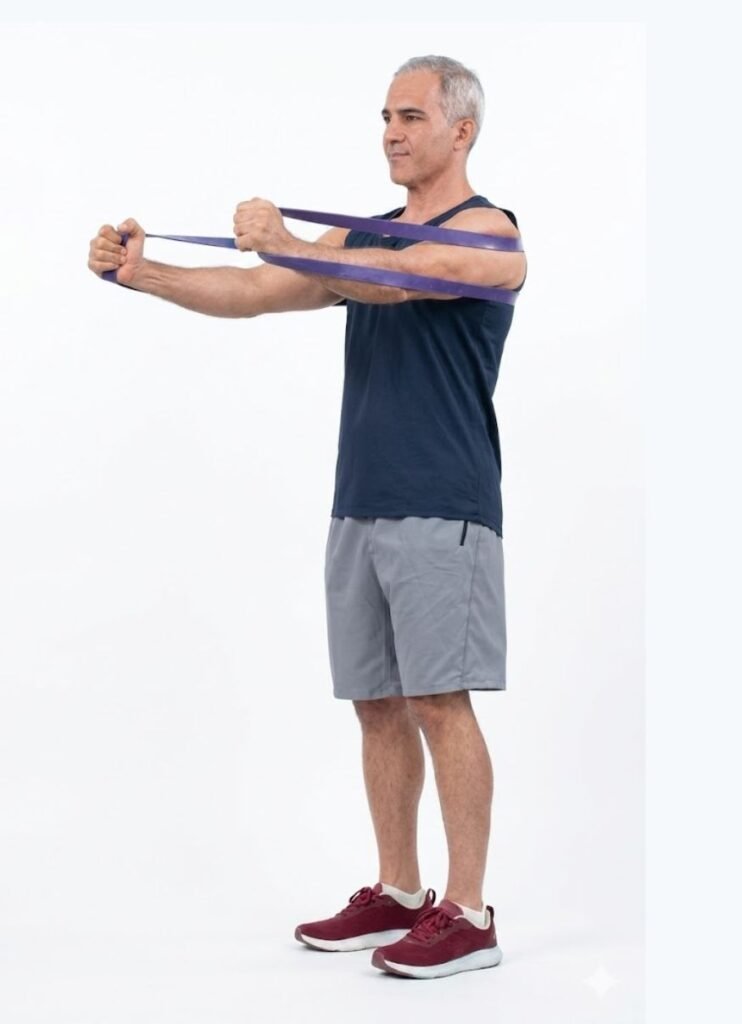
- Improving posture and back strength: Rows strengthen your upper back muscles so you stand taller and reduce rounded shoulder habits.
- Why resistance bands work well for seniors: Bands offer joint-friendly tension that matches your strength level and travels easily for home use.
- Tips for controlled movement: Move slowly on both the pull and release to maximize muscle work and protect your joints.
Step-Ups
Use a sturdy low step or stair. Step up with one foot, drive through the heel, and bring the other knee up.
Step back down with control. Do 8 reps per leg. Hold a railing if needed for balance.
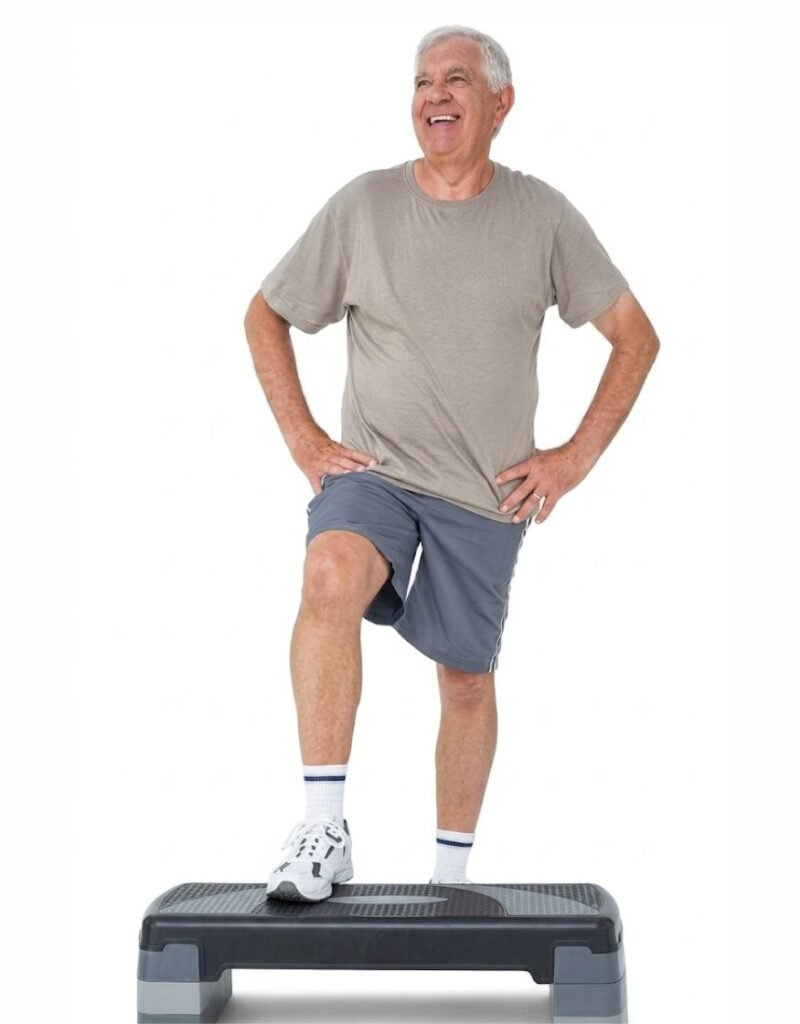
- Building leg strength and coordination: Step-ups train each leg independently to improve walking confidence and reduce fall risk.
- Choosing safe step height: Begin with a 4 to 6 inch step and increase height only when you feel completely stable.
- Balance support tips: Keep your eyes forward and core engaged to stay steady throughout the entire movement.
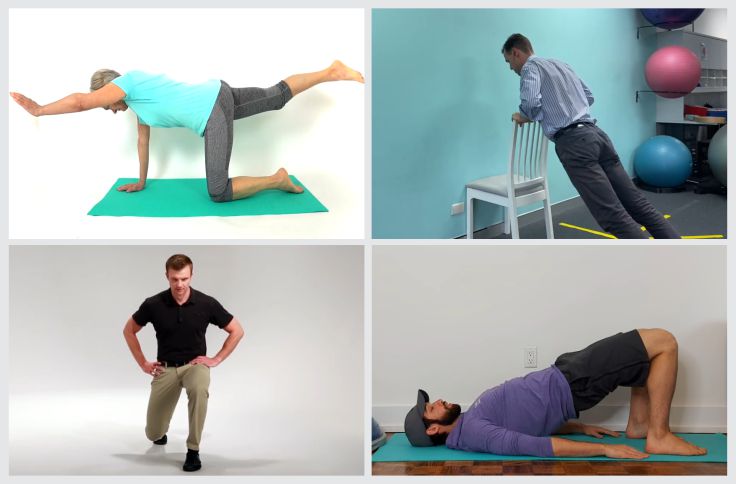
Glute Bridges
Lie on your back with knees bent and feet flat on the floor. Lift your hips toward the ceiling by squeezing your glutes, hold briefly, then lower.
Perform 10 to 15 reps.
Keep your shoulders and upper back on the mat.
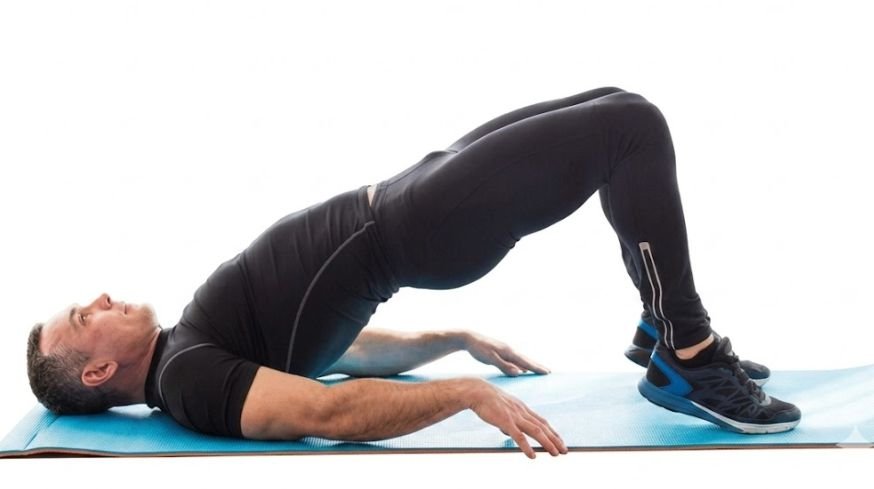
- Supporting lower back and hip stability: Bridges activate glutes and core to ease lower back discomfort and improve hip mobility.
- Strengthening core and glutes: This move builds posterior chain strength that supports better posture and a powerful walking stride.
- Proper positioning for comfort: Place feet hip width apart and press evenly through both heels during the lift.
Bird-Dog Exercise
Start on all fours with hands under shoulders and knees under hips.
Extend one arm forward and the opposite leg back while keeping the hips level. Hold for 3 to 5 seconds, then switch sides.
Do 6 to 10 reps per side.
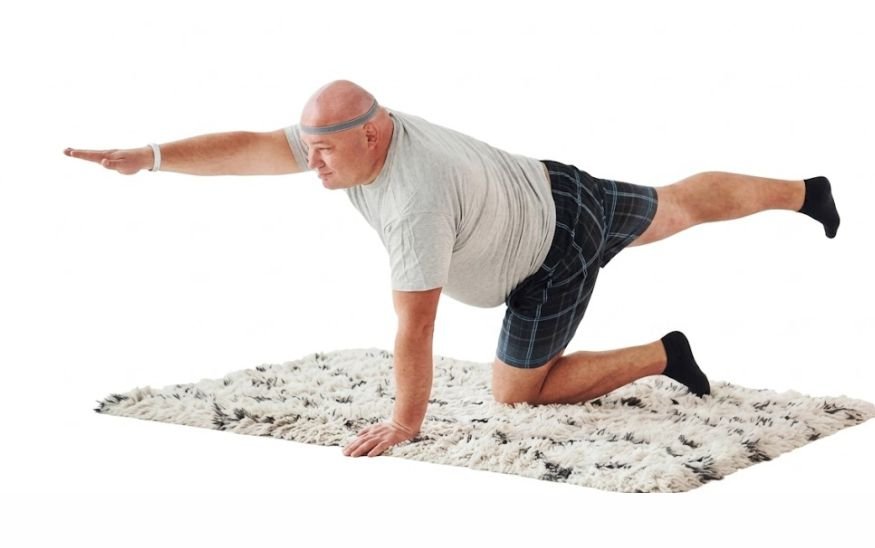
- Improving balance and core control: Bird dog trains deep core muscles that keep you steady during everyday movements.
- Supporting spinal stability: This exercise strengthens muscles around your spine to protect your back during daily activities.
- Simple beginner modifications: Lift only the arm or only the leg first until you master the full opposite side version.
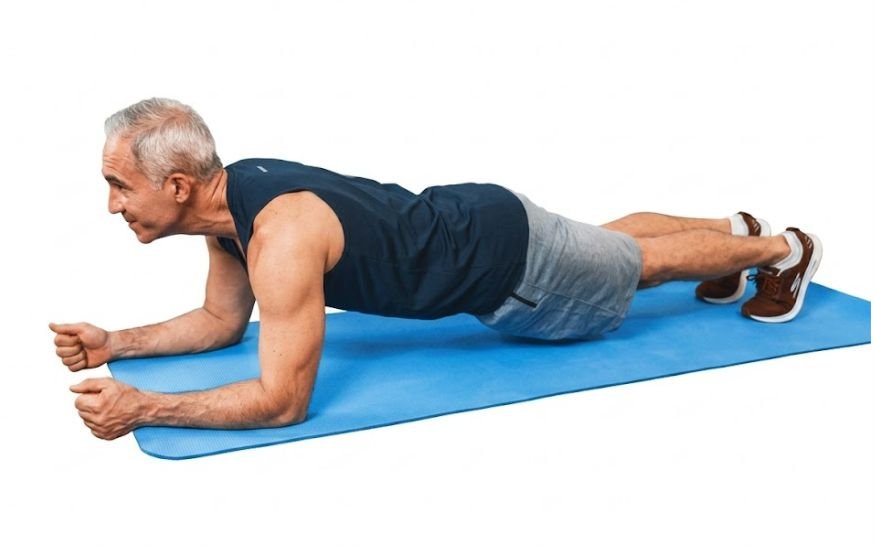
Planks for Core Strength
Start on forearms and toes as seen in the picture below, with the body in a straight line from head to heels. Hold while breathing normally.
Begin with shorter holds and build up gradually. Keep neck neutral.
- Benefits for posture and stability: Planks strengthen your entire core so you sit and stand with better alignment and less fatigue.
- Safer plank variations for older men: Try the forearm plank on knees or against a wall until your full plank endurance improves.
- How long to hold safely: Start with 10 to 20 seconds and add time only when you can maintain perfect form.
Low-Impact Cardio Options to Add
These gentle cardio choices help you raise your heart rate, burn calories, and build endurance while protecting your joints and supporting steady energy every day.
Walking Routines
Put on supportive shoes and head outside or use a treadmill.
Start with a comfortable pace, swing your arms naturally, and maintain an upright posture.
Aim for 20 to 40 minutes most days.
You can break sessions into shorter walks if needed and gradually increase time or add gentle hills.
- Benefits for heart health and daily stamina: Consistent walking strengthens your heart, improves circulation, and leaves you with more energy for everyday activities.
- How to build a sustainable routine: Schedule morning or evening walks at the same time and track steps to stay motivated week after week.
- Tips for proper form and safety: Keep your head up, land heel to toe, and choose flat paths until your fitness level improves.
Stationary Cycling
Sit on a stationary bike with the seat adjusted so your knee stays slightly bent at the bottom of each pedal stroke.
Pedal at a steady pace that feels challenging but comfortable.
Begin with 15 to 30 minutes and increase duration as you get stronger.
You can listen to music or watch shows while cycling.
- Joint-friendly cardio for older men: Cycling gives excellent heart benefits with minimal stress on knees, hips, and ankles.
- Setting up your bike correctly: Adjust handlebars and seat height so you ride with a tall spine and relaxed shoulders.
- Progression tips for steady results: Add light resistance or longer sessions once you can cycle comfortably for 30 minutes.
Swimming or Water Aerobics
Enter a pool and walk, jog, or perform arm movements in chest-deep water.
For swimming, use any stroke you enjoy at a moderate pace. Join a water aerobics class or follow simple moves like leg lifts and arm circles.
Sessions of 20 to 45 minutes work well.
- Benefits of water-based exercise: Water supports your body weight so you move freely while building heart strength and muscle tone.
- Safe techniques for beginners: Stay in shallow water at first, focus on controlled movements, and breathe steadily throughout.
- Making sessions enjoyable and consistent: Choose times when the pool feels calm and bring a friend to keep the habit fun.
Elliptical Workouts
Step onto the elliptical machine and hold the handles lightly.
Move your legs in a smooth gliding motion while keeping your core engaged.
Start with 15 to 25 minutes at low resistance. Focus on upright posture and even strides.
- Full-body low-impact cardio: The elliptical works legs, arms, and core together for efficient calorie burn and better coordination.
- Adjusting settings for comfort: Keep resistance low in the beginning and increase stride length only when ready.
- Tips to stay motivated: Vary programs or pedal backward occasionally to challenge different muscles and prevent boredom.
Light Dancing or Movement Sessions
Clear space in your living room, play favorite music, and move freely with steps, side-to-side shifts, and gentle arm raises.
Follow online videos designed for seniors or simply groove to the beat.
Dance for 15 to 30 minutes while smiling and breathing deeply.
- Fun way to boost heart rate: Light dancing lifts mood, improves balance, and turns cardio into enjoyable daily movement.
- Creating your own simple routines: Mix slow songs with slightly faster ones and repeat favorite steps until they feel natural.
- Staying safe during dance sessions: Wear grippy socks or shoes, keep movements controlled, and hold a chair if balance feels unsteady.
Best Weekly Workout Schedule for Men in Their 60s
This simple weekly plan helps you build strength, improve energy, and stay consistent with short sessions that fit your real life and current fitness level.
Beginner Full Body Workout Plan
Start with two or three full-body sessions per week using the moves you already know.
Perform bodyweight squats, wall push-ups, resistance band rows, glute bridges, and planks.
Complete 8 to 12 reps of each exercise for two rounds. Keep sessions around 25 to 35 minutes.
Rest 60 to 90 seconds between exercises and focus on smooth, controlled movements.
This plan trains your whole body efficiently while allowing full recovery between workouts.
How Many Days to Exercise Weekly
Aim for three strength days and two light cardio days with at least one full rest day.
For example, train Monday, Wednesday, and Friday while adding walks or cycling on Tuesday and Thursday.
This schedule gives your muscles enough work to grow stronger without overwhelming your body.
Listen to how you feel and drop to two strength days if recovery feels slow. Consistency beats intensity at this stage.
Rest Day Importance
Your body repairs and grows stronger on rest days so schedule them intentionally.
Use these days for gentle walks, stretching, or complete relaxation.
Skipping rest can lead to fatigue, sore joints, or stalled progress.
Plan something enjoyable like reading, meeting friends, or light gardening.
Good sleep and proper nutrition on rest days boost your results from training days and keep you motivated long term.
Combining Strength, Cardio, and Flexibility
Mix strength training with short cardio and simple stretches in the same week for balanced results.
Strength days build muscle and bone density while cardio improves heart health and energy.
Add 5 to 10 minutes of gentle stretches or mobility moves at the end of workouts.
This combination supports better posture, joint mobility, and daily function.
You move easier, feel steadier, and reduce injury risk when all three elements work together.
Recovery Tips After Workouts
Smart recovery helps you train consistently, reduce discomfort, and see steady progress in strength and energy without setbacks.
Stretching after Exercise
Spend 5 to 10 minutes gently stretching your major muscle groups right after each session while your body is warm.
Hold each stretch for 20 to 30 seconds without bouncing. Focus on hips, hamstrings, chest, shoulders, and calves.
Breathe deeply and move only to a mild stretch. This practice improves flexibility, eases muscle tension, and supports better joint range of motion for your next workout.
Staying Hydrated
Drink water before, during, and after every session to replace fluids lost through sweat.
Aim for 16 to 20 ounces in the two hours following your workout.
Add a pinch of salt or electrolyte powder if you sweat heavily.
Keep a bottle nearby during the day and track your intake.
Proper hydration speeds muscle repair, maintains energy levels, and prevents cramps or fatigue that can slow your weekly progress.
Importance of Sleep for Muscle Recovery
Get 7 to 9 hours of quality sleep each night so your body can repair muscle tissue and restore hormone balance.
Create a cool, dark bedroom and stick to a regular bedtime routine. Avoid screens one hour before bed.
During deep sleep your muscles rebuild stronger from the work you did earlier.
Consistent good sleep also sharpens focus, lifts mood, and helps you stay motivated to keep showing up for your workouts.
Managing Soreness Safely
Expect mild muscle soreness as a normal response to new activity.
Use light walking, foam rolling, or warm showers to increase blood flow and ease tightness.
Apply ice for 10 minutes if any area feels hot or swollen. Never push through sharp pain.
Scale back intensity for a day or two if needed.
This balanced approach lets you recover fully while continuing steady training and avoiding injuries that could interrupt your routine.
Avoid These Mistakes as a 60-Plus Man
These common errors can slow your progress or cause setbacks. Learn what to watch for so you train safely and keep building strength for years ahead.
- Lifting too heavy too quickly: Start with bodyweight or very light resistance and add weight only after weeks of perfect form to protect your joints.
- Skipping warm-ups and cool-downs: Always spend 5 minutes on light walking plus dynamic moves before training and gentle stretches after to prepare muscles and aid recovery. (23 words)
- Ignoring pain signals: Stop immediately if you feel sharp or joint pain instead of normal muscle effort and rest the area before returning to exercise.
- Poor posture during exercises: Keep your core engaged, chest lifted, and spine neutral in every move to prevent back strain and get better results from each rep.
- Not allowing enough recovery time: Schedule at least one full rest day between strength sessions and listen to your body so muscles repair and grow stronger.
Nutrition Tips to Support Full Body Workouts
Smart eating choices give your body the fuel it needs to recover faster, maintain muscle, and keep your energy steady during weekly training sessions.
- Protein for muscle maintenance: Include lean sources like eggs, chicken, fish, Greek yogurt, and beans in every meal to repair muscle tissue and preserve strength after 60.
- Healthy carbohydrates for energy: Add oats, sweet potatoes, brown rice, fruits, and whole grains to fuel workouts and replenish energy stores without blood sugar spikes.
- Hydration and electrolyte balance: Drink water consistently and add natural electrolytes from coconut water, bananas, or a pinch of salt to prevent fatigue and cramps.
- Foods that support joint health: Eat fatty fish, berries, nuts, olive oil, and leafy greens daily to reduce inflammation and keep joints moving comfortably during exercise.
Home Workout Equipment That Helps
These simple tools make your workouts safer, more effective, and convenient so you can train consistently at home without fancy gym setups.
- Resistance bands: Choose a set with different strengths to add smooth resistance for rows, presses, and leg moves while protecting your joints.
- Light dumbbells: Start with 2 to 10-pound pairs for presses, rows, and squats to build strength gradually with controlled movements.
- Stability balls: Use one for bridges, planks, and core work to improve balance and engage deeper muscles during full-body sessions.
- Exercise mats: Select a thick, non-slip mat for floor exercises, stretching, and comfort during planks or glute bridges on hard surfaces.
- Supportive walking shoes: Invest in cushioned shoes with good arch support for daily walks and step-ups to protect knees, hips, and feet.
Conclusion
You now hold everything needed to stay strong, mobile, and full of energy in your 60s.
Simple full-body workouts, smart recovery, and steady nutrition deliver real results when you stay consistent.
Be patient with your progress, always choose a safe form, and listen to your body.
Small daily efforts add up to easier stairs, confident balance, playful time with grandkids, and a stronger, more capable version of yourself.
Start today, keep showing up, and enjoy the lasting rewards of healthy aging. Your stronger years are just beginning.
Frequently Asked Questions
Can men in their 60s still build muscle?
Yes, men in their 60s can build noticeable muscle with consistent full-body workouts using bodyweight, bands, and light weights, plus good protein and rest.
How long should workouts last?
Most effective full-body workouts for men in their 60s last 25 to 40 minutes, including warm-up and cool-down for optimal results and recovery.
What exercises are safest for aging joints?
Bodyweight squats, wall push-ups, resistance band rows, glute bridges, and planks are among the safest full-body exercises that protect joints while building strength.
Is walking enough for fitness after 60?
Walking is excellent, but combine it with full-body strength sessions two to three times weekly for better muscle and bone density, and overall fitness after 60.



Pyo Merez is a 45-yeard old husband, father, and a chemical engineer by profession and the founder of Gentsways, a men’s lifestyle site built in honour of his father, Dee Clement. He has been writing about men’s development, style, and character through his father’s lens since 2021, drawing on lived experience, his father’s example, and research from reputable publications. He is not a certified trainer or therapist; where fitness or health topics require it, articles are reviewed by qualified contributors.