
Last updated on September 21st, 2026 at 03:59 pm
Most home offices fail within the first month, not from bad taste, but from a desk bought before anyone measured the room, a chair chosen for looks, and lighting nobody planned around the screen sitting in front of them every day.
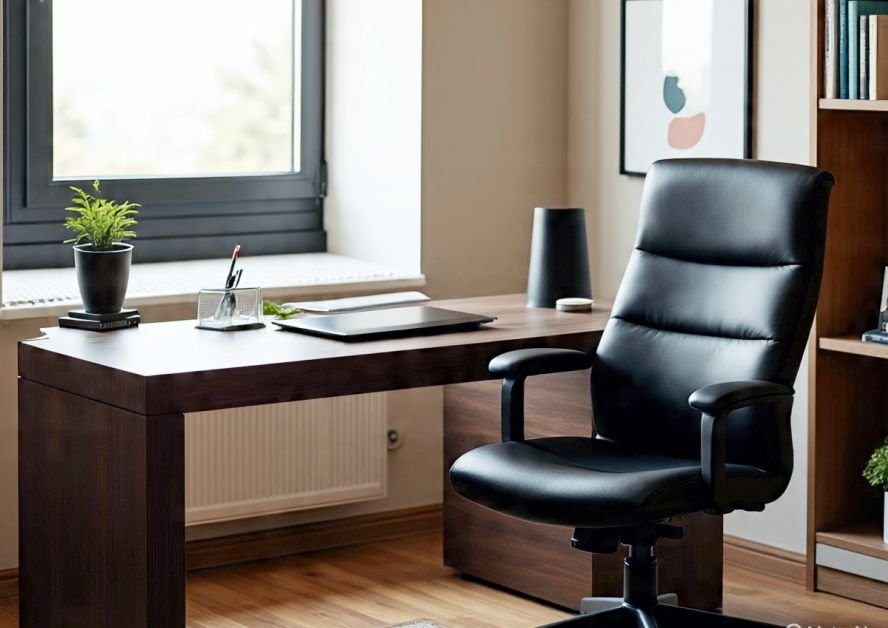
A home office earns its keep only when it’s built to support real work, not just to look presentable on a video call.
Nearly 22 percent of American workers did at least part of their job from home through early 2026, according to Census-based analysis from the Federal Reserve Bank of Minneapolis.
That’s a large share of men who need a workspace built for daily use rather than a corner assembled from spare furniture.
This guide covers choosing the right spot in your home, picking a desk and chair that support your posture, setting up core technology, organizing storage, and building the space in phases that fit your budget.
Table of Contents
What a Home Office Setup Actually Means (and Why It’s Worth Building Right)
A home office setup means a dedicated space built around how you actually work, not a laptop balanced on a kitchen table between meals.
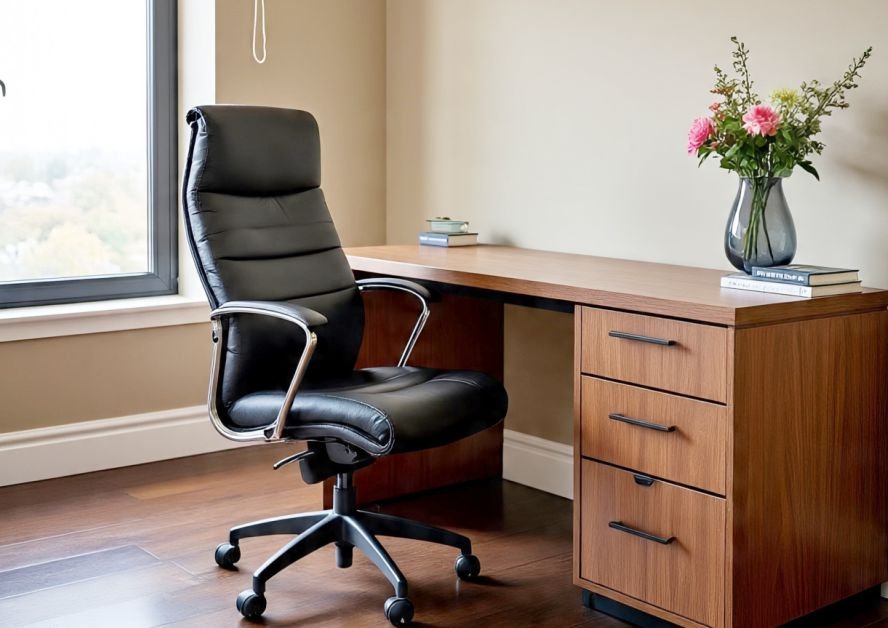
It includes a desk and chair suited to your body, the technology you use daily, and storage that keeps documents and gadgets out of sight until needed.
What separates a real setup from a makeshift one is intention; the space gets planned around your actual job, not whatever furniture happened to be free.
Every man working from home, even occasionally, benefits from getting this right.
A dedicated space signals to the rest of the household when you’re working, which protects both your concentration and your family’s routine.
It also protects your body across years of daily use, since posture and eye strain compound quietly until they become real problems.
Gentsways’ guide to men’s home and living touches on this same idea: a room built entirely for you doesn’t need to be large to matter; it just needs real planning behind it.
Choosing the Right Spot in Your Home
Not every home has a spare room to convert, and a corner of an existing room works fine if it’s set up with intention.
- A spare bedroom or den gives you a door to close and the clearest separation between work and the rest of the house.
- A corner of the living room or bedroom works for men in smaller apartments, as long as it stays visually separate from the space around it.
- A converted garage or basement nook suits men who want full distance from household noise and foot traffic.
- Natural light should hit your desk from the side rather than directly behind your screen, which cuts down on glare during video calls.
- Noise levels matter as much as square footage; a quiet corner beats a larger room next to a laundry machine or a busy hallway.
Pick the location based on how you actually work; a day full of video calls needs different noise control than long stretches of heads-down writing.
Desk and Chair: The Two Purchases That Matter Most
Everything else in a home office is replaceable. Your desk and chair are the two pieces your body interacts with for hours every single day, so they deserve the largest share of your budget.
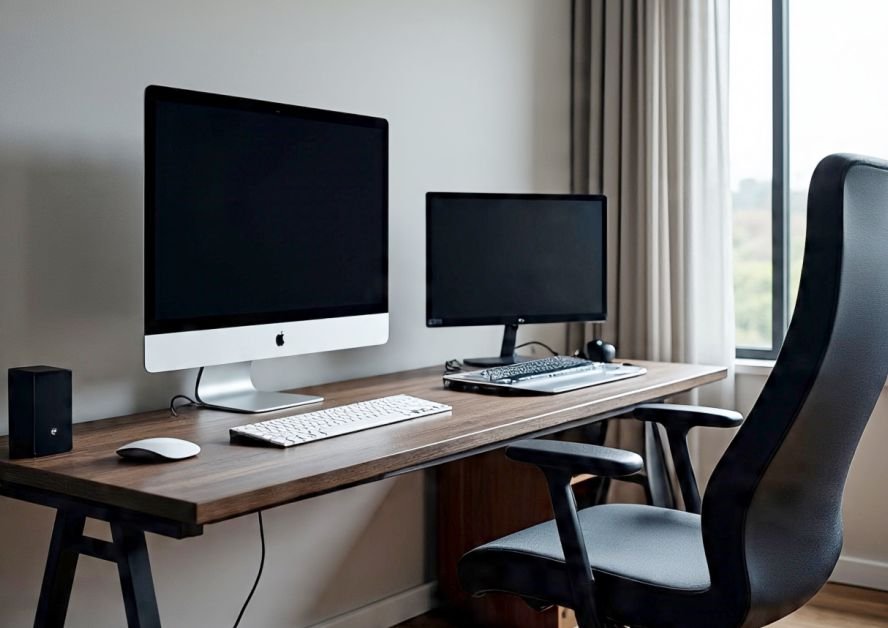
A height-adjustable desk lets you alternate between sitting and standing throughout the day, and the research behind this habit is specific: workers using sit-stand desks experienced a 32 percent reduction in low back pain, according to a study published in Occupational and Environmental Medicine.
A traditional fixed-height desk still works well if you already move around during breaks, but confirm the height suits your actual sitting posture before buying.
For a chair, prioritize:
- Lumbar support that fits the curve of your lower back
- Seat depth you can adjust so your knees clear the front edge
- Armrests that let your shoulders relax instead of hunching upward
- A breathable, durable material suited to long daily use
A genuinely comfortable chair bought once beats three cheap replacements bought over a few years; the same principle already covered in Gentsways’ bachelor pad guide for furniture generally.
Core Technology for a Setup That Works
Your technology should match the work you actually do, not the most expensive option available.
- Computer or laptop: Choose enough processing power and storage for your daily workload, with room for the next few years of software updates.
- Monitor: Match the size to your desk depth, and position the top of the screen at or slightly below eye level.
- Keyboard and mouse: Ergonomic or split keyboards reduce wrist strain during long typing sessions, and a mouse that fits your grip matters more than extra buttons.
- Webcam and microphone: A dedicated webcam and microphone improve how you present on video calls compared to built-in laptop hardware.
- Cable management: Under-desk trays, clips, or a simple cable sleeve keep cords out of your line of sight and reduce tripping hazards.
Organizing and Storage That Actually Gets Used
An organized desk isn’t about appearances; it changes how your brain processes the space in front of you.
Cluttered desks measurably hurt output: in one survey of office workers, 90 percent believed a cluttered workspace hurt their productivity and mood, and separate cognitive research found that visual clutter makes it harder for the brain to filter out distractions, according to findings compiled in the International Journal of Research Publication and Reviews.
A few systems worth building:
- One shelf or drawer for documents you reference weekly, kept separate from long-term storage.
- A small tray or organizer for daily-use items like pens, a notebook, and chargers.
- A short end-of-day reset, clearing surfaces and filing loose papers before logging off.
Keep the system simple enough that you’ll actually maintain it, since an elaborate organization method abandoned within a month helps nobody.
Lighting and Personal Touches
Lighting affects both how your space feels and how your eyes hold up across a full workday. Position your desk so natural light comes from the side, and add a task lamp for darker mornings or evenings.
Long screen sessions strain the eyes regardless of lighting quality, and the American Optometric Association recommends the 20-20-20 rule: every 20 minutes, look at something 20 feet away for 20 seconds.
Beyond function, a few personal touches make the room feel genuinely yours rather than generic.
A framed print, a small shelf of books tied to an actual interest, or a plant that survives low light all add character without cluttering the desk itself.
Gentsways’ guide to hobbies for men covers more starting points if you want the decor to reflect something you actually care about.
Protecting Your Body During Long Work Hours
The health effects of a poorly built workspace show up slowly, then all at once.
Regular breaks, a chair that supports your lower back, and a monitor at the correct height all reduce the cumulative strain of sitting for long stretches.
This connects to the broader picture covered in Gentsways’ guide to men’s health and wellness, since a desk job affects far more than just your back.
Screen exposure late into the evening also affects sleep quality, covered in more depth in Gentsways’ sleep guide, so closing the laptop at a set time matters as much as anything on the desk itself.
Building the Setup in Phases
Buying an entire office in one trip usually means overspending on pieces you don’t need yet and underspending on the desk and chair that matter most.
Starting on a budget:
- A secondhand desk and a chair with real lumbar support, bought used if the quality holds up
- A single monitor added later once the core setup proves itself
- DIY cable management using clips and a basic power strip
Building toward a premium setup:
- A height-adjustable desk and a chair built for daily, all-day use
- Dual monitors and a mechanical keyboard suited to heavy typing
- Better lighting and a dedicated webcam for frequent video calls
Buy the desk and chair first regardless of budget, then build outward, the same phased approach Gentsways covers in its guide to personal development and self-improvement for building any habit or space that lasts.
A Space That Connects to the Rest of Your Day
A home office rarely stands alone in a well-planned home. It sits alongside the rest of your daily routine, including how you train, since Gentsways’ guide to home gym setup ideas covers building a workout space with the same planning-first approach used here.
It also connects to how you show up professionally, covered in more depth in Gentsways’ career guide for men, since a well-built workspace supports the work itself rather than distracting from it.
Frequently Asked Questions
What is the most important purchase for a men’s home office?
The desk and chair matter most, since you interact with both for hours daily; prioritize lumbar support, adjustable height, and a desk suited to your actual work.
Do standing desks really reduce back pain?
Research shows meaningful results: one study found sit-stand desk users experienced a 32 percent reduction in low back pain compared to workers using fixed-height desks.
How do I stop my home office from feeling cluttered?
Keep one shelf for weekly documents, a small tray for daily items, and a short end-of-day reset that clears surfaces before you log off.
What lighting reduces eye strain during long work hours?
Position your desk near natural side light, add a task lamp for darker hours, and follow the 20-20-20 rule during long screen sessions.
Conclusion
A home office works when it’s built around how you actually spend your day, not around what looked good in a catalog.
Start with the desk and chair, since those two pieces carry the most daily use and the largest share of your comfort.
Add technology, storage, and lighting in phases as your setup proves what you actually need.
For the training side of a well-planned home, see Gentsways’ complete guide to home gym setup ideas for men for the same approach applied to fitness.

Pyo Merez is a 45-yeard old husband, father, and a chemical engineer by profession and the founder of Gentsways, a men’s lifestyle site built in honour of his father, Dee Clement. He has been writing about men’s development, style, and character through his father’s lens since 2021, drawing on lived experience, his father’s example, and research from reputable publications. He is not a certified trainer or therapist; where fitness or health topics require it, articles are reviewed by qualified contributors.