Last updated on September 19th, 2026 at 04:47 am
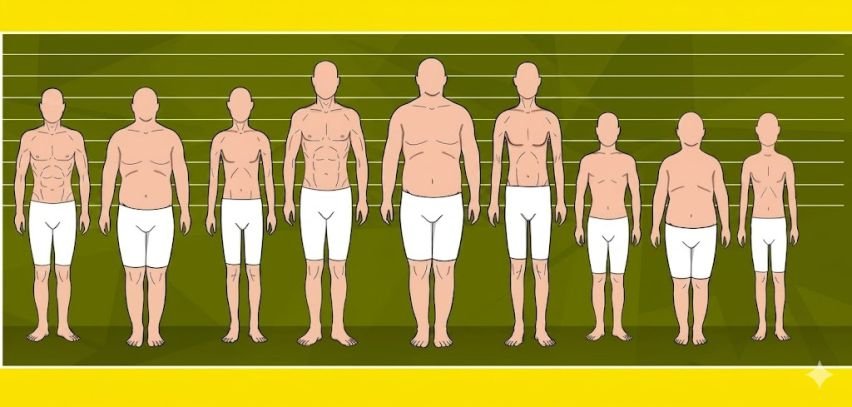
Every man has a unique physique shaped by genetics, muscle distribution, and body composition. Understanding your body type provides a foundation for fitness, health, confidence, and personal style.
No two men are built exactly alike. Differences in bone structure, muscle mass, fat distribution, and genetics create a wide range of physiques.
Understanding men’s body types and shapes helps explain why some men gain muscle easily, others stay naturally lean, and some carry weight in different areas of the body.
While body type classifications are not perfect, they provide a useful framework for understanding physical characteristics and natural tendencies.
This guide explains the major male body types, body shapes, and composition factors that influence appearance, outfits, fitness potential, and the way the male physique develops over time.
Table of Contents
What Are Body Types and Shapes?
Body types and body shapes are systems used to describe how the human body is naturally built and how its proportions appear.
While the terms are sometimes used interchangeably, they refer to different aspects of physical structure.
Body Types
Body type refers to a person’s natural physique, based on factors such as bone structure, muscle-building tendencies, metabolism, and fat storage patterns.
Traditional body type classifications include ectomorph, mesomorph, and endomorph, though many people display characteristics of more than one type.
Body Shapes
Body shapes are the visible proportions of the body, including the relationship between the shoulders, chest, waist, and hips.
Common male body shapes include rectangular, trapezoidal, inverted-triangle, triangular, and oval.
Together, body types and body shapes provide a framework for understanding physical characteristics, body composition, and natural proportions.
They do not determine a person’s abilities or health outcomes, but they can help explain differences in physique and body development among individuals.
Why Should You Care About Your Body Type and Shape?
Understanding your body type and shape helps you make better choices in fitness, dressing, and lifestyle decisions that match your natural structure.
- Fitness Goals: Helps you choose workouts that match your natural build, improving results and making progress more realistic and consistent over time.
- Clothing Fit: Guides better outfit choices that complement your proportions, helping clothes sit properly and look more balanced and intentional. See men’s outfit ideas according to body shape.
- Health Awareness: Reveals tendencies in fat storage, metabolism, and muscle gain, helping you make smarter lifestyle and wellness decisions early.
- Self-understanding: Builds awareness of your natural structure, helping you accept your physique and work with it instead of against it.
The History of Body Type Classification
Body type classification started as an early attempt to group male physiques based on bone structure, muscle growth patterns, and fat storage tendencies.
It gave people a way to compare body differences using simple categories.
These ideas became popular in fitness and health discussions, shaping how body composition is talked about today.
While not perfect, it still helps you make sense of why bodies look and respond differently to food, training, and lifestyle habits.
The Somatotype Theory and Origins of Body Typing
Somatotype theory groups male physiques into ectomorph, mesomorph, and endomorph categories based on body frame, muscle response, and fat distribution.
The system grew from research in the 1940s when William Sheldon studied physical traits across large groups.
He tried to connect body structure with observable patterns in appearance.
This approach became widely used in fitness discussions, even though real human bodies rarely fit neatly into a single category.
Modern View of Body Types and Their Limits
Modern thinking treats body types as general guides rather than fixed rules.
Most men show mixed traits, such as lean frames with moderate muscle or muscular builds with higher fat storage.
Genetics, diet, exercise, sleep, and stress all shape how your body looks over time.
Strict labels fall short because the body adapts constantly. Instead of boxing yourself into one type, it helps more to see your physique as flexible and responsive to habits.
The Three Main Male Body Types
The three main male body types are ectomorph, mesomorph, and endomorph, each describing natural differences in frame, metabolism, muscle development, and fat storage.
Ectomorphs are typically lean with a fast metabolism, narrow frame, and difficulty gaining weight or muscle, but they stay light and defined.
Mesomorphs have a naturally athletic build, broad shoulders, efficient muscle growth, and balanced body composition, though they can gain fat with poor habits.
Endomorphs carry more body fat, gain weight easily, and often have a slower metabolism, but they also build strength and muscle well.
Most men show mixed traits across these categories.
Ectomorph Body Type
The ectomorph body type describes a naturally lean male physique with a light bone structure, narrow frame, and fast metabolism.
Muscle and weight gain happen slowly, and the body tends to stay slim even with higher calorie intake.
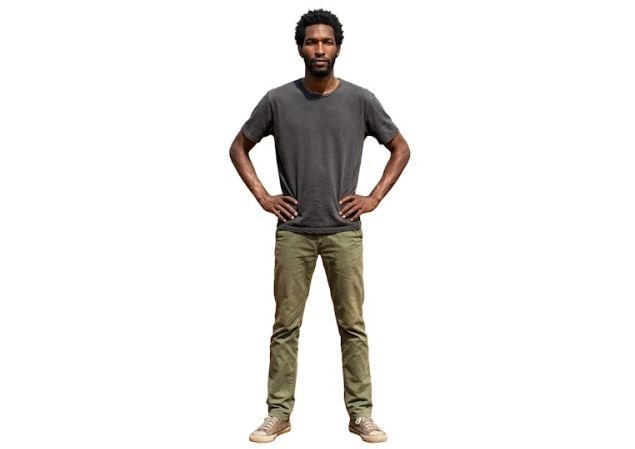
This build usually looks elongated, with low body fat and limited natural fullness in muscle areas.
Body Structure
Light bone frame, narrow shoulders, thin waist, and small joints shape this physique. The body looks long and slim, with minimal natural width across chest and hips.
Metabolism and Weight Response
Calories burn quickly, even at rest. Gaining weight requires consistent surplus food intake, and both fat and muscle develop at a slower rate compared to other body types.
Strength Profile
Endurance tends to be strong, especially in activities that require stamina and consistent movement. The body stays light, supporting speed and agility.
Common Challenges
Building noticeable muscle mass requires patience, structured training, and disciplined eating.
Without consistent effort, body weight and size stay relatively unchanged.
Mesomorph Body Type
The mesomorph body type describes a naturally athletic male physique with a balanced frame, moderate bone structure, and efficient muscle-building ability.
This body type responds well to training and usually develops strength and shape faster than other body types.
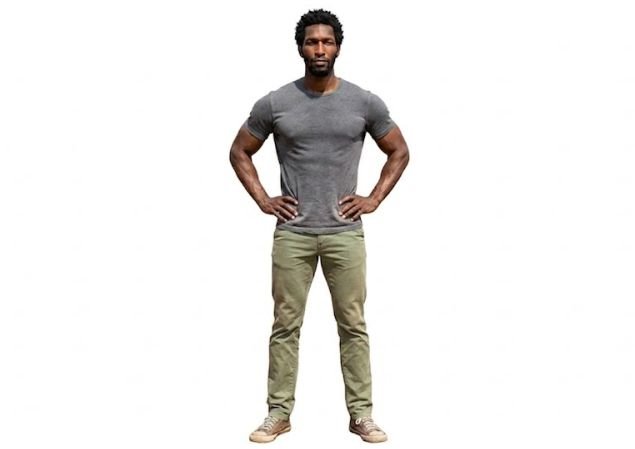
The body often looks naturally fit, with visible structure in the chest, shoulders, and limbs, even without intense conditioning or strict training routines.
Body Structure
A naturally broad shoulder line, balanced waist, and medium bone frame shape this physique.
The body appears solid and well-proportioned, neither too thin nor overly bulky, giving a naturally athletic outline.
Physical Appearance
Muscle definition shows easily, even at moderate body fat levels.
The chest, shoulders, and arms tend to carry visible shape, creating a strong and structured look without extreme effort.
Muscle Development Patterns
Muscle growth responds quickly to resistance training. Strength gains come steadily, and both size and definition improve with consistent workouts.
The body adapts well to different training styles, from hypertrophy to strength-focused routines.
Common Strengths
Natural athletic ability stands out, with strong performance in both strength and speed-based activities.
Building muscle and maintaining a fit appearance requires less effort compared to other body types.
Common Challenges
Easier muscle and fat gain can lead to unwanted weight if training and diet are not balanced.
Maintaining a lean, defined look requires consistency in physical activity and nutrition habits.
Endomorph Body Type
The endomorph body type describes a naturally fuller male physique with a wider frame, softer structure, and a stronger tendency to store body fat.
Weight gain happens easily, and the body often holds more mass in the midsection, hips, and lower body.
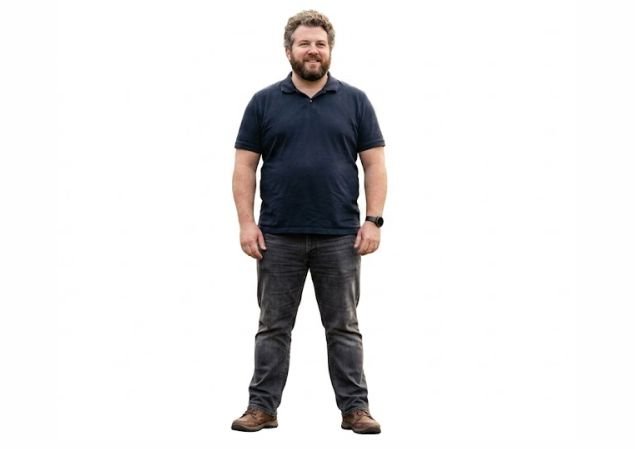
Muscle can build well with training, but fat levels also rise quickly without balanced nutrition and activity.
Body Structure
A broader bone frame shapes this physique, with wider hips, thicker limbs, and a generally rounder outline.
The body appears dense and solid, even without heavy muscle development.
Physical Appearance
Soft tissue is more visible across the body, especially around the waist and chest.
Limbs may look shorter or thicker, giving a compact and sturdy appearance overall.
Fat Storage Patterns
Body fat accumulates easily, especially around the stomach, hips, and thighs.
The body tends to hold energy reserves efficiently, making weight gain faster than in other body types.
Common Strengths
Strength potential is high, with good natural power and ability to build muscle mass effectively.
The body responds well to resistance training when consistency is maintained.
Common Challenges
Fat loss requires more structured eating and regular activity. Without balance in diet and exercise, excess weight can accumulate quickly and affect body definition.
Mixed Body Types
Most men do not fit neatly into a single body type. Genetics, lifestyle, training habits, and diet create blended physiques that show traits from more than one category.
Mixed body types explain these combinations, helping you see your natural build more accurately instead of forcing strict labels that do not match real body variation.
Ecto-Mesomorph
This body type blends a lean frame with athletic muscle response. The structure stays naturally slim, but muscle develops faster than a pure ectomorph.
Shoulders may appear slightly broader, and definition shows with regular training.
Weight gain is still controlled, but strength and shape improve more easily.
This combination supports a fit, toned look without requiring extreme effort in diet or workout routines.
Meso-Endomorph
This physique carries strong muscle-building ability with a tendency to store fat easily.
The body looks powerful and solid, especially in the upper body and legs.
Muscle growth responds well to training, but fat accumulation can blur definition if nutrition is not managed.
Strength potential is high, yet maintaining a lean look requires consistent exercise and balanced eating habits.
Ecto-Endomorph
This combination features a naturally thin frame with uneven fat distribution.
The body may look slim in structure but still carry soft fat in areas like the waist or lower abdomen.
Muscle gain is slower, while fat levels can fluctuate depending on lifestyle.
This mix often requires balanced training and nutrition to build shape while controlling fat storage patterns effectively.
Why Most Men Fall Between Categories
Most men fall between body type categories because the human body rarely follows strict patterns.
Genetics influence bone structure, muscle response, and fat storage, but lifestyle choices also play a strong role.
Training, diet, sleep, and stress levels shift how the body looks over time.
Puberty, aging, and activity levels also change body composition.
These factors blend together, creating mixed traits instead of pure ectomorph, mesomorph, or endomorph classifications in real life.
Men’s Body Shapes Explained
Men’s body shapes describe how shoulders, chest, waist, and hips are proportioned.
Unlike body types, which focus on metabolism and composition, body shapes focus on visible structure.
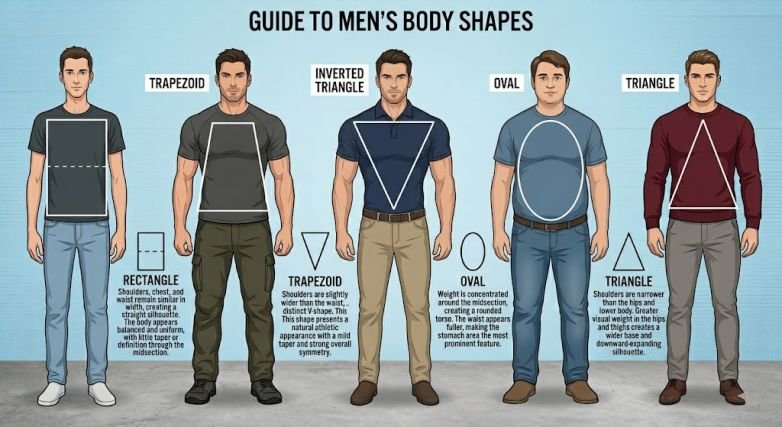
A rectangle shape has similar shoulder and waist width, creating a straight silhouette with minimal taper.
Trapezoid shape shows a slightly broader upper body with balanced proportions and a natural athletic look.
Inverted triangle shape features wide shoulders and a narrow waist, often linked with strong upper-body development.
Oval shape carries more weight around the midsection, with less defined waist.
Triangle shape has narrower shoulders and wider hips or lower-body dominance.
These shapes help you recognize how your frame appears overall and how proportions differ between men.
Rectangle Body Shape
Rectangle body shape describes a straight and evenly proportioned male physique where shoulders, chest, and waist stay close in width.
This creates a balanced vertical line with minimal taper or curve.
The body looks uniform from top to bottom, with structure that appears steady and simple rather than sharply defined or dramatically shaped.
Characteristics
This body shape shows similar measurements across shoulders, chest, and waist.
The silhouette stays straight with limited narrowing at the midsection.
The overall appearance looks balanced but less contoured, with no strong visual contrast between upper and lower body sections.
Shoulder-to-Waist Ratio
Shoulders and waist remain nearly equal in width, creating a straight line effect.
The torso lacks a strong taper, so the body looks evenly structured without pronounced curves or V-shape definition through the midsection.
Trapezoid Body Shape
Trapezoid body shape represents a naturally athletic frame where shoulders are slightly broader than the waist.
The structure stays balanced, with smooth transitions between upper and lower body.
It reflects a fit, proportioned look that does not rely on extreme muscular development or sharp tapering for visual strength.
Characteristics
Shoulders are moderately wider than the waist, creating a mild taper.
The body appears naturally fit and proportional, with no extreme width differences.
This gives a stable, athletic silhouette that looks strong without appearing exaggerated or overly muscular.
Common Features
Chest is developed, waist remains controlled, and proportions stay aligned.
The body maintains symmetry, with smooth flow between upper and lower sections, supporting a clean athletic appearance without sharp structural changes.
Inverted Triangle Body Shape
Inverted triangle body shape features broad shoulders and a narrow waist, creating a strong V-shaped upper frame.
This structure highlights upper-body dominance, giving a powerful and athletic appearance.
The contrast between wide shoulders and slim waist creates a sharp, confident silhouette that stands out visually.
Characteristics
Shoulders are significantly wider than the waist, forming a clear taper.
The upper body dominates the frame, while the lower body appears slimmer in comparison, creating strong visual contrast between top and bottom proportions.
Athletic Appearance
This shape is often linked to upper-body strength and training.
Broad shoulders and a tight waist create a defined V-shape, giving a powerful, athletic look with strong visual presence.
Oval Body Shape
Oval body shape centers weight around the midsection, creating a rounded torso.
The waist area appears fuller compared to shoulders and hips.
This gives the body a soft, central focus with less defined taper or angular structure, resulting in a more rounded overall silhouette.
Characteristics
The torso carries most of the body’s volume around the stomach.
Shoulders may appear narrow or aligned with the waist, reducing visible structure and creating a softer, rounded outline across the midsection.
Weight Distribution
Fat and mass concentrate mainly around the abdomen.
The upper and lower body remain relatively slimmer, making the midsection the dominant visual point of the physique.
Triangle Body Shape
Triangle body shape features narrower shoulders and a wider lower body, creating a downward-expanding silhouette.
The hips and thighs appear more dominant than the upper torso.
This structure gives a grounded appearance, with clear contrast between a lighter upper frame and a heavier lower section.
Characteristics
Shoulders are noticeably narrower than the hips and waist area.
The upper body appears smaller, while the lower body creates a wider base, producing a distinct imbalance in proportions.
Lower-Body Dominance
Weight and muscle are concentrated in the legs, hips, and thighs.
The lower section carries more visual mass, shaping a strong base that defines the overall triangular structure.
Understanding Body Composition
Body composition refers to what your body is made of, including muscle, fat, bone, and water.
It gives a clearer picture of health than weight alone.
For men, understanding body composition helps in setting realistic fitness goals, improving physique, and choosing better clothing fits based on proportions rather than scale numbers.
- Muscle Mass: Muscle mass is the total weight of muscle in the body, influencing strength, metabolism, and overall body shape and definition.
- Fat Mass: Fat mass is the total stored fat in the body, serving energy storage but affecting body shape and health if excessive.
- Bone Mass: Bone mass refers to the weight and density of bones, providing structure, support, and contributing to overall body frame size.
- Water Content: Water content is the percentage of body weight made up of water, essential for hydration, performance, and bodily functions.
Body Fat Percentage in Men
Body fat percentage measures how much of the body is fat compared to everything else.
It is more accurate than weight for assessing fitness and physique.
For men, it determines visible muscle definition, health risks, and how clothing fits across different body types and lifestyle levels.
- Essential Fat: Essential fat is the minimum fat needed for survival, supporting organs and hormone function, typically found in very small amounts in men.
- Athletic Range: Athletic range is a low body fat level seen in trained athletes, showing strong muscle definition and high physical performance capacity.
- Fitness Range: Fitness range represents a healthy, active body fat level with visible muscle tone and balanced health and energy levels.
- Average Range: Average range reflects typical body fat levels in most men, with moderate definition and generally healthy but less athletic appearance.
- Obesity Range: Obesity range indicates high body fat levels that may increase health risks and reduce mobility, energy, and muscle visibility.
Lean Body Mass Explained
Lean body mass refers to everything in the body except fat, including muscles, bones, organs, and water.
It is a key indicator of strength, metabolism, and overall fitness.
Higher lean mass usually means better physical performance, improved body shape, and more efficient calorie burning even at rest.d
Factors That Influence Male Body Types
Male body types are not determined by a single factor.
Genetics, hormones, age, and lifestyle habits all influence how the body develops, stores fat, builds muscle, and maintains its shape.
While some traits are inherited, daily choices also play a major role in shaping physique and body composition over time.
Genetics
Genetics establish the physical framework of the body.
They influence proportions, frame size, muscle growth potential, and natural fat storage patterns.
- Bone Structure: Bone structure determines body frame size, shoulder width, limb length, and proportions that influence overall physique and clothing fit.
- Muscle-Building Potential: Muscle-building potential affects how efficiently the body gains muscle, responds to training, and develops strength and definition.
- Fat Distribution: Fat distribution influences where excess body fat accumulates, affecting waist measurements, proportions, and overall body shape.
Hormones
Hormones regulate many processes related to body composition, including muscle growth, fat storage, metabolism, recovery, and physical development.
- Testosterone: Testosterone supports muscle growth, strength development, fat regulation, energy production, and many defining male physical characteristics.
- Growth Hormone: Growth hormone promotes tissue growth, muscle repair, recovery, and healthy development throughout different stages of life.
- Cortisol: Cortisol helps regulate stress responses, but prolonged elevation may contribute to fat gain and reduced muscle maintenance.
Age
The body naturally changes with age. Muscle mass, metabolism, hormone levels, and fat storage patterns all evolve over time.
- Changes From Youth To Adulthood: Physical maturity increases muscle development potential, alters body proportions, and establishes long-term body composition patterns.
- Aging And Body Composition: Aging gradually decreases muscle mass, slows metabolism, and increases the tendency to accumulate body fat.
Lifestyle Factors
Daily habits significantly influence physique. Nutrition, exercise, sleep, and stress management can either improve or negatively affect body composition.
- Nutrition: Nutrition supplies nutrients and energy needed for muscle growth, recovery, body maintenance, and healthy weight management.
- Physical Activity: Physical activity promotes muscle development, supports metabolism, improves fitness levels, and helps maintain healthy body composition.
- Sleep: Sleep supports recovery, hormone balance, muscle repair, energy production, and overall physical and mental performance.
- Stress: Stress influences hormone levels, recovery capacity, eating behaviors, and may contribute to unwanted fat accumulation over time.
How to Determine Men’s Body Type
Determining your body type requires more than simply looking in the mirror.
By assessing your frame size, natural build, fat distribution, and body measurements, you can gain a clearer understanding of your proportions.
These methods can be done at home with a measuring tape and help identify the body shape that best matches your physique.
Assess Your Frame Size
Frame size refers to the size of your skeletal structure. It helps explain why two men of the same height and weight can appear very different.
- Wrist Measurement Method: Wrap a measuring tape around the narrowest part of your wrist. Men with smaller wrist measurements typically have smaller frames, while larger measurements suggest medium or large frames. Compare your measurement against frame-size charts for your height to determine where you fall.
- Elbow Breadth Method: Bend one arm to a ninety-degree angle. Using a ruler or tape measure, measure the distance between the two prominent elbow bones. Wider elbow measurements generally indicate a larger skeletal frame, while narrower measurements suggest a smaller frame.
Evaluate Your Natural Build
Your natural build is how your body tends to gain weight and muscle without extreme dieting or training interventions.
- Weight Gain Patterns: Think about where you first gain weight when eating in a calorie surplus. If fat accumulates mainly around the waist, you may have a different body shape than someone who stores it in the hips, thighs, or chest.
- Muscle Gain Patterns: Consider how your body responds to strength training. If you build muscle quickly with minimal effort, you likely have higher muscle-building potential. If gains come slowly despite consistent training, your natural build may be different.
Observe Fat Distribution
Fat distribution affects body shape more than total body weight.
Two men with the same body fat percentage can look very different depending on where fat is stored.
- Common Storage Areas: Stand in front of a mirror and identify where your body stores the most fat. Common areas include the stomach, love handles, chest, lower back, hips, and thighs. These areas influence your overall silhouette.
- What Distribution Can Indicate: Fat concentrated around the midsection may create a more oval appearance, while storage around the hips and thighs can create a wider lower body. Understanding these patterns helps identify your body shape more accurately.
Use Body Measurements
Body measurements provide objective data that can reveal proportions more accurately than visual observation alone.
- Shoulders: Measure around the widest part of your shoulders while keeping the tape level. Broad shoulders compared to the waist may indicate a trapezoid or inverted triangle shape.
- Chest: Measure around the fullest part of your chest with your arms relaxed. Compare this measurement with your waist and hips to understand upper-body proportions.
- Waist: Measure around your natural waist, usually just above the navel and below the ribcage. A significantly larger waist measurement may indicate an oval body shape.
- Hips: Measure around the widest part of your hips and glutes. Comparing hip measurements to shoulder and waist measurements helps determine whether your body is balanced, top-heavy, or bottom-heavy.
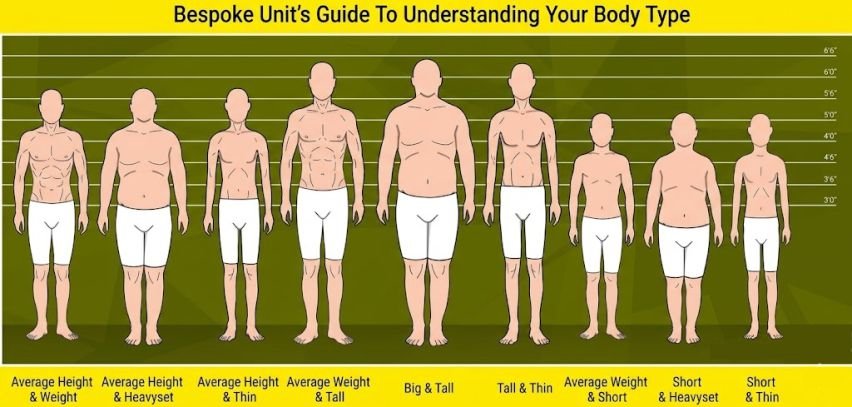
Men’s Body Frame Size Chart
The body frame size chart helps you classify your natural skeletal structure into small, medium, or large categories.
It uses wrist circumference as a quick reference point to estimate bone structure differences between men of similar height and weight.
This chart simplifies comparison, showing how frame size affects proportions, clothing fit, and overall body appearance. It is a visual guide for interpreting measurements consistently.
Common Myths About Men’s Body Types
Many men misunderstand body types, believing they are fixed or limit progress.
These myths can affect confidence and training decisions. In reality, body composition changes with lifestyle, training, and nutrition.
- Myth: Your Body Type Can Never Change: Body types are not permanent. While bone structure stays, muscle mass, fat levels, and overall composition can change significantly with consistent training, diet, and lifestyle habits over time.
- Myth: Ectomorphs Cannot Build Muscle: Ectomorphs can build muscle effectively with proper resistance training, calorie surplus, and recovery. Progress may be slower, but consistent effort leads to noticeable strength and size gains over time.
- Myth: Endomorphs Cannot Get Lean: Endomorphs can reduce body fat through structured nutrition, regular exercise, and lifestyle control. Fat loss is achievable with discipline, regardless of natural fat storage tendencies or slower metabolism patterns.
- Myth: Mesomorphs Have Perfect Genetics: Mesomorphs may gain muscle more easily, but they still require training, nutrition, and discipline. Genetics provide an advantage, not perfection or automatic fitness without consistent effort and structure.
- Myth: Body Types Determine Success: Body types do not determine fitness success or physique outcomes. Commitment, training consistency, nutrition quality, and recovery habits are far more important than natural body classification alone.
How Men’s Bodies Change Over Time
Your body shape shifts across life stages as hormones, muscle, fat, and metabolism move at different speeds.
These changes affect strength, body composition, and how your clothes sit on your frame.
Teenage Years
Teenage years bring fast growth, uneven proportions, and rising hormones.
Height increases quickly while muscle and bone development adjust, creating a lean, changing look that gradually stabilizes with time.
Height growth spurts happen fast, so limbs and torso may look out of balance until development evens out.
Muscle development begins responding well to activity, and early strength habits shape future physique.
Fat redistribution also happens, with temporary storage around chest, hips, and stomach before hormones settle.
Twenties And Thirties
This stage gives your body peak strength potential, steady metabolism, and strong response to training.
It is the easiest time to shape body composition through exercise and nutrition.
Muscle growth responds well to resistance training, especially with consistent protein intake and structured workouts.
Hormone levels support recovery and energy, helping maintain lean mass.
Fat control becomes more manageable, allowing better shaping of the waistline, shoulders, and overall proportions through disciplined lifestyle habits.
Middle Age
Metabolism begins to slow, and muscle maintenance requires more effort.
Without training, body composition shifts toward reduced muscle and increased fat around the midsection.
Calorie burn decreases, making weight gain easier if diet stays unchanged.
Muscle loss becomes noticeable without resistance training, affecting strength and posture.
Fat gain around the stomach and lower back becomes more common, changing body proportions and how clothing fits across the waist.
Senior Years
Energy levels decline, recovery slows, and muscle loss becomes more visible. Maintaining movement and strength training helps preserve mobility and body function.
Muscle loss continues gradually, reducing strength and physical power if activity drops.
Bone density decreases, which can affect posture and structural support.
Fat may accumulate around the abdomen due to reduced activity and hormonal changes, altering body shape and overall balance.
Conclusion
Every man’s physique carries a mix of genetics, habits, and body composition that shapes how he looks, moves, and gains muscle or fat.
Body types and body shapes give you a simple way to read those patterns without confusion.
They help you spot tendencies in fat storage, muscle response, and proportions, so fitness, clothing choices, and lifestyle decisions match your natural build.
No label defines your limits, but knowing your structure gives you better control over results and long-term physique direction.
Frequently Asked Questions About Men’s Body Types
Can your body type change?
Body type can shift through changes in muscle mass, fat levels, and lifestyle habits, though bone structure stays the same throughout life.
Which male body type is most common?
Most men fall into mixed categories rather than one strict type, with many showing traits of ectomorph, mesomorph, and endomorph combined.
Can you be more than one body type?
Yes, many men display blended traits, such as ecto-mesomorph or meso-endomorph, depending on genetics, training habits, and body composition changes.
How accurate are somatotypes?
Somatotypes offer a general guide for physique tendencies, but they are not precise scientific classifications and should not limit fitness progress.
Does body type affect athletic performance?
Body type can influence strengths, such as speed or power, but training, skill development, and consistency matter far more in performance outcomes.
Does age affect body type?
Age changes muscle mass, fat distribution, and metabolism, which alters appearance, but underlying body type tendencies remain influenced by genetics and lifestyle.
Pyo Merez is a 45-yeard old husband, father, and a chemical engineer by profession and the founder of Gentsways, a men’s lifestyle site built in honour of his father, Dee Clement. He has been writing about men’s development, style, and character through his father’s lens since 2021, drawing on lived experience, his father’s example, and research from reputable publications. He is not a certified trainer or therapist; where fitness or health topics require it, articles are reviewed by qualified contributors.