A utility jacket looks simple, but the wrong fit reads as sloppy instead of purposeful in seconds. Get the cut and fabric right, and this jacket works harder than almost anything else in your closet. Here is everything Gentsways knows about wearing one well.
A utility or work jacket began as a purely functional garment, built from durable canvas or cotton twill for manual labor and military use.
Reinforced seams, practical pockets, and a straightforward cut carried that purpose into daily menswear.
Today it sits comfortably in a man’s wardrobe, pairing with jeans, chinos, or joggers without effort.
Men who want practical, low-maintenance layering benefit most from this jacket, since it rewards simple styling over fuss.
This guide covers where the jacket came from, how to choose the right fit and fabric, and how to style it across seasons and occasions.
Table of Contents
What Is a Men’s Utility Jacket?
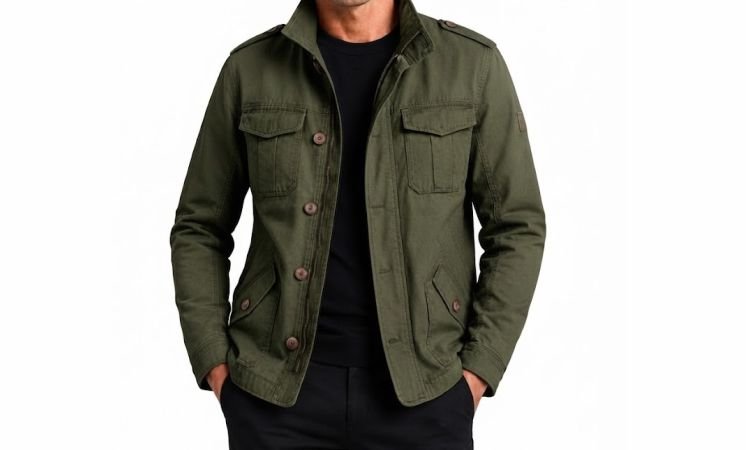
A utility jacket is a structured outer layer built from canvas, cotton twill, or heavyweight cotton blends.
Multiple functional pockets, a button or zip front, and adjustable cuffs separate it from a standard casual jacket.
Ape to Gentleman notes that shoulder fit matters most, since the jacket should end slightly below the waist with room for a layer underneath.
Durable construction and a lightweight to midweight build have kept the design relevant across nearly a century of menswear.
A Short History of the Utility Jacket
Military origins: Early utility jackets drew directly on military field gear, designed for durability in harsh, physical conditions. Taylor Stitch Journal describes workwear as clothing shaped entirely by the daily demands of hard manual labor, not by fashion trends.
Workwear influence: Manual labor and ranch work pushed the same design further, prioritizing reinforced seams and pockets built to hold tools.
Civilian adoption: Streetwear and outdoor brands later adopted the silhouette, keeping the pockets and structure but softening the fit for daily wear. Permanent Style traces this broader pattern, noting how workwear has moved between labor, subculture, and fashion across several decades.
The modern utility jacket: Current versions blend the original silhouette with lighter fabrics and cleaner lines, fitting smart-casual settings as easily as weekend wear.
Utility Jacket vs Other Men’s Jackets
A utility jacket favors function over polish, unlike a bomber jacket, which leans sportier and more fitted.
Against a field jacket, the utility jacket uses heavier canvas or twill rather than a military-cut mid-length silhouette.
A chore jacket shares the boxy, workwear-rooted shape, but a utility jacket typically carries more visible pockets and hardware.
The cargo jacket, a 2026 runway-driven trend, borrows the same pocket-heavy structure but leans lighter and more fashion-forward.
Marie Claire reports that Spring 2026 runways pushed cargo jackets as a pocket-first alternative to carrying a bag.
Best Fabrics for a Utility Jacket
- Cotton canvas: heavyweight and durable, ideal for daily wear and rougher outdoor conditions.
- Cotton twill: slightly lighter than canvas, with a smoother finish suited to smart-casual pairing.
- Waxed cotton: adds water resistance and a rugged finish, best suited to fall and winter wear.
- Ripstop fabric: a crosshatch weave that resists tearing, popular in 2026 for its durability and light weight.
- Nylon and polyester blends: added durability and light water resistance for unpredictable weather conditions.
- Corduroy: a softer, textured alternative suited to cooler months and smart-casual settings.
Popular Colors for Utility Jackets
Olive, khaki, and tan remain the most common utility jacket colors, echoing the style’s military and workwear roots.
Black and navy work as more versatile, less overtly tactical alternatives for daily wear.
Brown, gray, and beige round out the palette, all pairing easily with denim, chinos, or joggers.
How a Utility Jacket Should Fit
Shoulder seams should sit at your natural shoulder line, since a proper fit reads structured rather than sloppy.
Sleeves should end near the wrist bone, leaving enough room to layer a shirt or light sweater underneath.
The jacket should sit at or slightly below the waist, avoiding both a cropped and an oversized look.
For a full breakdown of fit principles across your wardrobe, see how men’s clothes should fit.
How to Style a Men’s Utility Jacket
Casual weekend: utility jacket, plain T-shirt, jeans, and sneakers for a low-effort daily look.
Smart casual: utility jacket over an Oxford shirt, paired with chinos and loafers or Chelsea boots.
Rugged outdoor: flannel shirt under the jacket, dark jeans, and sturdy work boots for cooler weather.
Urban street style: hoodie underneath, cargo pants, and high-top sneakers for a streetwear-leaning outfit, a pairing also covered in our streetwear guide.
Minimalist: a neutral knit sweater, slim trousers, and leather sneakers, letting the jacket’s lines carry the outfit.
Add a simple casual watch to any of these looks without adding unnecessary bulk. The same layering principles apply across most casual jackets, covered fully in our men’s fashion layering guide.
Utility Jackets by Season
In spring and summer, lighter cotton or ripstop versions layer over T-shirts without adding excess warmth.
In fall and winter, canvas or waxed cotton versions layer over flannels or sweaters for real cold-weather protection.
Utility Jackets for Older Men
Classic colors like olive, navy, or tan keep this jacket looking timeless rather than overly tactical on older men.
Avoiding heavy hardware, oversized pockets, or camouflage patterns keeps the look sophisticated rather than costume-like.
See our guide on stylish casual outfits for men over 50 for full outfit pairings built around jackets like this one.
Choosing the Right Utility Jacket
Match the fabric to your climate: canvas or waxed cotton for cold weather, and lighter cotton for warm months.
Consider your lifestyle, since a rugged outdoor life calls for heavier construction than daily city wear.
Prioritize fit and neutral color over pocket count, since simpler versions age better than heavily tactical ones.
Common Mistakes to Avoid
Buying a utility jacket too large removes the structure that makes the style work in the first place.
Wearing cargo pants, a cargo jacket, and a tactical bag together overloads the look with too much utility styling at once.
Overloading every pocket with keys, phones, and wallets adds visible bulk and distorts the silhouette.
Wearing a utility jacket to a formal event undercuts its inherently casual, function-first design.
How to Care for a Utility Jacket
Machine wash canvas and twill versions on a gentle cycle, checking the label for specific fabric guidance.
Spot clean small stains promptly, since letting them set makes canvas and twill harder to fully clean.
Waxed cotton versions need occasional re-waxing rather than regular washing to maintain their water resistance.
Store the jacket on a sturdy hanger, and repair small tears quickly before they spread further.
Conclusion
A utility jacket earns its place through function first, adding structure and storage without demanding real effort.
Its military and workwear roots explain the durable fabrics and visible pockets that still define the style today.
Canvas, twill, or waxed cotton versions all layer easily over T-shirts, flannels, or lightweight sweaters across seasons.
Getting the shoulder and waist fit right keeps the look structured instead of sloppy or oversized. Read our full men’s jackets guide for more on where this style fits into a complete wardrobe.
Frequently Asked Questions
What makes a jacket a utility jacket?
A utility jacket uses durable canvas or twill construction with reinforced seams and functional pockets. This design traces back to military and manual labor origins rather than pure fashion.
Can a utility jacket be worn in the office?
Yes, in smart-casual or casual-Friday settings, especially layered over a collared shirt with chinos or trousers. Choose olive or navy for a more polished, less workwear-heavy appearance.
What is the difference between a utility jacket and a field jacket?
A utility jacket emphasizes heavy canvas or twill and boxy pockets built for daily function. A field jacket leans more military in cut, with adjustable cuffs and a mid-length silhouette.
Is a utility jacket the same as a cargo jacket?
No, a cargo jacket is a lighter, more fashion-driven take on the same pocket-heavy structure. Utility jackets lean more toward workwear-rooted, while cargo jackets follow current runway-driven trends.
What should I wear under a utility jacket?
T-shirts and flannels work well in mild weather, while sweaters or hoodies add warmth in colder months. Keep underlayers simple, since the jacket itself carries most of the visual detail.
How do I clean a waxed cotton utility jacket?
Avoid regular machine washing, since it strips the wax coating that gives the jacket its water resistance. Spot clean when needed and re-wax occasionally to maintain both look and function.

Pyo Merez is a 45-yeard old husband, father, and a chemical engineer by profession and the founder of Gentsways, a men’s lifestyle site built in honour of his father, Dee Clement. He has been writing about men’s development, style, and character through his father’s lens since 2021, drawing on lived experience, his father’s example, and research from reputable publications. He is not a certified trainer or therapist; where fitness or health topics require it, articles are reviewed by qualified contributors.