Last updated on November 21st, 2026 at 04:38 am
The goatee beard takes its name from a billy goat’s chin tuft, and the word first appeared in print in 1841. Nearly two centuries later, it remains one of the easiest ways to change your face without a full beard.
I have never worn a goatee, so this article draws on research, barbering practice and watching how other men groom.
My earliest grooming lessons came from my father, who shaved with a safety razor he took apart to load fresh blades.
He never wore a chin beard, but watching him shave was my first lesson in patient, careful grooming.
The sections below define the style, trace its history and cover every major variation, from chin-only cuts to extended looks.
You will also find advice on face matching, trimming, tools, skin care and the common mistakes that make chin beards untidy.
Table of Contents
What Is a Goatee Beard?
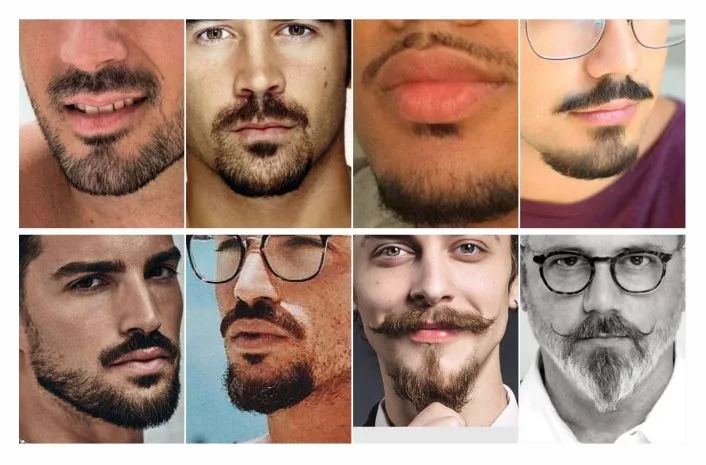
A goatee is facial hair grown on the chin while the cheeks and jawline are shaved clean.
Merriam-Webster describes it as a small, neat beard on the chin, either pointed or tufted, named after a he-goat’s beard.
Purists use the word only for chin hair without a mustache, while most barbers now use it as an umbrella term.
Under that wider meaning, any style built around the chin, with or without a mustache, counts as part of the family.
Why Men Choose a Goatee
A chin beard gives a clean face some definition without the itch, heat and upkeep of a full beard.
It draws the eye to the chin, which can make a soft jawline look firmer and a round face look longer.
It also suits men with patchy cheeks, since the style needs hair only around the mouth and chin.
Trimming takes minutes, and the style can grow into a fuller beard or shrink to a soul patch whenever you like.
Goatee Styles: Every Main Variation
The styles below fall into three groups, depending on mustache coverage and how far the hair extends.
Chin-Only Styles
Classic Goatee Without a Mustache

The classic version keeps hair only on the chin, with the upper lip, cheeks and jaw shaved smooth.
Barbers sometimes call it a chin puff or chin beard, and it suits men whose mustache grows in thin or uneven.
Keep the width roughly in line with the corners of your mouth, so the beard looks balanced rather than borrowed.
Soul Patch
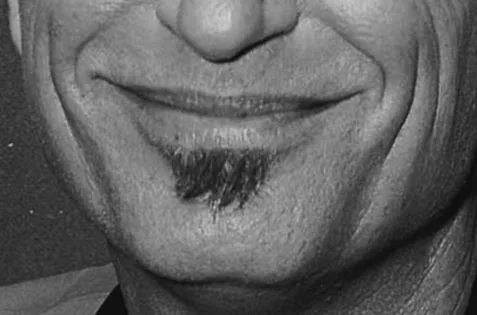
The soul patch is the smallest option, a small tuft just below the lower lip with everything else shaved away.
It works best as a subtle accent for men with clean features, and the full details sit in a separate post on the small soul patch.
Long Goatee
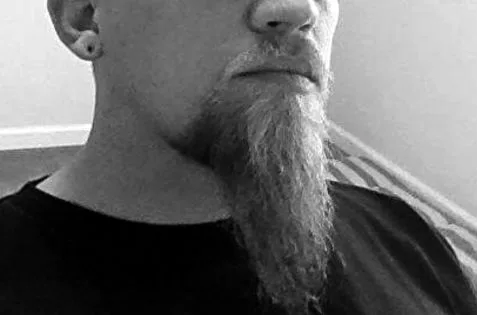
A long version lets the chin hair grow well below the jaw, sometimes several inches, while the cheeks stay clean.
This look needs regular combing, a light beard oil and careful trimming at the tip so it never looks stringy.
Men with a strong chin and narrow face tend to carry the length best, because it adds vertical line without width.
Mustache-Connected Styles
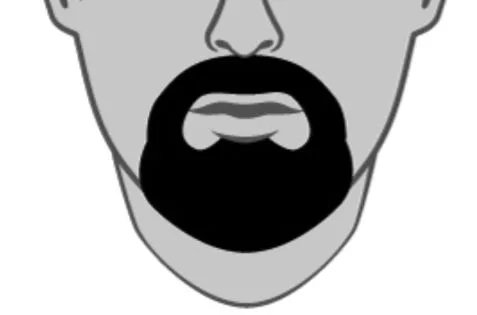
Circle Beard
The circle beard joins the mustache to the chin hair in one rounded ring that frames the mouth.
It is a popular office-friendly choice, and the dedicated post on the rounded circle style covers sizing and upkeep in depth.
Van Dyke
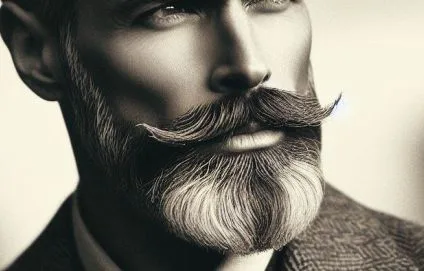
The Van Dyke pairs a pointed chin beard with a separate mustache, usually with the cheeks fully shaved.
Its history and modern versions are set out in the post on the painter’s pointed beard, including how to style the tips.
Mustache and Goatee Combo
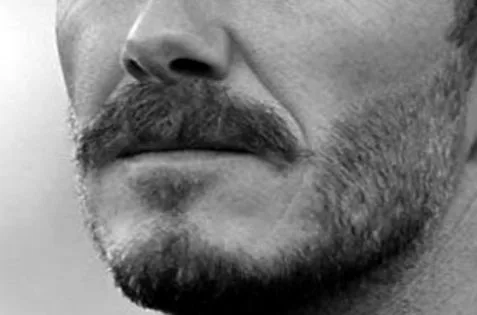
This combination keeps a mustache and a chin beard of similar density, either joined at the corners or kept apart.
When a clear gap of bare skin separates the two, barbers call it a disconnected goatee, which suits men with patchy corners.
The connected version looks fuller and works well for men whose hair grows evenly around the mouth.
Choosing the mustache half matters as much as the chin, and the tips on pairing the right mustache help with that decision.
Anchor and Balbo
The anchor beard runs a pointed chin beard up along the jaw edge and pairs it with a pencil mustache.
The Balbo, named after Italian aviator Italo Balbo, uses a floating mustache, a soul patch and a broader chin beard.
Both styles need precise edging, so they suit patient groomers or men who visit a barber every two weeks.
Royale or Imperial
The royale, also called the imperial, is a narrow pointed chin beard usually paired with a long mustache.
Encyclopedia.com credits French Emperor Napoleon III, who ruled from 1851 to 1870, with making the look fashionable.
Some modern barbers use the name for a mustache anchored by a slim chin strip, so confirm the picture before your cut.
Extended Styles
Extended Style
An extended version widens the chin beard along the jaw, stopping short of the sideburns, and usually includes a mustache.
It gives more coverage than a standard chin beard and suits men with a round face or soft jaw.
Brad Pitt Goatee

Brad Pitt has worn several goatees on screen and off, which explains why his name still drives so many searches for the style.
Esquire highlights his role as Floyd in True Romance (1993), where long hair met a classic 1990s goatee.
Around 2010, he wore a slightly graying goatee that, according to Hello! magazine, marked his move toward a more rugged silver fox look.
Men who want a similar feel can grow a fuller chin beard and keep the cheeks in light, even stubble.
Hollywoodian
The Hollywoodian covers the chin and jaw with a mustache, leaving the sideburns and upper cheeks bare.
It sits halfway between a chin beard and a full beard, and the wider range of fuller beard styles continues from there.
| Style | Mustache | Where hair grows | Best for | Upkeep |
|---|---|---|---|---|
| Classic (no mustache) | No | Chin only | Thin mustache growth | Low |
| Soul patch | No | Below lower lip | Subtle accent | Low |
| Long goatee | Optional | Chin, grown long | Narrow faces | Medium |
| Circle beard | Yes, joined | Ring around the mouth | Office settings | Medium |
| Van Dyke | Yes, separate | Pointed chin | Long or oval faces | High |
| Disconnected combo | Yes, separate | Chin and lip with a gap | Patchy corners | Medium |
| Anchor or Balbo | Yes | Chin and jaw edge | Strong jawlines | High |
| Extended or Hollywoodian | Yes | Chin and jaw | Round faces | Medium |
Choosing a Goatee for Your Face
The right chin beard balances your features, adding length where the face is wide and width where it is narrow.
- Round face: a longer, pointed chin beard or an extended style adds length and sharper angles.
- Square face: a rounded circle beard softens a heavy, angular jaw without hiding its natural strength.
- Oval face: almost any style works, so choose based on growth pattern and lifestyle.
- Long or oblong face: keep the chin hair short and slightly wider to avoid stretching the face further.
- Heart or triangle face: a fuller chin beard adds weight to a narrow chin and balances a wide forehead.
How to Grow a Goatee
Start by letting all your facial hair grow for a few weeks, so you can see where it fills in naturally.
Only then should you shave away the cheeks and neck, keeping more chin hair than you think you need.
The full step-by-step process, including how long to wait, is covered in the post on growing your first goatee.
If the chin fills in slowly, these ideas for filling sparse chin growth can help you choose a style that hides gaps.
How to Trim and Maintain a Goatee
A sharp outline does more for a chin beard than length, so most of the work happens at the edges.
- Wash and dry the beard, then comb it downward so every hair sits in its natural direction.
- Trim the bulk with a guarded trimmer, starting with a longer guard and working down slowly.
- Mark the outline by imagining vertical lines from the corners of your mouth to your jaw.
- Shave everything outside those lines, including the cheeks and the neck below the jaw.
- Tidy the mustache line with scissors so hair never hangs over your upper lip.
- Check both sides in a mirror at eye level, because small differences show quickly on a chin beard.
Most short styles need a quick edge every two or three days to stay crisp.
Three small habits make a noticeable difference between trims and keep the edges looking deliberate.
- Pat the beard dry with a towel instead of rubbing, which frizzes the hair and irritates the skin.
- Comb and brush in the direction of growth so the chin beard lies flat and looks fuller.
- On extended styles, keep the lower edge just above the Adam’s apple, because a line cut too high looks unnatural.
A visit to a barber every few weeks keeps the base design accurate, and a skilled barber’s help is worth it for complex designs.
Tools for a Clean Chin Beard
- Trimmer with guards: this controls the overall length and does most of the routine work every week.
- Detail trimmer or edger: this narrow tool creates the crisp outline around your mouth, chin and neck.
- Small scissors and a fine comb: these handle stray hairs and keep the mustache line off your lip.
- Safety razor or cartridge razor: a sharp blade gives the cleanest finish on the shaved cheeks and neck.
- Beard oil or balm: either product softens the hair and keeps the skin underneath comfortable and calm.
The safety razor my father used, a handle you unscrew to drop in a fresh blade, still does this job well.
Anyone weighing blades against clippers can compare the two in this look at safety razor versus electric shaving.
A full list of what belongs in a groomer’s drawer appears in this rundown of a reliable trimming kit.
Caring for the Skin Under Your Facial Hair
Healthy facial hair starts with healthy skin, because trapped oil and dead cells cause itching and flakes.
The American Academy of Dermatology suggests beard oil for normal or dry skin and beard conditioner for acne-prone skin.
Its dermatologists also recommend a beard comb and brush to keep hair tidy and spread natural oils.
For help picking a product, the comparison on choosing oil or balm explains how each one behaves.
Shaving the cheeks and neck every few days can cause ingrown hairs, especially for men with tightly curled hair.
A 2025 review in Cutis reports that razor bumps affect 45% to 83% of men of African ancestry.
Shaving with the grain and using a fresh blade lowers the risk, and the steps for avoiding razor bumps go further.
Men with coily hair can also find cuts that suit their texture among these styles for coily facial hair.
Persistent bumps, rashes or flaking need a dermatologist, not another product from the shelf.
Chin Beards for Older Men and Gray Hair
Gray chin hair can feel coarser and look wiry, so a slightly shorter length usually looks neater.
A circle beard or a trimmed Van Dyke suits many men over 50, because both add structure to a softening jaw.
More options for mature faces appear in these styles for silver beards.
Is a Goatee Professional?
A short, well-edged chin beard is acceptable in most modern offices, as long as the lines stay clean.
Long or highly sculpted styles draw more attention, so they suit creative fields better than conservative ones.
Grooming plays a real part in first impressions at work, and an untidy beard undoes a sharp suit.
Common Chin Beard Mistakes
- Shaving too narrow: a chin beard thinner than the mouth looks accidental rather than chosen.
- Ignoring the neckline: stray neck hair below the jaw makes even a neat chin beard look neglected.
- Uneven sides: trimming one side at a time without checking the mirror creates a lopsided look.
- Skipping skin care: dry, flaky skin under the hair shows through far more than most men expect.
- Choosing the wrong style: fighting your natural growth pattern makes daily upkeep much harder and slower.
For every other facial hair question, from full beards to mustaches, see every facial hair topic in one place.
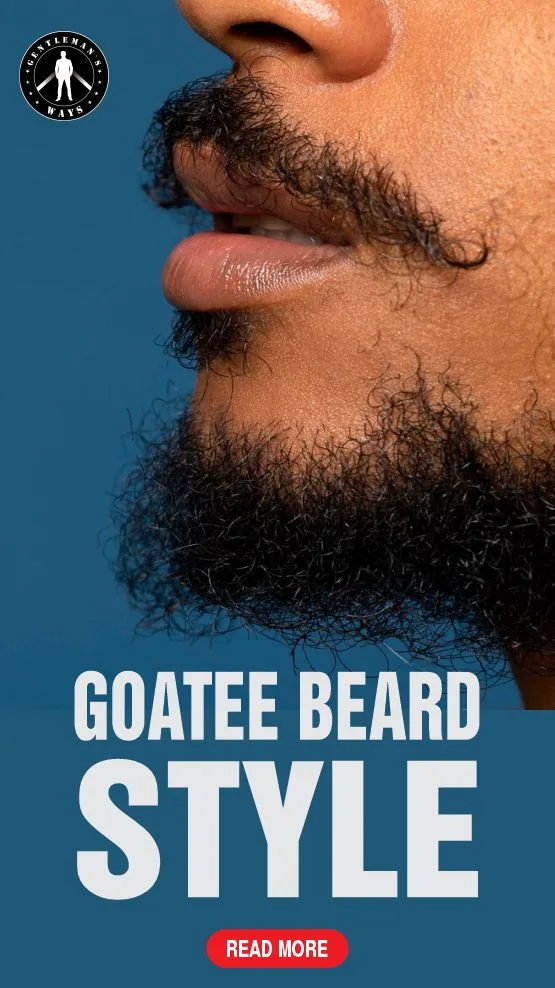
Final Words from Gentsways
The goatee beard covers a family of chin-centered styles, from the classic chin puff to the extended Hollywoodian.
The word dates to 1841, while the pointed Van Dyck look goes back to the 17th-century English court.
Match the style to your face, grow everything out first, then shave the cheeks and neck with care.
Edge every few days, use oil or conditioner for the skin, and see a dermatologist about stubborn bumps.
Pick one style this month and let Gentsways help you keep it sharp from the very first trim.
Frequently Asked Questions
What is the difference between a goatee and a Van Dyke?
A true goatee covers only the chin and leaves the upper lip shaved. A Van Dyke adds a separate mustache to a pointed chin beard, with cheeks shaved.
What is a goatee without a mustache called?
Most barbers call it a classic goatee, chin puff or simply a chin beard. Purists see this chin-only version as the original meaning of the word goatee.
What is a disconnected goatee?
It is a mustache and chin beard with a clear strip of shaved skin between them. The gap suits men whose hair grows patchy at the mouth corners.
Which goatee suits a round or square face?
Round faces look longer with a pointed or extended chin beard that adds vertical line. Square jaws look softer with a rounded circle beard framing the mouth.
When should I trim my goatee?
Edge the outline every two or three days and trim the length weekly. A barber visit every few weeks keeps the overall design accurate and symmetrical.
How do you start a goatee?
Grow all your facial hair for a few weeks, then shave the cheeks and neck. Refine the outline slowly over the next few trims until it looks balanced.
What does a goatee say about a man?
Little reliable research links facial hair to personality, so the beard alone reveals little. A neat one does suggest care, while an untidy one suggests the opposite.
Disclaimer: This article is for informational purposes only and does not constitute medical, fitness, or professional advice. The author is not a certified personal trainer, licensed therapist, nutritionist, or medical doctor. Where content is based on personal experience or observation, this is stated clearly in the article. Always consult a qualified professional before making significant changes to your health, fitness, or wellness routine.
Pyo Merez is a 45-yeard old husband, father, and a chemical engineer by profession and the founder of Gentsways, a men’s lifestyle site built in honour of his father, Dee Clement. He has been writing about men’s development, style, and character through his father’s lens since 2021, drawing on lived experience, his father’s example, and research from reputable publications. He is not a certified trainer or therapist; where fitness or health topics require it, articles are reviewed by qualified contributors.