A well-made suit still carries real weight after fifty, but the suit that fit you at thirty rarely flatters the body you have now. With age, shoulders slope, posture shifts and waists change, so cut and fit count for more than any brand name.
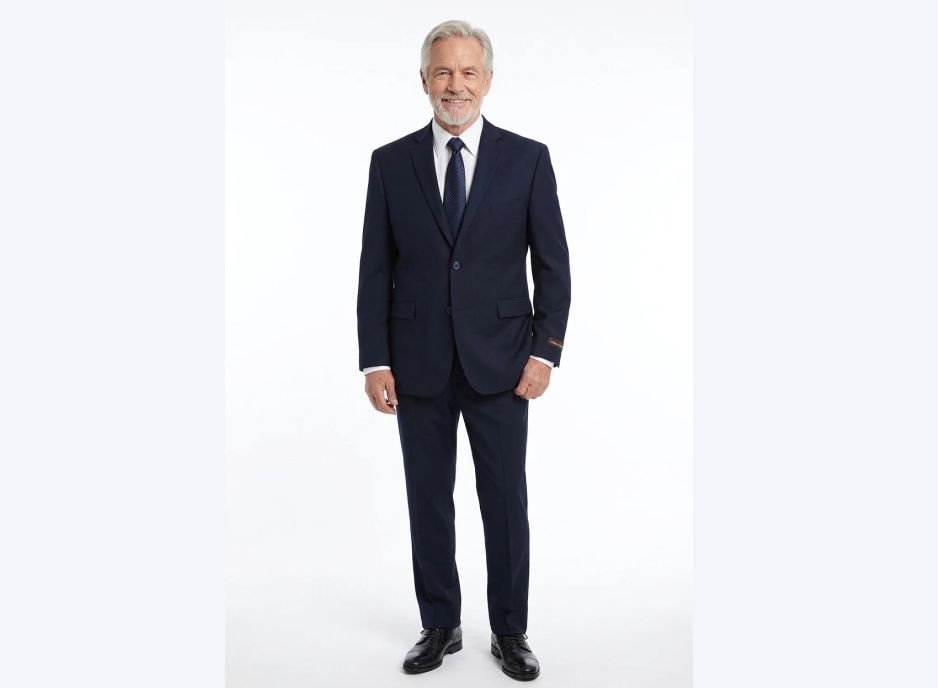
The best suits for men over 50 pair classic cuts and soft structure with comfortable trousers and colors that flatter gray or graying hair.
My wardrobe holds three suits: a royal blue and a gray, both tailor-made, and a ready-made navy tuxedo from a friend’s wedding.
Dee Clement, my father, once kept a suit with a matching waistcoat, though as he aged he chose native attire for events instead.
What follows covers body changes, cuts, fit, fabrics, colors, styling, tailoring and the slips that age a suit.
Table of Contents
How Your Body Changes After 50
Tailoring that ignores the changes below will pull, sag or bunch, so knowing them saves money at the tailor.
Harvard Health reports that people lose almost half an inch of height every ten years after 40, with the pace quickening after 70.
The Harvard Men’s Health Watch notes that most men lose around 30% of their muscle mass over a lifetime.
- Shoulders may slope or round forward, so jackets can collapse at the top or gape at the collar.
- The chest may flatten while the middle widens, which changes how buttons sit and pull.
- Height loss can make old trousers pool at the shoe and jacket sleeves look too long.
- Posture changes can make the jacket hem tilt, rising at the back and dropping at the front.
A good tailor can adjust for all of these, but only if the suit you start with is close to your current frame.
The Best Suit Cuts for Older Men
Classic, moderate proportions look current for longer and flatter mature frames better than trend-driven cuts.
The modern suit grew from the lounge suit, which Wikipedia notes began as relaxed British country wear before becoming standard business dress.
Single-Breasted, Two Buttons
A single-breasted jacket with two buttons flatters most men over 50 and adapts to nearly any occasion.
It creates a gentle V at the chest, draws the eye up toward the face and suits most builds.
Soft or Natural Shoulders
Light shoulder padding follows your natural line without making you look boxed in or stiff.
Heavily padded or very sharp shoulders can look dated and emphasize any slope or stoop.
Medium Lapels
Lapels of moderate width balance the chest and face, while very skinny lapels look too young and very wide ones look heavy.
Double-Breasted for Slimmer Men
A double-breasted jacket adds presence and works well on slimmer or taller men over 50.
Men with a fuller middle usually look better in single-breasted jackets, which create a longer, slimmer line.
The Three-Piece Option
A waistcoat adds polish, hides a loosened tie and keeps the shirt tidy once you remove the jacket.
My father once owned this traditional cut, and it still suits a dignified older man today.
For more on suit types and construction, see suit styles and construction in the main Gentsways suit pillar.
Checking Fit After 50
Fit separates a sharp suit from a tired one, and a few checks reveal most problems.
- Shoulders: the jacket’s shoulder line should finish exactly at your own, without dents or drooping fabric.
- Collar: at the back, jacket and shirt collars should sit together with no visible gap.
- Chest and waist: the buttoned jacket should lie flat without creases pulling outward from the button.
- Sleeves: let a little shirt cuff show, which may now mean shortening sleeves after height loss.
- Jacket length: the hem should roughly cover your seat, neither cropped short nor reaching the thighs.
- Trousers: pick a rise that reaches your natural waist and stays put when you sit.
- Trouser length: aim for a slight or no break, since pooled fabric looks sloppy and shortens the leg.
For a full set of checks, see proper jacket and trouser fit and use it before your next fitting.
Trousers That Suit Older Men
Suit trousers deserve equal attention to the jacket, especially when comfort and the waistline change.
- A higher rise covers the waist neatly and avoids a low waistband cutting across a fuller middle.
- Single pleats give extra ease through the hips and help trousers drape over a fuller frame.
- Side adjusters or a stretch waistband allow comfort without a belt digging in.
- A straight or slightly narrowing leg looks current without the tightness of very slim cuts.
For rises, pleats and fabrics, see suit trousers explained alongside other trouser styles.
Fabrics for Comfort and Polish
Mature men usually wear suits for long events, so fabric should breathe, resist creasing and drape well.
The Woolmark Company explains that quality wool suiting recovers well from wrinkles and drapes beautifully.
- Year-round worsted wool: the most adaptable choice for most climates and occasions.
- Tropical or open-weave wool: a light, breathable option for heat and long summer weddings.
- Wool with added stretch: brings comfort for long days of sitting, standing and greeting.
- Flannel and tweed: warm, textured choices for cold months and country settings.
- Linen and cotton: cool and relaxed for summer, though they crease more readily.
Hang your suit after each wear, as Woolmark advises, so the fabric can recover overnight.
Choosing a Suit Color
The cloth color frames your face and gray hair, so choose shades that add depth without harshness.
- Navy: the hardest-working suit shade, flattering on nearly every skin tone and hair color.
- Charcoal: formal, quiet and ideal for funerals, interviews and evening events.
- Medium gray: softer than charcoal and well suited to daytime weddings and offices.
- Royal or bright blue: a confident choice for celebrations, especially on medium or deep skin.
- Brown and olive: warm, relaxed shades for autumn, country events and less formal settings.
A classic cut keeps a strong blue, like the royal blue of my own suit, looking smart and grown-up.
For shade pairings, see suit shades for silver hair before choosing a new suit cloth.
Buying Ready-Made or Having One Made
Older bodies rarely match standard sizes perfectly, so plan to tailor whatever you buy.
- Off the rack: affordable and quick, but nearly always needs sleeve, trouser and waist adjustments.
- Made-to-measure: a house pattern altered to suit your body, a strong middle ground for mature frames.
- Fully tailored: cut from scratch around your body, ideal for men with sloping shoulders or uneven posture.
Two of my suits came from my tailor’s workshop, while my tuxedo came off the rail, so both routes can work well.
When buying ready-made, I test every part of a jacket in the shop. I also lean slightly bigger, because taking in is easier than letting out.
For sizing help, check a jacket size chart before ordering any suit online.
How to Style a Suit After 50
Shirts, ties and shoes complete the suit and decide how formal or relaxed the look feels.
- Wear white, light blue or fine-striped dress shirts with a collar that fits without squeezing.
- Choose silk ties in burgundy, navy, deep green or quiet patterns, and keep the knot neat and medium-sized.
- Pair black oxfords with charcoal or navy at formal events, and dark brown shoes for daytime.
- Keep the watch slim enough to slip under the cuff and the belt matched to the shoes.
I enjoy checked and striped dress shirts with my suits, and an oxford shirt tucked under a suit looks sharp.
My old field watch looked too bulky under a suit cuff, so I left it off whenever I wore tailoring.
For finishing touches, see shirts for suiting, neckwear for tailoring and formal shoes for suits.
Suits also work without a tie, paired with an open-collar shirt or a fine knit for relaxed events.
How Many Suits Do Men Over 50 Need?
Most older men need fewer suits than they once did, especially after leaving office life.
- A navy suit for weddings, church, celebrations and most formal events.
- One charcoal or gray suit for funerals, interviews and solemn occasions.
- One optional third suit in a lighter fabric or brighter color for summer and celebrations.
For office-specific tailoring, see suiting for workdays after fifty and the alternatives to a full suit.
Common Suit Errors After 50
- Wearing old suits that no longer fit the shoulders or waist.
- Keeping skinny, trend-led cuts that look like borrowed clothes on mature frames.
- Letting trousers pool over the shoes after a decade or two of natural height loss.
- Wearing very low-rise trousers that slide beneath a fuller middle and look untidy.
- Doing up the lowest jacket button, when tradition expects it to stay open.
- Skipping alterations, which leaves even an expensive suit looking cheap and borrowed.
For storage that keeps suits in good condition, see hanging and storing tailoring between wears.
Conclusion
Sharp suits for men over 50 rely on classic cuts, soft shoulders, comfortable rises and calm colors.
Check the fit against your current body, and let a tailor adjust sleeves, hems and waist after any height or weight change.
Choose breathable wool, keep two or three suits, and style them with crisp shirts and polished shoes.
My tailored suits and my father’s waistcoated one both show that tailoring carries quiet dignity at any age.
Book a fitting for your favorite suit this month, and read tailoring advice for mature men as you plan what comes next.
Frequently Asked Questions
What suit style suits men over 50 best?
A single-breasted jacket with two buttons, soft shoulders and medium lapels flatters most older men. Pair it with trousers sitting at your true waistline and a slight break.
How should a suit fit an older man?
The jacket’s shoulder line should match your own, the buttoned front should lie smooth, and some cuff should show. Trousers belong at your true waistline, never slipping below a fuller middle.
What suit colors are best for men over 50?
Most older men look good in navy, charcoal or medium gray, all of which flatter graying hair. Royal blue, brown and olive bring variety for celebrations and relaxed events.
Should older men wear three-piece suits?
Yes, a waistcoat brings polish and keeps the shirt and tie tidy. It suits weddings, formal events and cold weather, especially on slimmer frames.
Disclaimer: This article is for informational purposes only and does not constitute medical advice. The author is not a medical doctor, and the points on height and muscle changes come from the cited Harvard Health sources. Speak with a doctor about any sudden or significant height loss.
Pyo Merez is a 45-yeard old husband, father, and a chemical engineer by profession and the founder of Gentsways, a men’s lifestyle site built in honour of his father, Dee Clement. He has been writing about men’s development, style, and character through his father’s lens since 2021, drawing on lived experience, his father’s example, and research from reputable publications. He is not a certified trainer or therapist; where fitness or health topics require it, articles are reviewed by qualified contributors.