

Last updated on September 21st, 2026 at 03:59 pm
Alcohol and smoking get lumped together constantly as a testosterone-killing combo for men, but the actual research treats them very differently, and one claim gets it backwards.
Heavy alcohol use has a real, well-documented effect on testosterone in men, mainly through liver strain and disrupted sleep.
Smoking’s relationship with testosterone is far more complicated than commonly claimed, and several large studies actually point the opposite direction from what most content repeats.
This guide separates what the evidence actually supports from what gets exaggerated or misrepresented for each habit.
For the habits that reliably support healthy testosterone regardless, this site’s natural ways to boost testosterone guide is the better starting point.
Disclaimer: This article is for informational purposes only and does not constitute medical advice. Always consult a qualified professional before making significant changes to alcohol use or smoking cessation, especially alongside existing medications.
Table of Contents
Alcohol and Testosterone: What Actually Happens
Heavy, chronic alcohol use disrupts testosterone production through a fairly well-understood pathway.
The liver plays a central role in clearing excess estrogen and processing hormone precursors, and sustained heavy drinking damages that function over time.

As liver capacity declines, estrogen can build up while testosterone production falls, a pattern most clearly documented in men with alcohol-related liver disease specifically.
Where the evidence gets weaker is the claim that moderate, occasional drinking produces the same effect.
Most of the strongest research behind alcohol’s hormonal impact comes from heavy or chronic use, not a couple of drinks on a weekend.
That distinction matters, since treating every level of alcohol consumption as equally harmful overstates what the science actually shows.
Alcohol’s Clearer Impact: Sleep
Alcohol’s effect on sleep is better established than its direct hormonal mechanism, and sleep is where testosterone production concentrates most heavily.
Alcohol reduces time spent in deep and REM sleep specifically, the stages where testosterone release is highest.
This site’s full breakdown of sleep and testosterone covers exactly how much a single disrupted night can cost you, and why quality matters more than raw hours.
Smoking and Testosterone: A More Complicated Picture Than Most Content Admits
This is where the evidence runs contrary to what gets repeated most often.
A meta-analysis pooling 28 observational studies across 13,317 men found smokers had higher, not lower, measured total testosterone than non-smokers, with the difference appearing to grow with heavier smoking, according to research published in the International Journal of Andrology.
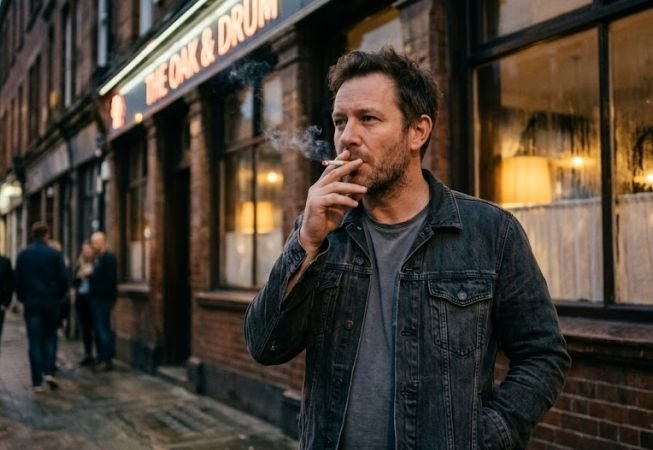
One proposed explanation is that a nicotine byproduct slows how quickly the body clears testosterone from the bloodstream, keeping more of it circulating rather than the body producing more.
This finding does not mean smoking benefits testosterone or overall health in any meaningful sense.
A higher number on a blood test doesn’t reflect the damage happening elsewhere.
Smoking measurably harms sperm count and motility, damages the blood vessels responsible for erectile function, and one study found smokers who achieved normalized testosterone through replacement therapy still had significantly worse cardiovascular outcomes and mortality than non-smokers at the same testosterone level.
Smoking undermines nearly everything testosterone is supposed to support: circulation, fertility, cardiovascular health, even while the raw number on a lab report might look unaffected or slightly elevated.
Why This Distinction Matters
Lumping alcohol and smoking together as if they cause the same problem the same way oversimplifies both.
Alcohol’s harm concentrates in liver function and sleep disruption, worse at heavy or chronic use.
Smoking’s harm concentrates in circulation, fertility, and cardiovascular risk, largely independent of what a testosterone blood test shows.
Treating both as a simple “lowers your testosterone” story misses what’s actually happening in each case, and misses the harm smoking causes that has nothing to do with a hormone panel at all.
What Actually Helps
If you drink regularly, reducing intake supports liver function and sleep quality, both of which matter more for testosterone than the alcohol itself in moderate amounts.
If you smoke, quitting improves circulation, fertility, and long-term cardiovascular risk regardless of what happens to your testosterone number specifically.
This site’s complete guide to what genuinely supports healthy testosterone covers the habits with the strongest overall evidence behind them.
And if you’re noticing symptoms like fatigue or reduced libido regardless of drinking or smoking history, this piece on recognizing low testosterone walks through what’s actually worth checking with a doctor.
For men already managing a confirmed low testosterone diagnosis, both habits are worth discussing directly with whoever manages your treatment, since alcohol and smoking can interact with medication and monitoring in ways covered in our guide to medical treatment options.
Conclusion
Alcohol and smoking don’t affect testosterone in men the same way, and treating them as a matched pair misses what the evidence actually shows.
Heavy alcohol use disrupts liver function and sleep, testosterone’s biggest daily driver.
Smoking’s measured effect on testosterone runs the opposite direction from common claims, but the habit still causes serious harm everywhere else that matters.
Reduce or quit both for reasons that go well beyond a single hormone number.
Frequently Asked Questions
Does moderate alcohol use lower testosterone?
The strongest evidence for alcohol’s hormonal impact comes from heavy or chronic drinking, particularly with liver damage. Moderate, occasional drinking isn’t as clearly linked to the same effect.
Does smoking lower testosterone in men?
Large studies actually show smokers have slightly higher measured testosterone than non-smokers, though this doesn’t reflect the serious harm smoking causes to fertility, circulation, and cardiovascular health.
Why doesn’t higher testosterone in smokers mean smoking is healthy?
A blood test number doesn’t capture sperm quality, erectile function, or cardiovascular risk, all of which smoking damages independently of the testosterone reading itself.
What actually helps if I drink or smoke regularly?
Reducing alcohol supports liver function and sleep quality. Quitting smoking improves circulation and fertility, both worth pursuing regardless of any specific testosterone number.

Pyo Merez is a 45-yeard old husband, father, and a chemical engineer by profession and the founder of Gentsways, a men’s lifestyle site built in honour of his father, Dee Clement. He has been writing about men’s development, style, and character through his father’s lens since 2021, drawing on lived experience, his father’s example, and research from reputable publications. He is not a certified trainer or therapist; where fitness or health topics require it, articles are reviewed by qualified contributors.