
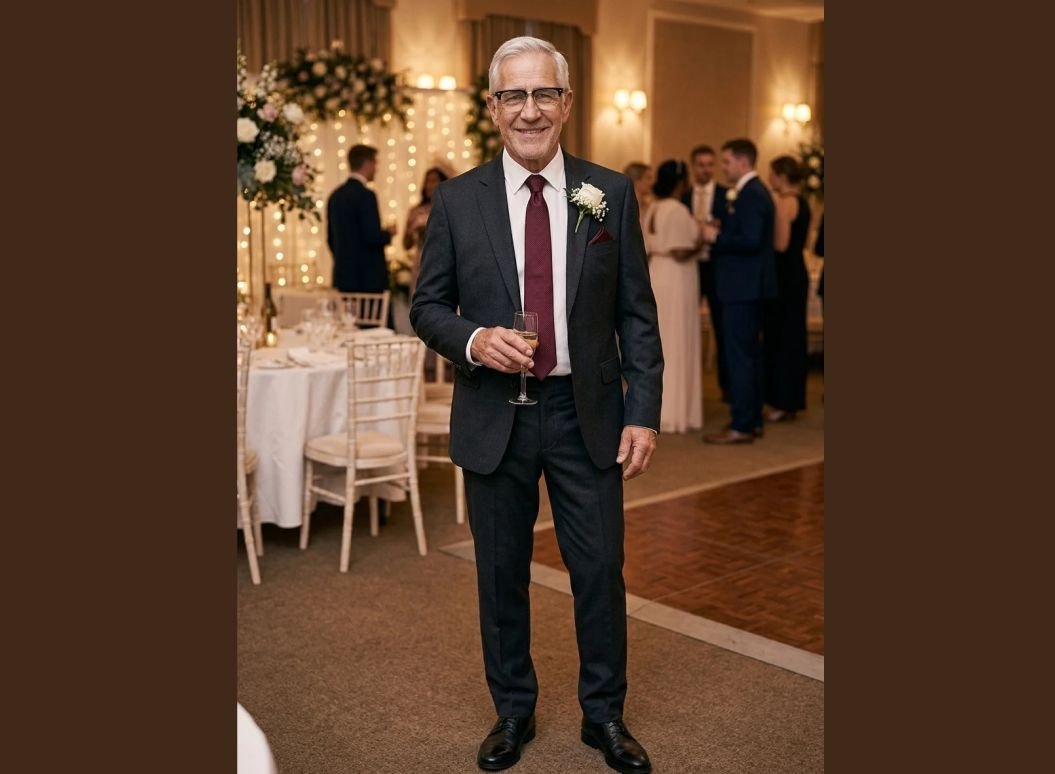
Few men are photographed as much at a wedding as the two fathers, standing beside the couple from the first vow to the last dance. Their outfits should look proud and polished while leaving the spotlight firmly on the bride and groom.
For his children’s weddings, my father, Dee Clement, chose native attire, in keeping with his usual preference for native dress at celebrations.
That choice shows how a father’s outfit can honor tradition and family while still feeling personal.
Father of the groom and bride outfits work best when they follow the couple’s wishes, match the formality and fit perfectly.
What follows covers coordinating with the wedding party, suits and tuxedos, native options, colors, accessories and practical tips for the day.
Table of Contents
The Fathers’ Role on the Wedding Day
Fathers do more than attend, so their clothes need to look right in photographs and work through a long, active day.
Fatherly notes that fathers commonly give a speech, join formal dances and greet guests throughout the celebration.
That means standing, walking, hugging relatives and posing for photographs from morning until late at night.
A well-chosen outfit makes those duties easier, while a poor fit or heavy fabric becomes uncomfortable within hours.
For thoughts on the bond between fathers and daughters, read about fathers and their daughters on Gentsways.
Start With the Couple’s Wishes
The couple decides the look of the day, so the first step is a simple conversation well before the wedding.
The Knot advises that suit color and accessories depend on the dress code and the couple’s preference, and fathers should default to their choices.
- Ask about the dress code, colors and if the couple wants the fathers to match the wedding party.
- Check if a traditional ceremony will need native attire in addition to a church or court wedding outfit.
- Coordinate with the other father, so neither of you appears far more formal than the other.
- Confirm when outfits should be ready, especially if a tailor is sewing native wear or altering a suit.
David’s Bridal suggests that both fathers aim for similar formality, since a quick conversation prevents awkward photo mismatches.
Should the Fathers Match the Groomsmen?
Fathers can match the wedding party or stand slightly apart, and both approaches look correct when handled well.
A common middle path is to look related but not identical, wearing the same formality with one small difference.
Jos A Bank suggests that if the party wears navy, a charcoal or deep gray suit still looks like family.
- Wear the same suit or tuxedo color as the groomsmen, but choose a different tie or pocket square.
- Choose a complementary shade, such as charcoal when the party wears navy, with matching accessories.
- Add a distinguishing touch, such as a waistcoat, a special boutonniere or cufflinks given by the couple.
For ideas on what the party may wear, see matching the groom’s party before buying anything.
Suits and Tuxedos for the Fathers
Western-style weddings call for tailoring, and older fathers look best in well-fitted classic cuts.
Black Tie Weddings
A black or midnight navy tuxedo with a white dress shirt, black bow tie and polished black shoes is correct.
Choose a shawl or peak lapel, and keep accessories simple so the look stays dignified rather than flashy.
Formal and Black Tie Optional Weddings
Dark navy or charcoal worsted, worn with a pressed white shirt and silk tie, suits most formal weddings.
Three-piece suits add distinction for a father, and the waistcoat keeps him tidy once the reception warms up.
Daytime and Outdoor Weddings
Lighter grays, soft blues and tan suits suit garden or beach weddings, especially in warm climates.
Linen-blend or tropical wool keeps fathers comfortable through long outdoor ceremonies and photographs.
For more on cuts and fabrics, read about suit fabrics and cuts before your fitting.
Native and Traditional Attire for the Fathers
A great many West African weddings include a traditional ceremony where native attire is expected and admired.
As my father’s choice shows, a father in fine native wear carries the dignity of the family and the culture.
Agbada
The agbada is a flowing robe traditionally worn by the Yoruba, with an inner garment and matching trousers beneath.
Its grand outline suits fathers at Yoruba engagements and weddings, especially in rich colors with refined embroidery.
Senator and Kaftan Outfits
Senator outfits combine a fitted long top and matching trousers, and they look clean, modern and dignified on older men.
Choose plain, rich fabrics with subtle embroidery, and match a cap to the outfit where custom calls for one.
Igbo Traditional Attire
At an Igbo traditional marriage, known as Igba Nkwu, families and kinship groups take part in the ceremony together.
The Guardian Nigeria notes that Igbo men value traditional dress such as isiagu with a red cap.
Some fathers add coral beads, a walking stick or other family heirlooms where local custom allows.
Coordinating With Aso Ebi
Families sometimes choose an aso ebi fabric for relatives, so check if the fathers are expected to wear it or something distinct.
A father may wear the family fabric in a grander cut, or choose a richer fabric in a coordinating color.
The Fathers’ Colors and Cloth
Fathers should look distinguished in photographs, so rich, calm colors usually work better than bright or trendy shades.
- Navy and charcoal: classic for suits, flattering with gray hair and correct for most formal weddings.
- Black: reserved for black tie, or for native attire where the couple has chosen it.
- Cream, gold and wine: popular for native attire, adding richness without competing with the couple.
- Soft gray and blue: suitable for daytime and outdoor weddings in warm weather.
Avoid white or ivory suits unless the couple asks, since those shades usually belong to the bride or groom.
Accessories That Mark the Fathers’ Role
Small details can show a father’s special place in the day without pulling attention from the couple.
- Boutonniere: a flower matching the groomsmen’s, or a slightly different one that marks the fathers.
- Tie or bow tie: in the wedding colors or a coordinating shade agreed with the couple.
- Pocket square: white linen for formality, or silk carrying one of the wedding colors.
- Cufflinks: a gift from the couple makes a meaningful keepsake for the fathers.
- Watch: a thin dress watch that hides beneath the cuff and matches the formality.
For finishing touches, see boutonnieres and pocket squares, ties for a father’s role and a slim formal timepiece.
Shoes for a Long Day on Your Feet
Fathers spend hours standing and greeting, so shoes need to be polished, broken in and comfortable.
- Black oxfords suit tuxedos and dark formal suits, especially at evening weddings.
- Dark brown oxfords or monk straps suit navy, gray and blue suits at daytime weddings.
- Tasseled loafers or monk straps complement senator outfits and many native styles.
- Break new shoes in at home over the fortnight before the wedding.
Choose from these black oxfords and monk straps and polish them the night before.
Practical Tips for the Big Day
A little planning keeps fathers relaxed, comfortable and ready for every photograph and speech.
- Book fittings early, at least six to eight weeks before the wedding, to allow time for alterations.
- Try on the full outfit, including shoes and accessories, a week before the day.
- Pack a small kit with a spare handkerchief, safety pins, a lint roller and any medication you need.
- Keep your speech notes in an inside pocket where you can reach them easily.
For the speech itself, read about writing a father’s speech and proposing a toast well.
The couple’s preparations are covered in the groom’s planning steps, which helps fathers understand the timeline too.
Common Errors Fathers Should Avoid
- Dressing more formally than the groom, which draws eyes away from the couple.
- Ignoring the couple’s color scheme or wearing something they asked fathers to avoid.
- Arriving in an ill-fitting suit or native outfit that was never tried on before the day.
- Wearing brand-new shoes that cause pain by the time the speeches begin.
- Choosing loud patterns or flashy accessories that clash with the wedding party in pictures.
For more on dressing as a guest at any celebration, see guest outfits at any wedding on Gentsways.
Conclusion
Father of the groom and bride outfits should honor the couple, match the formality and fit you perfectly.
Talk with the couple early, coordinate with the other father and decide between a suit, tuxedo or native attire.
Choose rich, calm colors, keep accessories meaningful and wear in your shoes well before the day.
My father wore native attire to his children’s weddings, and that kind of thoughtful choice is what families remember.
Plan your outfit this month, book a fitting, and read the older men’s fashion pillar for dressing ideas beyond the wedding.
Frequently Asked Questions
How should the father of the bride dress?
He should follow the couple’s dress code and colors, usually a dark suit, tuxedo or native attire for traditional ceremonies. His outfit should look clearly related to the wedding party’s own clothing.
Does the father of the groom match the groomsmen?
He can match them or wear a complementary shade with the same formality. Many fathers add a different tie, pocket square or boutonniere to mark their special role.
Is native dress appropriate for the couple’s fathers?
Yes, agbada, senator outfits and other native attire suit traditional ceremonies and many church weddings. Coordinate colors and fabrics with the couple and the families’ chosen aso ebi.
Should both fathers dress the same?
They need not match exactly, but both outfits should sit at the same level of formality. A short conversation between the two families prevents mismatched outfits in the wedding photographs.
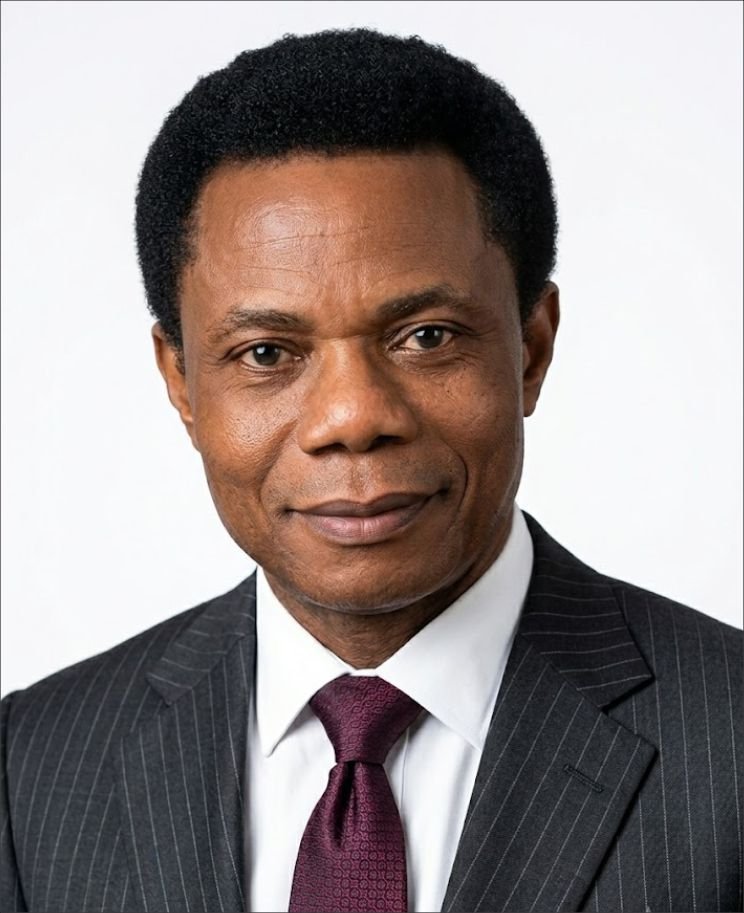
Pyo Merez is a 45-yeard old husband, father, and a chemical engineer by profession and the founder of Gentsways, a men’s lifestyle site built in honour of his father, Dee Clement. He has been writing about men’s development, style, and character through his father’s lens since 2021, drawing on lived experience, his father’s example, and research from reputable publications. He is not a certified trainer or therapist; where fitness or health topics require it, articles are reviewed by qualified contributors.