
Last updated on June 7th, 2026 at 04:30 am
Men pay less attention to their hair, and most times, we feel that getting a haircut or style is enough, and so we neglect proper hair care. Very wrong. A daily men’s hair care routine builds stronger strands and better growth.
Healthy hair starts with consistent care, not occasional effort. A proper men’s hair care routine supports stronger strands and steady hair growth.
Washing, conditioning, and scalp care all work together to improve texture, reduce breakage, and keep your hair looking fresh.
Simple daily habits make a big difference in how your hair behaves and grows.
With the right routine, you maintain balance, prevent dryness or buildup, and support healthier, thicker hair from root to tip without complex steps or expensive products.
In this guide, I will explain why men’s hair care is important and how I have maintained healthy hair for two decades.
If you are new here, I recommend the men’s grooming for beginners.
Table of Contents
Men’s Hair and Scalp Basics
My dad introduced me to hair care early. As a child, I watched him use Youthhair, a popular hair formula back then, and his hair always looked neat, healthy, and well-kept.
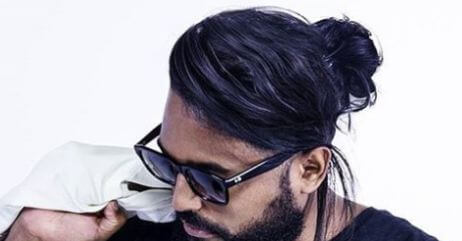
His scalp stayed clean and balanced, and it showed he paid attention to grooming.
Strong hair care starts with knowing how hair grows and how the scalp drives that process.
Scalp condition influences strand strength, thickness, and growth rate over time.
A healthy scalp sets the base for healthier-looking hair, better retention, and consistent grooming results.
See a dedicated post for scalp care.
Hair growth cycle explained simply
Your hair grows in a cycle made of growth, rest, and shedding phases.
During the growth phase, hair pushes out from the follicle, adding length and density.
The rest phase slows growth, while the shedding phase removes old strands so new ones can form.
If your scalp is clean and balanced, this cycle works smoothly, giving you steady hair growth.
Poor scalp care, buildup, or blocked follicles can slow growth, making hair look thin or uneven.
Role of scalp health in hair strength
Your scalp works like the foundation of your hair. Healthy scalp skin feeds hair follicles with nutrients and keeps them active.
When your scalp is clean and well-moisturized, strands grow stronger and break less.
Poor scalp condition leads to weak roots, irritation, and slow growth.
Regular cleansing, gentle massage, and proper hydration improve blood flow to follicles, helping your hair grow thicker and healthier.
Scalp care directly shapes how strong and full your hair looks every day.
Common scalp conditions men face (dryness, oil buildup, dandruff)
Dry scalp can cause itching and flaking, making your hair look dull and weak.
Oil buildup happens when sebum mixes with dirt, leading to clogged follicles and flat-looking hair.
Dandruff shows up as white flakes caused by an imbalance or irritation on the scalp. These conditions affect hair growth and comfort if ignored.
Regular washing with a mild shampoo, balanced oil control, and proper hydration help keep your scalp clean, reduce irritation, and support healthier hair growth over time.
Building a Core Hair Care Routine
Building a core hair care routine gives your hair structure, a clean scalp, and steady growth support through simple washing, conditioning, and scalp maintenance habits that suit daily grooming needs.
Cleansing Routine (Shampoo Basics)
Cleansing sets the base for healthy strands and a balanced scalp.
Oily hair may need washing every day or every other day, while dry or curly hair needs fewer washes each week.
Choose shampoo based on scalp needs, such as dandruff control, moisturizing, or clarifying formulas.
Avoid shampoos with harsh sulfates, strong alcohol, and heavy fragrance that strip natural oils.
Gentle cleansing keeps sebum balanced, reduces buildup, and supports stronger roots and a cleaner hair appearance, and improves scalp health overall.
Conditioning Routine
Conditioner supports moisture retention across all hair lengths, helping reduce dryness and breakage after shampooing.
Apply from mid-lengths to ends, avoiding heavy buildup on the scalp unless the product is designed for it.
Rinse-out conditioners work during wash days, while leave-in conditioners add ongoing softness, frizz control, and easier styling throughout the day.
Choosing the right formula based on hair texture keeps strands smooth, manageable, and protected from environmental dryness, heat damage, and daily grooming stress, and improves shine balance naturally.
Scalp Care Routine
Scalp care keeps roots clean without stripping natural oils, supporting steady growth conditions, and reducing discomfort.
Gentle exfoliation removes dead skin cells, excess sebum, and product buildup that can clog follicles.
Regular cleansing routines help reduce dandruff, flaking, and irritation linked to dryness or product residue.
Using lightweight scalp treatments or natural oils in moderation supports balance, while avoiding harsh scrubbing protects sensitivity.
A calm scalp environment supports healthier-looking hair, stronger roots, and consistent grooming results over time, naturally sustained.
Moisture and Hair Hydration
Moisture and Hair Hydration shape how your hair feels, how it behaves, and how it resists breakage, dryness, and rough texture through steady hydration habits and proper product use.
Importance of moisture balance for hair strength
Moisture balance keeps your hair flexible, soft, and less prone to snapping during combing or styling.
Dry strands lose elasticity, making breakage more likely, especially at the ends.
Hydrated hair holds shape better, reduces frizz, and responds well to grooming products.
Scalp health also links to moisture levels, since a dry scalp can lead to flaking and weak roots.
Drinking water, using hydrating shampoos, and sealing moisture after washing all help maintain steady strength and smoother hair texture.
Oils, creams, and leave-in products explained
Hair oils, creams, and leave-in conditioners each serve different roles in hydration.
Oils like coconut or argan help seal moisture after washing, preventing water loss from strands.
Creams add softness and help with curl definition or manageability.
Leave-in products stay in the hair to provide all-day hydration, reduce frizz, and protect against dryness from sun or heat.
Applying the right product depends on your hair type, thickness, and styling needs, helping you maintain smoother, healthier-looking strands daily.
Preventing dryness and breakage
Dryness leads to weak strands, split ends, and rough texture, which makes styling harder.
Regular conditioning, gentle detangling, and avoiding excessive heat help reduce damage.
Washing with mild shampoo prevents stripping natural oils, while sealing moisture after wash days keeps hair protected longer.
Protective hairstyles can reduce friction and breakage during sleep or daily movement.
Paying attention to how your hair reacts to weather, products, and styling tools helps you adjust your routine and maintain stronger, more resilient hair over time.
Weekly and Monthly Hair Care Maintenance
Weekly and monthly hair care maintenance keeps your hair steady, clean, and balanced through planned deep cleansing, conditioning, and scalp reset routines.
These support healthy growth, moisture balance, and better manageability without buildup or dryness from daily styling habits.
Deep cleansing and treatment routines
Deep cleansing clears product buildup, sweat, and excess oil that regular shampoo may leave behind.
A clarifying shampoo used once a week or every two weeks helps reset the scalp, especially if gels, creams, or heavy oils are part of your routine.
Follow with strengthening treatments or repair masks to reduce breakage and improve strand strength.
Adjust frequency based on scalp oil levels, styling habits, and how your hair responds to keep it clean but not stripped.
Deep conditioning schedules
Deep conditioning restores softness, moisture, and elasticity after heat, sun exposure, or frequent styling.
A weekly or biweekly mask works well for dry, curly, or chemically treated hair.
Apply from mid-lengths to ends, then leave it in for proper absorption before rinsing.
This step improves smoothness, reduces frizz, and helps prevent split ends.
Regular use keeps hair easier to detangle, more flexible, and less prone to breakage during combing or daily grooming routines.
Scalp detox and clarifying wash routines
Scalp detox removes clogged oils, dead skin, and residue that regular washing may not fully clear.
Clay masks, gentle scrubs, or clarifying shampoos help refresh the scalp and improve follicle health.
Monthly detox works best for oily scalps or heavy product use. Avoid over-cleansing, since it can dry the scalp and cause irritation.
A clean, balanced scalp supports better moisture absorption, reduced dandruff, and a fresher, lighter feel for your hair throughout the week
Healthy Habits That Support Hair Growth
Healthy habits that support hair growth shape how strong, thick, and steady your hair grows by linking daily nutrition, water intake, lifestyle choices, and stress control into a routine that supports scalp health and stronger strands from root to tip.

Diet and nutrition for stronger hair
Food choices directly affect hair strength and growth speed. Protein-rich meals like eggs, fish, beans, and chicken support keratin production, which builds hair structure.
Iron, zinc, and vitamins A, C, D, and E help reduce shedding and support scalp health.
Leafy greens, nuts, and fruits add steady nourishment for follicles.
Skipping meals or poor diets can weaken strands, slow growth, and increase breakage, so balanced eating habits give your hair steady internal support every day.
Hydration and lifestyle impact
Water intake affects scalp moisture and hair flexibility. Low hydration can lead to dry strands, itchiness, and weaker roots that break easily during combing or styling.
Drinking enough water daily supports nutrient flow to hair follicles and keeps strands smoother.
Lifestyle habits like regular sleep, physical activity, and limiting smoking or alcohol also affect growth rate and scalp condition.
Small daily choices add up, shaping how healthy, strong, and consistent your hair looks over time.
Stress and its link to hair thinning
Stress can push hair into a shedding phase earlier than normal, leading to thinning and uneven density.
High stress levels affect hormone balance, which impacts follicle activity and slows growth cycles.
Poor sleep and constant tension can also weaken scalp health.
Simple habits like regular rest, light exercise, and calming routines help reduce pressure on the body.
Managing stress keeps hair in a healthier growth phase and supports steadier, fuller-looking strands without sudden shedding changes.
Common Men’s Hair Care Mistakes
Common Men’s Hair Care Mistakes affect scalp health, hair strength, and growth results when daily habits ignore balance, proper cleansing, and correct product use for long-term grooming success
- Overwashing or underwashing hair: Overwashing strips natural oils, causing dryness, while underwashing leads to buildup, clogged follicles, itchiness, and weak hair strands over time.
- Ignoring scalp care completely: Ignoring scalp care leads to dandruff, irritation, and poor growth conditions, since healthy hair starts from a clean, balanced, well-maintained scalp environment.
- Product misuse and buildup problems: Using too much product or the wrong types creates buildup, weighs hair down, clogs pores, and reduces the effectiveness of shampoos, conditioners, and treatments.
- Relying only on styling instead of care: Focusing only on styling products weakens hair health, since gels and sprays cannot replace cleansing, hydration, and proper maintenance routines.
Hair Loss Concerns
Hair loss in men, also called male pattern baldness or androgenetic alopecia, is a common condition marked by gradual thinning on the scalp.
Genetics and hormones are the main drivers, usually starting with a receding hairline and thinning at the crown.
Over time, it may progress to partial or full baldness. Other causes include stress, scalp infections, nutritional deficiencies, certain medications, and medical conditions.
Temporary shedding conditions like telogen effluvium can also trigger sudden hair fall after illness or stress.
Alopecia areata, an autoimmune issue, causes patchy loss in some cases.
Treatment options depend on the cause and severity. These include medications like finasteride or dutasteride, hair transplants, laser therapy, and scalp micropigmentation.
Some people also use wigs or hairpieces for coverage. A dermatologist can help identify the exact cause and recommend the right approach, improving chances of slowing loss, supporting regrowth, and maintaining healthier scalp conditions over time.
Hair Care for Different Hair Types
Hair Care for Different Hair Types helps you match washing, moisture, and styling habits with your natural texture, so your hair stays balanced, strong, and easier to manage daily.
Straight and fine hair care needs
Straight and fine hair gets oily fast, so frequent washing with lightweight shampoo helps prevent flat, greasy strands.
Avoid heavy oils and thick creams since they weigh hair down.
Light conditioner on ends maintains softness, while dry shampoo supports freshness between washes.
Wavy and curly hair moisture needs
Wavy and curly hair needs steady moisture to maintain shape and reduce frizz.
Hydrating shampoo, rich conditioner, and curl creams improve definition. Air drying or diffusing preserves texture.
Sulfate-free products and wide-tooth combs reduce dryness, breakage, and uneven curl patterns.
Coily and textured hair hydration focus
Coily and textured hair needs strong moisture since natural oils move slowly through tight curls.
Cream moisturizers, leave-in conditioners, and sealing oils lock hydration.
Protective styles reduce breakage, while deep conditioning improves elasticity and softness, keeping hair manageable and defined longer.
Adjusting routines based on scalp type
Scalp type affects hair care results. Oily scalps need frequent cleansing, while dry scalps need gentle washing and added moisture.
Watch for flaking, oil buildup, or tightness. Adjust products based on condition to maintain balance, reduce irritation, and support healthy hair growth.
Linking Hair Care to Haircuts and Styling (Internal Content Bridge)
Linking hair care to haircuts and styling shows how daily grooming, scalp health, and moisture balance directly affect how your haircut sits, how styles hold, and how your overall look stays clean, sharp, and easier to maintain between barber visits and styling routines.
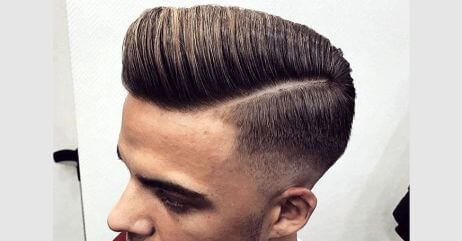
How healthy hair improves haircut results
Healthy hair gives your haircut a better shape, cleaner lines, and smoother texture.
Strong strands fall properly, letting fades, tapers, and trims look sharper, while damaged or dry hair makes cuts appear uneven and harder to style neatly daily.
Why styling products work better on healthy hair
Styling products like pomade, wax, or cream perform better on healthy hair because strands absorb and hold them evenly.
Healthy hair reduces flaking, stiffness, and buildup, giving smoother control, longer hold, and a more natural styled finish overall.
Transition to related posts (haircuts + styling guides)
Next step connects your care routine with haircut choices and styling techniques.
Exploring fade styles, taper cuts, and styling guides helps you match grooming habits with your desired look, improving consistency, confidence, and everyday hair presentation results easily.
When to Seek Professional Help
When to seek professional help helps you recognize early changes in hair density, scalp comfort, and growth patterns, so you know when home care is no longer enough and expert guidance becomes necessary for proper hair and scalp treatment decisions.
Signs of hair loss or scalp disorders
Noticeable thinning, patchy hair loss, constant itching, redness, or flaking can signal scalp disorders or early hair loss.
Excess shedding during washing or combing also points to weakened follicles, requiring closer attention before the condition worsens further.
When to visit a barber or dermatologist
A barber can help assess breakage, poor cut response, or styling issues, while a dermatologist handles medical scalp concerns like persistent dandruff, infection, or hair loss.
Early visits improve chances of restoring a healthy scalp and stronger hair growth.
Treatment options for persistent issues
Persistent hair problems may require medicated shampoos, topical treatments, or prescribed therapies from a dermatologist.
Options like minoxidil, antifungal solutions, or protein treatments can support recovery, but consistency and proper diagnosis guide better results for long-term scalp improvement.
Men’s Hair Care Kits
Men’s hair care kits provide an all-in-one grooming solution designed to simplify daily hair maintenance and styling.
Unlike basic shampoo routines of the past, modern grooming now includes targeted products for different hair types and styles.
A typical kit contains shampoo for cleansing, conditioner for moisture, styling products like wax or pomade, and sometimes combs or scalp treatments for issues like dandruff or itchiness.
These kits offer convenience by combining essentials in one package, saving time and reducing the stress of buying products separately.
They are also cost-effective and often tailored to specific hair needs such as straight, curly, or coily textures. Many include professional-grade formulas used by barbers.
Further Reading
Frequently Asked Questions
What should be the hair care routine for men?
Men’s hair care routine should include regular washing and conditioning, using suitable products for their hair type, and incorporating styling and grooming techniques as desired.
How do I take care of my man’s hair?
To take care of a man’s hair, he should follow a consistent routine of washing, conditioning, and styling using appropriate products and tools for his hair type and desired look.
Which oil is best for men’s hair?
The best oil for men’s hair care depends on individual preferences and hair needs. Some popular options include argan oil, coconut oil, and jojoba oil, known for their nourishing and moisturizing properties.
What is best for hair men?
The best men’s hair care practices include maintaining a healthy lifestyle, using suitable hair care products, avoiding excessive heat styling, and addressing specific hair concerns such as dandruff or hair loss.
Conclusion
Men’s hair care and grooming play a vital role in maintaining a polished and confident appearance.
By understanding their hair type, building a basic hair care routine, and using the right products and tools, men can achieve healthy and stylish hair.
From choosing the right haircut to addressing common hair care issues, such as oily scalp or dryness, taking care of one’s hair is essential.
Additionally, addressing hair loss concerns through preventive measures, professional solutions, and management options can help maintain a full head of hair.
By prioritizing men’s hair care and grooming, individuals can enhance their overall look and boost their self-confidence.
References:
https://www.thebeardedchap.com/blogs/blog/mens-hair-care-guide
Pyo Merez is a 45-yeard old husband, father, and a chemical engineer by profession and the founder of Gentsways, a men’s lifestyle site built in honour of his father, Dee Clement. He has been writing about men’s development, style, and character through his father’s lens since 2021, drawing on lived experience, his father’s example, and research from reputable publications. He is not a certified trainer or therapist; where fitness or health topics require it, articles are reviewed by qualified contributors.