Last updated on May 23rd, 2026 at 06:41 am
Transform your look with the right men’s hairstyling ideas and techniques. Discover pro tips, must-have products, and easy daily routines to master your hairstyle, no matter your hair type or length.
Great hair does not stop at the barber chair. The right styling routine changes how your haircut looks daily, helping your hair appear cleaner, fuller, sharper, textured, and easier to manage every morning.
A fresh haircut can lose its shape quickly without proper styling.
Flat roots, dry strands, frizz, greasy buildup, and poor product choices can make even expensive haircuts look messy.
Good hairstyling helps control volume, define texture, improve hair movement, and keep your hairstyle looking intentional instead of rushed.
Haircuts and hairstyling are connected, but they are not the same thing.
Your barber creates the foundation through cutting, fading, tapering, or layering.
Styling happens afterward through blow drying, brushing, product application, hair routines, and daily maintenance.
A clean fade, textured crop, slick back, curly hairstyle, or layered flow can look completely different depending on how you style it at home.
The same haircut can look sharp and polished one day, then flat and lifeless the next.
Product choice, hair moisture, drying technique, and styling methods all change the final result.
Thick hair reacts differently from fine hair, curly hair needs different products than straight hair, and long hairstyles need more control than short textured styles.
This guide stays centered on hairstyling techniques for men.
You will learn how to style different hair lengths and textures, how to use men’s hair products correctly, how to build a daily hair routine, and how to keep your hairstyle looking fresh throughout the day.
See our massive guide on men’s haircuts and styles.
Also worthy of your attention is the men’s haircare, scalp and maintenance guide.
Table of Contents
What Makes Hairstyling Different From Haircuts
- Haircuts Create Shape, Styling Creates the Final Look: Barbers create structure through cutting and fading, while styling controls texture, volume, shine, movement, hold, and daily appearance using products and techniques.
- Styling Changes How Your Hair Looks Daily: Different styling methods can make the same haircut appear messy, polished, textured, fuller, flatter, cleaner, or more relaxed without changing the cut itself.
- Hair Products Affect Texture and Hold: Pomade, clay, wax, mousse, and sea salt spray all change hair control, shine level, texture definition, movement, and hairstyle durability throughout the day.
- Styling Techniques Improve Hair Volume and Shape: Blow drying, finger styling, brushing direction, and product layering help shape hairstyles properly while improving fullness, structure, and hair control.
- Daily Hair Routines Keep Hairstyles Looking Fresh: Consistent washing, conditioning, moisture balance, and proper product application help reduce frizz, dryness, oil buildup, and collapsed hairstyles during busy days.
Essential Hair Styling Basics for Men
Good hairstyling starts with knowing how your hair reacts to products, moisture, heat, brushing, and daily routines.
Hair type, density, porosity, and texture all affect volume, hold, shine, frizz control, and styling results.
Different hair needs different techniques for better control and appearance.
Your Hair Type and Styling
- Straight hair styling behavior: Straight hair reflects shine easily, becomes oily faster, and needs texture products or volume techniques to avoid looking flat daily.
- Wavy hair styling characteristics: Wavy hair balances texture and movement naturally, working well with sea salt sprays, lightweight creams, and loose styling techniques.
- Curly hair shrinkage and definition: Curly hair shrinks after drying, needs moisture-rich products, and responds better to curl creams that improve definition and softness.
- Coily hair moisture retention and styling needs: Coily hair dries quickly, needs heavy moisture support, and works best with leave-in conditioners, oils, and protective styling routines.
Your Hair Density, Thickness, and Styling
- Fine hair and lightweight styling: Fine hair loses volume quickly, becomes greasy faster, and needs lightweight products that add texture without flattening the hairstyle.
- Medium-density hair flexibility: Medium-density hair handles most hairstyles easily, allowing balanced styling with creams, clays, pomades, and moderate heat application techniques.
- Thick hair control and hold: Thick hair needs stronger hold products, controlled blow drying, and proper layering techniques to reduce puffiness and improve manageability.
Hair Porosity and Styling
- Low-porosity hair product buildup: Low-porosity hair absorbs moisture slowly, causing heavy products to sit on strands and create greasy buildup without proper application.
- Medium-porosity hair balance: Medium-porosity hair holds moisture effectively, responds well to most styling products, and stays manageable with balanced haircare and styling routines.
- High-porosity hair moisture absorption: High-porosity hair absorbs moisture quickly but loses hydration faster, requiring creams, oils, and frizz-control products for better styling results.
Why Hair Texture Changes Styling Results
- Product absorption differences: Different hair textures absorb pomades, waxes, creams, and sprays differently, affecting shine, hold strength, texture definition, and hairstyle longevity daily.
- Hold and volume variations: Fine hair struggles with heavy products, while thick or curly hair usually needs stronger hold for better volume and shape.
- Frizz and moisture control: Curly and coily hair react strongly to humidity, requiring moisture-control products and careful styling routines to reduce unwanted frizz effectively.
Men’s Daily Hairstyling Routine
A good hairstyling routine keeps your hair cleaner, easier to control, and better looking throughout the day.
Small habits like proper washing, drying, brushing, and product application help improve texture, volume, shine, and hairstyle durability without making your hair feel greasy or damaged.
Starting With Clean Hair
Healthy hairstyling starts with clean hair and a balanced scalp.
Dirt, sweat, oil buildup, and leftover products can flatten hairstyles and reduce hold.
Proper washing habits help your hair feel lighter, cleaner, and easier to style while keeping natural moisture balanced for better texture and movement daily.
- Washing frequency: Washing hair two to three times weekly helps remove buildup without stripping natural oils needed for softness and healthy texture.
- Avoiding over-washing: Daily shampooing can dry your scalp, weaken hair strands, increase frizz, and make hairstyles harder to maintain throughout busy days.
- Choosing the right shampoo: Lightweight shampoos suit oily hair, while moisturizing shampoos help dry, curly, thick, or damaged hair stay softer and more manageable longer.
See a dedicated article on men’s haircare.
Conditioning for Better Styling
Conditioning helps prepare your hair for smoother styling and easier control.
Dry, rough strands usually resist styling products and lose shape faster.
A good conditioner improves softness, reduces tangles, controls frizz, and keeps your hairstyle looking cleaner while helping brushes, combs, and products move through hair more smoothly.
- Softening hair strands: Conditioner smooths rough hair cuticles, helping your hair feel softer and easier to shape using brushes, fingers, or styling products.
- Reducing frizz: Hydrated hair reacts better to humidity, reducing flyaways, puffiness, dryness, and rough texture during daily hairstyling routines and activities.
- Improving manageability: Conditioned hair tangles less, responds better to styling, and makes brushing, blow drying, and product application easier every morning.
Towel Drying Without Damage
Hair becomes weaker after washing, making rough towel drying harmful for many hair types.
Aggressive rubbing creates frizz, breakage, split ends, and tangled strands.
Gentle drying techniques protect your hair texture while helping products absorb better and improving styling control before using heat tools or styling creams.
- Avoiding rough drying: Pressing hair gently with a towel reduces friction, helping prevent breakage, frizz, split ends, and rough texture after washing hair.
- Leaving slight dampness for styling: Slightly damp hair absorbs styling products better, helping creams, sprays, pomades, and clays spread evenly throughout your hairstyle naturally.
Using Heat Tools Correctly
Heat tools help shape hairstyles faster, improve volume, and create cleaner styling results.
Poor heat habits, though, can dry your hair and weaken strands.
Proper blow-drying techniques, controlled heat settings, and protective products help maintain healthy texture while improving hold, shape, movement, and hairstyle durability throughout the day.
- Blow dryer basics: Medium heat settings help dry hair evenly while improving volume, shape, movement, and styling control without excessive heat exposure daily.
- Heat protectants: Heat protectant sprays create a protective layer around strands, helping reduce dryness, split ends, and heat damage from blow drying.
- Directional drying techniques: Drying hair toward your desired hairstyle shape improves hold, volume placement, texture definition, and cleaner styling results throughout the day.
Brushing vs Combing Your Hair
Brushes and combs affect hairstyles differently depending on hair texture, length, and styling goals.
Using the wrong tool can flatten volume, increase frizz, or pull hair unnecessarily.
Proper grooming tools help distribute products evenly, improve shape control, reduce tangles, and keep hairstyles looking cleaner throughout the day.
- When to use a comb: Combs help create clean parts, distribute pomade evenly, and control slick hairstyles without creating excessive volume or puffiness.
- When to use a brush: Brushes work better for volume, smoothing hair, shaping longer hairstyles, and improving blow-drying control during daily styling sessions.
- Preventing breakage: Wide-tooth combs and soft brushes reduce pulling, helping protect weak strands from snapping, shedding, and unnecessary hair damage daily.
Correct Order of Applying Hair Products
Hair products work better when applied in the correct order. Random layering can make hairstyles greasy, stiff, heavy, or uneven.
Using products step-by-step improves hold, texture, volume, shine, and hairstyle durability while helping your hair maintain shape without feeling overloaded or difficult to restyle later.
- Pre-styling products: Pre-styling sprays and creams prepare damp hair for heat, improve texture, and help hairstyles maintain better shape throughout styling sessions.
- Volume products: Mousses and sea salt sprays lift roots, create fuller hairstyles, and improve movement without making hair feel sticky or heavy.
- Finishing products: Pomades, waxes, and clays add final hold, texture, shine, and shape after blow drying or styling your hair completely.
- Locking styles into place: Light hairsprays or finishing sprays help maintain hairstyle shape longer while reducing flyaways, humidity effects, and unwanted movement during activities.
Best Hair Styling Products for Men
Hair products shape how your hairstyle looks, feels, and lasts during the day.
The right choice affects shine, hold, texture, volume, and movement.
Picking products based on hair type helps you avoid greasy buildup, flat styles, or stiff results, while keeping hair controlled and easy to restyle.
Pomade
Pomade gives control with shine and structure, making it a common choice for clean, polished hairstyles.
It works well for classic looks, slick styles, and controlled finishes where smoothness and definition matter more than messy texture or volume.
Here is how:
- Shine level: Pomade ranges from medium to high shine, creating a polished look that makes hair appear smoother and more controlled.
- Hold strength: Offers light to strong hold depending on formula, helping maintain shape while allowing slight restyling during the day.
- Best hairstyles and hair types: Works well for slick backs, side parts, and straight or wavy hair needing neat structure and controlled finish.
Hair Clay
Hair clay gives a dry, matte finish with strong texture. It works best when you want a natural look without shine.
This helps hair appear fuller, thicker, and more defined while staying flexible enough for casual restyling throughout the day.
Here is the result you get:
- Matte finish: Clay removes shine from hair, creating a natural, dry appearance that suits modern textured hairstyles and casual looks.
- Texture enhancement: Adds separation and definition, making strands look fuller, thicker, and more styled without looking overly product-heavy or stiff.
- Thick hair compatibility: Works especially well on thick hair, helping reduce bulk, control volume, and maintain structure throughout the day.
Hair Wax
Hair wax provides a flexible hold that allows movement while keeping hair shaped.
It suits everyday styling where you want a balance between structure and natural flow without stiffness, heaviness, or overly shiny finishes that look artificial.
Here is what to expect with it:
- Flexible hold: Wax allows hair to stay in shape while still letting you adjust and restyle throughout the day easily.
- Natural movement: Keeps hairstyles soft and touchable, avoiding stiffness while maintaining controlled shape and balanced texture for daily wear.
- Everyday styling: Works for short to medium styles that need moderate hold, easy application, and a natural-looking finish without heaviness.
Hair Gel
Hair gel creates a strong hold and a firm structure, often used for sharp or wet-look hairstyles.
It keeps hair locked in place but can feel stiff if applied incorrectly or used in excess on certain hair types.
- Strong-hold styling: Gel keeps hair fixed in place for long hours, making it ideal for structured and defined hairstyles.
- Wet-look finishes: Creates a glossy, slick appearance that works well for bold styles, formal looks, or controlled hair shapes.
- Mistakes to avoid: Using too much gel can cause flaking, stiffness, and unnatural shine that makes hair look heavy or greasy.
Sea Salt Spray
Sea salt spray adds natural texture and volume, giving hair a slightly messy, beach-inspired look.
It works best on damp hair and helps create movement, grip, and light control without heavy product buildup or shine.
- Adding texture and volume: Spray lifts roots and adds grip, making hair look fuller and more naturally textured after drying.
- Beach-wave styling: Creates loose, wavy effects that suit relaxed hairstyles with soft movement and casual, effortless appearance.
- Fine hair benefits: Helps thin hair appear thicker and more voluminous without weighing strands down or making them greasy.
Mousse
Mousse is a lightweight foam product that boosts volume and lift.
It works best when applied before blow drying, helping hair feel fuller, softer, and easier to shape without heaviness or sticky residue during styling.
Here is how it works:
- Lightweight volume: Adds body to hair without heaviness, making hairstyles appear fuller and more lifted at the roots.
- Blow-drying support: Works best with heat tools, helping hair hold shape while increasing bounce, movement, and styling control.
- Thin hair styling: Ideal for fine hair because it adds volume and thickness without weighing strands down or reducing natural movement.
Hair Cream
Hair cream gives soft hold and natural control, helping hair look relaxed and smooth.
It reduces frizz and keeps hair manageable without stiffness, making it ideal for simple, everyday hairstyles with soft texture and light shaping.
- Soft natural finishes: Creates a relaxed look with light hold, keeping hair smooth, soft, and easy to manage throughout the day.
- Frizz reduction: Helps control flyaways and dryness, especially in humid conditions where hair becomes rough or hard to manage.
- Curly and wavy hair support: Adds moisture and definition, helping curls and waves stay soft, shaped, and less frizzy.
Choosing Products Based on Hair Type
Different hair types respond differently to styling products, so choosing correctly helps improve hold, texture, and overall appearance.
Matching products to hair needs prevents buildup, dryness, or flat results while improving styling consistency and daily hair control.
- Fine hair products: Lightweight products like mousse, sea salt spray, and light wax add volume without weighing hair down or making it greasy.
- Thick hair products: Strong-hold products like clay, pomade, and gel help control volume, reduce bulk, and maintain structured hairstyles.
- Curly hair products: Creams, leave-in conditioners, and light gels help define curls while controlling frizz and keeping moisture balanced.
- Oily vs dry hair considerations: Oily hair benefits from matte, dry-finish products, while dry hair needs moisturizing creams and hydrating styling formulas.
How to Style Short Hair for Men
Short hair gives you room to switch between clean, sharp looks and relaxed textures depending on how you style it.
The right techniques help you control shape, add volume, and keep your haircut looking fresh without needing constant barber visits.
Here are some ways to style different types of short hair:
Styling a Textured Look
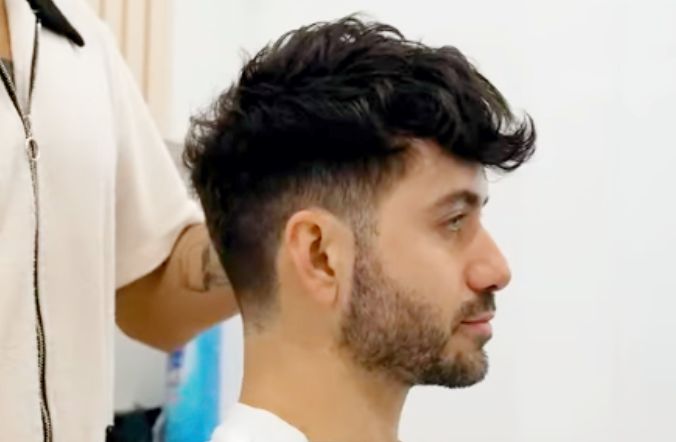
Textured short hair gives a natural, modern finish with movement and separation.
This style works best when hair looks slightly undone but still shaped. The goal is controlled texture, not messy or flat hair, using light products and simple finger styling.
- Using matte products: Matte clays or waxes reduce shine, helping short hair look natural, fuller, and more textured without a greasy finish.
- Finger styling techniques: Fingers help shape strands freely, creating natural movement, separation, and a relaxed textured look without making hair stiff.
- Creating separation: Breaking hair into small sections gives definition, making short hair appear thicker, fuller, and more styled without heavy product buildup.

Creating Messy Hairstyles
Messy short hairstyles give a relaxed, effortless vibe while still looking intentional.
The key is control behind the mess, not random styling.
Proper product use and placement help balance volume, movement, and shape without making hair look unkept or flat.
- Controlled messy appearance: Light styling keeps hair looking relaxed but structured, avoiding chaotic strands while maintaining natural movement and shape.
- Volume placement: Focus volume at the crown or front area to avoid flat sides and create balanced height in short hairstyles.
- Lightweight styling methods: Sea salt sprays and light waxes keep hair soft, allowing movement while maintaining a naturally messy but styled finish.
Styling a Side Part
A side part creates a clean, classic look that works for both casual and formal settings.
It relies on precision and control, helping short hair look structured, neat, and well-groomed without needing heavy styling or complex techniques.
- Defining the part line: A clear part creates separation, helping organize hair direction and giving short hairstyles a clean, sharp appearance.
- Using combs correctly: Combs help guide hair into place, ensuring even direction, smooth structure, and controlled styling without uneven sections or gaps.
- Achieving clean structure: Light pomade or gel keeps hair in place, giving a polished finish that holds shape throughout the day.
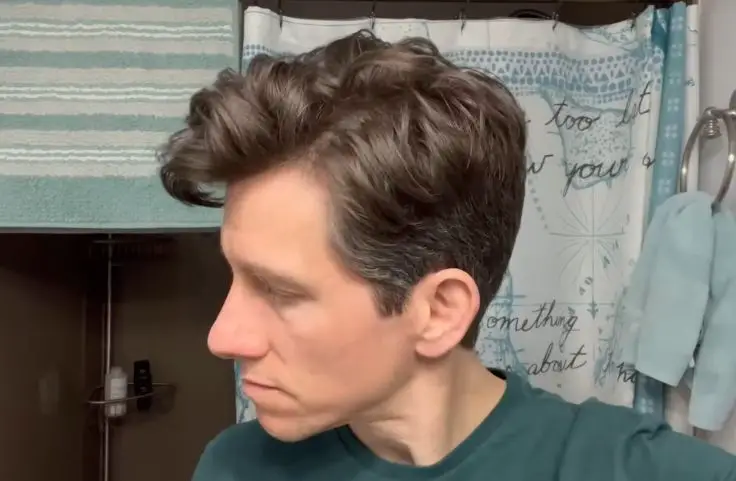
Brushed-Up Hairstyles
Brushed-up styles add height and volume to short hair, creating a bold and confident look.
This style depends on blow drying and product use to lift hair from the roots and maintain structure without collapsing during the day.
- Blow-drying upward: Directing heat upward lifts roots, increases volume, and sets the foundation for a taller, fuller hairstyle.
- Adding front volume: Extra focus on the front section creates height and shape, making short hair appear thicker and more styled.
- Holding shape throughout the day: Lightweight gels or clays help maintain lifted structure, preventing hair from falling flat or losing definition.
How to Style Medium-Length Hair
Medium-length hair gives more room for movement, shape, and styling direction.
With the right approach, you can switch between relaxed flow, clean parting, or textured waves while keeping hair controlled, balanced, and easy to restyle throughout the day.
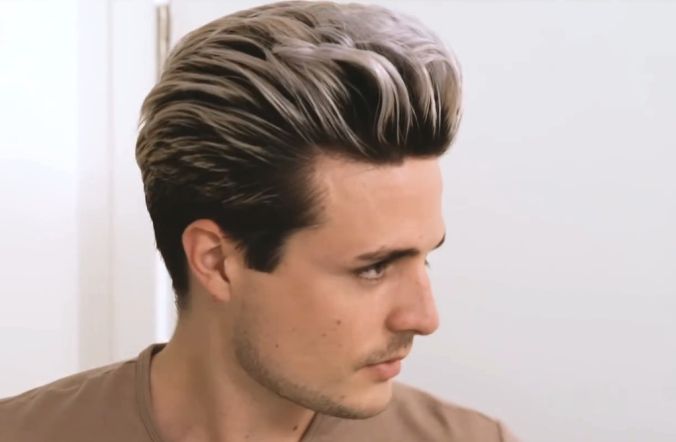
Styling Flow Hairstyles
Flow hairstyles rely on natural direction and smooth movement.
This style works best when hair is slightly loose, not overly stiff, allowing strands to move freely while still keeping a shaped, controlled appearance that looks relaxed but intentional.
- Natural movement techniques: Let hair fall naturally while guiding direction with light brushing or finger styling to keep a soft, free-flowing shape.
- Backward brushing methods: Brushing hair slightly backward adds shape and direction, helping medium-length hair avoid falling forward or looking flat.
- Lightweight product usage: Light creams or sprays keep hair flexible, adding control without stiffness so movement stays natural and soft throughout the day.
Styling Curtain Hairstyles
Curtain hairstyles use a middle part that frames the face while keeping hair soft and parted evenly.
This style works well for medium-length hair that has enough length to fall naturally on both sides with light shaping.
- Creating center parts: A clean middle line divides hair evenly, giving structure while allowing both sides to fall naturally around the face.
- Achieving soft texture: Light styling products keep strands flexible, helping hair stay smooth, touchable, and free-flowing without harsh stiffness or heavy buildup.
- Controlling volume balance: Even distribution of volume on both sides prevents uneven shaping and keeps the hairstyle symmetrical and well-balanced throughout the day.
Styling Layered Medium Hair
Layered hair adds natural movement and dimension, but it still needs proper styling to avoid flatness.
The goal is to highlight layers while keeping shape, texture, and flow visible without losing structure or making hair look heavy.
- Enhancing texture: Light products help define layers, making each section visible while keeping the overall hairstyle natural and easy to manage.
- Avoiding flatness: Blow-drying at the roots lifts hair, preventing it from sitting flat against the scalp or losing natural shape.
- Adding movement: Soft styling techniques help layers shift naturally, creating flow, bounce, and a relaxed appearance without stiffness or heaviness.
Creating Casual Wavy Hairstyles
Casual waves give medium-length hair a relaxed, beach-inspired look with soft bends and movement.
This style works best with light products and simple methods that enhance natural wave patterns without making hair look over-styled or stiff.
- Sea salt spray techniques: Spraying on damp hair adds grip and texture, helping waves form naturally as hair dries or is blow-dried.
- Heatless wave methods: Twisting or braiding damp hair allows natural waves to form without heat, keeping hair healthier and softer.
- Loose-texture styling: Light finger-styling breaks uniform patterns, creating relaxed waves that feel natural, soft, and easy to maintain.
How to Style Long Hair for Men
Long hair gives you freedom to shape different looks, from tied styles to loose flow.

Good styling helps control frizz, improve shape, and keep hair looking clean, balanced, and manageable without losing natural movement or softness throughout the day.
Styling a Man Bun
Man buns keep long hair controlled while maintaining a clean look.
This style depends on how you gather hair, how tight you tie it, and whether you want a neat finish or a more relaxed, casual appearance.
- Proper gathering techniques: Gather hair evenly from all sides to avoid uneven lumps and keep the bun balanced and centered.
- Avoiding excessive tension: Tight pulling can cause breakage and scalp stress, so keep the bun firm but comfortable without strain.
- Clean vs messy bun styling: A clean bun looks polished and tight, while a messy bun allows loose strands for a relaxed, casual style.
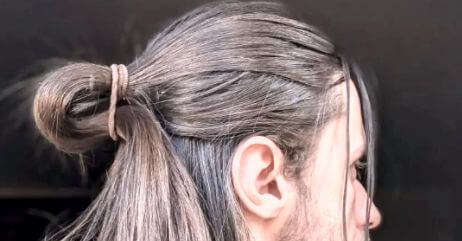
Half-Up Hairstyles
Half-up styles keep hair out of the face while letting the rest flow naturally.
This balance works well for medium to long hair, giving structure at the top while keeping length visible and free below.
- Sectioning hair correctly: Separate the top portion evenly from both sides to keep the style balanced and visually neat.
- Maintaining natural flow: Let the lower section fall freely without over-brushing so hair keeps its natural movement and softness.
- Balancing volume: Ensure the top section is not too tight or flat, keeping proportion between tied and loose sections.
Styling Loose Long Hair
Loose long hair needs control to avoid frizz, dryness, and uneven shape.
Proper care helps hair stay smooth, soft, and well-defined while still maintaining its natural flow and relaxed appearance throughout the day.
- Reducing frizz: Lightweight creams and oils help smooth strands, keeping hair controlled in humid or dry conditions.
- Enhancing shine: Small amounts of serum improve hair gloss, making long hair look healthier, softer, and well-maintained.
- Layer definition techniques: Light brushing or finger styling helps layers fall properly, improving movement and shape without stiffness.
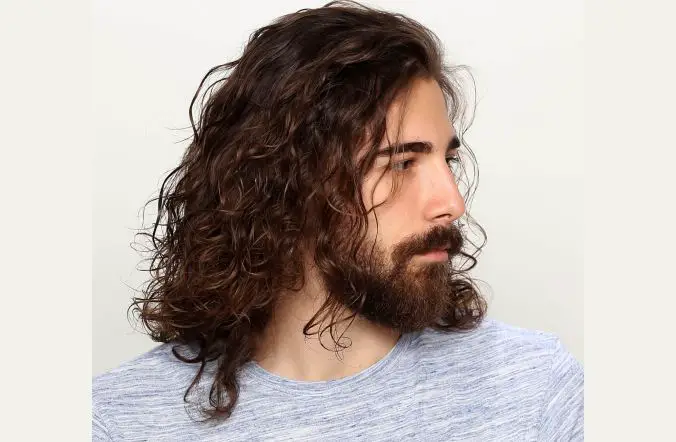
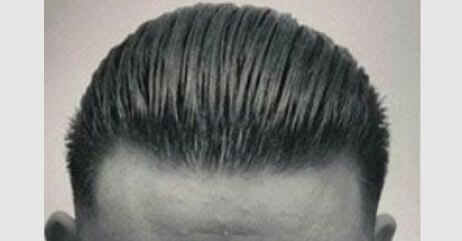
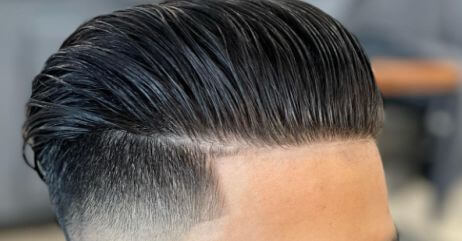
Slicking Back Long Hair
Slicked-back styles give long hair a clean, sharp finish. This look relies on wet-look products, controlled brushing, and strong hold to keep hair fixed in place while maintaining a smooth, structured appearance all day.
- Wet-look products: Gels or pomades create a glossy finish that holds hair back with a smooth, controlled surface.
- Brush control: Brushing hair backward evenly helps set direction and removes uneven sections for a clean, uniform style.
- Long-lasting hold techniques: Layering product lightly and evenly helps maintain shape, preventing hair from falling forward or losing structure during the day.
Slicked-back Undercut
Hairstyling Ideas by Hair Texture
Different hair textures react differently to products, moisture, and styling methods.
The way you style straight, thick, fine, curly, or coily hair changes how volume, hold, shine, and shape appear, so matching techniques to texture gives cleaner and more lasting results.
Styling Straight Hair
Straight hair lies flat easily, so styling needs to create lift, movement, and grip.
Without the right methods, it can look limp or oily quickly, so volume control and texture-building become the main goal.
- Adding volume: Blow drying at the roots lifts hair upward, creating height and making straight hair look fuller and more styled.
- Preventing flatness: Lightweight products help avoid collapse, keeping hair lifted instead of pressed against the scalp throughout the day.
- Texture-building methods: Sea salt sprays and matte clays add grip, helping straight hair hold shape and look less smooth or flat.
Styling Thick Hair
Thick hair carries volume naturally but can feel heavy or hard to control.
Styling focuses on reducing bulk while keeping structure, shape, and clean direction without losing natural strength and density.
- Reducing bulk appearance: Layered cuts and controlled product use help thin out heaviness, making thick hair easier to shape and manage.
- Improving control: Strong hold products keep thick strands in place, preventing puffiness or unwanted expansion during daily movement.
- Managing heavy density: Blow drying in sections helps guide direction, giving thick hair a more structured and balanced appearance.
Styling Fine Hair
Fine hair needs careful product use because heavy styling can weigh it down quickly.
The goal is to build volume, improve texture, and avoid greasy or flat results throughout the day.
- Lightweight product selection: Mousses and sprays work best since they add lift without weighing fine strands down or reducing movement.
- Volume-enhancing methods: Root lifting techniques during blow drying help create height, making fine hair appear thicker and fuller.
- Avoiding greasy appearance: Using small product amounts prevents buildup, keeping hair clean, light, and naturally textured instead of oily or flat.
Styling Curly Hair
Curly hair needs moisture and definition to keep curls shaped and controlled.
Without proper care, curls can become dry, frizzy, or uneven, so styling focuses on hydration and structure.
- Curl definition methods: Curl creams and gels help shape curls clearly, improving bounce and reducing loose or undefined strands.
- Moisture layering: Applying leave-in conditioner before styling helps keep curls soft, hydrated, and easier to manage throughout the day.
- Reducing frizz and shrinkage: Proper hydration and light styling reduce puffiness, keeping curls defined and more controlled in different conditions.
Styling Coily Hair
Coily hair needs strong moisture care and protective styling methods.
It tends to dry quickly, so styling focuses on hydration, retention, and techniques that maintain shape without causing breakage or excessive manipulation.
- Protective styling support: Styles like twists or braids reduce daily stress on hair, helping maintain length and reduce breakage.
- Moisture retention: Heavy creams and oils lock in hydration, keeping coils soft, flexible, and less prone to dryness.
- Twist and sponge styling techniques: Sponges and finger twists help define coils, creating structured texture without heat or harsh styling tools.
Hairstyling Ideas for Different Occasions
Different situations call for different hairstyles. Work, casual days, events, and date nights each need a different balance of control, texture, shine, and hold.
Styling the right way helps your hair match the mood, setting, and overall look without feeling out of place.
Professional Hairstyles for Work
Work hairstyles should look clean, controlled, and neat without drawing too much attention.
The goal is structure and consistency that lasts through the day, even during meetings, movement, or long hours.
- Clean styling: Side parts and low taper comb-overs keep hair neat, structured, and well-groomed for a professional office-ready appearance.
- Low-shine finishes: Matte pomade or clay works best for office styles, giving a natural finish without distracting shine or greasy appearance.
- Long-lasting control: Slick back low fade or neat short crop stays in place longer using light gel or strong hold cream for stability.
Casual Everyday Hairstyles
Everyday hairstyles focus on comfort and natural appearance. These styles work for school, errands, or relaxed settings where your hair should look effortless but still well-shaped and intentional without heavy styling.

- Relaxed texture: Messy crop or textured quiff works well, using sea salt spray to keep hair soft, loose, and naturally styled.
- Natural movement: Medium flow hairstyle or casual waves allow hair to move freely while maintaining a simple, laid-back everyday look.
- Quick styling methods: Finger-styled brush up or light messy side part saves time while still keeping hair presentable and balanced.
Hairstyles for Weddings and Events
Event hairstyles need polish, structure, and stronger hold. These styles are more refined and stay in place longer, making them suitable for weddings, formal gatherings, or special occasions where appearance matters most.
- Polished finishes: Slick back undercut or classic side part creates a smooth, refined look suitable for formal wedding or event settings.
- Stronger hold techniques: Pomade or gel helps maintain styles like pompadour or comb-over, keeping hair firm and controlled for long hours.
- Formal styling structure: Tapered slick back or structured quiff adds shape and definition, ensuring hair stays neat under lights, photos, and movement.
Date Night Hairstyling Ideas
Date night hairstyles focus on confidence, softness, and balance.
The goal is to look sharp but not overdone, with styles that feel natural, attractive, and easy-going while still holding shape throughout the evening.
- Volume-focused styles: Textured quiff or brushed-up hairstyle adds height and presence, creating a confident and noticeable appearance.
- Soft texture finishes: Loose curls or casual flow styles keep hair touchable and relaxed, giving a natural and effortless vibe.
- Balanced shine and hold: Medium-hold pomade or light cream works well for slick back or side sweep styles without looking too stiff or too shiny.
Men’s Hairstyling Mistakes to Avoid
Small styling errors can change how your hair looks during the day.
These mistakes affect hold, shine, texture, and overall shape, making even good haircuts look messy, dry, or unbalanced when the wrong habits or products are used.
Using Too Much Product
One common hairstyling mistake men do is using too much product in one go.
Too much product can ruin a hairstyle fast. Instead of improving hold or texture, it weighs hair down, blocks movement, and makes styling harder to control, especially when applied without measuring the right amount.
- Greasy appearance: Excess pomade or wax makes hair look oily and heavy, reducing clean texture in styles like quiff, side part, or textured crop.
- Hair stiffness: Overuse of gel or strong clay makes hairstyles stiff, reducing natural movement in styles like brushed-up or messy looks.
- Product buildup: Layering too much product without washing leads to buildup, making hair dull and harder to restyle daily.
Ignoring Hair Texture
Another hairstyling mistake men make is ignoring hair texture. Not considering your natural hair texture leads to styling struggles.
Straight, wavy, curly, and coily hair all react differently, so using the wrong approach affects shape, hold, and overall appearance throughout the day.
- Wrong styling expectations: Trying straight-hair techniques on curly hair or vice versa leads to uneven results in styles like slick back or flow cuts.
- Poor hold results: Using light products on thick hair or heavy products on fine hair causes styles like quiff or side part to collapse.
- Frizz and dryness issues: Ignoring moisture needs causes frizz in curly styles and dryness in textured or layered hairstyles.
Overusing Heat Tools
The third common mistake men make on hairstyling is overusing the heat tools.
Heat tools help with styling, but too much heat damages hair structure.
Frequent blow drying or high temperatures weaken strands, making it harder to maintain healthy-looking styles over time.
- Dryness and breakage: Excess heat strips moisture, causing split ends and rough texture in styles like brushed-up or slick-back.
- Weak hair strands: Repeated heat exposure makes hair fragile, reducing strength and making styling harder for textured or layered looks.
- Heat protection importance: Heat protectant spray reduces damage, helping maintain healthy shape during blow-drying or styling routines.
Choosing the Wrong Hair Products
Another common mistake in men’s hairstyling is choosing a product that does not align with your hair situation.
Using the wrong product type affects how your hairstyle performs.
Each hair type and style needs a specific level of hold, moisture, or texture for proper control and natural appearance.
- Heavy products for fine hair: Thick wax or pomade flattens fine hair, reducing volume in styles like messy crop or quiff.
- Weak hold for thick hair: Light creams fail to control thick styles like pompadour or slick back, causing collapse or puffiness.
- Alcohol-heavy formulas: Alcohol-based gels dry hair quickly, leading to stiffness, flaking, and dryness in structured hairstyles.
Pro Tips to Keep Your Hairstyle Fresh All Day
Simple daily habits help maintain hairstyle shape, reduce frizz, and keep hair looking controlled, neat, and presentable from morning until night.
Protecting Hair During Sleep
Silk pillowcases reduce friction, helping hair stay smooth overnight. Loose protection like soft ties prevents tangles and keeps hairstyles shaped for easier morning styling.
Getting Regular Trims
Regular trims maintain hairstyle shape, remove split ends, and improve styling control. Clean edges help styles look sharper and easier to manage daily.
Managing Frizz Throughout the Day
Moisture-control products reduce frizz and flyaways, especially in humidity. Light touch-ups restore shape quickly, keeping hairstyles smooth, controlled, and visually consistent during daily activities.
Refreshing Hairstyles Midday
Water reactivation restores styling products and reshapes hair easily. Pocket combs fix direction fast, allowing quick restyling without overwashing or losing natural hairstyle structure.
Conclusion
Transforming your hair starts with simple habits and the right styling choices.
Once you understand your hair type, products, and routines, every haircut looks sharper, cleaner, and easier to manage.
Good styling brings out volume, texture, and control that keeps your look intentional instead of random or rushed.
Small daily steps change everything about how your hair behaves and holds shape.
Now take what you have learned and build a routine that works for your lifestyle and hair type.
Try new techniques, adjust products, and refine your styling game. Visit Gentsways for more men’s grooming guides and hairstyle inspiration.
Frequently Asked Questions
What is the best hair styling product for men?
The best product depends on hair type and style goals. Pomade, clay, wax, and cream each offer different hold, shine, texture, and control levels.
How can men style their hair naturally without heavy products?
Use sea salt spray, light cream, and finger styling. Air dry or blow dry gently for natural movement, texture, and soft everyday appearance.
How do I make my hairstyle last all day?
Start with clean hair, use proper product order, and finish with light hold spray. Avoid touching hair frequently to maintain structure and control.
Which styling products work best for curly hair?
Curl cream, leave-in conditioner, and light gel work best. They define curls, reduce frizz, add moisture, and improve natural curl pattern-shape.
Can men style hair without heat tools?
Yes, air-drying, braiding, twisting, and product-based styling can create shape, volume, and texture without damaging heat tools or blow-dryers.
How do I add volume to flat hair?
Blow-dry roots upward, use mousse or sea salt spray, and avoid heavy products. This lifts hair and improves fullness and height.
How much hair product should men use?
Start with a small amount, about fingertip size. Add more gradually if needed. Too much product causes buildup, greasiness, and stiffness.
What causes hairstyles to lose shape quickly?
Humidity, excess product, poor drying techniques, and wrong product choice weaken hold. Touching hair frequently also breaks structure and reduces style longevity.
References
Pyo Merez is a men’s lifestyle enthusiast and writer about the gentleman’s place and impact on society. Raised by a distinguished gentleman dad, he offers unique insights into how the mind of a gentleman works and how societal norms shape gentlemen’s identity and vice versa.
Through his insightful articles, Pyo taps into the depths of gentleman culture to provide perspectives on etiquette and manners in modern society.