Last updated on October 11th, 2026 at 10:10 am
On a wet afternoon in London, I ducked into a small shoe shop on Jermyn Street just to escape the rain. Twenty minutes later I learned more about men’s shoes than I had in twenty years, including that my feet were different sizes.
Shoes say more about a man than almost anything else he wears, and people notice them within seconds.
Yet most men own a random mix of worn sneakers, one pair of tight dress shoes, and boots bought on a whim.
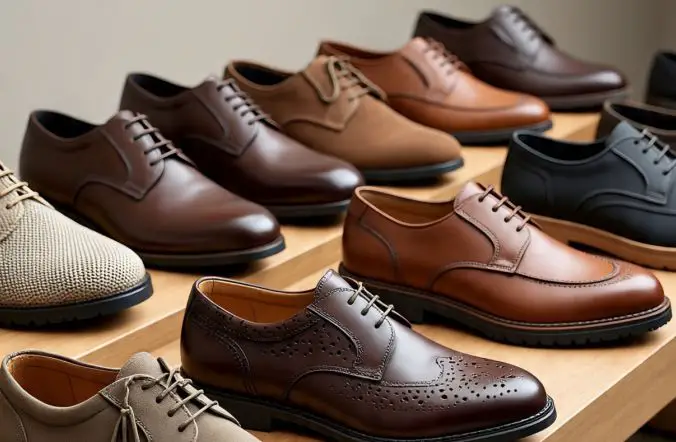
You will find every major shoe type here, from oxfords, derbies, and loafers to boots, sneakers, and summer shoes.
There is also clear advice on shoe construction, leather types, fit, and sizing.
You will also learn to match shoes to outfits and occasions, and build a small rotation that covers your life.
Table of Contents
What Are Men’s Shoe Styles?
A shoe style is the design that defines a shoe, such as how it laces, how its upper is cut, and how much decoration it carries. Oxfords, derbies, loafers, and chelsea boots are all styles, and each one sits at a different level of formality.
Shoe types are the broader families those styles belong to, namely dress shoes, casual shoes, boots, and athletic shoes. Knowing both helps you choose the right pair for a wedding, an office, or a weekend market.
As a rule, sleeker shoes with fewer details look more formal, while chunkier soles, softer leathers, and more decoration look more casual. Black is more formal than brown, and smooth leather is more formal than suede.
Types of Men’s Shoes at a Glance
Men’s shoe types fall into five families, and every style in the sections below belongs to one of them.
| Shoe Type | Main Styles | Formality |
|---|---|---|
| Dress shoes | Oxford, derby, brogue, monk strap, wholecut, opera pump | High |
| Loafers and slip-ons | Penny, tassel, horsebit, driving moccasin | Medium |
| Casual shoes | Boat shoe, espadrille, sandal, canvas shoe | Low |
| Boots | Chelsea, chukka, desert, brogue, work, weather | Low to medium |
| Athletic and modern | Minimal sneaker, running shoe, hybrid sneaker | Low |
Dress Shoes
Dress shoes are leather shoes built for suits, tailored trousers, and formal events. Each style below has its own character, history, and level of formality.
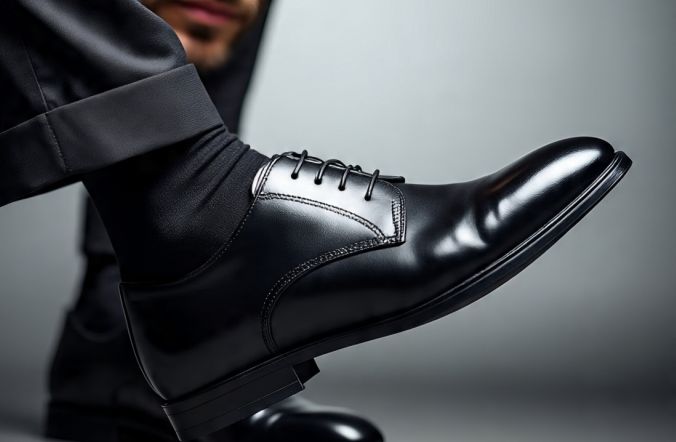
- Oxford. Closed lacing gives the sleekest, most formal everyday shoe, especially in black with a cap toe.
- Derby. Open lacing adds room for high insteps and wide feet, with a slightly more relaxed look.
- Brogue and wingtip. Punched decoration along the seams makes an oxford or derby more casual and country in feel.
- Monk strap. Buckled straps replace laces, sitting between an oxford and a derby in formality.
- Wholecut. A single piece of leather gives the cleanest, most elegant line for dark suits and evenings.
- Opera pump and patent oxford. Glossy black patent shoes reserved for black tie and tuxedos.
Lacing systems, broguing patterns, and how to wear each style appear in formal dress shoes for men. The most formal style gets its own deep dive in oxford shoes in depth.
Loafers and Slip-Ons
Loafers are laceless slip-on shoes that bridge smart and casual dress, and they suit more outfits than almost any other style. They grew from Norwegian fishermen’s slippers into one of the most popular shoes in menswear.
- Penny loafer. A leather strap with a small slit across the top, easy to wear with chinos, jeans, and relaxed suits.
- Tassel loafer. Small leather tassels on the front give a slightly dressier, more playful look for blazers and gray trousers.
- Horsebit loafer. A metal bar across the strap adds polish, best with tailored trousers rather than rugged denim.
- Driving moccasin. A soft, unlined slip-on with rubber heel nubs, made for summer weekends and holidays without socks.
Casual Shoes
Casual shoes cover weekends, relaxed offices, travel, and warm weather in comfort and style. These are the main casual styles worth knowing before you go shopping.
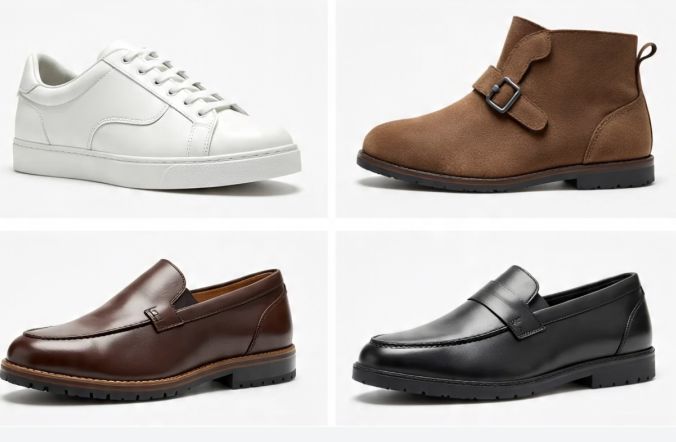
- Boat shoe. Soft leather, laces around the collar, and grippy rubber soles made for wet decks and summer.
- Espadrille. A canvas upper on a braided jute sole, light and breathable for beach towns and hot weekends.
- Sandals and slides. Leather or suede versions for beaches, pools, and very hot days away from the office.
- Canvas shoe. Cheap, light, flat-soled shoes for shorts and rolled chinos, best replaced once they fray.
Outfit pairings and buying tips for each style appear under these casual shoe styles for men.
Boots
Boots handle rain, cold, and rough ground while adding a rugged edge to an outfit. These four styles cover nearly every need a man has for boots.
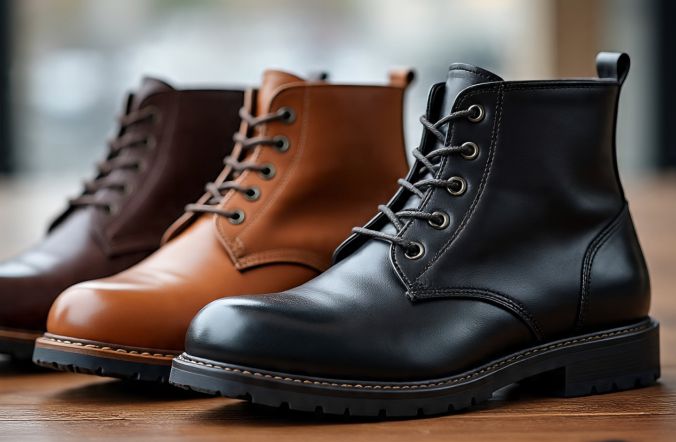
- Chelsea boot. Elastic side panels and no laces, sleek enough in polished leather to wear under slim suits.
- Chukka and desert boot. Ankle boots with two or three eyelets, the desert version on a soft crepe sole.
- Brogue and dress boots. Lace-up boots with dress shoe polish for tweed, flannel, and winter suits.
- Work and weather boots. Thick soles, tough leather, or rubber lowers for hard use, snow, and slush.
Fits, leathers, and styling ideas for each pair appear under these boot styles for men.
Athletic and Modern Shoes
Sneakers have moved from the gym into offices, restaurants, and even weddings, as long as they are clean and simple. Three kinds of sneakers cover most men’s needs for work and weekends.
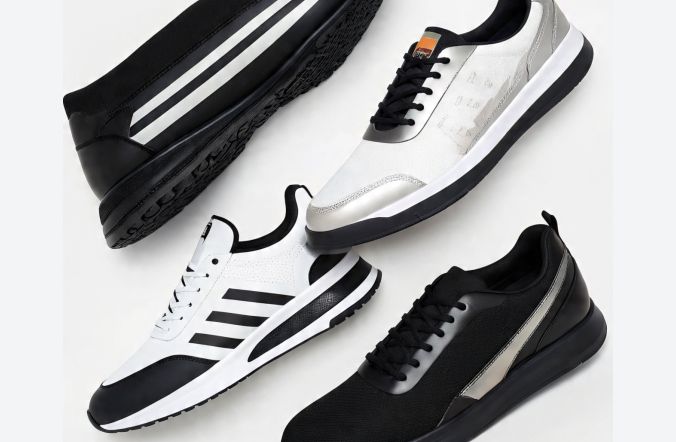
- Minimal leather sneakers. Plain white or black leather with slim soles, the smartest kind of sneaker.
- Running and training shoes. Cushioned shoes built for workouts, best kept for the gym and errands.
- Hybrid and slip-on sneakers. Knit and dress-sneaker designs that blend comfort with a cleaner look.
Picks, styles, and cleaning tips sit under these sneakers worth owning for every budget.
Men’s Shoe Style Details That Matter
Small details decide how formal a shoe looks and how well it suits an outfit. Knowing these details helps you read any shoe quickly and choose the right pair.

- Toe profile. Round and almond toes look classic, while very pointed or square toes date quickly.
- Toe cap. A straight cap across the toe looks formal, while a plain toe looks cleaner and more modern.
- Lacing. Closed lacing on oxfords looks sleeker, while open lacing on derbies looks more relaxed.
- Broguing. More punched holes make a shoe more casual and more country in feel.
- Sole. Thin leather soles look dressier, while thick rubber or commando soles look rugged.
- Color. Black is the most formal, then dark brown, burgundy, tan, and finally gray or white.
Materials and Construction
Leathers
Smooth calfskin is the classic leather for dress shoes, since it polishes to a deep shine and lasts for years. Suede is softer and more relaxed, suiting casual and smart casual outfits in dry weather.
Shell cordovan comes from horsehide and develops deep, rolling creases with a glossy finish, but it costs far more. Pebble grain leather resists scuffs and rain well, which makes it a smart choice for boots and country shoes.
Construction
Goodyear welted shoes have a strip of leather stitched around the sole, which lets a cobbler replace the sole many times. They feel stiff at first but mold to your feet and last for years.
The shoemaker on Jermyn Street pointed to the welt on a pair of dark brown derbies and told me they could be resoled for decades. That single detail changed how I judge shoes, and it is why that pair is still in my rotation.
Blake stitched shoes have the sole stitched directly to the upper, which makes them sleeker and more flexible straight away. They can be resoled too, though fewer cobblers have the machines to do it.
Cemented shoes have glued soles, which keeps prices low but means they rarely survive a resole. They suit trend pieces and shoes you will only wear for a season or two.
Fit and Sizing
Fit decides comfort more than any brand or price tag, and most men get it wrong. A 2018 review by Buldt and Menz looked at 18 studies of footwear fit. Between 63 and 72 percent of people wore shoes that did not match their foot width or length.
The same review linked poorly fitted shoes with foot pain, corns, calluses, and toe problems. Fixing fit is the easiest upgrade any man can make to his shoes.
How to Get the Right Size
The American Orthopaedic Foot and Ankle Society recommends having your feet measured regularly, since size and width change with age. Shop late in the day, when feet are at their largest, and fit shoes to your larger foot.
That was exactly what happened to me in London, where the measuring device showed my left foot half a size longer than my right. I had been buying shoes for the smaller foot for years and wondering why one heel always blistered.
What a Good Fit Feels Like
Leave about a finger’s width of space between your longest toe and the end of the shoe. The widest part of your foot should sit in the widest part of the shoe, and your heel should not slip as you walk.
Leather dress shoes stretch a little in width but never in length, so never buy a pair that pinches your toes. Walk around the shop for a few minutes on a hard floor before you decide.
Width and Half Sizes
Many good shoemakers sell half sizes and several widths, which solves problems that a bigger size only makes worse. Men with wide feet usually find derbies more comfortable than oxfords, thanks to the open lacing.
Choosing the Right Footwear for the Occasion
| Occasion | Best Shoes | Avoid |
|---|---|---|
| Black tie | Patent oxfords or opera pumps | Brown shoes, loafers |
| Business formal | Black or dark brown oxfords, wholecuts | Sneakers, suede |
| Business casual | Derbies, loafers, monks, chukkas | Running shoes |
| Smart casual | Loafers, chelsea boots, minimal sneakers | Worn trainers |
| Weekend | Sneakers, boat shoes, desert boots | Patent leather |
| Summer | Espadrilles, driving mocs, sandals | Heavy boots |
| Winter | Chelsea, brogue, and weather boots | Canvas shoes |
For formal dress, follow the basics of wearing a suit well, with dark, sleek shoes and matching socks. A 2023 Gallup survey found 41 percent of US workers now wear business casual. Those offices suit derbies, loafers, and chukkas, and more ideas appear under business casual office dress.
Weddings vary widely, so check the invitation and read up on wedding guest dress codes before choosing between oxfords, loafers, and boots.
Matching Shoes to Your Outfit
Match the formality of your shoes to the rest of the outfit, so sleek shoes go with tailoring and chunky shoes with denim. A tuxedo with boots, or shorts with oxfords, always looks wrong to most people.
With jeans, choose sneakers, boots, loafers, or derbies, and see these notes on jeans and their fits for the right hem length. With chinos, nearly every style works, and these chinos and shoe pairings cover the best combinations.
Match your belt to your shoes in color and finish, so polished brown leather goes with polished brown leather. More detail on widths and buckles appears under matching your belt to your shoes.
Color Coordination
Black shoes suit charcoal and navy suits, black tie, and very formal events. Dark brown shoes pair with navy, gray, olive, and earth tones, and they work across more outfits than black.
Tan and light brown shoes suit lighter summer suits and chinos, while burgundy and oxblood add warmth to gray and navy. Suede in brown or gray relaxes any outfit and suits smart casual plans.
As a simple rule, keep your shoes darker than your trousers for formal outfits. For casual outfits, contrast works well, such as white sneakers with navy chinos.
Caring for Your Shoes
Good shoes last for many years when you look after them with a little care. Use cedar shoe trees after every wear, rotate pairs so each one rests for a day, and clean off dirt before it sets.
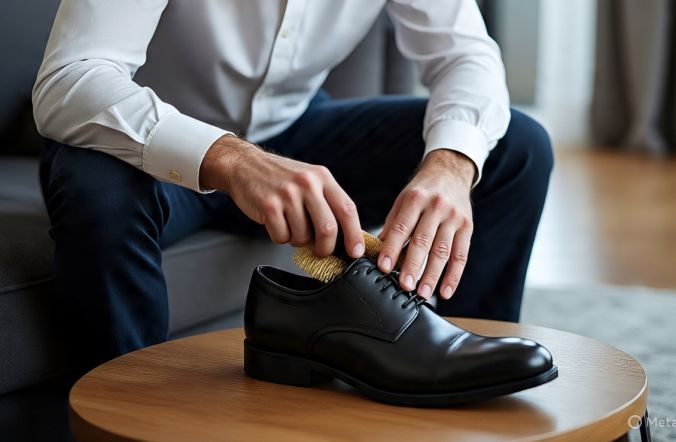
Polish smooth leather every few weeks, brush suede with a soft suede brush, and waterproof boots before winter. Step-by-step methods for polishing and storing shoes cover each leather type in detail.
Footwear and Foot Health
Poorly fitted or unsupportive shoes can cause blisters, corns, calluses, and aching arches over months of wear. Rotate between pairs, choose cushioned soles for long days on your feet, and avoid very flat, thin soles for daily walking.
Wash and dry your feet daily, change socks, and let shoes air out between wears to prevent odor. The American Academy of Dermatology also advises rotating shoes so each pair dries, which lowers the risk of athlete’s foot.
Read more about the relationship between footwear and foot health.
See a podiatrist or doctor about persistent foot pain, numbness, or sores that heal slowly. Men with diabetes should have their feet checked by a professional on a regular basis.
Building a Shoe Rotation
Most men can cover every situation they face with just five or six pairs of shoes. A sensible starting rotation for most men includes the following six pairs.
- A dark brown derby or oxford for work and smart events.
- A black cap-toe oxford for weddings, funerals, interviews, and formal dinners.
- A pair of brown suede loafers for smart casual outfits.
- Clean white or black leather sneakers for weekends and relaxed offices.
- A chelsea or chukka boot for colder months and casual evenings.
- A summer shoe, such as boat shoes or espadrilles, if you live somewhere warm.
Buy the pair you need most first, and spend more on the shoes you will wear most. A well-made pair worn three times a week costs far less per wear than a cheap pair that falls apart in months.
Trends Worth Watching
Loafers have returned strongly as everyday shoes, worn with everything from tailored trousers to wide jeans. Chunky soles on derbies and boots have also grown popular, giving classic styles a heavier, modern look.
Minimal sneakers remain popular in relaxed offices, while suede chelsea boots stay a favorite for smart casual dressing. Trends come and go, so build your rotation on classics first, then add one trend piece at a time.
Common Shoe Mistakes
- Buying for the smaller foot, which causes rubbing and blisters on the larger one.
- Wearing brown shoes with a tuxedo or black suit at formal events.
- Pairing chunky running shoes with tailored trousers or suits.
- Skipping shoe trees, which lets leather crease, crack, and lose its form.
- Wearing the same pair every day, so sweat never fully dries out.
- Buying cheap cemented dress shoes that cannot be resoled.
Final Words from Gentsways
I walked into that London shop to get out of the rain and walked out with a pair of Goodyear welted derbies fitted to my larger foot. Years later, after two resoles, they remain the most comfortable shoes I own. The lesson had nothing to do with brands and everything to do with fit, construction, and choosing the right style. Start with a good dark brown derby or black oxford, add loafers, clean sneakers, and a boot, and look after them well. Get your feet measured this month, and buy your next pair for the foot you actually have.
Frequently Asked Questions
What shoes should every man own?
Most men need a black oxford, a brown derby or loafer, leather sneakers, and a chelsea or chukka boot. Add a pair of summer shoes for warm climates or long beach holidays.
What is the difference between an oxford and a derby?
An oxford has closed lacing, with eyelet tabs stitched under the front, making it sleeker and more formal. A derby has open lacing, which gives more room and a relaxed look.
Are loafers formal or casual?
Loafers sit between formal and casual, so they suit smart casual and business casual outfits best. Sleek black loafers can work with suits, while suede ones suit chinos and jeans.
How should men’s dress shoes fit?
Leave a finger’s width beyond your longest toe, with no heel slip or pinching across the widest part. Always fit new shoes to your larger foot, late in the day.

Pyo Merez is a 45-yeard old husband, father, and a chemical engineer by profession and the founder of Gentsways, a men’s lifestyle site built in honour of his father, Dee Clement. He has been writing about men’s development, style, and character through his father’s lens since 2021, drawing on lived experience, his father’s example, and research from reputable publications. He is not a certified trainer or therapist; where fitness or health topics require it, articles are reviewed by qualified contributors.