

Last updated on October 11th, 2026 at 09:25 am
A school friend of mine, Tom, washed his face with the same bar soap he used on his feet for twenty years. By forty his skin felt tight and flaky, and a simple men’s skincare routine fixed it in about a month.
Most men want clear, comfortable skin without a shelf full of bottles or a ritual that eats the morning.
The good news is that three steps do most of the work, and a few extra products handle specific concerns later.
You will learn how male skin differs, how to read your skin type, and the exact order for morning and evening routines.
There is also clear advice on serums, retinoids, acne, oily or dry skin, shaving irritation, the skin under your beard, and how routines change with age.
Table of Contents
What Is a Men’s Skincare Routine?
A men’s skincare routine is the set of products and steps you use on your face each morning and evening. It usually covers cleansing, moisturizing, and sun protection, with optional extras such as serums or exfoliants.
The routine covers everything from the neck up, so face care, shaving skin, and the skin under a beard all belong here. It forms one part of a complete men’s grooming routine, alongside hair, beard, and body care. Showering, body lotion, and hands and feet belong to a full men’s body care routine.
Tom thought skincare meant expensive creams and an hour in front of the mirror. His new routine took three minutes in the morning and two at night, which is roughly what most men can keep up.
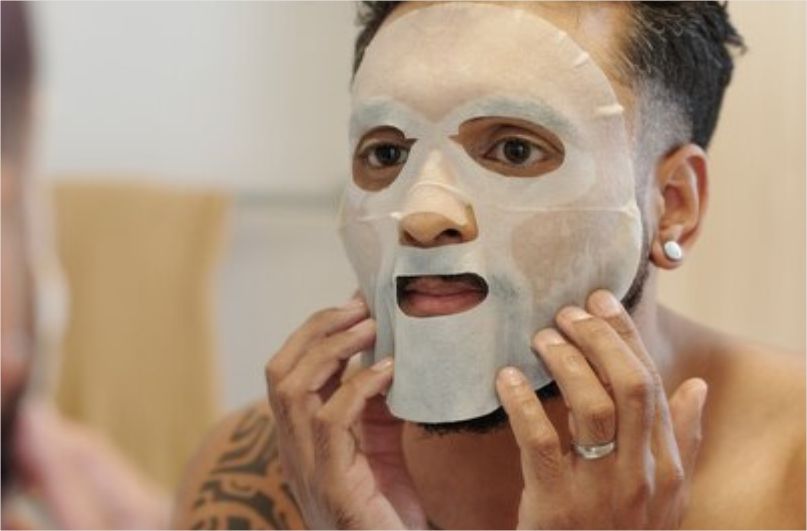
How Men’s Skin Differs
Male skin is not simply female skin with stubble, and those differences explain why many products suit men differently. A 2018 review in the International Journal of Women’s Dermatology found men’s skin is thicker, produces more sebum, and holds more hydration on average.
More oil means many men get shiny skin, enlarged pores, and breakouts, especially across the forehead and nose. Daily shaving adds another layer of stress, causing redness, nicks, and razor bumps that most women’s routines never address.
Those traits shift with age, climate, and lifestyle, so treat them as tendencies rather than rules. Your own skin’s day-to-day behavior always matters more than any average in a study.
Know Your Skin Type
Your skin type decides which cleanser and moisturizer will feel right, so work it out before you buy anything. Most men fall into one of the five common skin types listed below.
- Oily. Shine across the whole face by midday, with larger pores and frequent breakouts.
- Dry. Tightness after washing, flaking around the nose and brows, and a dull look.
- Combination. An oily forehead, nose, and chin, with normal or dry cheeks.
- Sensitive. Redness, stinging, or itching after shaving or using new products.
- Normal. Comfortable skin that rarely feels oily, tight, or irritated.
A simple test helps, so wash with a gentle cleanser, wait an hour, and notice where shine or tightness appears. For a fuller walkthrough, read about how to tell your skin type.
The Core Routine in Three Steps
Every good routine starts with three steps, namely cleanse, moisturize, and protect from the sun. Master these before adding anything else, because extra products cannot rescue a weak foundation.
Step 1. Cleanse
Wash your face twice a day and again after heavy sweating, following dermatologists’ face-washing advice. Use lukewarm water, apply a gentle, alcohol-free cleanser with your fingertips, and pat dry with a soft towel.
Choose a gel or foaming cleanser for oily skin, and a cream cleanser for dry or sensitive skin. Skip bar soap on the face, since many are harsh enough to strip the skin and leave it tight.
That was Tom’s first change, swapping his bar soap for a mild gel cleanser. Within a week, the tight and stretched feeling after washing had completely gone.
Step 2. Moisturize
Moisturizer keeps the skin barrier healthy, even on oily skin that seems to have plenty of moisture already. Apply it within a few minutes of washing, while your face is still slightly damp.
Oily skin suits a light, oil-free gel or lotion labeled non-comedogenic, which means it should not clog pores. Dry skin needs a richer cream with ingredients such as glycerin, ceramides, or hyaluronic acid.
Step 3. Protect From the Sun
Sunscreen is the most effective anti-aging product you can buy, and it also protects against skin cancer. The American Academy of Dermatology reports that about one in 28 men will develop melanoma in their lifetime, compared with one in 39 women.
Use a broad-spectrum sunscreen with SPF 30 or higher every morning, even on cloudy days and in winter. A moisturizer with built-in SPF saves a step, as long as you apply enough to cover your whole face, ears, and neck.

Your Morning Routine
Mornings should be quick, so keep the order simple and let each layer sink in for a few seconds.
- Cleanse with a gentle face wash, or simply rinse with water if your skin is dry.
- Apply a serum, such as vitamin C, if you use one.
- Apply moisturizer.
- Finish with broad-spectrum SPF 30 or higher, or use a moisturizer that contains it.
Your Evening Routine
Evenings are for cleaning away the day and repairing the skin while you sleep.
- Cleanse to remove sweat, oil, pollution, and sunscreen.
- Apply a treatment, such as a retinoid or an exfoliating acid, on the nights you use one.
- Apply moisturizer, using a slightly richer one if your skin feels dry.
Advanced Skincare Steps
Once the core routine feels automatic, a few extra steps can target specific goals. Add one product at a time and give it four to six weeks before judging the results.
Exfoliation
Exfoliants remove dead skin cells that dull the complexion and clog pores. Chemical exfoliants, such as salicylic acid for oily skin and glycolic or lactic acid for dry skin, are gentler than gritty scrubs.
Start with once or twice a week, at night, and stop if your skin stings, peels, or turns red. Avoid exfoliating right before or after a close shave, since both remove a layer of skin.
Serums
Serums are light liquids that deliver concentrated active ingredients underneath your usual moisturizer. Vitamin C helps brighten skin and defend against daily damage, while niacinamide helps with oil, redness, and the look of pores.
Hyaluronic acid draws water into the skin, which helps dry and dehydrated faces feel plumper and more comfortable. Choose one serum to start with, rather than layering several new products at once.
Retinoids
Retinoids, such as over-the-counter retinol, help with fine lines, uneven texture, and clogged pores. Use a pea-sized amount at night, two or three times a week at first, then build up slowly.
Retinoids can cause dryness and peeling in the first few weeks, and they make skin more sensitive to sun. Always wear sunscreen the next day, and speak with a doctor before using them if you have sensitive skin or a skin condition.
Eye Cream
The skin around the eyes is thin and shows tiredness first, through puffiness, dark circles, and fine lines. A light eye cream with caffeine or peptides helps some men, though sleep and sunscreen matter more.
Face Care for Common Concerns
Oily Skin and Shine
Use a foaming cleanser, a light gel moisturizer, and a mattifying sunscreen. Blotting papers handle midday shine without stripping the skin or disturbing your sunscreen.
Acne and Breakouts
Cleansers or treatments with salicylic acid or benzoyl peroxide help many men with mild breakouts. Never squeeze spots, change pillowcases every few days, and see a dermatologist if breakouts persist or leave scars.
Dry or Flaky Skin
Switch to a cream cleanser, shorten hot showers, and use a richer moisturizer morning and night. Flaking around the beard and brows can also signal a skin condition, so ask a doctor if it lingers.
Redness and Sensitivity
Choose fragrance-free products and test new ones on a small patch of skin first. Calming ingredients such as niacinamide and ceramides suit reactive skin better than strong acids.
Lines and Aging
Sunscreen, a retinoid, and a good moisturizer form the backbone of any anti-aging plan. Further anti-aging steps for men cover eye care, ingredients, and habits that slow visible aging.
Shaving and Your Skin
Shaving scrapes away a thin layer of skin each time, so it belongs inside your routine rather than outside it. Shave after cleansing or at the end of a shower, when hair is soft and pores are open.
The American Academy of Dermatology’s razor bump advice recommends shaving with the grain, using a hydrating shaving cream, and swapping disposable razors every five to seven shaves. Finish every shave with a calming, alcohol-free aftershave balm to soothe the skin.
More detail on stopping razor bumps and shaving errors to skip will save your skin a lot of irritation.
Caring for Skin Under a Beard
The skin under a beard still needs cleansing and moisture, even though you cannot see it. Wash your beard and face together with a gentle cleanser, then work a few drops of beard oil down to the skin.
Flakes, itching, and redness under the beard usually mean the skin is dry or irritated. The basics of caring for skin under a beard cover washing, oils, and trimming.
Skincare Through the Decades
In your twenties, the priority is building habits, such as daily sunscreen and gentle cleansing. Treat breakouts early, before they have a chance to leave lasting marks or scars.
In your forties, add a retinoid and a vitamin C serum, since the first lines and sun spots tend to appear. Sleep, stress, and alcohol show on the face more at this stage.
After fifty, skin becomes thinner and drier, so richer moisturizers and gentler cleansers help. Thinner skin also nicks more easily, so compare wet shaving and electric razors before your next shave. Ideas for skincare after 50 cover these changes in more detail, step by step.
Building and Shopping for Your Routine
Start with a cleanser, a moisturizer, and a sunscreen that suit your skin type, and nothing else. Add new products one at a time, waiting a few weeks between each so you can tell what works.
Read labels for words such as fragrance-free and non-comedogenic, especially if you have sensitive or breakout-prone skin. Patch test new products on your jaw or inner arm for a day or two first.
Expensive does not mean better, and many affordable pharmacy brands work as well as luxury ones. For tested options at different budgets, see these skincare products worth trying.
Common Skincare Mistakes
- Washing your face with body soap or very hot water, which strips natural oils.
- Skipping moisturizer because your skin feels oily.
- Wearing sunscreen only on sunny summer days.
- Using several new products at once, which makes reactions hard to trace.
- Scrubbing hard with gritty exfoliants or washcloths.
These and other slip-ups are covered in full under skincare mistakes men make.
Men’s Skincare Routine at a Glance
| Step | Morning | Evening | Best For |
|---|---|---|---|
| Cleanser | Yes, or water rinse | Yes | All skin types |
| Serum | Vitamin C | Hyaluronic or niacinamide | Specific concerns |
| Treatment | No | Retinoid or exfoliant, a few nights a week | Aging, texture, breakouts |
| Moisturizer | Light | Light or rich | All skin types |
| Sunscreen | SPF 30 or higher | No | All skin types |
Final Words from Gentsways
Tom spent twenty years scrubbing his face with foot soap and wondering why it felt like old leather.
A gentle cleanser, a plain moisturizer, and a daily sunscreen changed that within a month, and he never went back.
Your own routine does not need to be complicated to work well for years.
Start with those three steps, stick with them for six weeks, and only then add a serum or retinoid for a specific goal.
Pick up a cleanser and sunscreen that suit your skin type this week, and give your face the same attention you give your shoes.
Frequently Asked Questions
What is the best basic skincare routine for men?
The best basic routine has three steps, namely a gentle cleanser, a moisturizer, and broad-spectrum sunscreen each morning. At night, cleanse again to remove the day’s grime, then moisturize before bed.
How many times a day should men wash their face?
Wash your face twice a day, morning and night, using lukewarm water and a gentle cleanser. Wash again after heavy sweating, such as after a workout or sports.
Do men really need sunscreen every day?
Yes, daily broad-spectrum SPF 30 or higher protects against skin cancer and visible aging. Men develop melanoma at higher rates than women, so daily sunscreen matters even more.
When should a man start using retinol?
Many men start retinol in their late twenties or thirties for early lines and texture. Begin slowly, use it only at night, and wear sunscreen every single morning.
Disclaimer. This article is for informational purposes only and does not constitute medical advice. The author is not a medical doctor or dermatologist. Always consult a qualified professional about persistent skin problems or before starting prescription treatments.

Pyo Merez is a 45-yeard old husband, father, and a chemical engineer by profession and the founder of Gentsways, a men’s lifestyle site built in honour of his father, Dee Clement. He has been writing about men’s development, style, and character through his father’s lens since 2021, drawing on lived experience, his father’s example, and research from reputable publications. He is not a certified trainer or therapist; where fitness or health topics require it, articles are reviewed by qualified contributors.