
Last updated on September 21st, 2026 at 03:59 pm
Cold showers and ice baths get marketed as a testosterone hack constantly, but the actual research on this specific claim is far weaker than the marketing suggests.
Cold water immersion has real, documented benefits for recovery, mood, and circulation. Testosterone isn’t clearly one of them.
Research on this specific question is inconsistent, and several well-designed studies show no increase, or an outright decrease, rather than the boost commonly claimed online.
This guide covers what the evidence actually shows, the benefits cold exposure genuinely does support, and how to practice it safely if you decide it’s worth adding to your routine regardless.
For the habits with stronger evidence behind them, see our full guide to natural ways to boost testosterone.
Disclaimer: This article is for informational purposes only and does not constitute medical advice. Always consult a qualified professional before starting any new practice, especially with an existing heart or respiratory condition.
Table of Contents
What the Research Actually Shows
The evidence on cold exposure and testosterone specifically is far weaker and more mixed than most content on this topic suggests.
A study on Arctic cold exposure found no significant testosterone increase, and prolonged exposure actually suppressed luteinizing hormone, the signal that drives testosterone production in the first place.
Research on post-exercise cold water immersion found it blunts and delays the testosterone increase that normally follows resistance training, rather than adding to it, according to a study reviewed on ResearchGate.
A separate study measuring blood testosterone before and after a single cold water immersion below 4°C found a statistically significant decrease immediately afterward, according to research published in PMC.
Not every study points in the same direction.
A 2024 study found elevated testosterone specifically after 25 to 35 minutes of cold water immersion following high-intensity exercise, a narrow, specific context that doesn’t generalize to a quick morning cold shower.
The honest summary: cold exposure’s effect on testosterone is inconsistent at best, and some evidence points toward a decrease rather than an increase.
What Cold Exposure Actually Does Support
None of this means cold exposure is worthless; it just isn’t a testosterone tool. Cold water immersion measurably reduces perceived muscle soreness and supports faster recovery after intense exercise.
It also triggers a real norepinephrine spike, which can sharpen alertness and focus in the short term.
Regular cold exposure has been linked to improved mood in some research, independent of any hormonal effect at all.
How to Practice Cold Exposure Safely
Cold Showers
Cold showers are the simplest entry point. Start with 30 seconds of cool water at the end of a normal shower, and extend gradually as tolerance builds.
Ice Baths
Ice baths involve full immersion for a short period, typically 10 to 15 minutes, and should be approached gradually rather than attempted at full intensity immediately.
Outdoor Cold Exposure
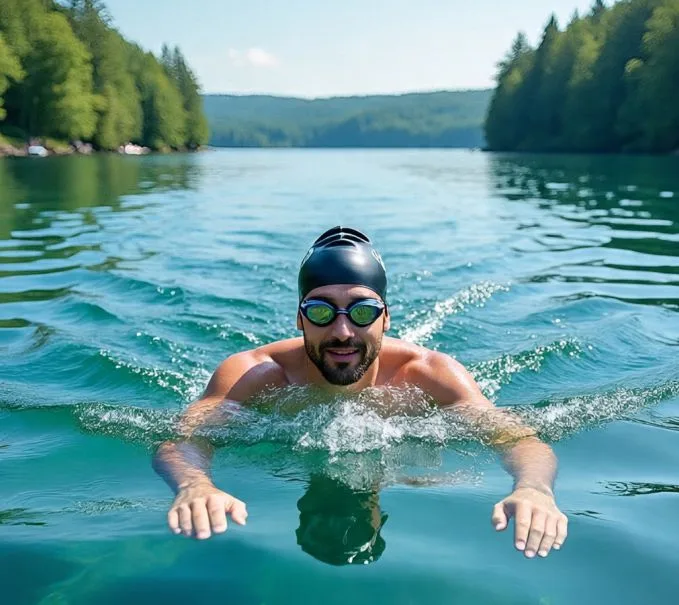
Outdoor cold exposure, cold water swimming, or winter activity offers similar benefits with added mental resilience from the environment itself, though it requires more preparation and caution than a shower or bath.
Risks and Considerations
Cold water immersion causes a rapid rise in blood pressure and heart rate as blood vessels constrict suddenly.
Men with existing hypertension or heart disease face a real, elevated risk of arrhythmia or a more serious cardiac event from this response, and should get medical clearance before attempting any cold immersion practice.
Cold temperatures can also trigger airway tightening in people with asthma or COPD, leading to genuine breathing difficulty during immersion.
Anyone with a respiratory condition should talk to a doctor before starting, and keep rescue medication within reach if they do.
For anyone without these conditions, starting with brief cool showers and increasing duration gradually, rather than jumping straight into a full ice bath, is the safer approach regardless of health status.
Conclusion
Cold water exposure is a genuinely useful recovery and mood tool, but the evidence doesn’t support it as a testosterone booster the way it’s often marketed.
Some studies show no change, others show a decrease, and only narrow, exercise-specific conditions show any increase at all.
If you enjoy cold showers or ice baths, keep doing them for the benefits that are actually well supported: recovery, mood, alertness, not testosterone.
Frequently Asked Questions
Does cold water exposure actually raise testosterone?
The evidence is inconsistent. Several studies show no increase or an actual decrease, while a few narrow, exercise-specific contexts show a modest, temporary rise.
What does cold water exposure actually help with?
Recovery, reduced muscle soreness, mood, and short-term alertness all have real supporting evidence, independent of any effect on testosterone specifically.
Is cold water immersion safe for everyone?
No. Men with heart conditions, asthma, or COPD face real added risk and should get medical clearance before starting any cold exposure practice.
How should a beginner start cold exposure safely?
Start with 30 seconds of cool water at the end of a normal shower, and extend the duration gradually as your tolerance builds over time.

Pyo Merez is a 45-yeard old husband, father, and a chemical engineer by profession and the founder of Gentsways, a men’s lifestyle site built in honour of his father, Dee Clement. He has been writing about men’s development, style, and character through his father’s lens since 2021, drawing on lived experience, his father’s example, and research from reputable publications. He is not a certified trainer or therapist; where fitness or health topics require it, articles are reviewed by qualified contributors.