
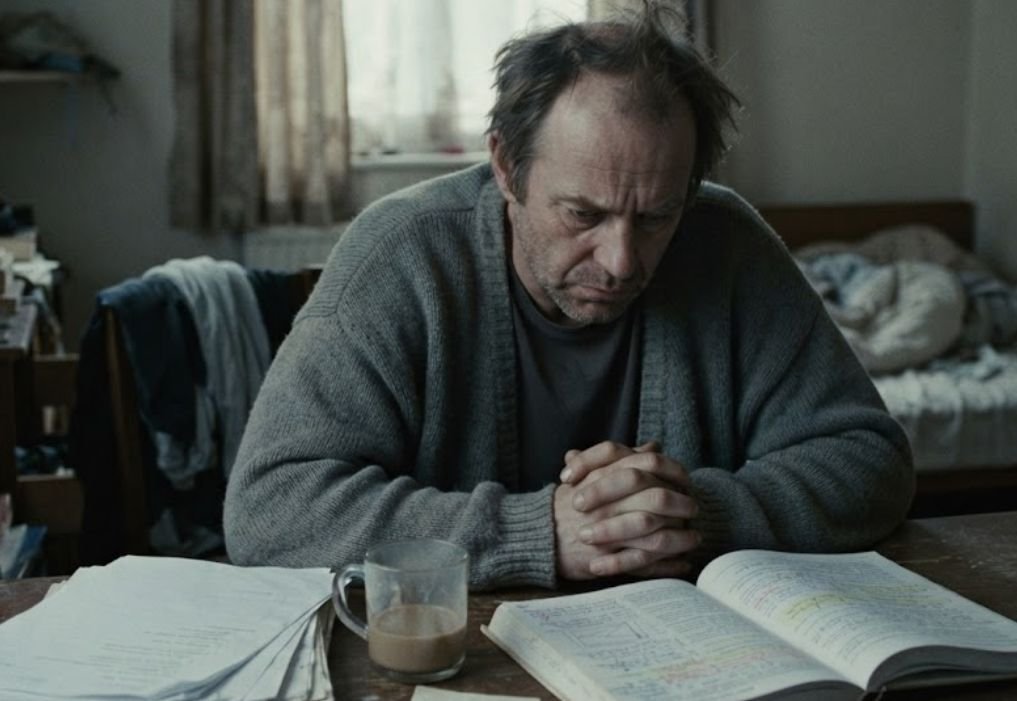
Some men mask low self-esteem so well that even they do not notice it. It shows up in small habits: chasing approval, deflecting compliments, comparing themselves to other men, and rarely feeling like enough despite years of hard-earned professional success.
Signs of low self-esteem in men rarely look like sadness or obvious insecurity. Instead, they hide inside habits that resemble ambition, humor, or even confidence: overworking to prove worth, deflecting compliments with a joke, or constantly comparing achievements to other men.
Recognizing these patterns matters, since a man cannot address what he has never named.
This piece walks through the hidden signs, why they develop, and where they surface most: at work, in dating, and at home each day.
For deeper practical work on building lasting self-assuredness, see our companion guide, How to Build Confidence as a Man.
Disclaimer: This article is for informational purposes only and does not constitute medical, fitness, or professional advice. The author is not a certified personal trainer, licensed therapist, nutritionist, or medical doctor. Where content is based on personal experience or observation, this is stated clearly in the article. Always consult a qualified professional before making significant changes to your health, fitness, or wellness routine.
Table of Contents
Why Low Self-Esteem Hides So Well in Men
Low self-esteem in men rarely announces itself, since many men learn early to mask it with achievement, humor, or bravado rather than name it directly.
A systematic review of the research on traditional masculine norms found that expectations to be strong, self-reliant, and in control make men less likely to name what they are actually feeling, let alone seek support for it.
Stoicism gets rewarded socially, so a man’s self-doubt tends to surface as overwork, irritability, or withdrawal rather than open sadness.
That masking has real cost. Research on self-esteem consistently ties a stable sense of self-worth to greater psychological stability, while lower self-worth correlates with higher levels of anxiety, depression, and stress across both clinical and general populations.
This connection explains why the signs below frequently get mistaken for personality quirks rather than a self-worth problem worth addressing, an idea we touch on in our piece on confidence and masculine identity.
Hidden Signs at Work
Low self-esteem at work rarely looks like poor performance. It commonly looks like overachievement built on a shaky foundation.
- Staying quiet in meetings even when you have the stronger idea
- Over-preparing for routine tasks out of fear of being seen as incapable
- Struggling to delegate because your worth feels tied to doing everything yourself
- Downplaying wins with phrases like “it was nothing” or “anyone could have done it”
- Taking on more work than you can handle to avoid disappointing anyone
Many men still tie a large part of their identity to being the provider or the one who has things handled, which makes career setbacks feel like a verdict on manhood itself rather than a normal professional bump.
A man who ties his entire sense of value to output can end up practicing a version of overwork that looks like drive but runs on self-doubt, a pattern we cover further in our guide to becoming a high-value man.
Hidden Signs in Dating and Relationships
In relationships, low self-esteem regularly shows up as either withdrawal or over-accommodation, both driven by a need for external approval.
Many men are also raised to treat vulnerability as a liability rather than a normal part of connection, which pushes these signs further underground.
- Needing frequent reassurance from a partner before feeling secure
- Struggling to voice a preference for fear of seeming difficult
- Staying in relationships that do not meet your needs out of fear of being alone
- Performing a version of yourself you think a partner wants, rather than being direct
That last pattern, performing rather than being honest, is part of what separates genuine connection from the kind of people-pleasing we describe in our piece on the difference between a gentleman and a simp.
Hidden Signs at Home
At home, low self-esteem can show up as either quiet withdrawal or an outsized need for control.
- Irritability when plans or routines are disrupted, since uncertainty feels harder to tolerate
- Difficulty accepting help from family without feeling like a failure
- Struggling to admit fault to a partner or child out of fear it confirms a deeper inadequacy
Confidence built on a genuine sense of self-worth allows a man to admit fault without that admission threatening his identity, a distinction rooted in integrity and honesty rather than image management.
Comparison and Social Media
Constant comparison to other men, especially online, is one of the clearest hidden signs of low self-esteem.
Recent research on social media use found that exposure to upward social comparisons, seeing others who appear more successful or accomplished, predicted lower self-esteem and higher depressive symptoms among young adults.
This pattern is worth watching for in your own scrolling habits, particularly around income, physique, or relationship milestones.
Why These Patterns Develop
Low self-esteem in men frequently traces back to early conditioning around performance and approval, not a single event.
A man who learned that love or respect was conditional on achievement can carry that pattern into adulthood without noticing it.
Genuine self-worth, by contrast, tends to come from alignment between what a man values and how he actually lives, a link supported by research showing that people who rate higher on authenticity also report greater resilience and stronger self-esteem than those who mask their true views to fit in.
This ties directly into the broader picture of personal development for men and what genuine growth actually requires.
What to Do Once You Recognize These Signs
Naming these patterns is the starting point, not the finish line. Building real self-worth takes deliberate, repeated practice rather than a single decision to feel different.
Our companion guide, How to Build Confidence as a Man, lays out the full step-by-step system covering mindset, body language, dating, and career, and is the natural next read once you have identified where these signs show up in your own life.
It also connects to the broader picture of what healthy masculinity looks like in practice.
Final Words from Gentsways
Low self-esteem in men rarely looks the way most people expect.
It hides inside overachievement, humor, comparison, and quiet withdrawal rather than obvious sadness, which is exactly why so many men miss it in themselves for years.
Naming these patterns honestly is the real starting point for change.
For the complete, practical system on building lasting self-assuredness across mindset, relationships, and career, read our companion guide, How to Build Confidence as a Man, and start applying it today.
Frequently Asked Questions
What are the most common signs of low self-esteem in men?
Common signs include deflecting compliments, overworking to prove worth, constant comparison to other men, difficulty delegating, and performing a version of yourself rather than being direct with others.
Can a man have low self-esteem while still appearing confident?
Yes. Many men mask low self-esteem with achievement, humor, or bravado, which can look like confidence from the outside while masking real self-doubt underneath, especially under pressure.
Does social media make low self-esteem worse in men?
Research links frequent upward social comparisons on social media, particularly around income, physique, or relationships, to lower self-esteem and higher depressive symptoms, making mindful use worth considering.
How is low self-esteem different from clinical depression?
Low self-esteem is a self-worth pattern that can exist without depression, though the two frequently overlap. Persistent low mood or hopelessness is worth raising with a licensed professional directly.

Pyo Merez is a 45-yeard old husband, father, and a chemical engineer by profession and the founder of Gentsways, a men’s lifestyle site built in honour of his father, Dee Clement. He has been writing about men’s development, style, and character through his father’s lens since 2021, drawing on lived experience, his father’s example, and research from reputable publications. He is not a certified trainer or therapist; where fitness or health topics require it, articles are reviewed by qualified contributors.