
Last updated on October 10th, 2026 at 04:50 am
Men’s boots define your style foundation, from rugged workwear to sharp smart casual looks, shaping how every outfit fits, feels, and performs.
Men’s boots hold a firm place in your wardrobe, shaping your style while giving comfort and protection through long days.
The right pair supports your feet, handles rough weather, and sharpens your outfit without effort.
From leather lace-up designs to Chelsea boots, chukka boots, and work boots, each option fits different seasons, dress codes, and daily routines.
With smart choices, you can pair them with jeans, tailored trousers, suits, or casual layers and still look put together.
This guide gives you clear tips on selecting the right fit, quality materials, and sole types, styling ideas for work and weekends, and simple care steps that keep your footwear looking sharp and lasting longer.
Table of Contents
What Are Boots?
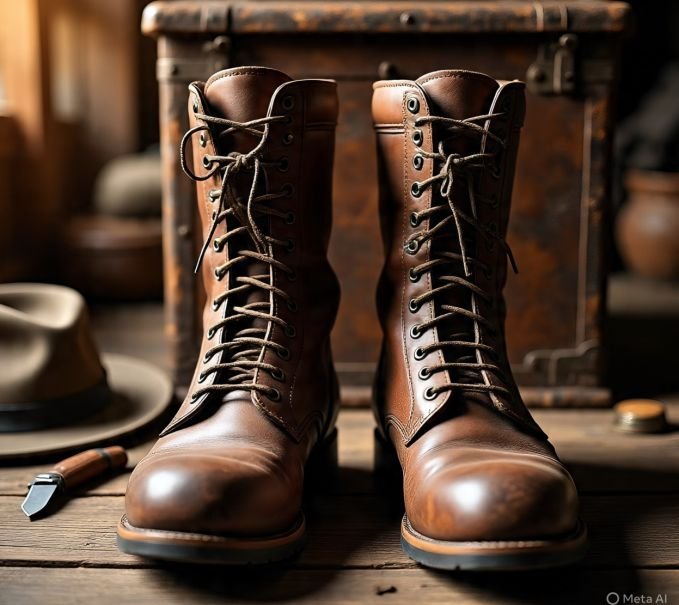
Boots are sturdy footwear designed to cover your feet and extend above the ankle for added support and protection. Made from materials like leather, suede, or synthetic fabrics, they feature durable soles and structured uppers.
Worn for work, outdoor activities, and everyday style, boots combine comfort, stability, and fashion in one practical shoe choice.
Why Every Man Needs a Good Pair of Boots
A solid pair belongs in your wardrobe because it delivers durability, sharp style, and daily function.
Boots protect your feet, complete your outfits, and handle different settings without sacrificing comfort or confidence.
Durability and Longevity
Quality boots last for years with proper care. Full-grain leather, reinforced stitching, and sturdy rubber or leather soles resist wear.
Regular cleaning and conditioning keep your footwear strong, supportive, and dependable.
Versatility Across Outfits
The right pair works with jeans, chinos, and tailored trousers. Chelsea boots fit business-casual looks, chukka boots suit smart-casual outfits, and lace-up styles handle weekends and outdoor settings.
Comfort and Foot Support
Long days demand proper arch support and cushioned insoles. Well-built boots provide ankle stability, shock absorption, and breathable lining.
Your feet stay comfortable during work, travel, and daily movement.
Protection in All Weather
Cold mornings, wet streets, and dusty paths require reliable footwear.
Leather uppers, water-resistant treatment, and durable outsoles protect your feet from rain, mud, and rough surfaces.
Style That Commands Attention
Strong footwear shapes how people see your outfit. Clean lines, polished leather, and structured design show confidence.
Your boots can anchor a layered look and add depth to simple clothing.
Cost-Effective Wardrobe Investment
Spending more on quality reduces repeat purchases. Durable construction lowers repair costs and replacement frequency.
A well-made pair saves money while giving consistent performance across seasons.
Timeless Appeal
Trends shift, but classic boot styles remain relevant. Brown and black leather designs blend with modern and traditional outfits.
Your wardrobe gains stability through footwear that never feels outdated.
Related Posts
Types of Men’s Boots
Choosing the right style shapes how your outfits look and how your feet feel each day.
Different boot designs serve different needs, from office wear to outdoor trails and street style.
Chelsea Boots
Chelsea boots feature a sleek ankle-length design with elastic side panels that allow easy slip-on wear.
Smooth leather or suede uppers give your outfit a clean finish, making them ideal for formal events and smart casual settings.
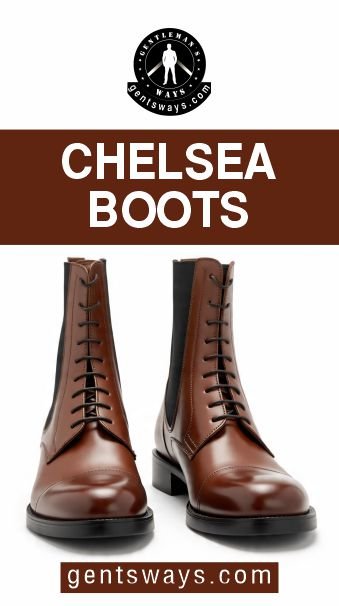
Pair them with tailored trousers, slim-fit suits, dark denim, or wool coats for a sharp silhouette.
Their low profile works well in business casual offices where dress shoes feel too stiff.
A leather sole leans dressy, while a rubber sole adds grip for daily walking.
Neutral shades like black and dark brown keep your wardrobe flexible and polished.
Chukka Boots
Chukka boots sit at mid-ankle height and usually come with two or three eyelets for a simple lace-up closure.
Soft suede and smooth leather are common materials, giving your look a relaxed but tidy feel.
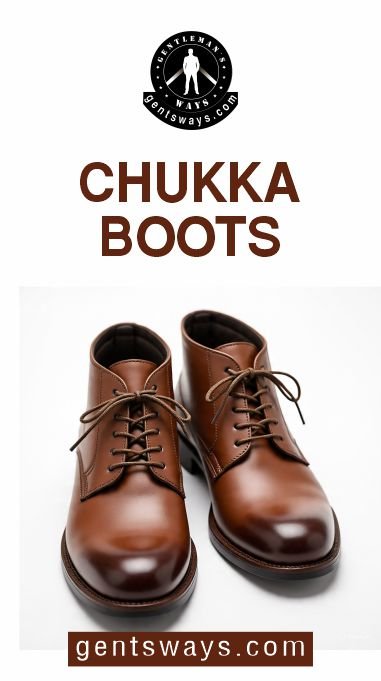
These boots pair easily with jeans, chinos, and casual trousers, making them a strong option for smart casual outfits.
Crepe soles provide comfort and light cushioning, great for long hours on your feet.
Earth tones like tan and sand blend well with knitwear, button-down shirts, and lightweight jackets.
This style balances comfort and structure without looking bulky.
Work Boots
Work boots prioritize strength and protection, featuring thick leather uppers, reinforced stitching, and heavy-duty rubber outsoles.
Steel-toe or composite toe options guard your feet in construction sites and in industrial settings.
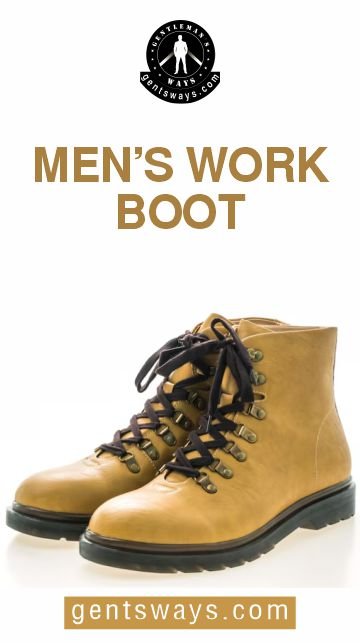
Deep tread patterns improve traction on rough terrain, gravel, and wet surfaces.
Padded collars and cushioned insoles add comfort during long shifts.
Even outside manual labor, rugged leather work boots pair well with raw denim, flannel shirts, and field jackets for a masculine look.
Regular conditioning keeps the leather flexible and prevents cracks, helping your investment last through demanding conditions.
Desert Boots
Desert boots are lightweight ankle boots made from soft suede with a simple lace-up front.
Crepe rubber soles provide flexibility and comfort, making them suitable for daily wear in warm weather.
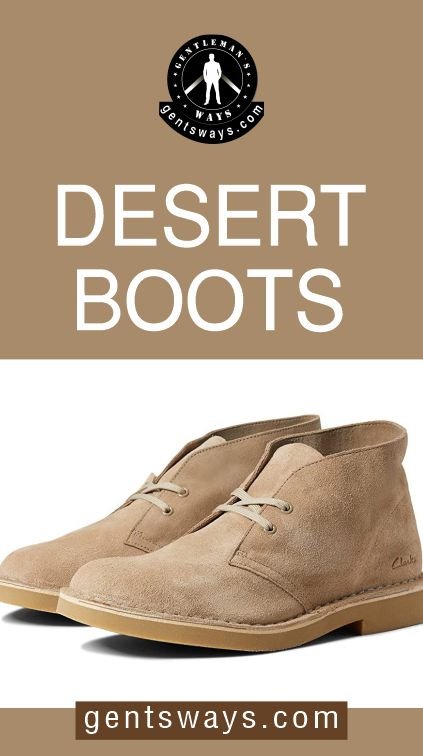
Their clean design works well with slim jeans, chinos, and casual blazers.
Breathable materials keep your feet cool, while the relaxed shape fits informal settings like weekend outings or casual offices.
Sand, taupe, and light brown shades match easily with neutral outfits.
Minimal structure gives freedom of movement, so your stride feels natural during long walks around town.
Hiking Boots
Hiking boots are designed for outdoor trails, uneven paths, and long-distance walking.
Thick lug soles offer a strong grip on mud, rocks, and slippery ground.
High ankle collars provide stability and reduce the risk of twisting injuries.
Waterproof membranes and breathable lining keep your feet dry and comfortable in changing weather.
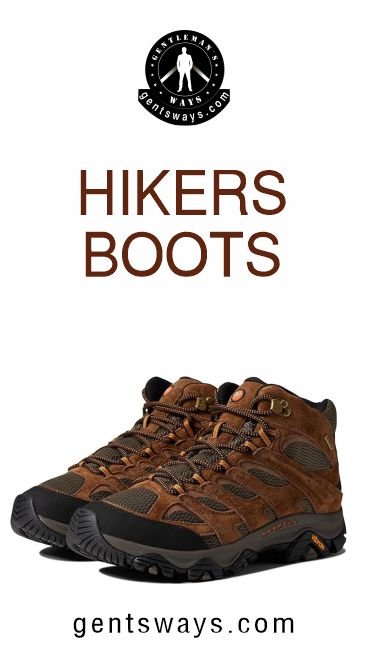
Durable materials like treated leather and synthetic mesh resist abrasion.
These boots pair with cargo pants, outdoor jackets, and performance socks for a functional style.
Proper lacing improves support, while cushioned midsoles absorb shock during steep climbs and extended treks.
Combat Boots
Combat boots draw inspiration from military footwear, featuring a sturdy lace-up front, thick soles, and structured leather uppers.
Their bold design adds edge to streetwear and rugged casual outfits.
Pair them with slim jeans, cargo trousers, leather jackets, or oversized shirts for a confident look.
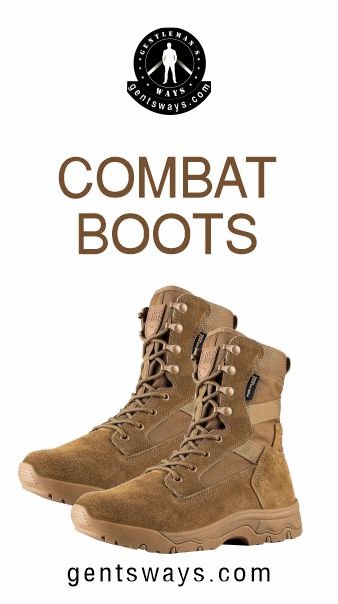
Durable construction supports daily wear, while cushioned insoles improve comfort.
Black leather creates a strong statement, while brown tones soften the effect.
Solid traction handles city streets with ease. With proper care, polished leather keeps the style sharp and ready for any urban setting.
Winter Boots
Winter boots are built for cold, wet conditions, featuring insulated linings, waterproof leather or rubber uppers, and heavy-lugged outsoles for traction on snow and ice.
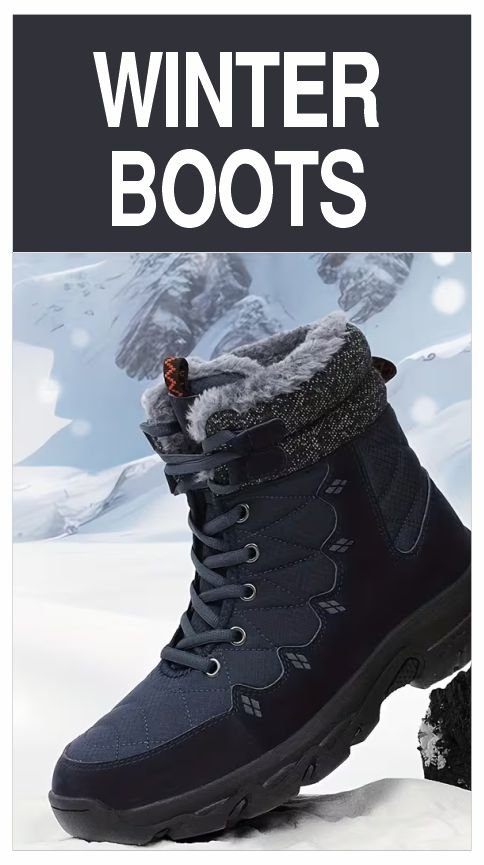
They typically sit higher on the ankle for warmth and moisture protection.
Popular for both function and rugged style, winter boots pair well with denim, wool trousers, and heavy outerwear.
Balmoral Boots
Balmoral boots feature a closed lacing system, where the vamp sits on top of the quarters, creating a sleek, formal silhouette.
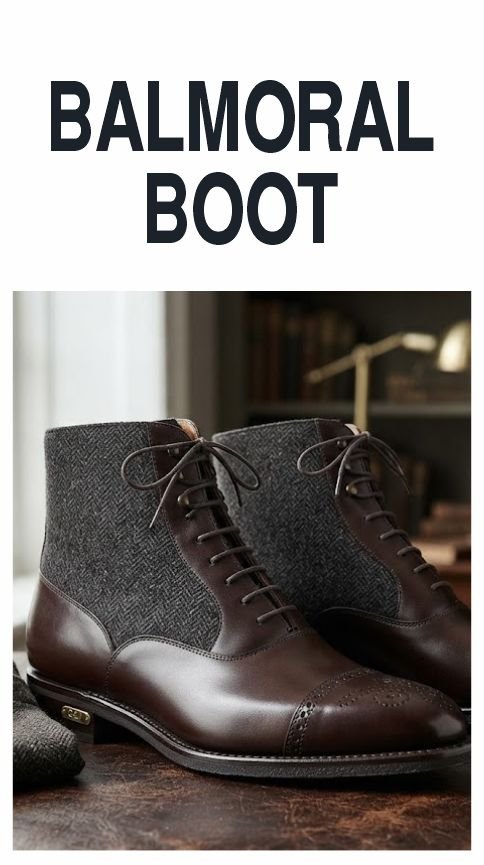
Traditionally made from polished leather, they are considered dressier than open-laced Blucher boots.
Balmoral boots suit formal and business settings, pairing well with suits, tailored trousers, and structured overcoats for a refined look.
Wing Tip Boots
Wing tip boots feature a pointed toe cap with decorative perforations resembling wings, blending classic dress shoe detailing with boot functionality.
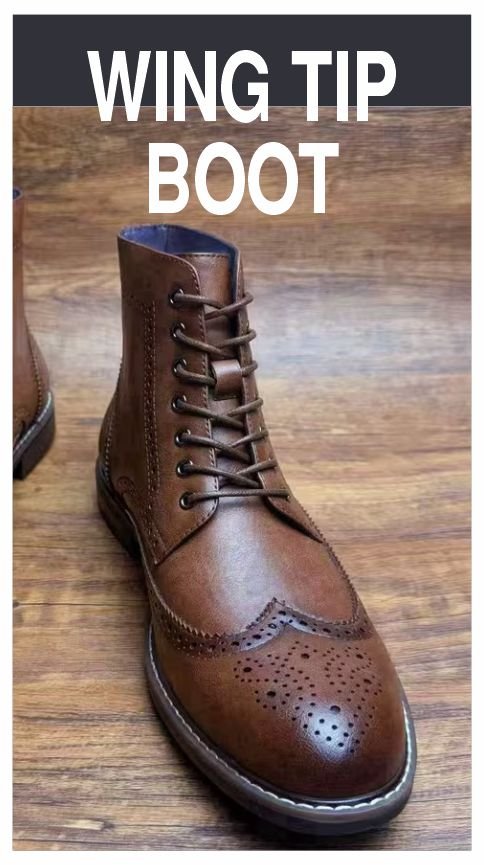
Often crafted in brogue style, they add texture and visual interest to formal or smart casual outfits.
Wing tip boots pair well with tweed, wool trousers, and structured jackets for distinguished style.
Jodhpur Boots
Jodhpur boots are ankle-height boots with a strap and buckle closure instead of laces, originally designed for horseback riding.
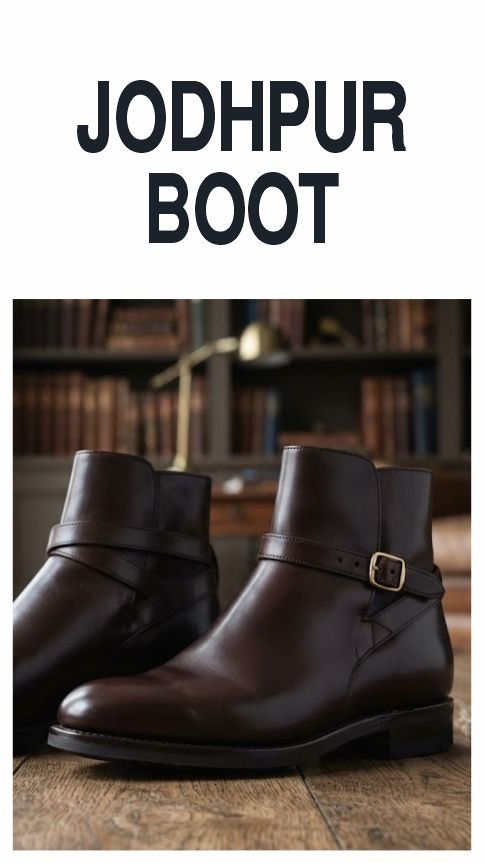
Their sleek, low-profile silhouette makes them versatile for both formal and casual outfits.
Jodhpur boots pair well with tailored trousers, chinos, or denim, offering a refined alternative to traditional lace-up boots.
Moc Toe Boots
Moc toe boots feature a distinctive rounded, stitched seam around the toe, resembling traditional moccasin construction.
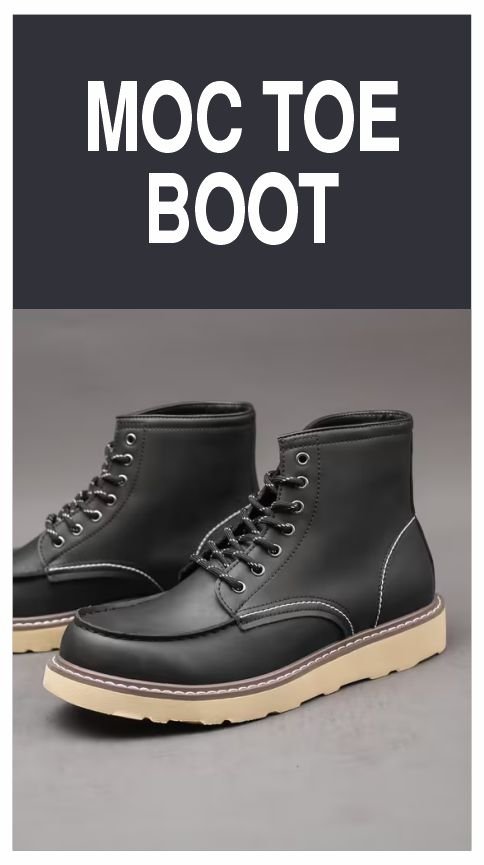
Typically rugged and durable, they are common in work and outdoor boots made from thick leather.
Moc toe boots pair well with denim, flannel, and casual workwear, offering a sturdy, functional look with heritage appeal.
Men’s Boots Material
The material of your boots affects comfort, durability, weather resistance, and overall style.
Pick the right one based on your daily routine, climate, and how you plan to wear them.
Leather Boots
Leather boots offer strong durability and natural water resistance, making them reliable for work, business casual outfits, and formal settings.
Full-grain leather ages well, forming a rich patina that adds character to your footwear.
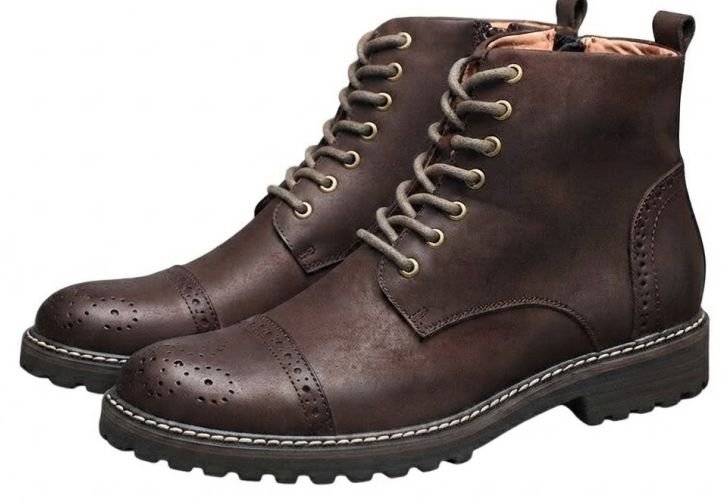
Polished finishes pair well with suits, tailored trousers, and structured coats.
Thick leather uppers provide support, while quality stitching and solid soles improve lifespan.
Regular conditioning prevents cracks and keeps the surface smooth.
With proper care, your leather boots maintain their shape, resist moisture, and deliver a refined look that fits both office wear and dressier occasions.
Suede Boots
Suede boots bring a soft texture and relaxed appearance to your wardrobe.
The matte finish pairs easily with jeans, chinos, knitwear, and casual jackets, giving your outfit depth without looking formal.
Lightweight construction makes them comfortable for daily wear, especially in dry seasons.
Extra care helps prevent stains, scuffs, and water damage.
A protective spray adds a layer of defense against moisture and dirt.
Gentle brushing restores the nap and keeps the surface clean.
When maintained properly, suede boots stay sharp and stylish, perfect for smart casual settings and weekend outfits.
Synthetic Materials
Synthetic boots provide an affordable and lightweight option for everyday use.
Materials like faux leather and treated fabrics resist water and dry quickly, making them suitable for rainy days and travel.
Flexible soles improve comfort during long walks, while modern designs mimic the look of genuine leather.
Maintenance stays simple since most pairs only require basic cleaning.
Although they may not match the lifespan of full-grain leather, they serve well for seasonal wear, outdoor activities, and budget-friendly shopping.
For practical use with minimal upkeep, synthetic materials offer solid performance and convenience.
Fit, Comfort, and Sizing Tips
Boots that fit well protect your feet, support long days, and complete outfits with confidence.
Paying attention to size, shape, and comfort ensures every step feels secure and stable.
Finding the Right Fit
Leave enough room for toes and ensure a snug heel. Test with your usual socks, adjust laces, and account for foot width to prevent slipping and pressure points.
Breaking in Boots
Wear new boots gradually, starting indoors or on smooth surfaces.
Apply leather conditioner or stretching techniques to soften tight areas and let the material conform comfortably to your foot.
Foot Support
Use insoles for arch support and cushioning, reducing fatigue during long wear.
Removable insoles allow customization, improve stability, and protect your feet while maintaining proper posture throughout the day.
Sock Selection
Pair boots with socks that match their intended use. Thick wool socks keep feet warm and reduce friction in winter, while thinner cotton or performance socks prevent overheating in casual wear.
Heel and Ankle Fit
A secure heel and well-fitted ankle prevent slipping, blisters, and discomfort.
Check the collar height, lacing options, and padding to keep your foot stable during long walks or workdays.
Toe Box Comfort
Make sure the toe box isn’t cramped, allowing natural toe movement.
A rounded or slightly wider toe area supports balance, comfort, and avoids bunions or pinching during prolonged wear.
Sole Flexibility
Soles should balance stiffness and flexibility. Too rigid causes strain, too soft reduces support.
Test walking, bending, and twisting the boot to ensure proper comfort and foot alignment.
Styling Men’s Boots
Boots shape the way your outfits look, helping you move smoothly from casual days to work settings.
Choosing the right style, color, and combination gives your wardrobe flexibility and confidence.
Casual Looks
Pair boots with jeans, rolled cuffs, and simple tees for relaxed, everyday style. Layer with jackets, flannel shirts, or light sweaters to add depth and balance to your outfit.
Neutral-colored boots like tan or brown fit almost any casual wardrobe, while darker shades create a stronger contrast.
Opt for lace-up or desert boots for comfort and mobility.
Matching your boots with belts and minimal accessories ensures cohesion.
Casual styling allows you to stay comfortable, walk longer distances, and maintain a polished, effortless look.
Smart Casual Outfits
Boots like Chelsea or chukka styles work well with chinos, tailored trousers, or dark denim for a refined, smart casual appearance.
Pair with button-down shirts, knitwear, or structured blazers to sharpen your silhouette.
Polished leather and sleek designs give a professional edge without appearing overdressed.
Subtle color coordination with belts, watches, or leather accessories enhances cohesion.
Proper fit and comfort let you wear boots for extended office hours, dinners, or events.
Smart casual styling balances sophistication with approachable style, making your footwear a key element of confidence.
Outdoor and Work Styles
Rugged boots match cargo pants, durable outerwear, and weather-ready layers for outdoor adventures or labor-intensive work.
Consider boots with reinforced soles, waterproofing, and ankle support to protect your feet while adding a rugged edge.
Earth tones or muted colors blend with natural environments and practical outfits.
Thick laces and padded collars improve stability and comfort.
Functional details like traction soles and breathable lining ensure you stay safe, dry, and supported.
Well-chosen outdoor or work boots combine durability, style, and practicality, keeping your feet ready for tough conditions without sacrificing appearance.
Maintaining Your Boots
Keeping boots in good condition protects your investment, preserves comfort, and ensures they look sharp for years.
Proper care helps your footwear last through daily wear and changing seasons.
Cleaning and Polishing
Leather boots benefit from regular cleaning to remove dirt and grime, followed by conditioning and waxing to maintain shine and flexibility.
Suede boots need gentle brushing to lift the nap and protective sprays to resist water and stains.
Avoid harsh chemicals, and test products on small areas first.
Wiping off mud after walks and keeping soles clean prevents damage.
Regular upkeep not only preserves appearance but also strengthens the material, preventing cracks, fading, and wear, ensuring your boots stay comfortable and stylish for every outfit and season.
Storage Tips
Store boots in a dry, ventilated space, away from direct sunlight or heat that can crack leather or fade color.
Use shoe trees or stuffed paper to maintain shape, prevent creases, and support arches.
Avoid piling other shoes on top, which can deform leather.
Rotating boots between wears allows the material to rest and air out.
Keeping laces untied and lightly loosening collars reduces stress on eyelets and stitching.
Organized storage also makes your collection accessible, letting you maintain polished, ready-to-wear boots while protecting them from mold, moisture, and warping over time.
Repair and Longevity
Professional repair extends the life of worn boots.
Resoling, stitching reinforcement, and leather patching restore structure, traction, and support.
Addressing minor scuffs or heel wear early prevents bigger damage.
Skilled cobblers can reshape boots, replace eyelets, and fix soles while preserving style and comfort.
Routine maintenance, like conditioning leather or refreshing suede, complements repairs and keeps boots functional.
Proper repair not only saves money on replacements but also maintains your footwear’s polished look, allowing it to retain both performance and style for work, casual outings, or special occasions.
Conclusion
Men’s boots form the foundation of your wardrobe, combining style, comfort, and function in every step.
The right pair supports your feet, adapts to different outfits, and protects against weather or tough terrain.
From casual weekends to workdays or formal settings, boots provide structure, confidence, and longevity.
Investing in quality materials, proper fit, and careful maintenance ensures your footwear lasts while keeping your style sharp.
Choosing styles like Chelsea, chukka, work, or hiking boots expands your outfit options, allowing you to dress appropriately for any occasion.
Well-cared-for boots remain comfortable, stylish, and reliable for years.
Frequently Asked Questions
What are the best materials for men’s boots?
Leather offers durability, water resistance, and a polished look. Suede provides softness and casual style, while synthetic options remain lightweight, budget-friendly, and easy to maintain.
How should I break in new boots?
Wear them gradually indoors, apply leather conditioner, and use stretching techniques to soften tight areas. This shapes the boots comfortably to your foot over time.
Can men’s boots be worn with formal outfits?
Yes, Chelsea or polished leather boots pair well with tailored trousers, chinos, or suits, providing a sleek, professional appearance without sacrificing comfort or stability.
How often should men’s boots be maintained?
Clean and condition leather after every few wears, brush and protect suede, store properly, and repair soles or stitching as needed to prolong lifespan and appearance.
References
- A Complete Buying & Styling Guide for Men’s Boots
- Men’s Boots Guide
- The Ultimate Guide To Choosing The Right Men’s Boots

Pyo Merez is a 45-yeard old husband, father, and a chemical engineer by profession and the founder of Gentsways, a men’s lifestyle site built in honour of his father, Dee Clement. He has been writing about men’s development, style, and character through his father’s lens since 2021, drawing on lived experience, his father’s example, and research from reputable publications. He is not a certified trainer or therapist; where fitness or health topics require it, articles are reviewed by qualified contributors.